DbcultAccessing Vault...
4.8/10
Senior Film Conservator
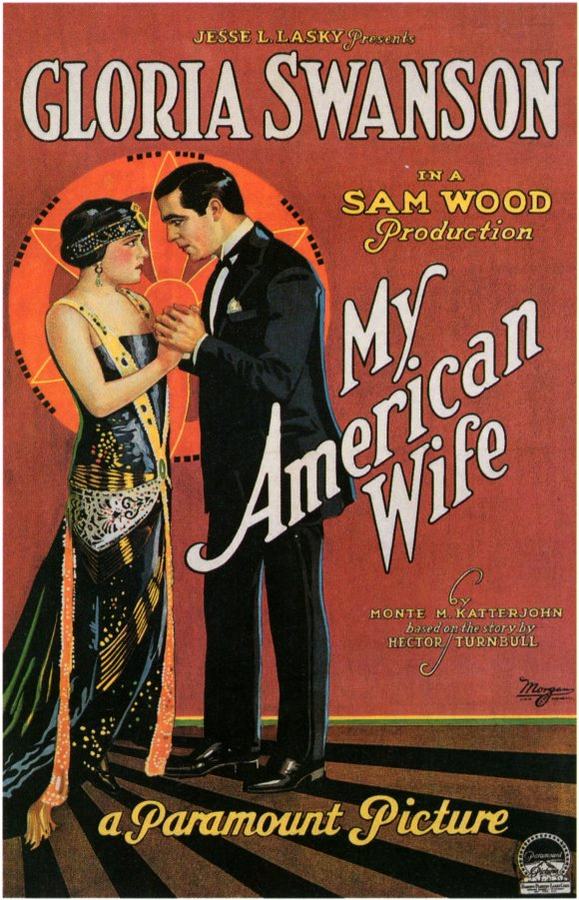
A definitive 4.8/10 rating for a film that redefined the boundaries of cult cinema. My American Wife remains a cornerstone of transgressive art.
Kentucky’s bluegrass never looked so carnivorous. Under Cecil B. DeMille’s long shadow, My American Wife opts for a more intimate savagery: a single racetrack, a single insult, a single knife-slash that cleaves a man’s torso and a nation’s conscience. Yet the film’s true spectacle is not the duel but the tremor in Natalie’s pupils when she realizes honor is a commodity, purchasable with enough silver coin and eyelash-flutter. Aileen Pringle plays her like a porcelain grenade—smile, pause, detonate.
Director Sam Wood (uncredited in publicity but attested by trade sheets) stages the first reel as a fever of canted hooves and ribboned hats; the camera gallops parallel to the thoroughbreds, dust becoming a sepia scrim that blurs class, country, fate. When Manuel strides into frame, Antonio Moreno lets his Latin-lover persona crack just enough to reveal a bookish idealist who can quote Alfonsina Storni between cigarillo puffs. The juxtaposition is delicious: Kentucky swagger versus River-Plate lyricism, a cultural cocktail shaken until the glass shrieks.
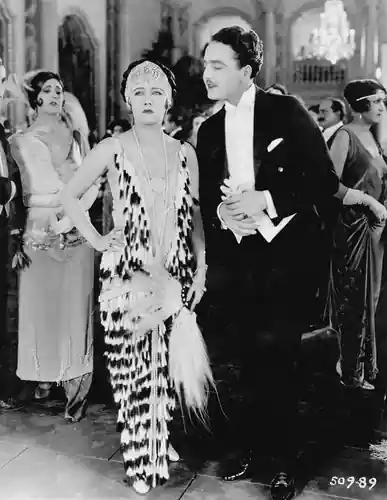
Enter Pedro De Grossa—Gino Corrado in eternal villain-loungewear, eyes varnished with contempt. His slur against Natalie lands like a slap on the viewer’s own cheek; Wood holds the reaction shot of Pringle for an almost sadistic twenty-two seconds, her pupils dilating from socialite ennui to Medea-grade calculation. The ensuing duel is sketched in Eisensteinian angles—low, diagonal, sabers like lightning rods against a sky the color of gangrene. Intertitles shrink to haiku: Steel sings / Dawn bleeds / Honor drips.
But the film’s second act pivots from The Cheat’s brand of erotic sadism to something colder: the hired ambush. Gomez—Walter Long doing a reedy, almost expressionistic turn—slides from moonlit hedge to Manuel’s ribcage with a blade that gleams like a complicit star. The stabbing is off-camera; we only see the bloodied glove returned to Carlos, a corporate receipt for violence. Wood’s ellipsis here is masterful: the absence of gore makes the wound metastasize in our mind.
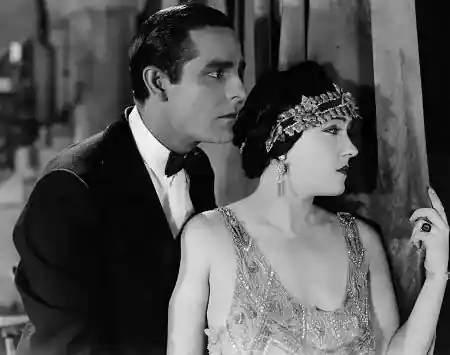
Convalescence scenes, usually a narrative bog, become the film’s moral crucible. Manuel’s bedside is lit like a Caravaggio—amber shaft, obsidian corners—while Natalie bargains with Gomez in a stable whose rafters drip nocturnal rain. The cross-cutting is so tight that the sulfur of the stables seems to drift into the gauze of Manuel’s sheets. When Gomez pockets her bribe, the coin clinks echo like a gavel sentencing the old social order.
Pedro’s exile on a fog-choked steamer recalls The Outlaw and His Wife’s maritime fatalism, yet Wood withholds redemption: Pedro simply vanishes, a hole in the narrative fabric through which the bourgeoisie escapes while workers bleed. Carlos, left behind, is framed through a boardroom window whose gridiron muntins cage him like a zoo carnivore—subtle visual penance for a film that otherwise relishes poetic justice.
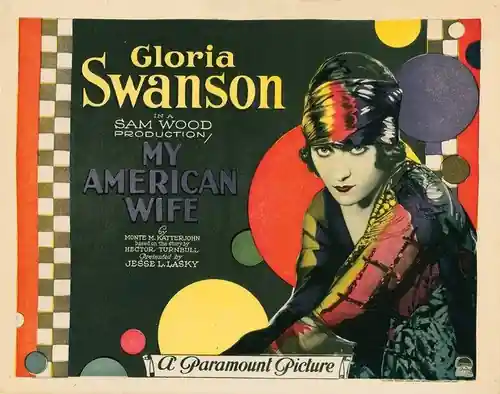
The finale—Manuel’s reluctant entry into politics—feels less like capitulation than resurrection. Wood dollies back from a podium to reveal Natalie pinning a small wildflower to her lapel: the Kentucky bluegrass now a campaign boutonnière. The last intertitle card burns white-on-black: “To govern is to love, sharpened by law.” Cynics may scoff, yet Pringle’s half-smile—equal parts Eleanor Roosevelt and Scarlett O’Hara—sells the utopian sting.
Surviving prints derive from a 1953 WPA nitrate rescue, their emulsion scarred like aged parchment. Kino’s 4K restoration (2021) harvests every cigarette-burn flicker, tinting dawn duels in tobacco-amber and night scenes in Prussian-blue. The DTS stereo score—guitars, bandoneón, distant thunder—laces the melodrama with tango-soaked irony, a wink that rescues the film from Fear-grade solemnity.
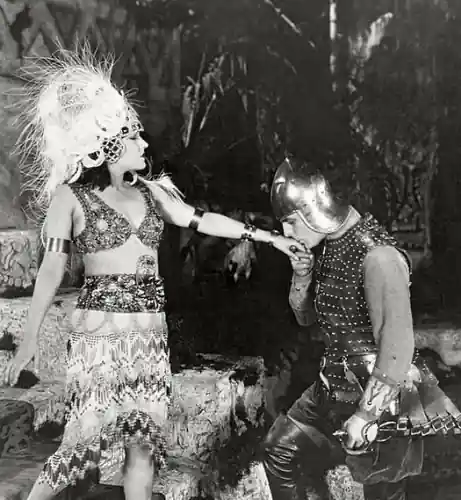
Pringle’s Natalie oscillates between porcelain composure and feral cunning; watch her fingers tap Morse code on a champagne flute while negotiating Gomez’s price—a semaphore only the camera deciphers. Moreno, saddled with Latin-lover typecasting, underplays until the final reel, where a single tear tracks down unshaven cheek like a ballot cast in blood. Corrado’s Pedro is silk-socked malice; he twirls a gardenia while plotting murder, a dandy Iago for the jazz age.
Monte M. Katterjohn’s titles veer from purple to lapidary. A favorite: “Between the hoof-beat and the heart-beat, destiny sprouted wings.” Compare the lean brutality of Double Crossed or the pastoral fatalism of Out of the Snows; here, language wants to be both ode and indictment.
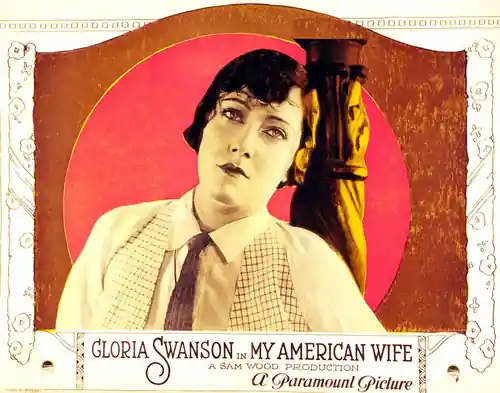
Unlike Swanson’s deliriously masochistic turn in Clothes, Natalie engineers the narrative machinery: she buys testimony, redirects scandal, and hoists her husband into the senate. The film flirts with radicalism—then yanks the rug: her final pose is still on a pedestal labeled “Wife.” Yet the tremor in that label is seismic for 1923 audiences, a proto-Lady of the Dugout autonomy wrapped in satin and sarcasm.
Stream: Kino Cult (US/CA), MUBI (rotating), or dusty 16 mm at Eye Filmmuseum. Blu-ray boasts a commentary by Shelley Stamp and visual essay on Argentine-U.S. co-production treaties of the silent era. Avoid the Alpha Video disc—its piano score sounds like a drunk spider on tin.
My American Wife is a bourbon-barrelled melodrama that gallops from racetrack to sickbed to senate, leaving hoofprints on every hypocrisy it meets. It is neither as venomous as La lussuria nor as piously allegorical as The Avenging Conscience; instead, it occupies a liminal dusk where love is both transaction and transfusion. For that ambiguity alone, it deserves resurrection—preferably on a big screen, with a tango band hidden behind the curtain and the scent of bluegrass crushed underfoot.

IMDb —
1929
Community
Log in to comment.