Summary
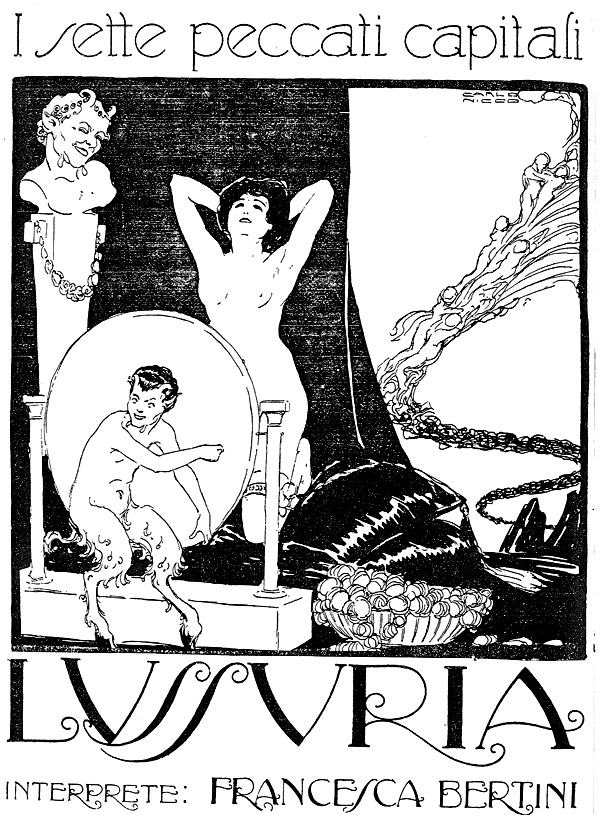
In the murky depths of pre-war European society, a poignant, almost visceral narrative unfolds, charting the corrosive power of unrequited desire and the insidious allure of material ascension. Leonard, a man tethered to the mundane existence of a cashier, finds himself ensnared by the ethereal beauty and glacial disdain of Magdalena Dutertre. Her very presence, a tantalizing paradox of light and shadow, ignites within him an obsession that transcends mere infatuation, morphing into a potent cocktail of yearning and ambition. As the cinematic tapestry weaves forward, Leonard undergoes a chrysalis, shedding the vestiges of his humble origins to emerge as a formidable figure in the cutthroat world of finance. This dramatic metamorphosis, fueled by an almost Faustian pact with avarice, fundamentally alters the power dynamic. The once-impervious Magdalena, whose aristocratic aloofness had previously rendered Leonard invisible, now finds her defenses crumbling before the sheer weight of his newfound influence and wealth. Her initial scorn, a weapon of social demarcation, transmutes into a reluctant, then fervent, embrace of his persistent ardor, revealing the transactional heart beating beneath the gilded facade of societal grace. This potent exploration of carnal and material covetousness forms the penultimate chapter in Francesca Bertini's celebrated 'I Sette Pecatti Capitali' series, a collaboration with the discerning Italian producers, Caesar Films, cementing its place as a compelling study of human frailty and the intoxicating dance between power and passion.
Leonard, a poor cashier, is ardourously attracted to beautiful but despising Magdalena Dutertre. When time goes by and he becomes a powerful banker her elusiveness turns to fire. Last of the Seven Capital Sins (I Sette Pecatti Capitali) series of pictures made by Francesca Bertini associated with Italian producers Caesar Films.
Review Excerpt
"
The Corrosive Embrace of Desire: Unpacking Francesca Bertini's 'La Lussuria'
Ah, the silent era! A time when emotions were writ large across the screen, conveyed through the balletic grace of movement and the searing intensity of an actor's gaze. Among the titans of this epoch, Francesca Bertini stands as an undisputed empress, her presence alone capable of imbuing a narrative with a profound, almost mythic resonance. Her collaboration with Caesar Films on the..."