DbcultAccessing Vault...
6.8/10
Senior Film Conservator
A definitive 6.8/10 rating for a film that redefined the boundaries of cult cinema. Na Sybir remains a cornerstone of transgressive art.
"Na Sybir" isn't an easy film to find, let alone watch, especially today. If you're someone who loves digging into old Polish cinema and isn't afraid of a silent-era melodrama, then yes, this might be worth seeking out. But if you’re hoping for a fast-paced modern narrative, you'll probably find yourself quite bored and wondering what the fuss is about. 🕰️
The story, set in early 20th-century Poland, throws you right into the struggle against the Russian Czar. It’s about a rebel, fighting for freedom, which feels pretty universal even a century later.
You follow him as his resistance leads to the inevitable: a sentence to Siberia.
What really struck me was how *physical* the acting could be. You see these grand gestures, especially from Mira Ziminska as the wife or perhaps love interest – her face just contorts with worry and despair.
It’s a style of acting that feels a bit over-the-top now, sure, but it conveys so much without words.
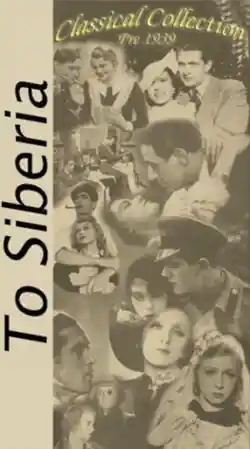
There’s this scene early on, a protest or something, and the crowd just feels so *real*. Not like a bunch of extras told to mill about, but like people with actual stakes.
You can almost feel the tension buzzing in the air, right before everything goes sideways.
When our hero, played by Adam Brodzisz, gets sent away, the film really shifts. It becomes less about the grand fight and more about the personal anguish.
The long, drawn-out goodbyes, the way the camera holds on faces, makes you feel the weight of that separation.
The Siberia part, well, it’s bleak, as you’d expect. Lots of snow, lots of suffering.
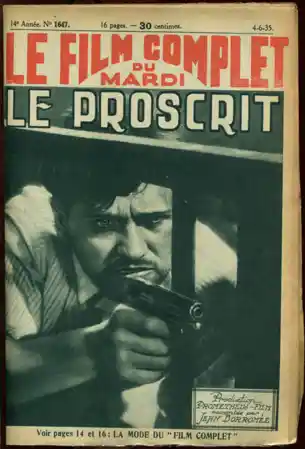
One shot of him just trudging through endless white, and it feels so *cold*, you almost shiver. It’s not about flashy action, but the sheer endurance of the human spirit.
And then there's the music. For a film of this age, the score is often dramatic, swelling in *just* the way you expect for a silent picture.
Sometimes it feels a little much, pushing the emotion rather than letting it breathe. But then again, that was part of the language back then.
I found myself wondering about the logistics of making a film like this back then. The sheer scale of some scenes, like the prison camp or those long travel sequences, must've been something.
It's not always polished, you see a few shaky frames, but it has this undeniable raw energy.
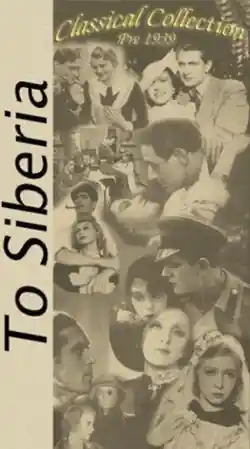
Jadwiga Smosarska, another key performer, really brings a quiet strength to her role. Her character doesn't have many lines, of course, but her expressions, the way she carries herself, speaks volumes.
You can see the defiance, the quiet hope, beneath the sadness.
There’s a small detail, during a courtroom scene. A guard in the background, he just shifts his weight ever so slightly, and for a second, he looks almost bored. It's a tiny, human moment in the middle of all this dramatic tension, and it caught my eye.
The movie gets noticeably better once it stops trying to show every single plot point and just lets the emotions play out. The struggle of the rebels, it's there, but the real punch comes from the personal cost.
It’s definitely a product of its time, which means some pacing can feel a bit slow for modern viewers. You have to settle into its rhythm.
But if you do, there’s a genuine, heartfelt story waiting. A story of resilience against a powerful oppressor.

IMDb 5.7
1926
Community
Log in to comment.