DbcultAccessing Vault...
Cult Review
Senior Film Conservator
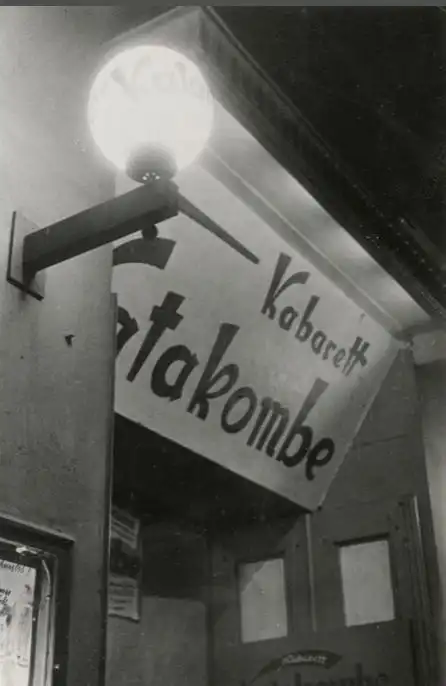
Alright, so you’re looking at Nachtlokal, a 1929 silent film. Is it worth watching today? Well, that depends. If you’re into the moodiness of Weimar-era German cinema and don’t mind a lack of sound, then yes, absolutely. It’s a specific taste, though.
Anyone who loves film history or is curious about how stories were told before talkies really took over will probably enjoy digging into this one. If you need explosions or crisp dialogue, you’ll probably find this a bit of a slog. It’s definitely not for everyone, and that’s okay! 🕰️
The whole thing feels so… of its time. The set pieces for the nightclub itself, the 'Nachtlokal,' they’re fantastic. You can almost smell the cigarette smoke and stale perfume through the screen.
It’s not just a backdrop; it’s a character in itself, this place where everyone seems to be hiding something or searching for something. The way the light hits the faces of the patrons, all those little dramas playing out in the background, it’s quite something.
Evelyn Holt, she’s really the anchor here. Her character, a young woman caught up in the club’s murky underbelly, you really feel for her. There’s a scene where she’s just standing by the bar, watching the crowd, and her expression says so much without any intertitles needed. It’s a quiet moment, but it really stuck with me. You can see the weariness in her eyes.
Then you’ve got Attila Hörbiger, who plays this sort of brooding, intense figure. He’s got that silent film intensity down pat. Every glance feels like a declaration. Sometimes a bit much, you know? But then again, that’s silent film acting.
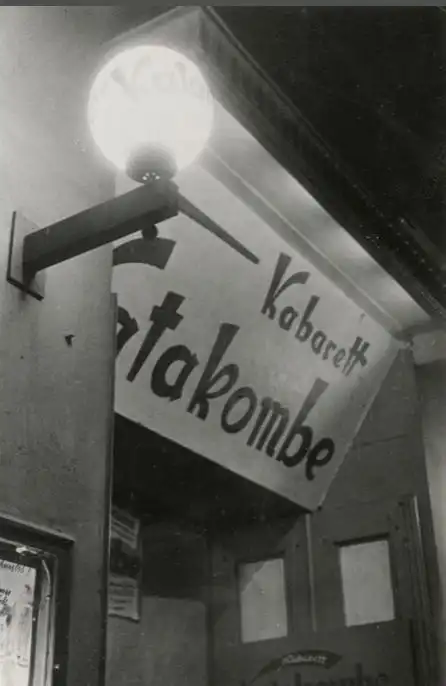
The pacing, for an old film, it actually holds up pretty well. There are moments that drag, sure, like a few too many lingering shots of people just… thinking. But then it picks up with a sudden burst of action or a dramatic reveal.
One scene, I remember, involved a chase through some back alleys outside the club. The shadows were just wild. It felt almost expressionistic, that kind of German film thing, you know?
What’s interesting is how much of the story is told through just *looks*. A quick eye contact, a hand gesture, a sudden turn of the head. It makes you really pay attention to the smallest details. You almost become a detective, piecing together the plot from these visual cues. 🕵️♀️
There’s a small subplot about a lost locket or something, which felt a little bit forced. Like the filmmakers felt they needed one more twist. It didn’t quite land for me, just felt like extra noise in an otherwise pretty focused story.
The ending, without giving anything away, it’s a classic silent film resolution. A bit melodramatic, perhaps, but fitting for the era. It leaves you with that slightly melancholic feeling, that sense of lives irrevocably changed by the events of one night.
It's not a perfect movie, not by a long shot. But it’s a fascinating piece of history, and a good example of how much emotion could be conveyed without a single word.
IMDb 5.9
1935
Community
Log in to comment.