DbcultAccessing Vault...
Cult Review
Senior Film Conservator
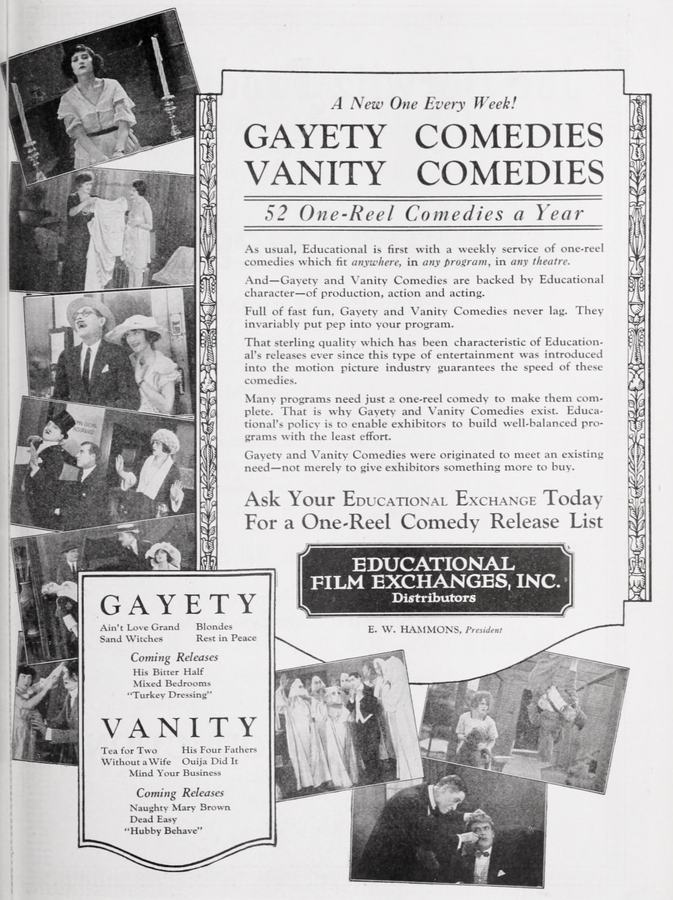
In the annals of pre-Code cinema, Naughty Mary Brown stands as a singular achievement, a film that marries the theatricality of operetta with the subversive wit of social satire. Directed by Frank Butler and penned by Scott Darling, this 1930 film is a masterclass in narrative economy, distilling a sprawling romantic comedy into a tightly woven tapestry of irony and human folly. With Dorothy Devore in the titular role, the film transcends its B-movie trappings to explore the paradox of modern romance: when love becomes a transactional game, who holds the real power?
At the heart of the film lies Mary Brown, a woman whose unyielding standards for romance render her a cautionary tale of modern femininity. Her suitors, a motley crew of eccentrics and ne'er-do-wells, form the 'Broken Heart Club'—a club both comically absurd and tragically revealing of the cultural obsession with romantic validation. The club's final member, a scheming Gino Corrado, orchestrates a ruse of epic proportions: a life-sized fashion dummy named 'Miss Hope,' meticulously crafted to embody the ideal woman. This device, both farcical and profound, becomes the linchpin of the film's exploration of how society constructs beauty and desirability.
What unfolds is a series of escalating deceptions that blur the line between farce and farce. Mary's investigation into the identity of the man who orchestrated the dummy's creation—a man who, in her eyes, demonstrates both ingenuity and emotional depth—leads her to a marriage proposal. The twist? The ruse is only revealed in the film's final act, leaving the audience to grapple with the implications of a union born from a cruel joke. This narrative structure, reminiscent of Apartment 23's social commentary but with a uniquely 1930s sensibility, challenges the viewer to question the authenticity of romantic commitment in a world where identity is fluid.
Technically, Naughty Mary Brown is a marvel of its era. The cinematography, while constrained by the limitations of pre-Code Hollywood, employs shadow and light to create a dreamlike atmosphere that mirrors Mary's journey from cold rationality to emotional awakening. The score, a blend of waltz-time whimsy and jazzy interludes, enhances the film's tonal shifts, while the editing—rapid for its time—keeps the plot's intricate machinations from becoming unwieldy. The use of the dummy as both a literal and metaphorical device is particularly noteworthy; it serves as a silent critique of the objectification of women and a literal embodiment of the men's collective projection of their desires.
Dorothy Devore's performance is a revelation. She imbues Mary with a razor-sharp intelligence that tempers her initial unapproachability, making the eventual softening of her character feel earned rather than contrived. Gino Corrado, as the scheming suitor, walks a tightrope between villainy and sympathy, a performance that echoes the duality of Her Second Husband's conflicted protagonists. The ensemble cast, including Earle Rodney and Billie Bennett, delivers supporting turns that add depth to the film's social satire, each character a caricature of a specific type within the romantic comedy tradition.
Thematically, the film is a rich tapestry of contradictions. It critiques the transactional nature of love while celebrating the ingenuity required to navigate its complexities. The 'Broken Heart Club' operates as a microcosm of societal institutions that pathologize unrequited love, yet the film's humor suggests that such clubs are as much a product of male insecurity as they are of genuine romantic failure. This duality is further complicated by the film's treatment of Mary herself: is she a feminist icon, a self-aware romantic, or a spoilt woman whose standards are a mask for emotional immaturity? The answer, like the film itself, is never simple.
Compared to its contemporaries, Naughty Mary Brown occupies a unique space in the romantic comedy canon. Unlike the more overtly slapstick Kick In, it substitutes physical comedy with psychological tension. It shares DNA with The Girl Who Doesn't Know in its exploration of identity and perception, but diverges by focusing on the manipulation of the manipulators. The film's pre-Code sensibility allows it to flirt with darker themes—such as the moral ambiguity of the suitors' actions—without the constraints of later Hays Code censorship.
Visually, the film is a study in contrasts. The stark black-and-white palette emphasizes the moral binaries at play: light and dark, truth and illusion. The dummy's static presence in a world of motion becomes a visual metaphor for the rigidity of romantic ideals in a changing society. The set design, particularly the 'Broken Heart Club's' meeting spaces, uses angular, almost surrealist elements to reflect the characters' fractured psyches. This aesthetic choice aligns with the avant-garde tendencies of films like Gli Spettri, though Naughty Mary Brown remains firmly rooted in narrative-driven storytelling.
The film's climax—a marriage proposal born of a lie—has been the subject of much debate among film scholars. On one hand, it subverts the traditional romantic comedy trope of the 'reward for virtue' by awarding Mary to the man who orchestrated the deception. On the other, it raises questions about consent and agency in relationships: if Mary's decision is based on incomplete information, can it be considered genuine? This ambiguity is the film's greatest strength, refusing to offer easy answers while inviting multiple interpretations.
Sound design plays a crucial role in amplifying the film's themes. The use of diegetic sound—the ticking of clock, the rustling of fabric, the muffled voices behind doors—creates an auditory landscape of suspense and tension. The score, with its recurring motifs, mirrors the emotional arcs of the characters, particularly Mary's transition from rigid control to emotional vulnerability. These technical elements, while understated, contribute to the film's enduring appeal.
In the broader context of 1930s cinema, Naughty Mary Brown is a product of its time yet transcends it. It captures the anxiety of the interwar period—a time when traditional social structures were being challenged by modernity—through its focus on romantic relationships as sites of power and negotiation. The film's pre-Code freedom allows it to explore these themes with a frankness that would become rare in post-Code Hollywood, making it a fascinating artifact of early 20th-century cinema.
For modern audiences, the film's appeal lies in its ability to balance humor and pathos, to find the absurd in the mundane and the profound in the ridiculous. It's a film that rewards repeat viewings, revealing new layers of meaning with each watch. The question it poses—can love survive a lie?—remains as relevant today as it was in 1930, a testament to the timelessness of human folly and the enduring power of cinema to reflect and critique our deepest desires.
IMDb 6.9
1931
Community
Log in to comment.