Summary
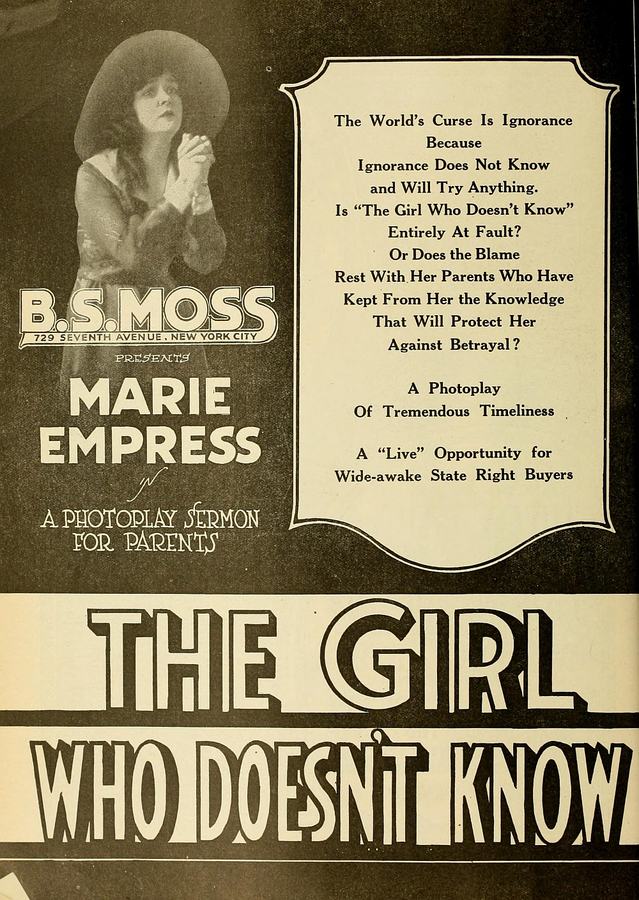
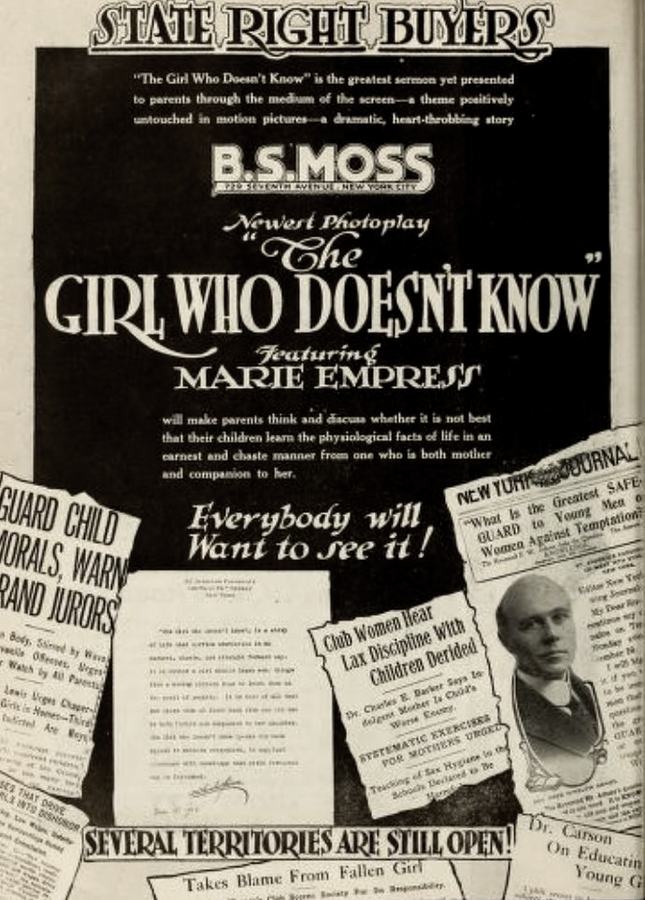
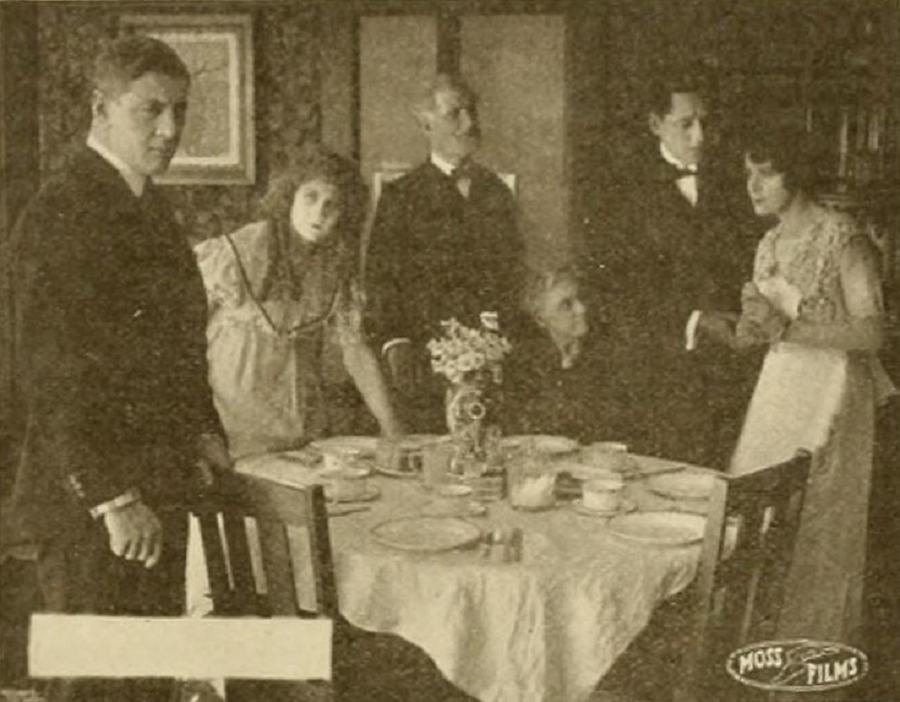
In a liminal New York that feels half-remembered from a fever dream, a nameless arriviste—played by George Theilan with the brittle elegance of a porcelain figurine hurled against brick—drifts through speakeasies, boarding-house corridors, and snow-blurred streets, clutching a telegram that may or may not be addressed to him. The film never confirms whether the girl of the title is Marie Empress’s luminous stenographer, who believes calendars are a capitalist hoax, or Ruth White’s consumptive silhouette, forever vanishing into doorways she never entered. Each frame drips with amnesia: faces smear across trolley-car windows like wet oil, dialogue arrives a beat too late, as though the celluloid itself were trying to recall what love sounded like before the world learned to monetize nostalgia. Henry Stanley’s hatter—equal parts Ibsen ghost and Bowery dandy—claims he can stitch memories into felt, while Robyn Adair’s street magician keeps producing the same wilted daisy from a top-hat that may be bottomless or simply empty. The plot, if such mercenary vocabulary applies, circles a missing hour: the sixty minutes Theilan’s anti-hero cannot account for after a subway blackout, an hour during which a marriage proposal, a murder, or merely a cup of coffee might have occurred. Zada Marlo’s one-scene opera diva sings an aria in a language no one in the audience recognizes, yet every character mouths the words, tears blooming like ink in rainwater. The film’s final reel—an aching, ten-minute close-up on a revolving door whose brass plates reflect faces that do not belong to the actors—refuses to resolve whether forgetting is mercy or curse, leaving the viewer suspended in the vertiginous hush between heartbeat and blackout.
Review Excerpt
"
A decade before Bunuel slashed the eyeball and three before Resnais dissected Marienbad, John E. Lopez slipped this lacquered black pearl into the nickelodeon underbrush. There is no curtain-raiser—only the immediate clatter of elevated trains against a title card inked in ant-crawl copperplate: “He woke up missing the taste of his own name.” From that shard onward, The Girl Who Doesn't Know operates like a telegram sent from a sinking ship: half the message is dissolved, the rest glows with sa..."