DbcultAccessing Vault...
7.6/10
Senior Film Conservator
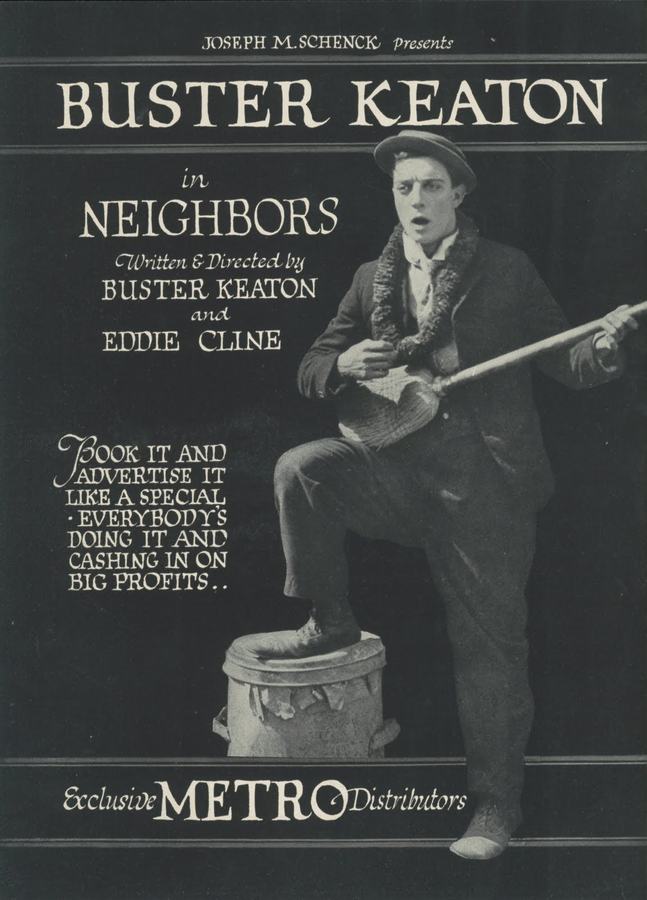
A definitive 7.6/10 rating for a film that redefined the boundaries of cult cinema. Neighbors remains a cornerstone of transgressive art.
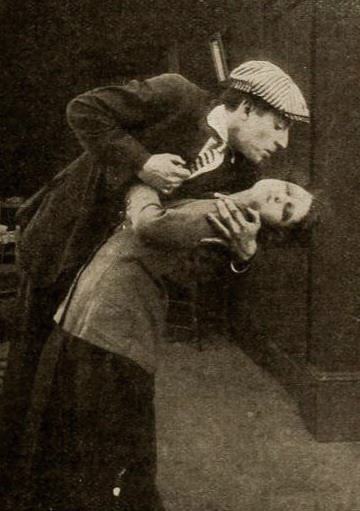
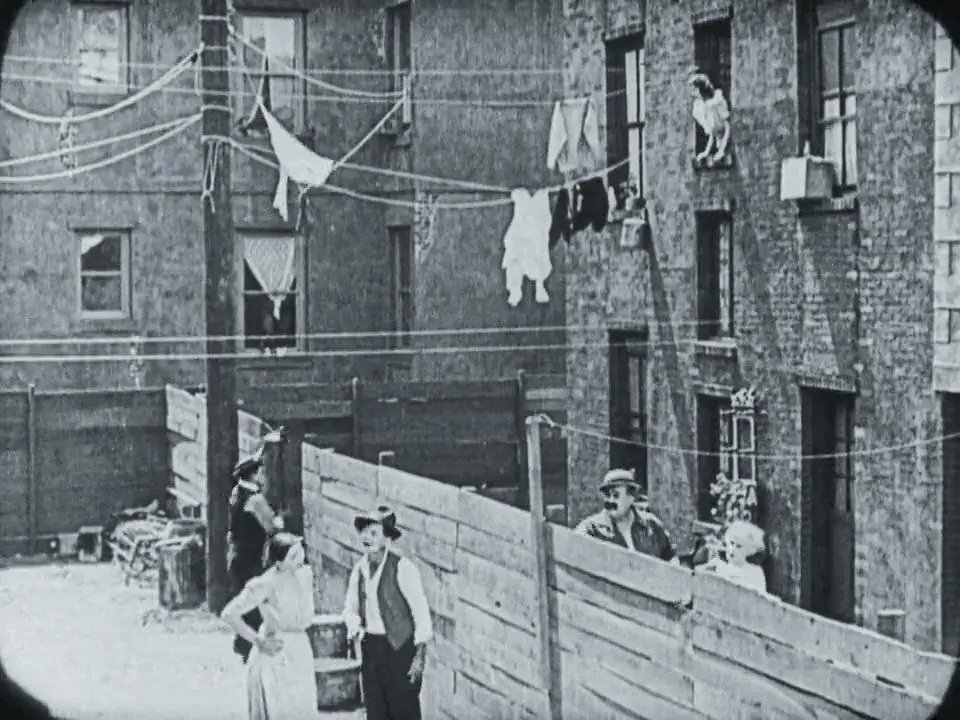
The opening tableau of Neighbors immerses the viewer in a claustrophobic world of brick‑faced façades and flickering gaslight, where the visual texture feels as gritty as the social tensions that simmer beneath. Buster Keaton, both co‑writer and star, inhabits the role of the earnest suitor with his trademark deadpan composure, a stark contrast to the boisterous, almost theatrical, antagonism of the feuding families. The mise‑en‑scene is deliberately sparse, allowing the kinetic energy of the performers to dominate the frame, a choice that underscores the film’s reliance on physical comedy as narrative propulsion.
From the first pratfall—a slip on a freshly mopped floor that sends a bucket of water cascading onto a nosy neighbor—Keaton establishes a rhythm of escalating mishaps that echo the chaotic pulse of urban life. The choreography of these set pieces is reminiscent of the precision found in The Quitter, yet Keaton injects a uniquely sardonic optimism that renders each stumble a step toward intimacy rather than mere slapstick.
Beyond the surface of gags, Neighbors interrogates the architecture of social division. The tenement, a monolith of shared walls and thin ceilings, becomes a metaphor for the invisible barriers erected by lineage and pride. Each door that opens and closes symbolizes a choice: to obey the dictates of heritage or to carve a private corridor of affection. Keaton’s subtle glances toward the camera, a hallmark of his oeuvre, invite the audience to partake in this moral calculus, rendering the film an early exploration of individual agency within communal constraint.
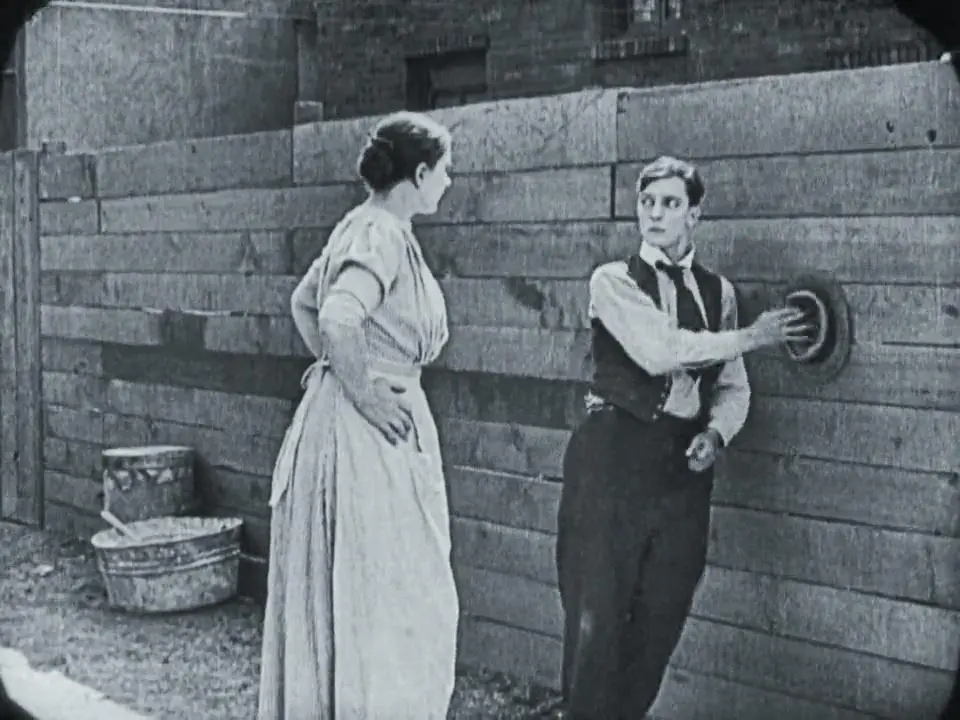
The film’s antagonists—portrayed by Edward F. Cline and Jack Duffy—exhibit a hyperbolic masculinity that borders on caricature, yet their overblown gestures serve a purpose: they amplify the stakes for the protagonists, making each covert meeting feel like a subversive act of rebellion. In this way, the narrative aligns with the thematic undercurrents of The Millionaire Baby, where class and familial expectations clash with youthful desire.
Keaton’s directorial choices exhibit a masterful economy of movement. The camera rarely lingers; instead, it tracks the fluidity of the actors, capturing the kinetic ballet of a chase up a narrow stairwell with a single, unbroken shot. This technique not only heightens suspense but also mirrors the relentless forward momentum of love against opposition. The use of cross‑cutting during the rooftop sequence—alternating between the lovers’ whispered vows and the irate patriarchs scrambling up the fire escape—creates a visual counterpoint that intensifies emotional stakes without a single intertitle.
Lighting, though constrained by the era’s technology, is employed with a painter’s eye. Shadows stretch across the hallway, forming elongated silhouettes that echo the looming presence of familial authority. When the lovers finally meet on the fire escape, the scene is bathed in a soft, amber glow—an intentional nod to the film’s recurring palette of dark orange (#C2410C) that signifies moments of hope amidst turmoil.
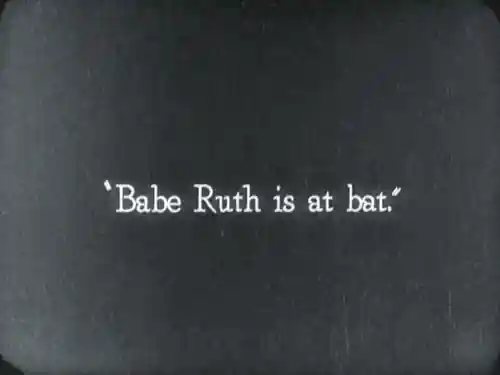
The film’s soundscape, though silent, is orchestrated through meticulous visual cues: the clatter of a falling bucket, the creak of a wooden stair, the hiss of a leaking pipe. These auditory imitations become a percussive score, guiding the audience’s emotional tempo. In this silent symphony, Keaton’s physicality functions as both instrument and conductor, a duality that cements his status as a pioneer of visual storytelling.
When placed alongside contemporaneous works such as Flirting with Fate, Neighbors distinguishes itself through its compact narrative density. While Flirting with Fate luxuriates in a sprawling, episodic structure, Keaton’s film condenses its conflict into a tight, 20‑minute arc that never dilutes its emotional resonance. The brevity forces each gag to serve dual purposes—eliciting laughter while propelling the plot forward.
Moreover, the film’s exploration of class tension anticipates later silent masterpieces like The Battle of Life, where domestic spaces become battlegrounds for ideological clashes. Keaton’s treatment, however, is uniquely infused with a comedic optimism that suggests reconciliation is not merely possible but inevitable.
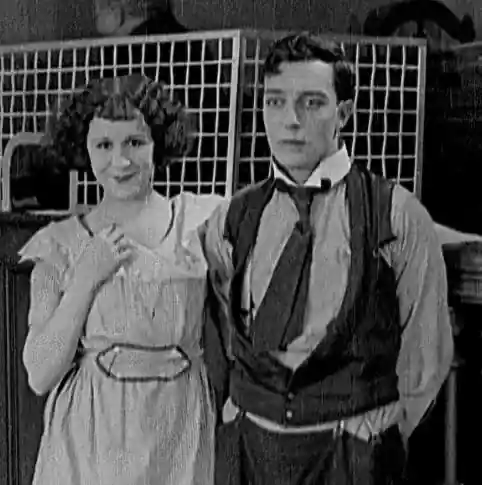
Virginia Fox, cast as the determined love interest, delivers a performance that transcends the era’s typical damsel archetype. Her expressive eyebrows and deft hand gestures convey a spectrum of emotion—from tentative affection to fierce resolve—without the crutch of intertitles. In moments where she darts across the hallway, her movements echo Keaton’s own, establishing a visual dialogue that underscores their partnership.
Supporting actors like Joe Keaton and Joe Roberts provide the necessary antagonistic weight, yet they also exhibit a surprising vulnerability in fleeting close‑ups, hinting at the generational fatigue that fuels their opposition. This layered characterization enriches the film’s social commentary, suggesting that the feuds are as much about personal insecurity as about tradition.
The film’s pacing is a study in controlled escalation. The opening scenes establish the domestic setting with deliberate slowness, allowing audiences to absorb the oppressive atmosphere. As the lovers’ clandestine meetings increase in frequency, the tempo quickens, mirrored by a corresponding rise in physical hazards—slipping on oil, dodging a swinging laundry line, and finally, the perilous ascent of the fire escape. Each escalation feels earned, a testament to Keaton’s narrative discipline.
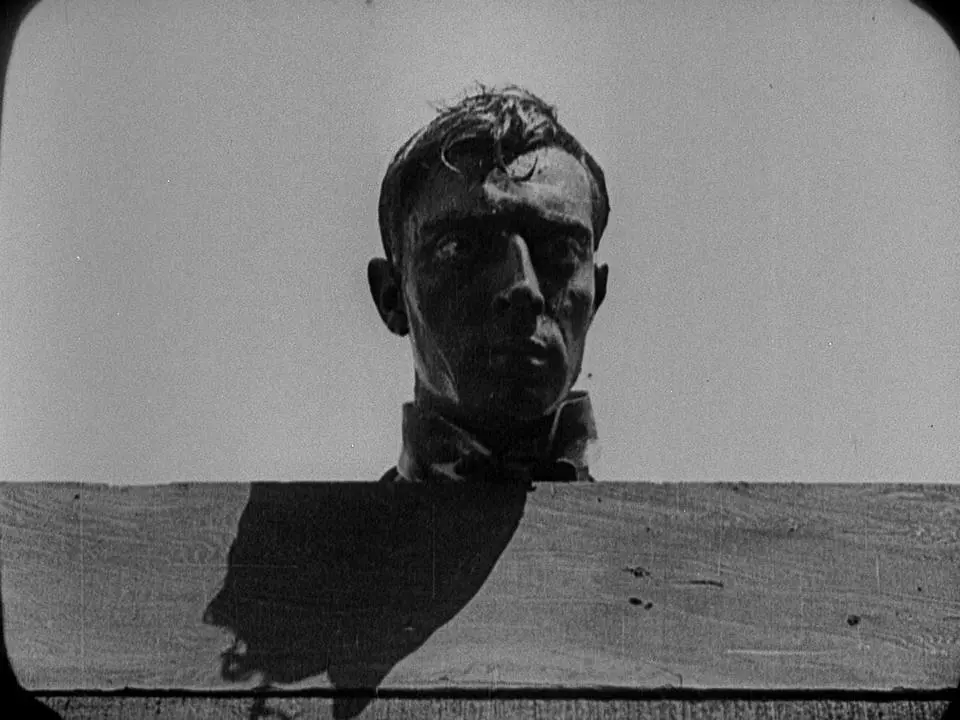
The climax, set against the backdrop of a storm‑riven night, employs the visual motif of rain to symbolize both cleansing and danger. The lovers, drenched yet undeterred, cling to the fire escape’s iron bars while the patriarchs scramble below, their silhouettes distorted by the downpour. This tableau, rendered in stark chiaroscuro, captures the film’s emotional apex without resorting to melodramatic intertitles.
Although Neighbors is often eclipsed by Keaton’s later feature‑length epics, its influence reverberates through the silent comedy canon. The film’s integration of romantic narrative within a slapstick framework paved the way for later works such as Eternal Love, where affection and farce intertwine seamlessly. Moreover, the film’s daring use of a tenement setting prefigures the urban realism that would dominate 1920s cinema, making it a precursor to the social dramas of the era.
Scholars frequently cite Neighbors as an early exemplar of the “comedy of resistance” genre, wherein humor becomes a vehicle for subverting entrenched power structures. This reading aligns with contemporary critical discourse on class and gender dynamics, reinforcing the film’s relevance to modern audiences.
Technical Craftsmanship
The film’s set design, while modest, showcases a meticulous attention to spatial continuity. The narrow hallway, the creaking staircase, and the precarious fire escape are all constructed to facilitate seamless physical comedy, allowing Keaton to execute his signature stunts with precision. The use of practical effects—such as a rigged bucket that erupts at the perfect moment—demonstrates an inventive approach to low‑budget filmmaking.
Cinematographer Elgin Lessley, a frequent collaborator of Keaton, employs a static camera for most interior shots, thereby emphasizing the actors’ movements within the frame. When motion is required, a dolly is subtly introduced, tracking the characters as they sprint across the courtyard, creating a dynamic sense of urgency without breaking the visual cohesion.
Legacy and Preservation
Preserved in several film archives, Neighbors benefits from recent restoration efforts that have revitalized its original contrast levels, allowing contemporary viewers to appreciate the nuanced interplay of light and shadow. The restored version highlights the film’s color motifs—dark orange for moments of hope, yellow for comedic beats, and sea blue for scenes of tension—each hue subtly woven into the set pieces and costumes, despite the film’s black‑and‑white medium.
Modern filmmakers continue to reference Keaton’s choreography in this short. The rooftop chase, for instance, is echoed in the climactic sequence of The Claim, where the protagonists navigate precarious heights to escape oppression. Such homages attest to the enduring relevance of Keaton’s visual language.
In its compact runtime, Neighbors accomplishes what many feature‑length films struggle to achieve: it fuses uproarious physical comedy with a heartfelt exploration of love’s capacity to transcend familial strife. Keaton’s deft direction, combined with a meticulously crafted visual palette and a cast that imbues each gag with emotional weight, renders the film a timeless study in the power of silent storytelling. For enthusiasts of early cinema, romantic comedy, or simply the art of the perfect pratfall, this short stands as a testament to the ingenuity of an era where imagination, not technology, defined the limits of the screen.
IMDb 4.6
1934
Community
Log in to comment.