DbcultAccessing Vault...
Cult Review
Senior Film Conservator
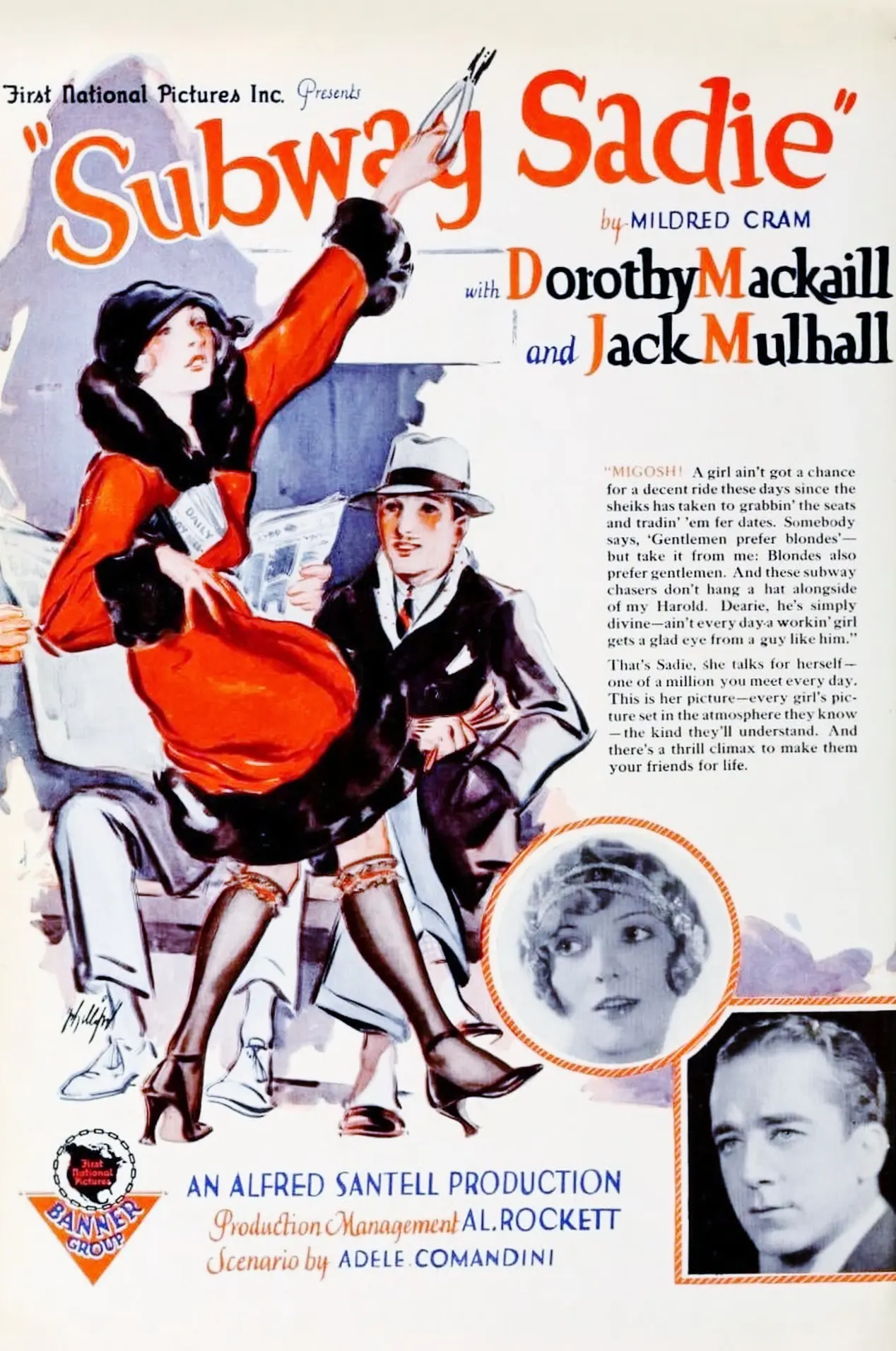
Is Subway Sadie worth your time in the modern era? Short answer: yes, but primarily as a fascinating sociological artifact rather than a gripping thriller. If you are a fan of 1920s urban aesthetics and the 'New Woman' tropes of silent cinema, this is essential viewing. However, if you struggle with the slower pacing of non-synchronized storytelling or the predictable gender roles of the early 20th century, you might find Sadie’s dilemma more frustrating than romantic.
This film works because of its grounded, almost documentary-like portrayal of the New York City commute, which feels surprisingly contemporary. It fails because it ultimately flinches at its own potential for female autonomy, choosing a safe resolution over a provocative one. You should watch it if you enjoyed the lighthearted social friction of Sally of the Sawdust or the energetic pacing of Hands Up!.
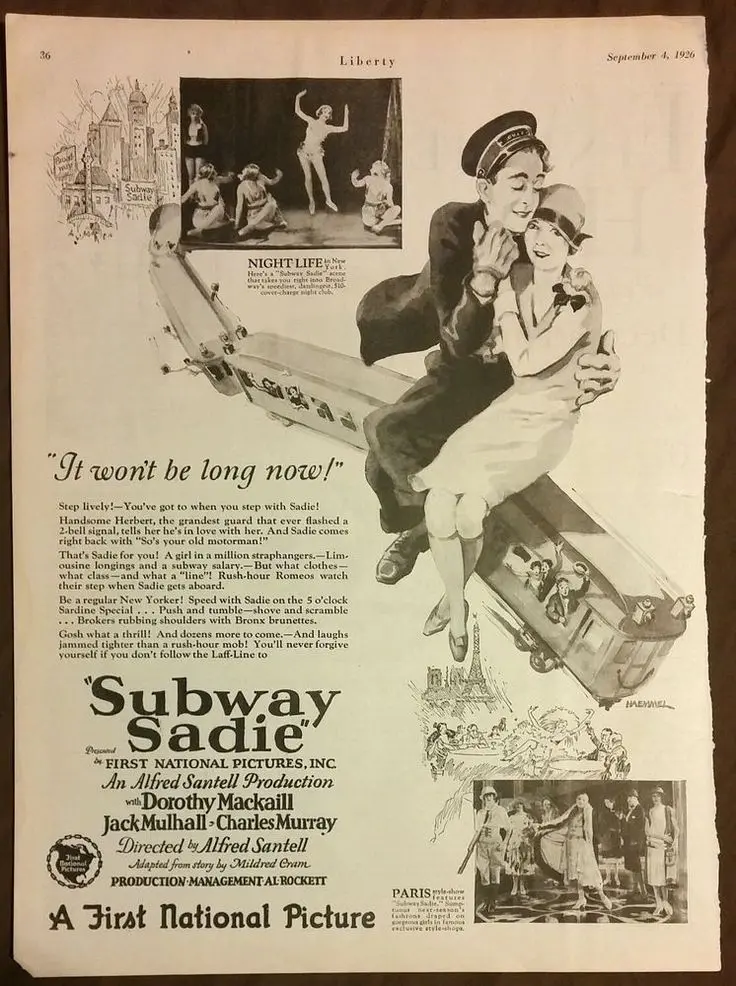
Director Alfred Santell manages to do something quite remarkable in the opening act of Subway Sadie: he makes the audience feel the heat. The 'subway crush' isn't just a plot point; it's a visceral experience. We see Sadie, played with a weary charm by Dorothy Mackaill, navigating a sea of overcoats and bowler hats. The cinematography here is tight, almost invasive. It captures the specific exhaustion of the working class that many films of this era glossed over in favor of high-society glitz.
The subway itself acts as a character. It is the monster Sadie must slay every morning. When she meets Herb, the irony is palpable. She falls for the man who keeps the gates of her prison. This isn't just a 'meet-cute'; it’s a collision of social strata. Herb is the blue-collar stability, while Sadie’s job at the fur store represents the luxury she can see but never touch. The film excels when it focuses on this friction. It works. But it’s flawed.
Dorothy Mackaill was often pigeonholed as a flapper, but in Subway Sadie, she provides a nuanced performance that transcends the 'party girl' archetype. Her facial expressions during the scene where her boss offers her the Paris trip are a masterclass in silent acting. You can see the gears turning—the calculation of what Paris means for her status versus what marriage means for her soul. It’s a quiet moment in a film that often relies on the broad physical comedy of supporting actors like Charles Murray.
Compare her performance here to the more theatrical style seen in The Flames of Johannis. Mackaill feels modern. She has a naturalism that suggests she belongs in the sound era that was just around the corner. Jack Mulhall, as Herb, provides a sturdy foil, though he lacks the same magnetic depth. He is the 'everyman,' and while he plays it well, he often feels like a secondary concern to Sadie’s internal struggle.
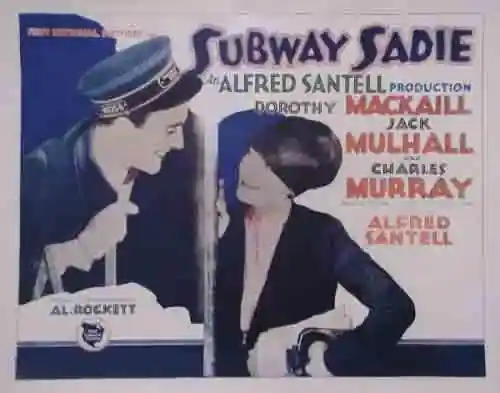
Yes, Subway Sadie is worth watching for its historical value and its surprisingly sharp depiction of urban burnout. It offers a rare glimpse into the daily lives of working women in 1926 New York. While the ending may feel dated to modern sensibilities, the journey there is filled with genuine wit and impressive location-style art direction.
The second half of the film pivots into a more traditional melodrama. The conflict—Paris or marriage—is presented as a binary choice. In 1926, it likely was. Today, we want Sadie to take the boat to France and keep the guy, but the narrative constraints of the time won't allow it. The tension is built well, specifically in the scene where Sadie tries on the furs she is supposed to take to Paris. She looks at herself in the mirror, and for a moment, the film stops being a rom-com and becomes a character study about identity.
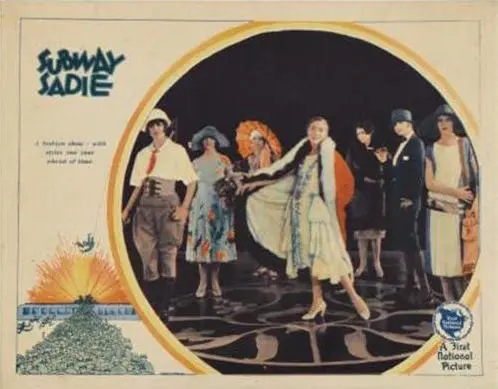
This is where the writing of Adele Comandini and Paul Schofield shines. They don't make the choice easy. Herb isn't a villain for wanting to marry her, and the boss isn't a villain for wanting her to work. The villain is the societal structure that demands she choose one. It’s a theme that resonates even now, albeit in different forms. Unlike the more fantastical elements of Rip Van Winkle, this film is firmly rooted in the 'now' of its time.
The pacing of Subway Sadie is one of its strongest suits. At a time when many films were beginning to bloat, Santell keeps the runtime lean. The transitions between the chaotic subway scenes and the hushed, elegant fur shop are handled with a rhythmic precision. The editing emphasizes the duality of Sadie's life. One moment she is being shoved by a stranger; the next, she is draping a thousand-dollar mink over a mannequin.
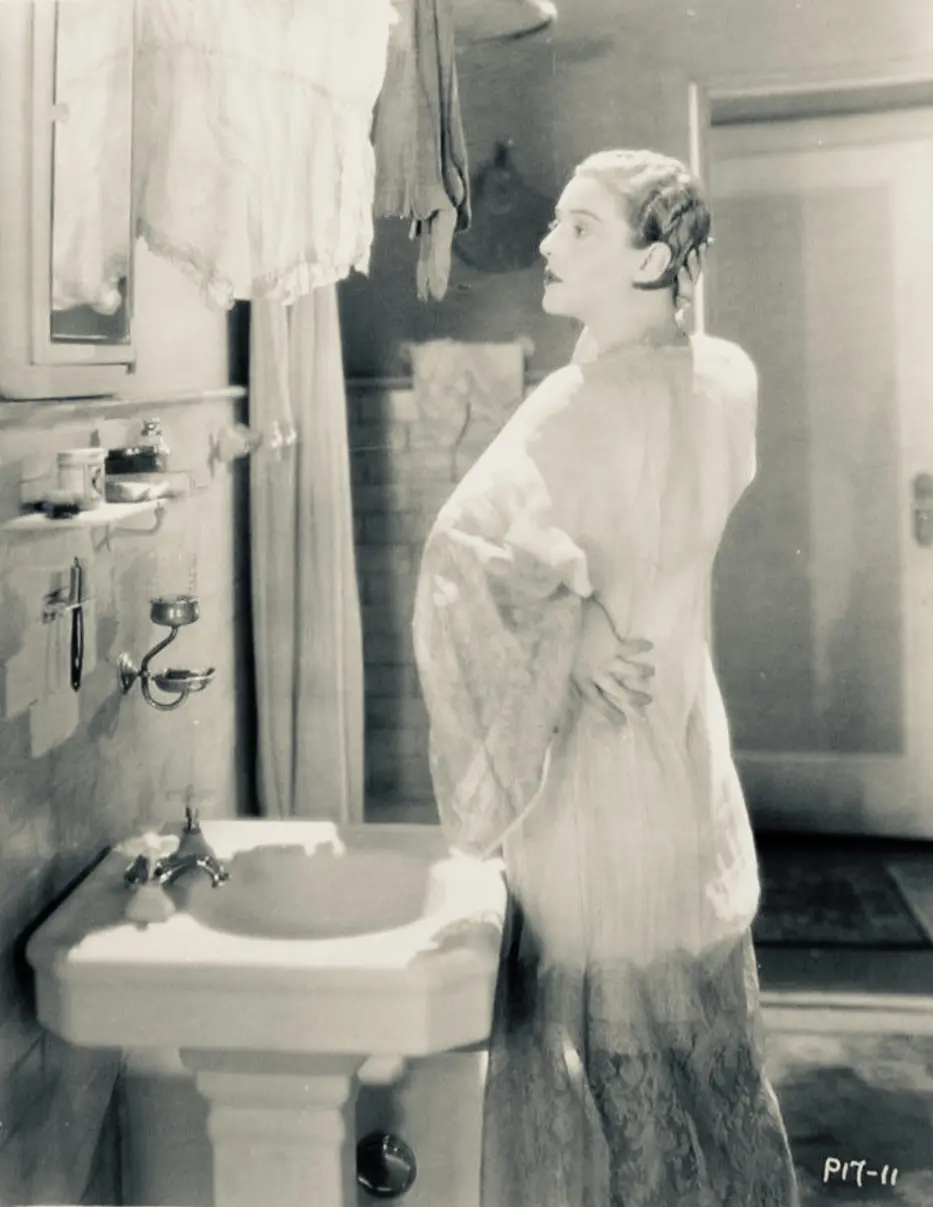
The cinematography by Arthur Edeson (who would later go on to lens Casablanca) is surprisingly sophisticated. He uses shadows in the subway tunnels to create a sense of foreboding that contrasts sharply with the high-key lighting of the fashion world. It’s a visual shorthand for Sadie’s internal state. Even in a silent medium, the 'sound' of the city is felt through the frantic visual cuts. It’s a far cry from the more static presentation found in Lille Dorrit.
The film features an incredibly charismatic lead performance by Dorothy Mackaill. The location work and sets for the New York subway are impeccably designed. It handles the 'working girl' trope with more dignity than many of its contemporaries, like Doorsteps. The comedic timing of the supporting cast provides a necessary lightness to the heavy central dilemma.
The resolution feels like a missed opportunity for a more progressive statement. Jack Mulhall’s character is somewhat one-dimensional compared to Sadie. Some of the physical comedy beats feel slightly disconnected from the more serious emotional core of the film. It lacks the experimental edge found in international films of the same year, such as Nelly Raintseva.
Subway Sadie is a minor gem that deserves more recognition in the pantheon of 1920s American cinema. It isn't a sweeping epic, but it doesn't try to be. Instead, it’s a localized, highly relatable story about the cost of dreams and the weight of the daily grind. While it may not have the philosophical depth of Where Are My Children?, it possesses a charm and a groundedness that makes it incredibly watchable today.
The film ultimately settles for a safe harbor, but the storm Sadie weathers to get there is beautifully captured. It is a testament to Dorothy Mackaill’s talent and Alfred Santell’s direction that a story about a subway guard and a shop girl can still feel relevant nearly a century later. Sadie is all of us, staring at the alarm clock, dreaming of Paris, but stuck on the 5:15 train. It’s simple. It’s human. It works.
IMDb 6.5
1934
Community
Log in to comment.