DbcultAccessing Vault...
5/10
Senior Film Conservator
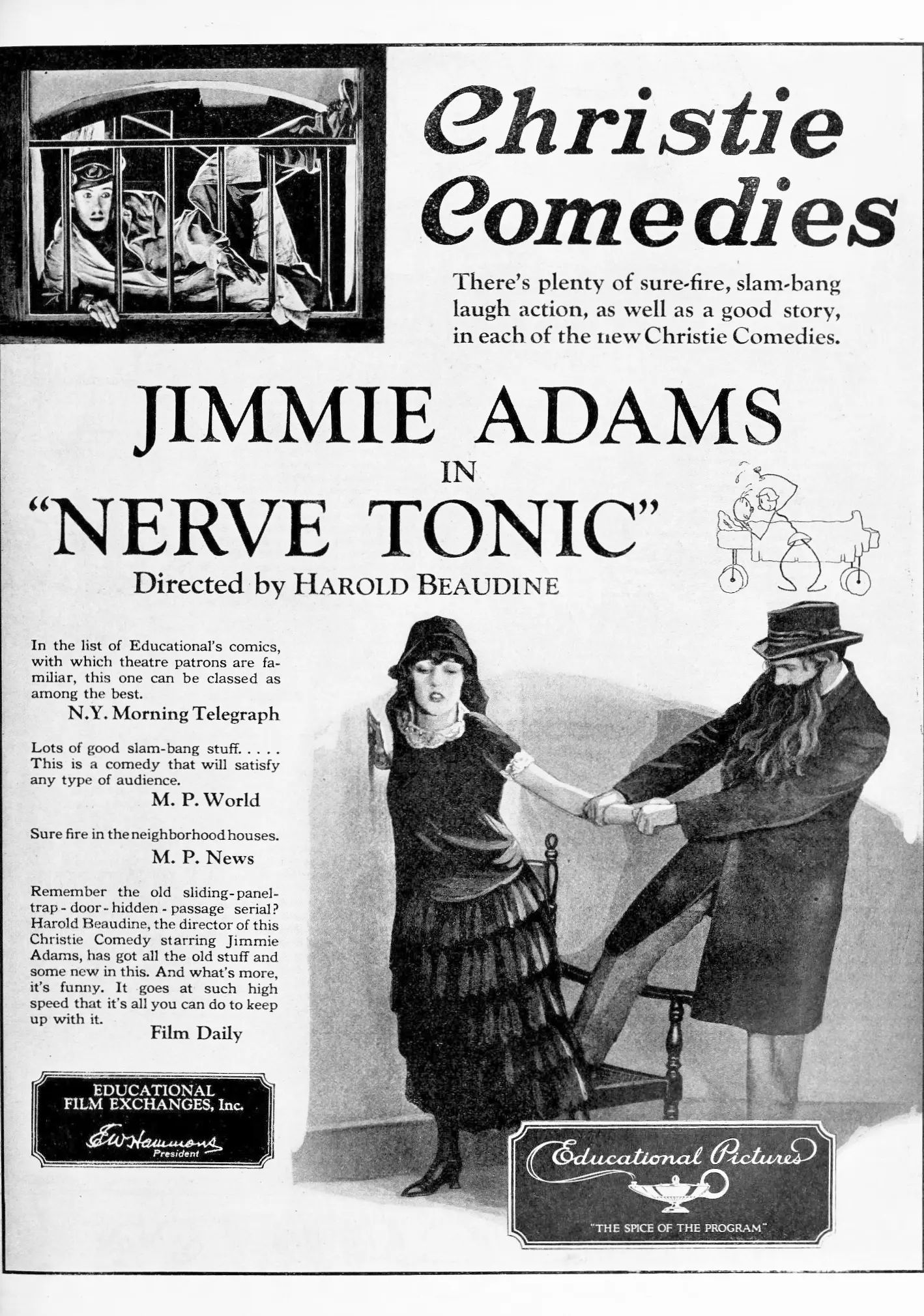
A definitive 5/10 rating for a film that redefined the boundaries of cult cinema. Nerve Tonic remains a cornerstone of transgressive art.
Jimmy Adams, a man on the brink of a nervous breakdown, finds himself under the watchful eye of Dr. Burton, a stern and authoritative physician. Dr. Burton's condition is not merely physical but also emotional, as he harbors a deep-seated interest in Dr. Burton's daughter. However, the doctor's strict regimen, including a mandate for absolute rest, threatens Jimmie's newfound independence and happiness.
Finding himself in a dilemma, Jimmie decides to take matters into his own hands. He transforms his bedroom into a makeshift stock exchange, creating a game where the outcome is uncertain and the risks are high. This game, however, is not just a simple diversion but a complex psychological experiment, where every move is a calculated risk and every decision a step towards either freedom or captivity.
The cast, led by Jimmie Adams, brings depth and nuance to the character, portraying a man torn between his physical and mental well-being. Jay Belasco and Marie Astaire add layers of complexity to the narrative, each character playing a pivotal role in the unfolding drama. The chemistry between the actors is palpable, making the audience invested in the outcome of their interactions.
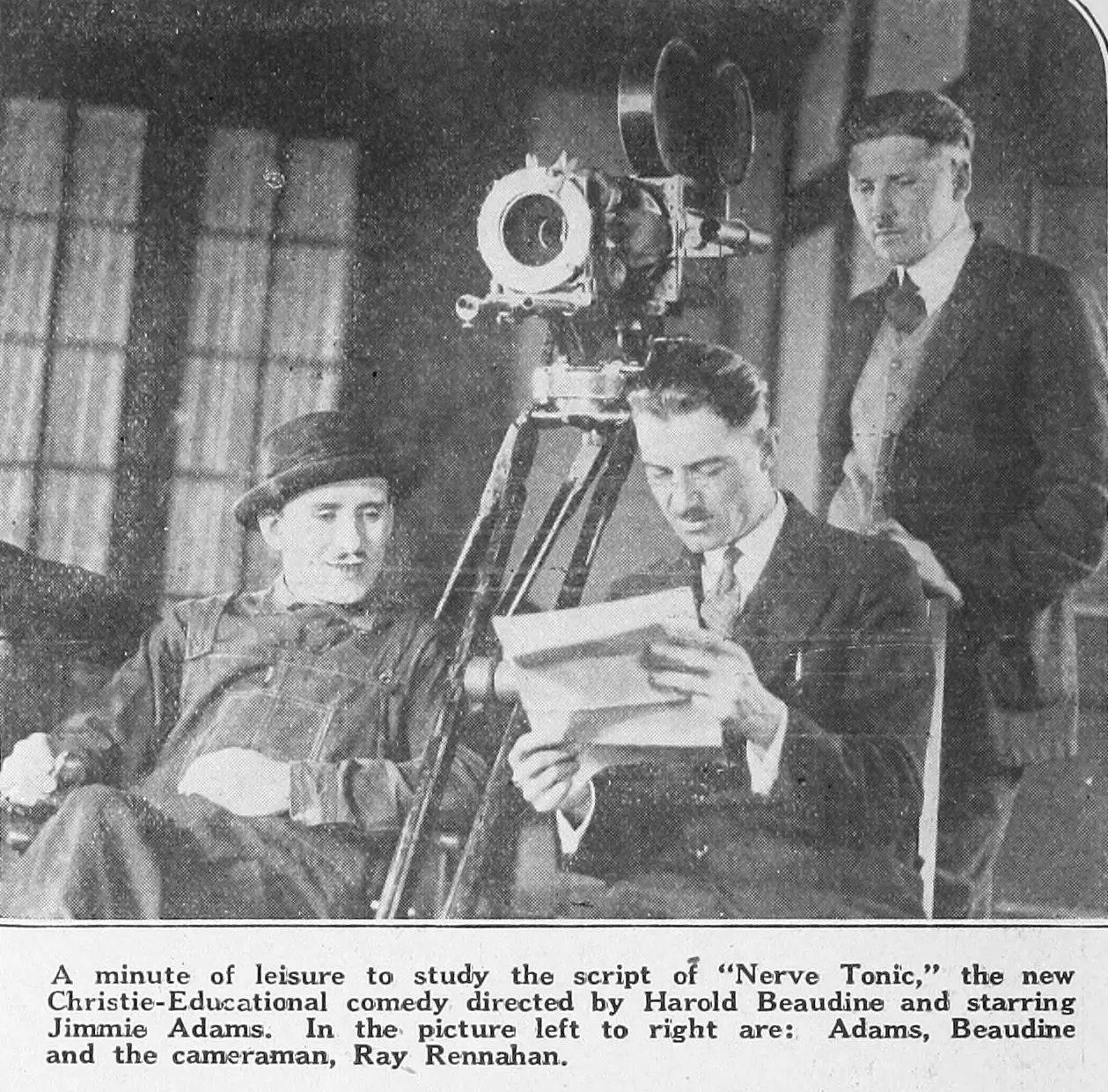
Walter Graham's screenplay is a masterful blend of psychological thriller and social commentary. The film's setting, a Victorian-era bedroom, serves as a microcosm of the larger societal issues of the time. The bedroom, with its meticulously arranged furniture and the faint scent of old books, becomes a stage where the true nature of human desires and fears are revealed.
One cannot help but draw parallels between 'Nerve Tonic' and other films of the era, such as 'His Wife Jimmy', which explores similar themes of obsession and control. However, 'Nerve Tonic' stands out with its unique narrative structure and the psychological depth of its characters. The film's pacing is impeccable, with moments of intense tension balanced by quieter, more reflective scenes.
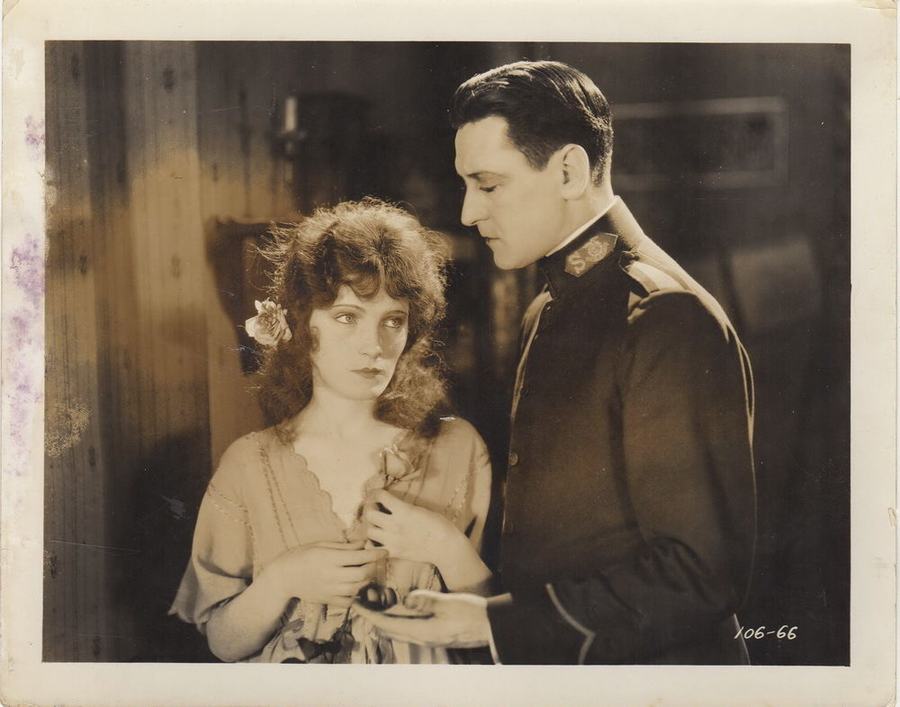
The visual aesthetics of 'Nerve Tonic' are equally impressive. The use of lighting, particularly the way it plays on the walls and the mood of the room, adds a layer of visual storytelling that enhances the psychological tension. The cinematography is reminiscent of early film noir, with dark corners and shadows that hint at the deeper emotional landscape.
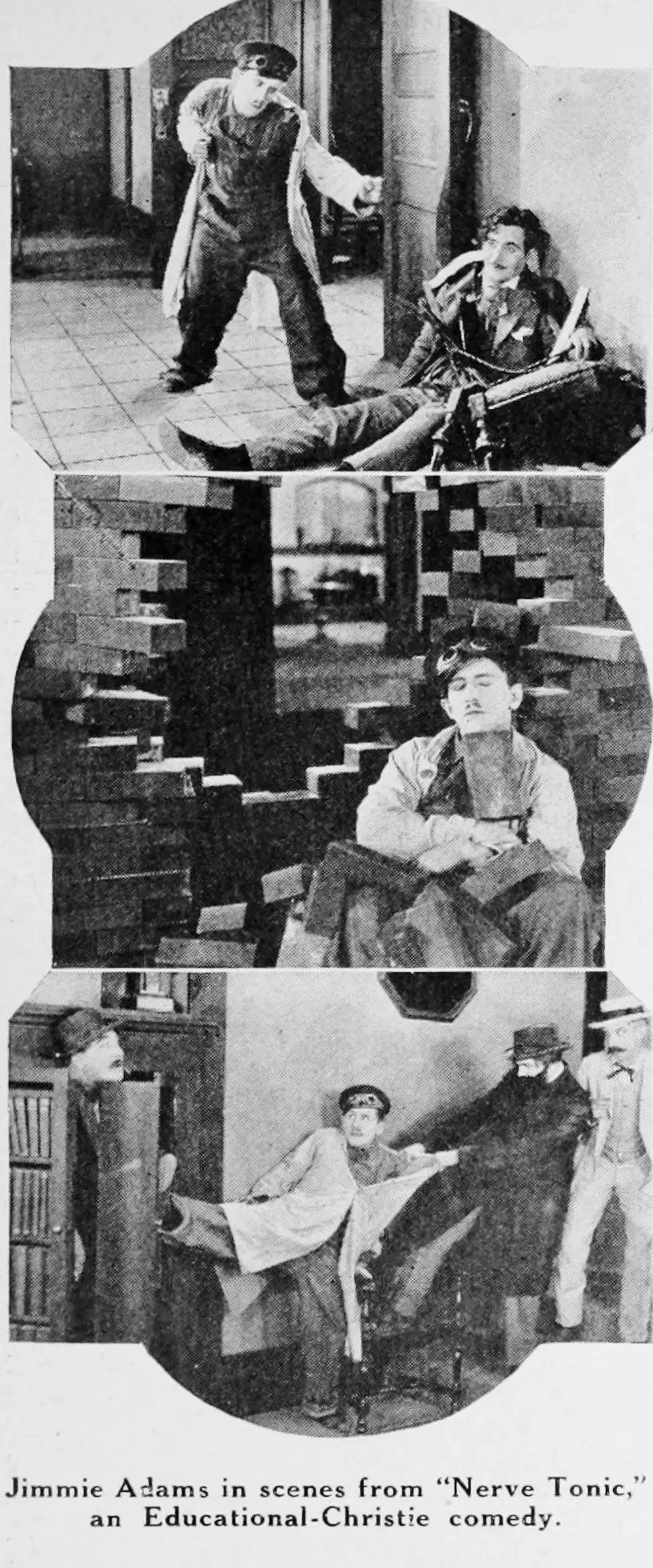
Music, too, plays a crucial role in the film. The score is hauntingly beautiful, with a blend of classical and modern elements that underscore the emotional turmoil of the characters. The use of silence at key moments is particularly effective, allowing the audience to fill in the gaps with their own interpretations.
The performances are uniformly strong, with each actor bringing a unique perspective to their role. Jimmie Adams, in particular, delivers a nuanced performance that captures the complexity of his character. The supporting cast, including Jay Belasco and Marie Astaire, provide excellent support, each bringing their own strengths to the table.
Directorial choices are noteworthy, with a focus on intimate close-ups that emphasize the psychological state of the characters. The use of mirrors and reflections is particularly effective, creating a sense of duality and reflecting the inner turmoil of the characters.
While 'Nerve Tonic' may not be a household name, it is a film that deserves a place in the annals of early cinema. Its exploration of mental health, the human condition, and the struggle for autonomy is both timely and timeless. It is a film that challenges the audience, making them question their own perceptions and the nature of reality.
Overall, 'Nerve Tonic' is a standout film that combines psychological depth with technical brilliance. It is a must-watch for anyone interested in the intersection of film and human psychology. It is a film that will linger in the mind long after the credits roll, leaving a lasting impression on the viewer.
IMDb —
1921
Community
Log in to comment.