DbcultAccessing Vault...
Cult Review
Senior Film Conservator
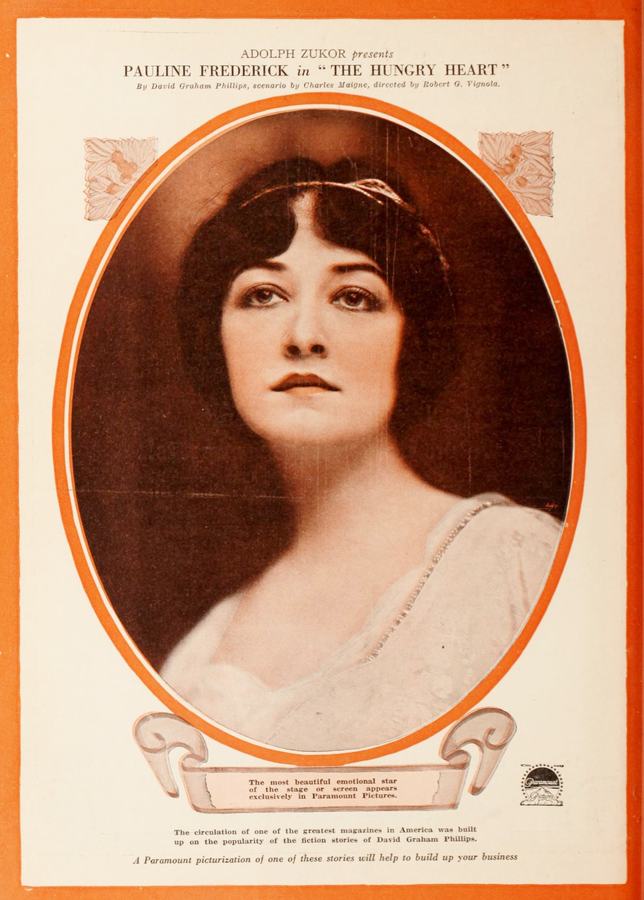
Charles Maigne’s The Hungry Heart is less a film than a tincture: one part matrimonial claustrophobia, two parts laboratory adrenaline, distilled through the flickering prism of 1921 celluloid. Viewed today, its plot synopsis reads like a Victorian fever dream—yet within those intertitles lurks a surprisingly modern anatomy of emotional starvation and performative masculinity.
From the first iris-in, cinematographer Hal Young treats light as a reagent. Hallways are steeped in umber gloom, while the laboratory blazes with magnesium whiteness—an unsubtle but effective chiaroscuro that externalizes Courtney’s bipolar domesticity. Note the repeated motif of mirrors: not the narcissistic panes of The Mirror, but tarnished hand-glasses that fracture faces into cubist shards. Every reflection warns that identity here is reactive, unstable.
From a technical vantage, the camera rarely moves; instead, tension accrues through layered planes. In the pivotal alarm sequence, foreground flasks brim with cobalt liquid; mid-ground Courtney clutches her kimono like a life-raft; background doorway frames Nanny’s silhouette—three strata of panic in a single static frame. The effect anticipates the deep-focus experiments that won Citizen Kane accolades twenty years later.
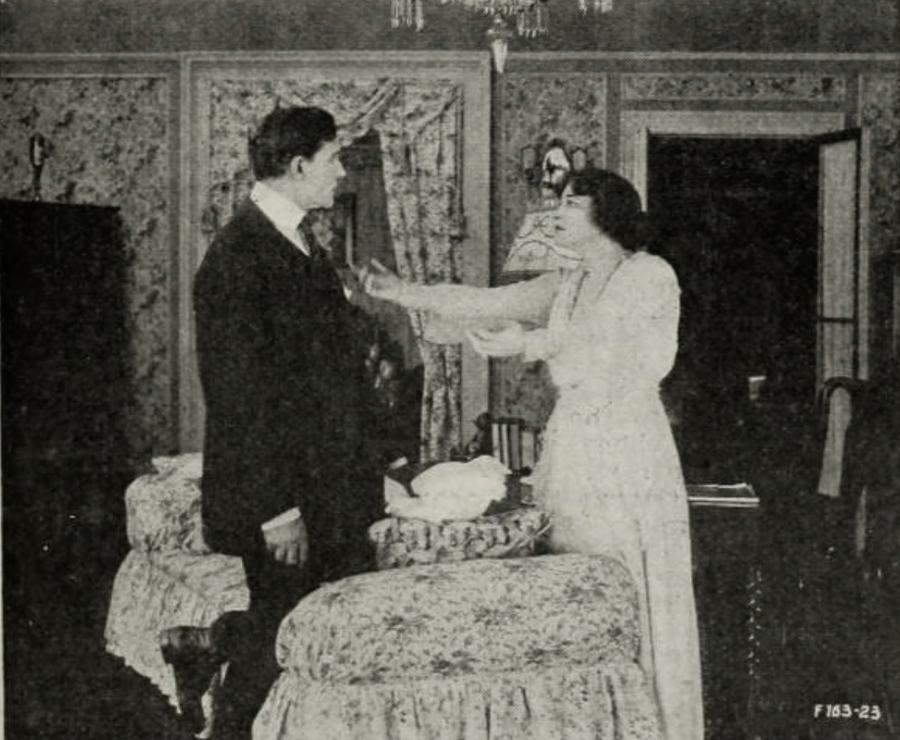
Pauline Frederick’s Courtney oscillates between porcelain fragility and feral need. Contemporary critics dismissed her wide-eyed martyrdom as “the perpetual hand-wringer,” yet closer inspection reveals micro-gestures: the twitch of a nostril when Richard extols the neutrality of molecules, the way her fingers drum a waltz against crinoline while Basil expounds on valency. These tics suggest intelligence caged by corsetry.
Opposite her, Robert Cain’s Basil radiates the louche magnetism of a man who has blown up too many beakers to fear mere scandal. Cain understands that seduction in 1921 is mostly ocular; his gaze lingers on Courtney like a test-subject under Bunsen light—clinical until the moment it combusts.
As for Howard Hall’s Richard, he embodies the era’s contradictory ideals: rationalist savant and feudal patriarch. Watch how his shoulders droop once Nanny’s testimony detonates. The collapse is not of marriage but of worldview—his empirical kingdom usurped by an elder’s oral lore.
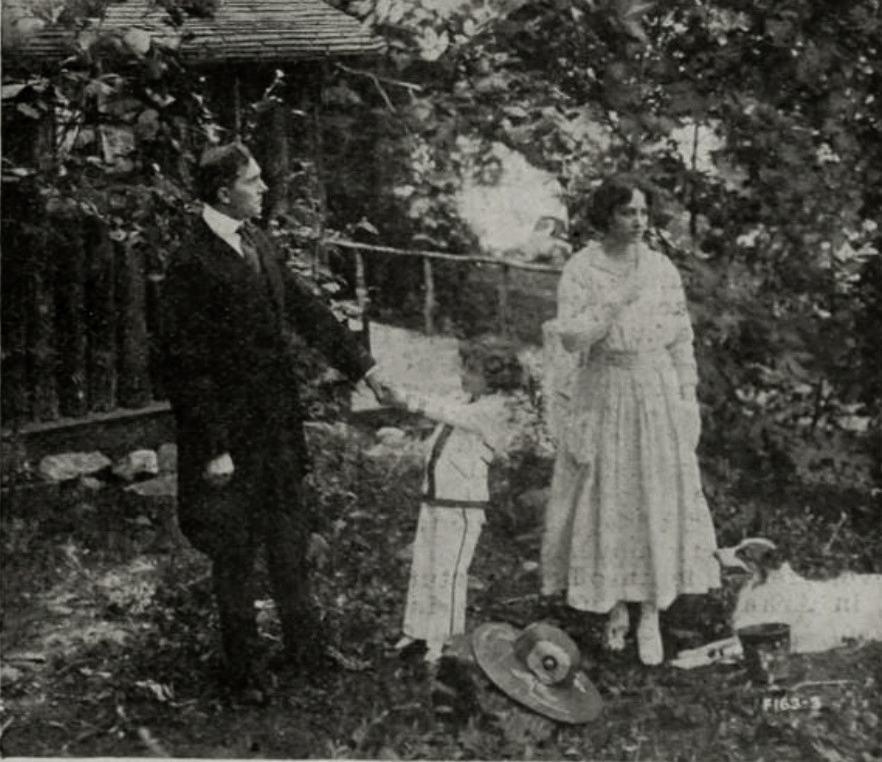
Novelist David Graham Phillips was known for muckraking exposes on political graft; adaptor Charles Maigne specialized in society melodramas. Their collaboration yields a hybrid beast: social critique swaddled in Gothic lace. The dialogue intertitles bristle with chemical metaphors—“Our hearts, once fused, now precipitate”—but also whisper proto-feminist grievance: Courtney’s lament that she was “taught the alphabet of compliance, never the grammar of desire.”
Compare this to the sun-dappled nostalgia of Rebecca of Sunnybrook Farm or the slapstick gender reversals of The Lady Outlaw. Where those films sugar-coat patriarchy, The Hungry Heart lets it fester until the odor seeps through the nitrate.
Nanny, essayed with puritanical severity by Helen Lindroth, operates as the house’s superego. She polices wombs the way Richard polices elements. Yet the film complicates her villainy: flashback intertitles reveal she suckled Richard after his mother died in a failed lab experiment—Nanny’s milk literally nourished the toxic dynasty. Her vengeance against Courtney is therefore Oedipal restitution, a bid to reclaim the son’s moral nucleus.
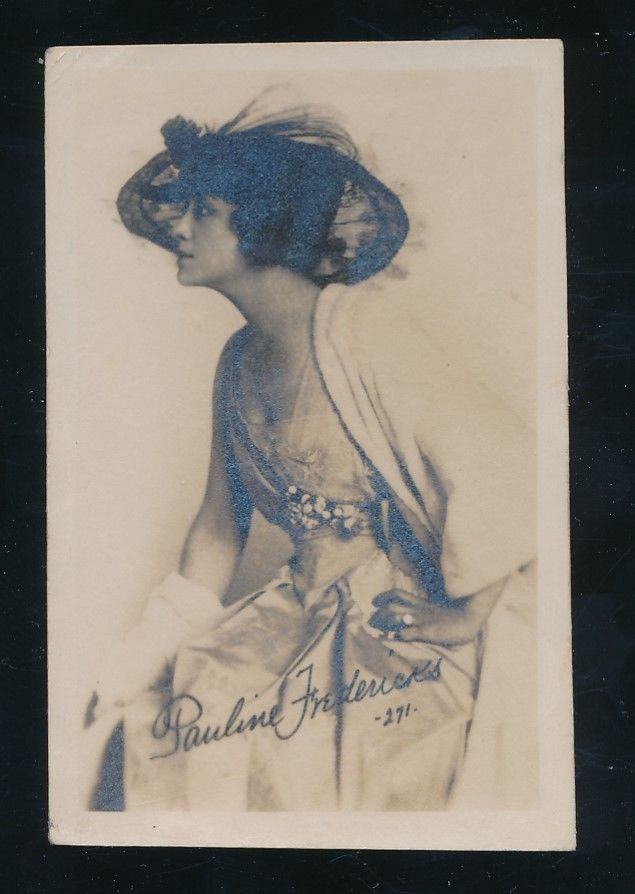
The movie’s most radical gesture is denying Courtney either total absolution or irredeemable shame. She desires, she errs, she survives. That refusal to immolate the adulteress sets The Hungry Heart apart from contemporaneous cautionary tales like Her Husband’s Wife or the penny-dreadful comeuppance of The Spitfire.
Though originally accompanied by a compiled score of Scriabin and popular waltzes, most surviving prints feature a 1972 piano reduction heavy on diminished chords. Listen for the tritone motif that surfaces whenever Courtney approaches the lab: an auditory premonition of moral dissonance. The burglar alarm itself—rendered via crashing clusters in the upper register—functions as a modernist intrusion, an orchestral panic button.
Trade papers in 1921 praised the film’s “scientific milieu” but dismissed its sexual politics as “morbid.” A Variety capsule sniffed that Frederick “over-acts the ennui of the boudoir.” Modern retrospectives have been kinder. The 2018 Pordenone Silent Festival positioned it as a bridge between Don Quixote’s tragic idealism and King Charles’ regal psychodrama—a triangle of obsession, monarchy, and self-annihilation.
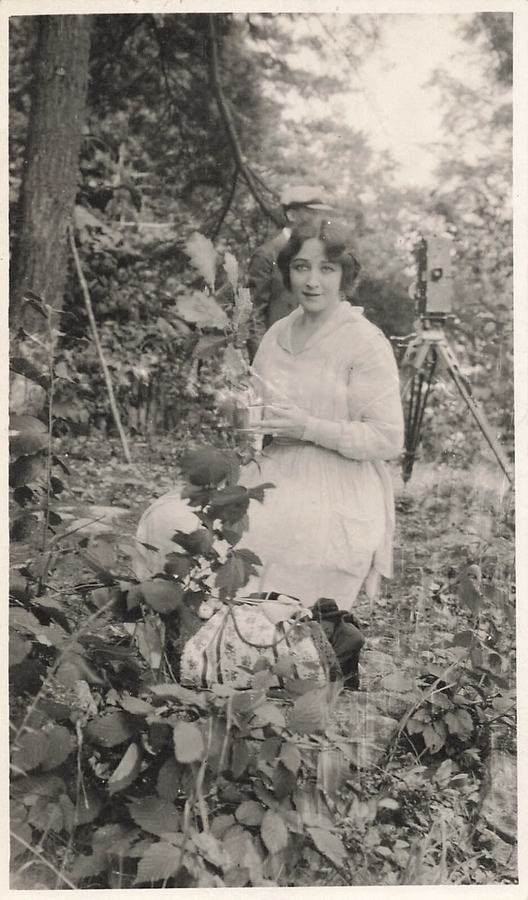
While never canonized alongside The Son of His Father, the picture prefigures several tropes: the toxic alchemist resurfaces in Frankenstein (1931), the gaslight manor haunts Gaslight (1944), and the adulterous-but-unsinkable heroine echoes in The Letter (1940). Even Hitchcock’s preference for objets trouvés—the explosive vial, the wedding ring circling a drain—owes a debt to this early experiment in domestic suspense.
Is The Hungry Heart flawless? Hardly. Pacing lags in the second act, and the reconciliation feels rushed—perhaps a concession to exhibitors who demanded uplift. Yet its alloy of scientific hubris, erotic restlessness, and proto-feminist sympathy renders it compulsively watchable. Like a vial of vintage ether, the film may crack under scrutiny, but uncork it and the fumes still dizzy.
Rating: 8.5 / 10 — A neglected crucible where Gothic dread meets laboratory veritas.
IMDb —
1920
Community
Log in to comment.