DbcultAccessing Vault...
Cult Review
Senior Film Conservator
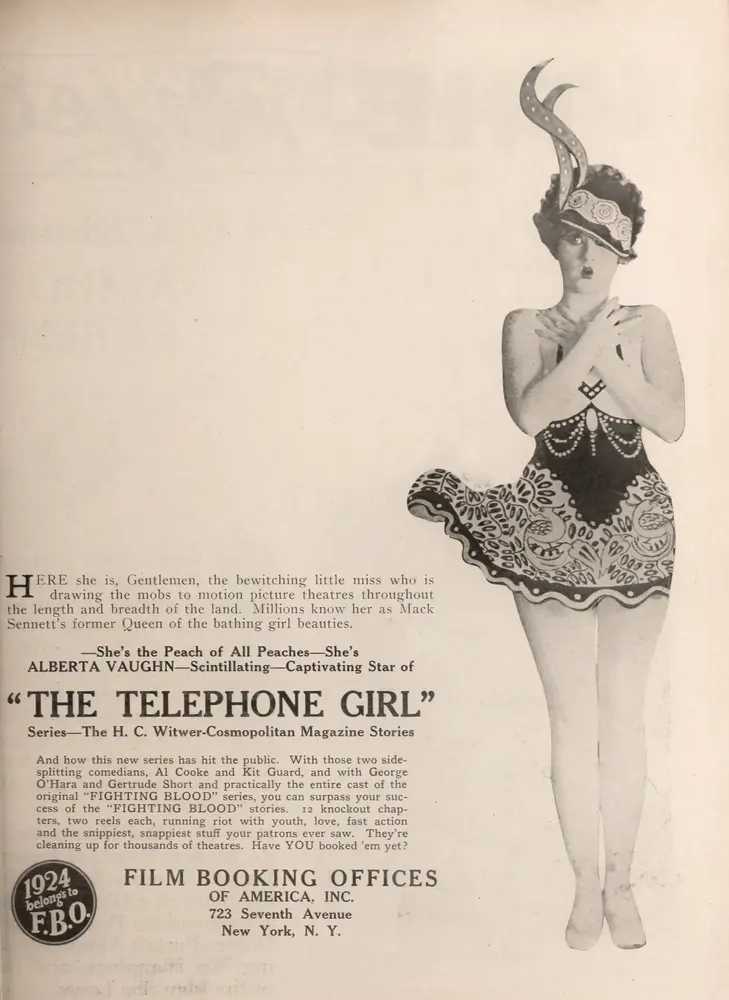
Stepping into the effervescent world of Never Say Never is akin to unearthing a forgotten treasure, a cinematic gem that, despite its age, retains an undeniable sparkle. This film, a delightful concoction of romance, comedy, and the quintessential underdog narrative, offers a fascinating glimpse into the entertainment sensibilities of its era. Directed with a nimble hand and infused with the distinctive wit of writer H.C. Witwer, it paints a vibrant picture of youthful ambition and the often-hilarious lengths one will go to for love and honor. The narrative, centered on the endearing figure of Jimmy O'Malley, portrayed with an infectious zeal by Al Cooke, immediately draws the audience into its charming embrace. Cooke, a master of physical comedy and expressive mime, imbues Jimmy with a blend of naive optimism and surprising resilience, making him an instantly relatable protagonist.
The film's plot, while seemingly straightforward, is executed with a series of escalating comedic set pieces that keep the pace brisk and the audience thoroughly engaged. Jimmy's audacious boast, born from a desire to impress the captivating Lucille Vance (Alberta Vaughn), sets in motion a chain of events that are both ludicrous and heartwarming. Vaughn, with her radiant screen presence, perfectly complements Cooke's antics, embodying the sophisticated yet ultimately compassionate object of his affection. Their chemistry, a delicate dance of flirtation and mutual admiration, forms the emotional core of the picture, grounding its more exaggerated comedic elements in a believable romantic tension. It's a testament to the performers' skill that, even without spoken dialogue, their emotional journey feels authentic and compelling.
The antagonist, 'Slammin' Sammy,' brought to life with a menacing yet ultimately caricatured intensity by Kit Guard, serves as the perfect foil to Jimmy's everyman charm. Guard's portrayal is a masterclass in silent film villainy, relying on exaggerated gestures and a palpable sense of brute force to convey his character's formidable presence. The dynamic between Jimmy and Sammy is not merely one of physical opposition but also a clash of ideals: the honest, if clumsy, striver against the entrenched, almost cartoonishly villainous champion. This clear delineation of good versus evil is a hallmark of the era's storytelling, yet Never Say Never manages to inject enough nuance and humor to elevate it beyond mere cliché.
One cannot discuss the film without acknowledging the significant contribution of H.C. Witwer's writing. Known for his snappy dialogue and engaging sports narratives, Witwer's sensibilities are palpable even in the silent medium. The screenplay, adapted for the screen, brilliantly translates his characteristic blend of wit and dramatic tension into visual storytelling. The pacing is expertly handled, allowing moments of quiet character development to breathe before launching into another burst of frantic action or comedic mayhem. This rhythmic ebb and flow prevents the film from feeling monotonous, a common pitfall for some silent features that struggled to maintain narrative momentum without the aid of spoken words. The intertitles, presumably crafted with Witwer's influence, are sharp, often humorous, and serve not just to advance the plot but also to enrich the characters' personalities and motivations.
The boxing sequences, central to the film's climax, are surprisingly dynamic and inventively staged. While perhaps lacking the visceral realism of later boxing dramas, they compensate with an abundance of creative choreography and comedic timing. Jimmy's training montage, a series of increasingly absurd attempts to master the pugilistic arts, is a particular highlight, showcasing Al Cooke's comedic genius. These scenes are not merely about the mechanics of boxing but rather about the spirit of perseverance, the sheer will to overcome seemingly insurmountable obstacles. The final match itself is a masterclass in building tension and releasing it through bursts of laughter, culminating in a resolution that is both satisfying and entirely in keeping with the film's lighthearted tone. It reminds one of the exhilarating, if often exaggerated, physical comedy seen in contemporary works like Dodging a Million, where the protagonist's ingenuity often trumps brute force.
From a technical perspective, the cinematography, while adhering to the conventions of its time, is remarkably effective in conveying mood and action. The use of close-ups to emphasize character reactions and emotions is particularly well-executed, allowing the audience to connect deeply with the performers despite the absence of dialogue. The editing, too, is crisp and propulsive, particularly during the more action-oriented sequences, contributing significantly to the film's energetic pace. There's a certain unpretentious elegance to the visual storytelling, a straightforward clarity that serves the narrative without unnecessary flourish. This pragmatic approach ensures that the audience's focus remains squarely on the unfolding drama and comedy, rather than being distracted by overly elaborate camera work.
The film's exploration of social class, while not overtly didactic, forms an interesting undercurrent. Jimmy's working-class background stands in stark contrast to Lucille's aristocratic world, and her father's disapproval underscores the societal barriers prevalent at the time. Yet, Never Say Never ultimately champions the idea that true character and genuine affection can transcend such divisions. It's a hopeful message, delivered with a smile and a wink, suggesting that tenacity and a good heart are far more valuable than lineage or wealth. This thematic resonance, coupled with its engaging plot, gives the film a depth that belies its seemingly simple premise. It’s a thematic thread that can be seen, albeit in a more dramatic guise, in films like The Old Nest, which also explored societal expectations and personal aspirations.
Al Cooke’s performance as Jimmy O’Malley is nothing short of a revelation. He possesses that rare comedic gift of being able to elicit both laughter and genuine sympathy simultaneously. His physical expressiveness, a cornerstone of silent film acting, is particularly refined here. Every stumble, every exaggerated grimace, every triumphant grin is perfectly calibrated to convey Jimmy's inner world. He’s not merely performing gags; he’s embodying a character who is flawed, earnest, and utterly human. This is a far cry from the more overtly dramatic turns of actors in films like The Sea Wolf, which demanded a different kind of intensity, but no less demanding in its craft. Cooke's ability to hold the screen and carry the emotional weight of the narrative through purely visual means is a testament to his considerable talent and makes the film a compelling watch even for those unfamiliar with silent cinema.
Alberta Vaughn, as Lucille Vance, is equally captivating. Her role is more than just that of the damsel in distress; Lucille is portrayed as intelligent, spirited, and capable of independent thought. She is not simply swayed by Jimmy's bold claims but is genuinely drawn to his inherent goodness and unexpected courage. Vaughn brings a delicate balance of sophistication and warmth to the character, making her a compelling romantic interest whose support for Jimmy feels earned and authentic. Her reactions to Jimmy's increasingly outlandish predicaments are often priceless, adding another layer of humor to the proceedings. Her performance resonates with the kind of spirited leading ladies seen in other popular films of the era, showcasing a strong female presence that was both aspirational and relatable.
The supporting cast, particularly Kit Guard as 'Slammin' Sammy,' provides robust backing. Guard’s portrayal, while broad, is effective, establishing a clear and formidable obstacle for Jimmy. His physical stature and menacing demeanor are used to great comedic effect, often juxtaposed against Jimmy’s comparatively slight build. The character, though a villain, is never truly malevolent in a way that would darken the film's overall joyous tone; rather, he serves as a necessary catalyst for Jimmy’s heroic transformation. The ensemble works in concert, each actor understanding their role in contributing to the film’s lighthearted yet engaging atmosphere. The interaction between these characters, even without dialogue, conveys a vibrant sense of community and conflict, reminiscent of the intricate character dynamics found in dramas like Barnaby Rudge, albeit with a comedic twist.
One of the enduring strengths of Never Say Never lies in its timeless message of perseverance and the power of belief. Jimmy O'Malley’s journey, from an unlikely contender to a triumphant hero, is a classic narrative arc that continues to resonate with audiences. It reminds us that courage isn't always about physical prowess, but often about the willingness to face one's fears and to never give up, even when the odds seem overwhelmingly stacked against you. This universal theme, presented through a lens of charming comedy, makes the film surprisingly relevant even today. It’s a testament to the enduring appeal of stories where the underdog defies expectations, a motif beautifully explored in various forms across cinematic history, from the early silents to modern blockbusters. The film never preaches, but rather invites the audience to laugh along with Jimmy's struggles and cheer for his eventual, hard-won success.
In an era where cinema was still finding its voice, Never Say Never stands out as a finely crafted example of popular entertainment. It’s a film that doesn't aim for profound philosophical insights but rather for pure, unadulterated joy. It succeeds admirably, leaving the viewer with a sense of warmth and satisfaction. For enthusiasts of early cinema, it offers a fascinating case study in comedic timing and character development in the silent era. For casual viewers, it's simply a delightful way to spend an hour or so, transported back to a simpler time when a charming smile and a daring spirit were enough to win the day. The film's overall tone and narrative simplicity could be compared to the directness of films like This Way Out, which also focused on clear-cut objectives and engaging, if straightforward, storytelling.
The legacy of films like Never Say Never is crucial for understanding the evolution of cinematic storytelling. They laid the groundwork for future romantic comedies and underdog sports dramas, establishing tropes and narrative structures that continue to be refined and reinterpreted. While it might not possess the grand scale of The Queen of Sheba or the intricate mystery of Under Suspicion, its charm lies in its focused, intimate narrative and its commitment to pure entertainment. It's a reminder that sometimes, the most enduring stories are those that simply make us smile, offering a brief escape into a world where courage is rewarded and love conquers all. The film’s accessibility and universal themes ensure that it remains a relevant piece of cinematic history, inviting new generations to appreciate the artistry and humor of the silent era. It’s a testament to the fact that compelling storytelling, regardless of technological advancements, always finds its audience.
Ultimately, Never Say Never is a film that lives up to its optimistic title. It’s a testament to the power of human spirit, the allure of romance, and the timeless appeal of a good laugh. Al Cooke’s performance alone makes it worth seeking out, but the collective efforts of the cast and crew create a truly heartwarming and entertaining experience. It's a film that, despite its vintage, feels remarkably fresh and engaging, proving that some stories, like true love and unwavering determination, truly never go out of style. Its simple pleasures and earnest delivery are a welcome antidote to the complexities of modern cinema, offering a pure, unadulterated dose of joy. This film, in its quiet brilliance, serves as a delightful reminder of the foundational elements that make cinema such a powerful and beloved art form, celebrating the enduring magic of the silver screen and its capacity to transport us to worlds both familiar and fantastic.
IMDb 6.3
1936
Community
Log in to comment.