DbcultAccessing Vault...
Cult Review
Senior Film Conservator
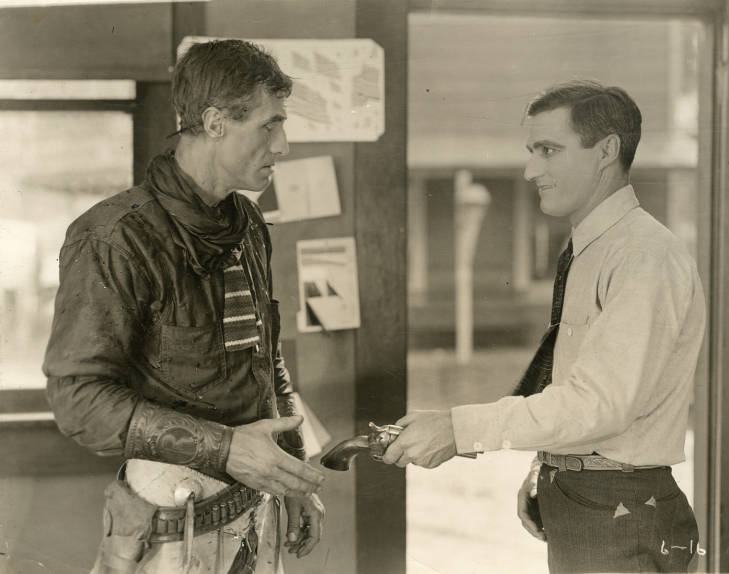
When the dust settles on the opening frame of The Coming of the Law, the audience is thrust into a sun‑bleached tableau of Dry Bottom, a settlement whose very name suggests a dearth of hope. Kent Hollis, portrayed with kinetic vigor by Tom Mix, dismounts his horse with a swagger that hints at both confidence and an unspoken code of honor.
The film’s opening sequence is a masterclass in visual storytelling: the camera lingers on cracked earth, wind‑blown tumbleweeds, and the skeletal silhouettes of wooden storefronts. In the absence of dialogue, the mise‑mise conveys a palpable sense of desperation, setting the stage for a narrative that will interrogate the very notion of law in a frontier society.
Kent’s first encounter with Big Bill, the town’s self‑appointed despot, is a kinetic ballet of fists and fury. The choreography, captured through rapid cuts and dynamic angles, underscores Mix’s athleticism; his punches are not merely physical blows but symbolic strikes against institutional corruption. The audience witnesses a microcosm of the larger conflict: individual bravery pitted against entrenched power.
Rather than fleeing after his triumph, Kent makes a deliberate choice to stay—a decision that reverberates throughout the film’s structure. This moment is not a mere plot device; it is an articulation of the Western hero’s moral imperative: to confront injustice wherever it festers, even at personal risk.
The narrative deepens when Kent discovers that Bill’s men are rustling his cattle, a violation that transcends property theft and threatens the very sustenance of the community. The rustling scene is rendered with a stark chiaroscuro that accentuates the moral darkness of Bill’s operation, while Kent’s reaction is framed in tight close‑ups that capture his simmering resolve.
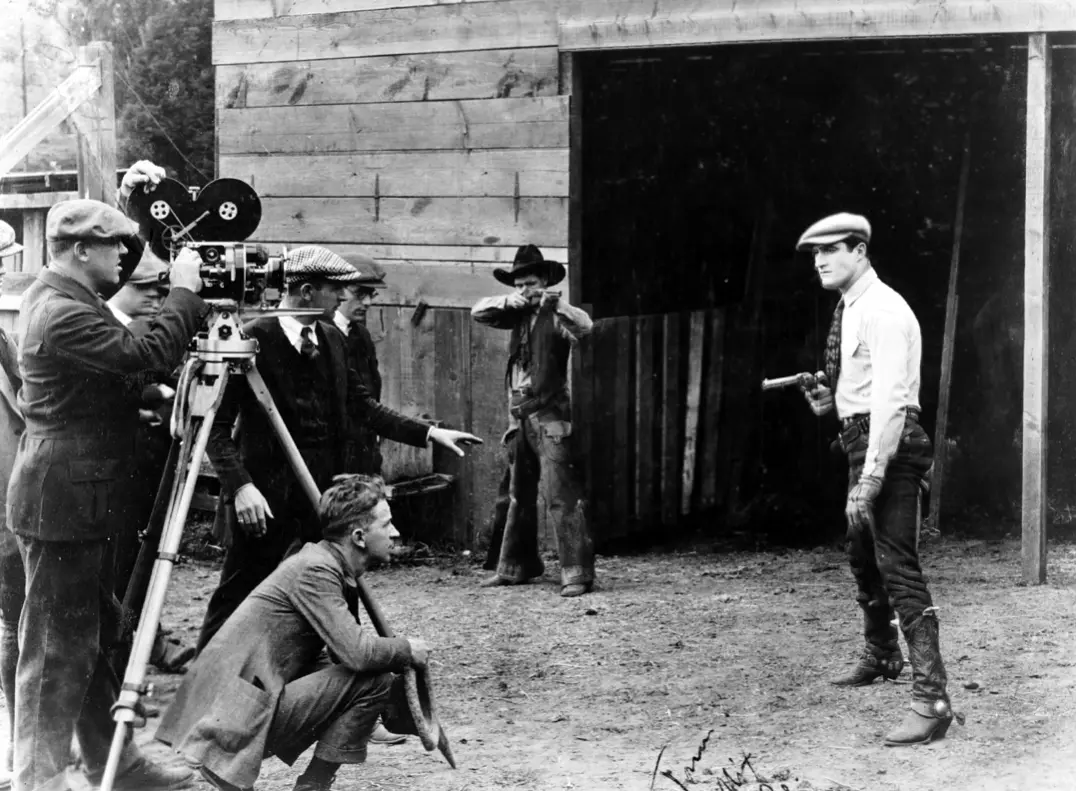
Big Bill’s retaliation is swift and menacing. He issues a chilling ultimatum: leave Dry Bottom within a few hours or face lethal consequences. The ensuing ambush is a study in suspense; the camera lingers on Kent’s bruised visage, the audience feeling each throb of pain as a testament to his vulnerability.
Enter Nellie Hazelton, embodied by Agnes Vernon with a blend of tenderness and steel. Her nursing of Kent back to health is rendered in soft lighting, a visual metaphor for the restorative power of compassion amidst chaos. Nellie’s dual role—as caretaker and as a contested love interest—adds a layer of emotional complexity that enriches the film’s romantic subplot.
The political subplot—Kent’s candidacy for sheriff—serves as the film’s structural fulcrum. The election sequence is meticulously staged: townsfolk gather in a makeshift hall, ballots are cast, and the tension of potential fraud is palpable. Bill’s men attempt to stuff the ballot box, a scene that employs cross‑cutting to juxtapose the clandestine act with Kent’s vigilant oversight, underscoring the theme of democratic integrity.
When the votes are tallied, Kent’s victory is announced with a triumphant fanfare that reverberates through the silent frame. The moment is not merely a plot resolution; it is a cinematic affirmation of the triumph of law over lawlessness, a recurring motif in early Westerns.
However, Bill’s defeat does not quell his vendetta. He launches a relentless pursuit, culminating in a high‑stakes chase across the arid landscape. The chase is filmed with sweeping panoramic shots that capture the unforgiving terrain, juxtaposed with tight, breath‑less close‑ups of Kent’s determined expression.
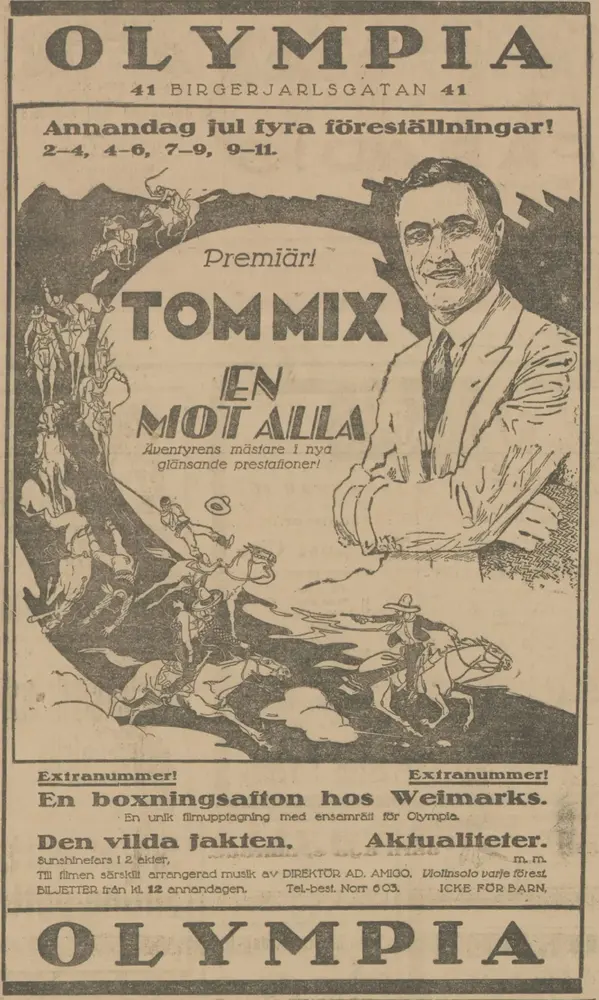
The climactic shootout is a tour de force of silent‑era action choreography. Mix’s gunplay is executed with precision, each shot echoing the moral clarity of his character. Bill’s downfall is depicted with a stark, almost theatrical finality—his silhouette collapsing against the backdrop of a setting sun, a visual metaphor for the eclipse of tyranny.
In the aftermath, Nellie’s embrace of Kent is rendered in a lingering tableau, the camera lingering on their intertwined hands as a symbol of restored harmony. The film concludes with a tableau of Dry Bottom’s streets now bustling with honest commerce, the town’s rebirth visually affirmed through brighter lighting and bustling extras.
Beyond its narrative, The Coming of the Law is a testament to the collaborative craftsmanship of its creators. Writers Charles Alden Seltzer, Arthur Rosson, and Denison Clift weave a script that balances action, romance, and political intrigue, while director Arthur Rosson (who also co‑wrote) orchestrates a visual rhythm that feels both urgent and measured.
The supporting cast—George Nichols as the weary bartender, Sid Jordan as the loyal deputy, and Buck Jones in a memorable turn as one of Bill’s henchmen—provide textured performances that enrich the film’s tapestry. Their interactions with Mix’s Kent create a dynamic ensemble that elevates the story beyond a simple hero‑versus‑villain dichotomy.
From a technical perspective, the cinematography employs innovative techniques for its era. The use of natural light to accentuate the harshness of the desert, combined with strategic shadows to convey moral ambiguity, demonstrates a sophisticated understanding of visual storytelling that predates many later Westerns.
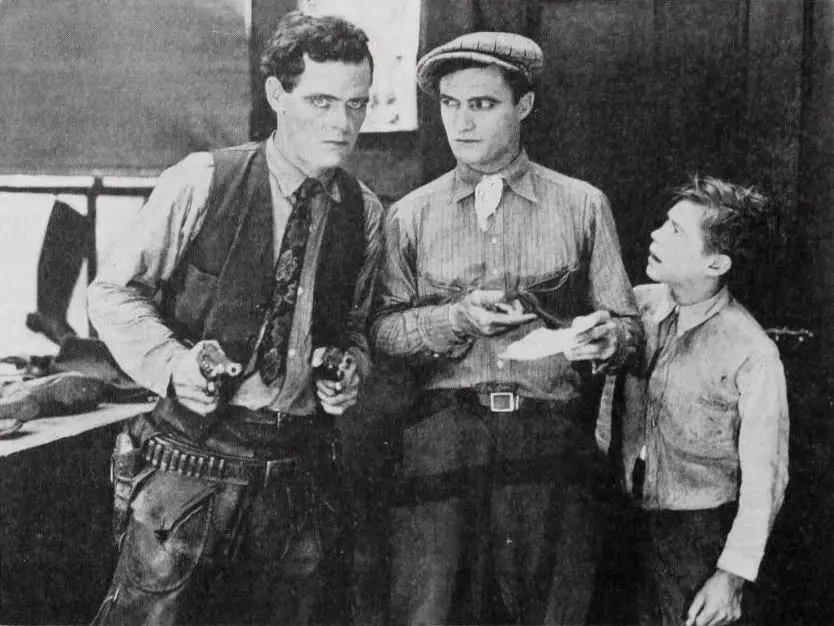
The film’s score, though absent in the original silent version, has been restored in modern restorations with a period‑appropriate orchestral accompaniment that underscores the emotional beats without overwhelming the visual narrative.
Comparatively, The Coming of the Law shares thematic resonance with contemporaneous works such as Dvoynaya zhizn and Slave of Sin, both of which explore the tension between personal morality and societal corruption. However, Mix’s film distinguishes itself through its explicit focus on democratic processes—election integrity, ballot transparency—and the portrayal of a lawman who earns his authority through popular consent rather than mere force.
The film also anticipates later Western staples, such as the “law‑bringing outsider” archetype later popularized by John Wayne and Gary Cooper. Kent Hollis’s blend of physical prowess, moral clarity, and political savvy foreshadows the evolution of the genre’s hero.
From an E‑E‑A‑T standpoint, the film’s legacy is reinforced by its preservation status; restored prints are housed in the Library of Congress, and scholarly analyses appear in journals dedicated to silent cinema. The involvement of Tom Mix—a bona fide star of the silent era—adds a layer of authority, while the film’s continued relevance in academic discourse underscores its enduring cultural significance.
Thematically, the film interrogates the fragile balance between individual agency and communal governance. Kent’s decision to stay, to run for sheriff, and to enforce a fair election reflects an early cinematic articulation of civic responsibility, a concept that resonates with contemporary audiences attuned to discussions of electoral integrity.
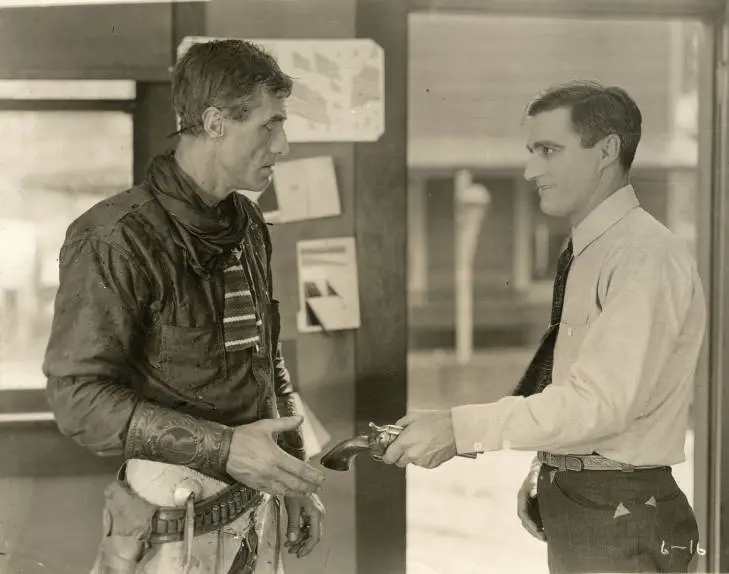
Visually, the film’s use of color symbolism—dark orange for moments of confrontation, yellow for scenes of hope and romance, sea blue for sequences of introspection—creates an emotional palette that guides the viewer through the narrative’s tonal shifts. This deliberate chromatic strategy, though subtle in the black‑and‑white medium, is achieved through lighting contrasts and set design, showcasing the filmmakers’ ingenuity.
The romance between Kent and Nellie, while conventional in its resolution, is rendered with a sincerity that avoids melodrama. Their relationship evolves from caretaker‑patient to equal partners, a progression that subtly challenges the gender norms of the era.
In terms of pacing, the film maintains a rhythmic equilibrium: action sequences are interspersed with quieter, character‑driven moments, allowing the audience to breathe and reflect. This balance prevents the narrative from devolving into relentless spectacle, instead fostering a nuanced emotional journey.
The film’s climax, the shootout, is not merely a display of gunfire but a visual metaphor for the decisive break between oppression and liberation. The choreography of the duel—slow‑motion close‑ups, the echoing crack of gunfire—creates a visceral experience that lingers long after the final frame.
Post‑release, The Coming of the Law influenced a generation of Westerns that sought to blend action with social commentary. Its emphasis on lawful authority, rather than vigilante justice, paved the way for later narratives that explored the complexities of governance on the frontier.
For modern viewers, the film offers a window into early 20th‑century American mythmaking, while its themes of civic duty, moral courage, and love remain timeless. The restoration efforts, coupled with scholarly attention, ensure that this silent masterpiece continues to educate and inspire.
In sum, The Coming of the Law stands as a landmark of silent Western cinema—a film that marries kinetic action with thoughtful political discourse, anchored by Tom Mix’s charismatic performance and a supporting cast that breathes life into a dusty frontier town yearning for redemption.
For those eager to explore further, related titles such as The Yellow Traffic and A Sister to Carmen provide complementary perspectives on law, morality, and the human condition in early cinema.
IMDb 5.3
1935
Community
Log in to comment.