DbcultAccessing Vault...
5.8/10
Senior Film Conservator
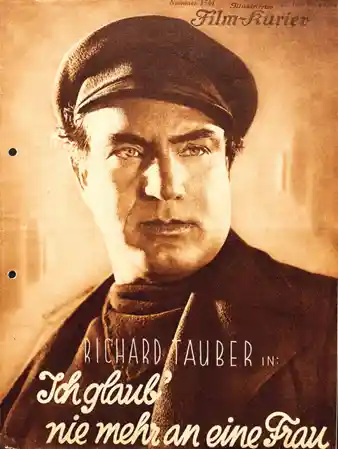
A definitive 5.8/10 rating for a film that redefined the boundaries of cult cinema. Never Trust a Woman remains a cornerstone of transgressive art.
Is Never Trust a Woman worth digging up today? Probably not for everyone, no. But if you’ve got a soft spot for really old school European melodrama, the kind that doesn't hold back, then yeah, maybe give it a look. Folks who need everything to make perfect sense or want a fast-paced plot? You’ll probably find this one a bit of a slog.
This movie, from 1930, it starts out pretty straightforward. A sailor, Anton, played by Paul Hörbiger, he’s been away for a long, long time. Twelve years at sea, you know? He comes back, and he’s ready for… well, life. And love, it seems.
He pretty quickly runs into Maria Matray’s character, a music hall singer. She’s got a whole heap of her own troubles, marital problems, that kind of thing. But there's a spark. You can feel it, even through the older film quality. They’re drawn to each other, a classic setup. Except, it isn't so classic after all, is it? 🤔
The whole "never trust a woman" thing, it gets a very literal, and frankly, bonkers twist. The big reveal. That she’s his sister. His sister! I mean, wow. The movie doesn't ease you into that. It just kinda… drops it on you. It's a real gut punch for Anton, and you feel it for him. Paul Hörbiger's face in that moment, it just sinks. It’s pretty good acting for the time, actually.
You can see the gears turning in his head. The script, co-written by Walter Reisch, really goes for broke on the emotional stakes here. It’s not subtle. Not at all. Which, honestly, is kinda the charm of these old films. They don’t hold back.
There's this one scene. Early on. Anton is just soaking it all in, being back on land. You see him walk through the market. He looks a little lost, a little overwhelmed. Like he’s trying to remember how to be a normal person again. It’s a quiet moment. But it tells you a lot about his character without anyone saying much. It’s a nice touch, actually. Almost makes you forget what's coming.
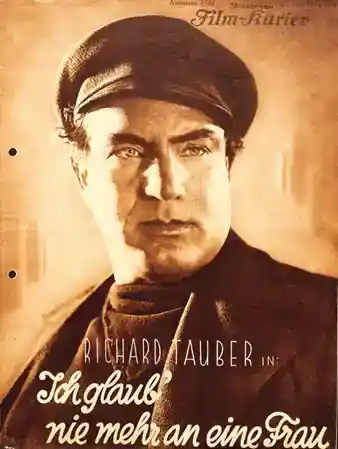
The music hall scenes are lively. Maria Matray, she’s really got a presence. You can tell why Anton would fall for her. She commands the stage. Even if the songs themselves are… very 1930s. A bit tinny now, of course.
And then there's the Gustaf Gründgens character. Always lurking. Always adding to the general sense of unease. He plays the troubled husband, and he brings a certain intensity to it. Not necessarily good, but certainly intense. You just know he's bad news from the first second he appears onscreen. Like, his shadow even looks suspicious.
The pacing, it’s not for everyone. Things move slowly sometimes. There are long stretches where characters just… process. Or sing. You need to be patient. It’s less about plot twists every five minutes and more about the slow burn of feelings. And then, bam, the big revelation hits you like a brick.
One reaction shot lingers so long it becomes funny. Almost.
I found myself wondering, how do they even resolve something like this? The whole situation is just… impossible. The movie doesn't shy away from that impossibility. It leans into the tragedy. It really does. It’s a film that wants you to feel Anton’s pain, his utter despair. And you kinda do.
There are some awkward bits, of course. The sound quality dips here and there. And some of the facial expressions, they feel a little over the top to modern eyes. But you forgive it. Because the story, despite its wildness, it pulls you in. You want to see how this mess gets cleaned up. Or if it even can be cleaned up.
It’s not a film that gives you easy answers. Not a happy ending, necessarily. But it’s definitely a film that sticks with you. Just for the sheer audacity of its central premise. And for making you truly feel for poor Anton. Who, after twelve years at sea, probably just wanted a quiet life, you know? 🚢
IMDb —
1924
Community
Log in to comment.