DbcultAccessing Vault...
7.2/10
Senior Film Conservator
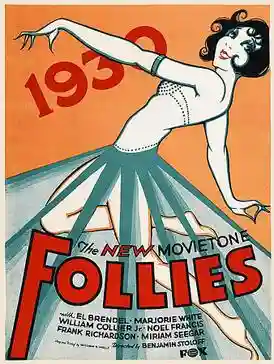
A definitive 7.2/10 rating for a film that redefined the boundaries of cult cinema. New Movietone Follies of 1930 remains a cornerstone of transgressive art.
Okay, so "New Movietone Follies of 1930"… 🕰️ For anyone who loves early sound pictures, really loves them, this might be a curious little peek. If you’re just looking for a casual movie night, probably best to skip this one. Modern audiences will likely find it a bit of a slog, honestly. It’s for the history buffs and the truly dedicated.
The premise is super simple. Conrad Sterling, a wealthy young man, is head over heels for Mary Mason, an actress who’s trying to make it big. To show his devotion, he literally brings her entire stage show to his fancy mansion for a weekend party. Yeah, the whole thing. It’s a very 1930s rich person move, I guess.
The charm of "Follies" is really in seeing how movies were finding their voice, literally. The sound here is… something else. You can practically hear the actors trying to stay close to the hidden mics. Sometimes a line feels totally muffled, then suddenly someone practically shouts, probably because they moved too far away. It’s kinda endearing in a clunky way.
Miriam Seegar as Mary has this bright, almost too-wide smile. She’s trying hard, bless her heart. Conrad, played by William Collier Jr., mostly just looks dreamy and a little confused. His performance feels like he’s just waiting for his cues. Not much depth there, but hey, it was 1930! 🤷♀️
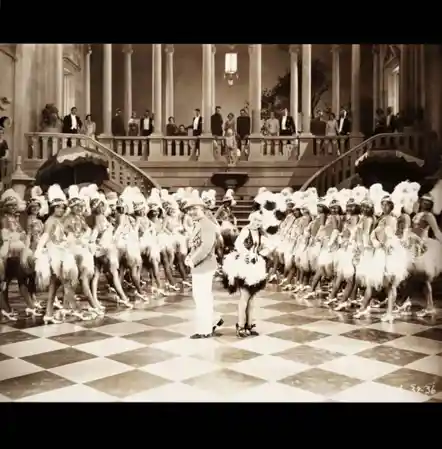
The musical numbers themselves are the real draw, or at least they’re supposed to be. Some of the dance routines are pretty basic, lots of synchronized leg kicks. But there’s this one number with a pyramid of dancers that’s surprisingly intricate for the time. You can see the effort.
There's a moment when Conrad is just staring at Mary during a performance, and the camera just holds on his face for what feels like ages. It’s meant to convey his deep love, I guess, but it just became a bit funny. Like, *okay, we get it, he likes her.*
And Betty Grable? She’s in here, but you’d blink and miss her. She’s one of the chorus girls, barely on screen for a second. It's wild to think she’d become such a huge star later. Just a little background dancer.
The story itself feels pretty thin. Once the show moves to Conrad's mansion, it’s mostly just numbers strung together by mild romantic misunderstandings. The stakes feel incredibly low. Will Mary marry the rich guy? Probably!
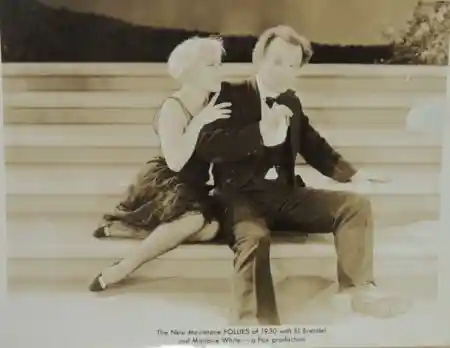
The dialogue, too, can be a bit… much. Very formal, very theatrical. Lines like, "My dearest, your talent shines like a beacon!" were probably normal back then. It makes you appreciate how naturalistic acting has become.
I did notice one scene where a butler, I think it was J.M. Kerrigan, delivered a line with such perfect dry wit. It really stood out. He had more character in five seconds than some leads do in a whole film. A little gem.
The whole "follies" part, the variety show, is where it feels most alive. When the spotlight is on the singing and dancing, it feels like a real performance. But then it cuts back to the "plot" and things slow down quite a bit.
There’s a strange, almost unsettling silence sometimes between lines. Not dramatic pauses, just dead air. It’s like they were still figuring out how to edit sound, how to keep the flow. That’s probably the most *authentic* part of the experience. You really feel like you're watching a relic.
It’s an interesting curio, honestly. Not a great movie by modern standards, not even close. But it shows you a snapshot of an industry figuring things out. For *that*, it has value. Just manage your expectations.
IMDb —
1927
Community
Log in to comment.