DbcultAccessing Vault...
5.8/10
Senior Film Conservator

A definitive 5.8/10 rating for a film that redefined the boundaries of cult cinema. New Year's Eve remains a cornerstone of transgressive art.
Alright, so you're thinking about diving into a nearly century-old film like New Year's Eve from 1929? Honestly, for most folks, this one's probably a hard pass. Unless you're really into uncovering lost cinema gems, or have a soft spot for early talkies trying to find their footing, you can safely skip it. But if you're a film historian or a true cinephile with a penchant for the obscure, there are some quirky little moments here, mostly as a peek into a different era of filmmaking.
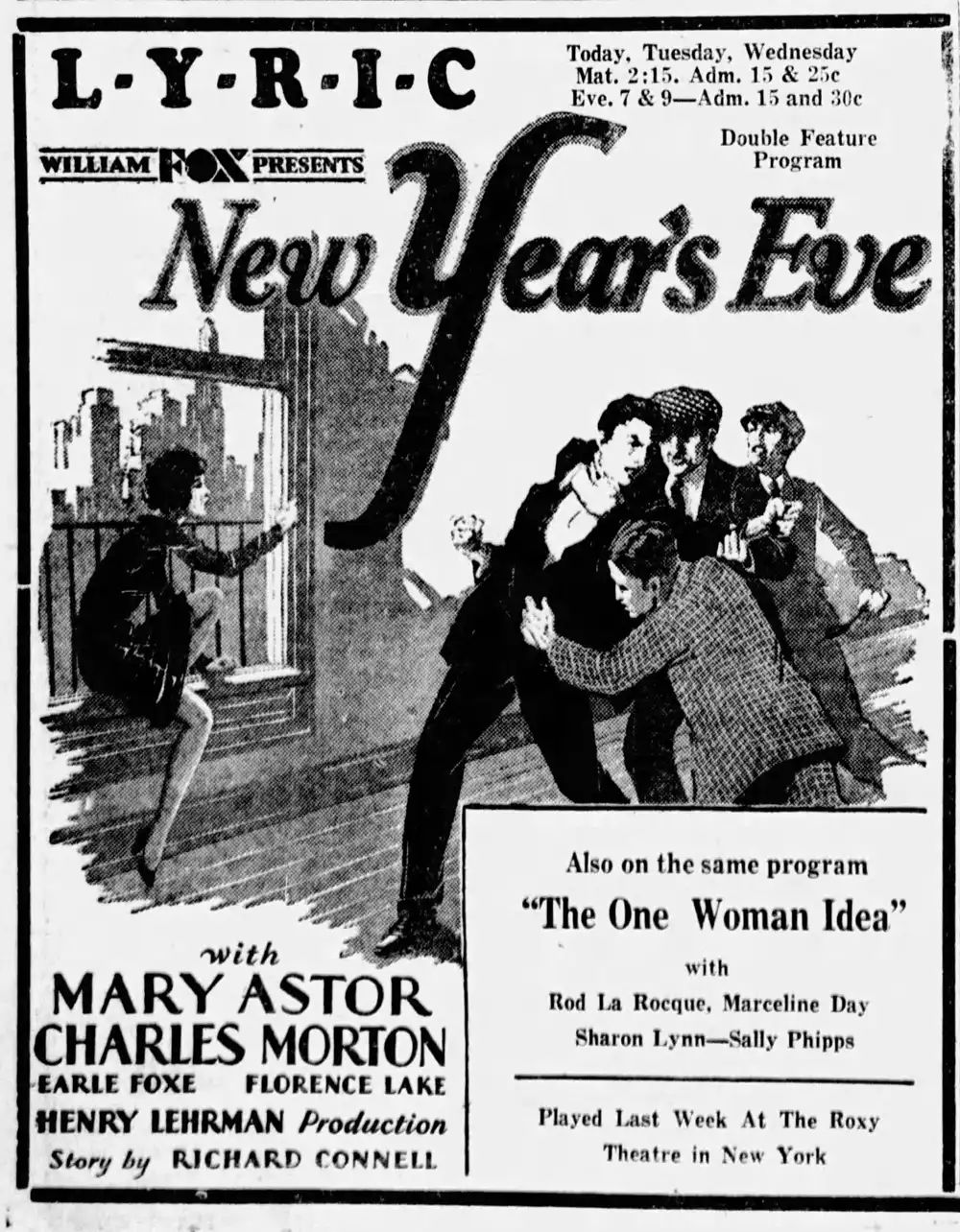
The setup is pure melodrama, right? Marjorie Ware, played by Mary Astor, is flat broke. Her little brother is sick, and she’s just trying to get by. It’s that familiar setup where a good person is just down on their luck. You feel for her, you really do. Mary Astor has this way of looking just utterly worn out, like the weight of the world is on her shoulders.
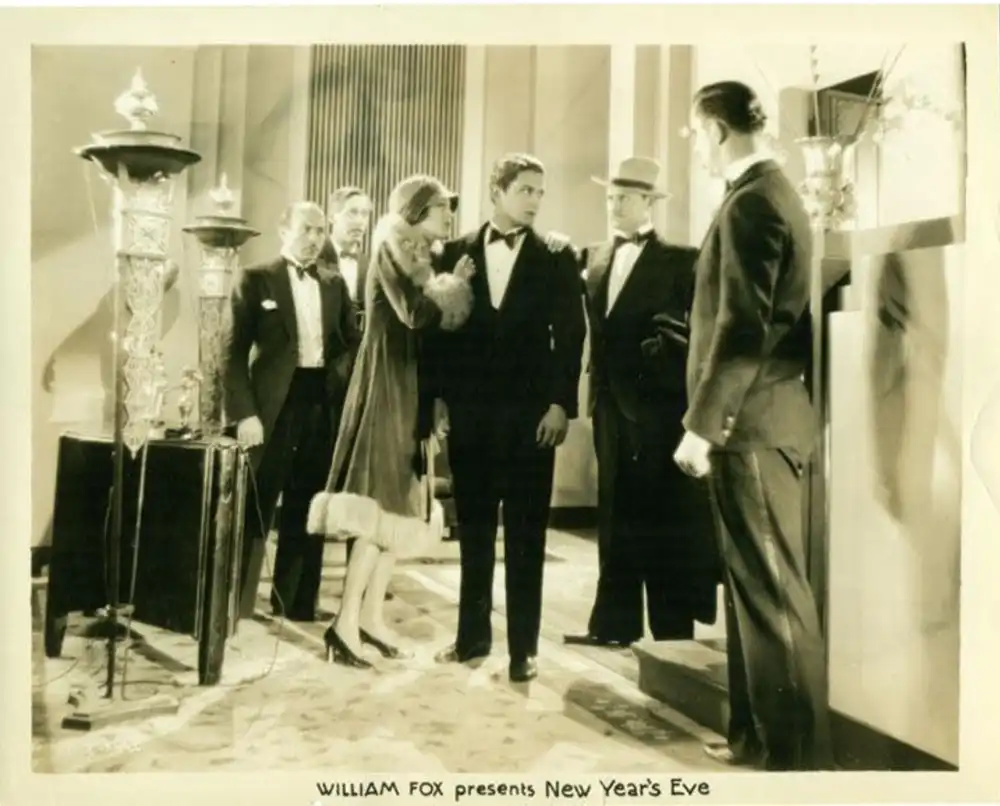
Then things get a little bit wild. She bumps into this rich gambler, Larry Harmon, and of course, she brushes him off. Good for her. But then, she *finds* a wallet. Ten hundred-dollar bills! And she actually returns it to the owner, Edward Warren. Who does that? He rewards her with a single hundred-dollar bill, and get this: it has "Happy New Year" written on it. A nice touch, really, something small that makes it feel a bit more personal, less generic.
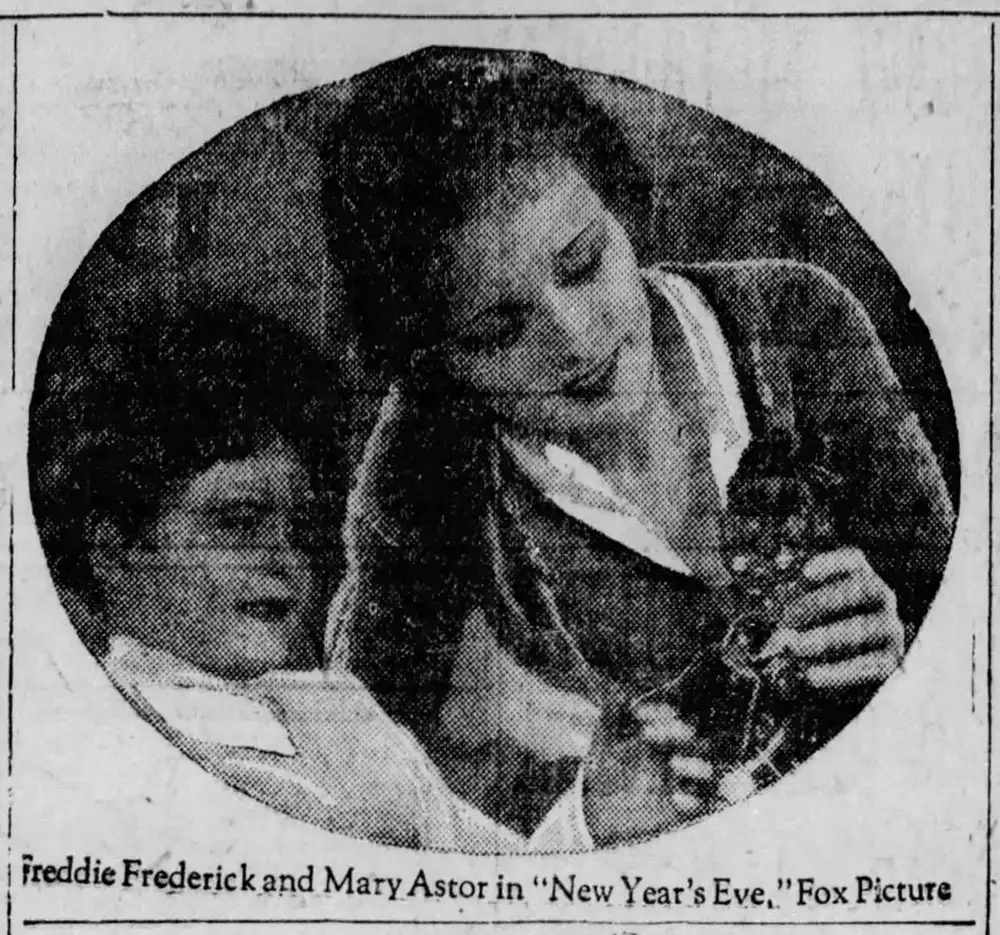
But because this is melodrama, that good fortune lasts about five minutes. She goes to buy her brother a present, and a pickpocket named Steve just *swipes* it. Poof, gone. It’s like the universe is actively trying to make her life miserable. The landlady even evicts her. Just when you think it can't get worse, it does. 😩
So, Marjorie, desperate, heads to Larry Harmon's apartment, the gambler she'd rejected. And guess who else shows up? Steve, the pickpocket! He's there for revenge against Larry for some earlier beef. Things escalate fast. Larry ends up dead, and Marjorie and Edward – who, by the way, has been following Marjorie, which is a little creepy if you think about it – are found by the butler standing over the body. Police are called, naturally.
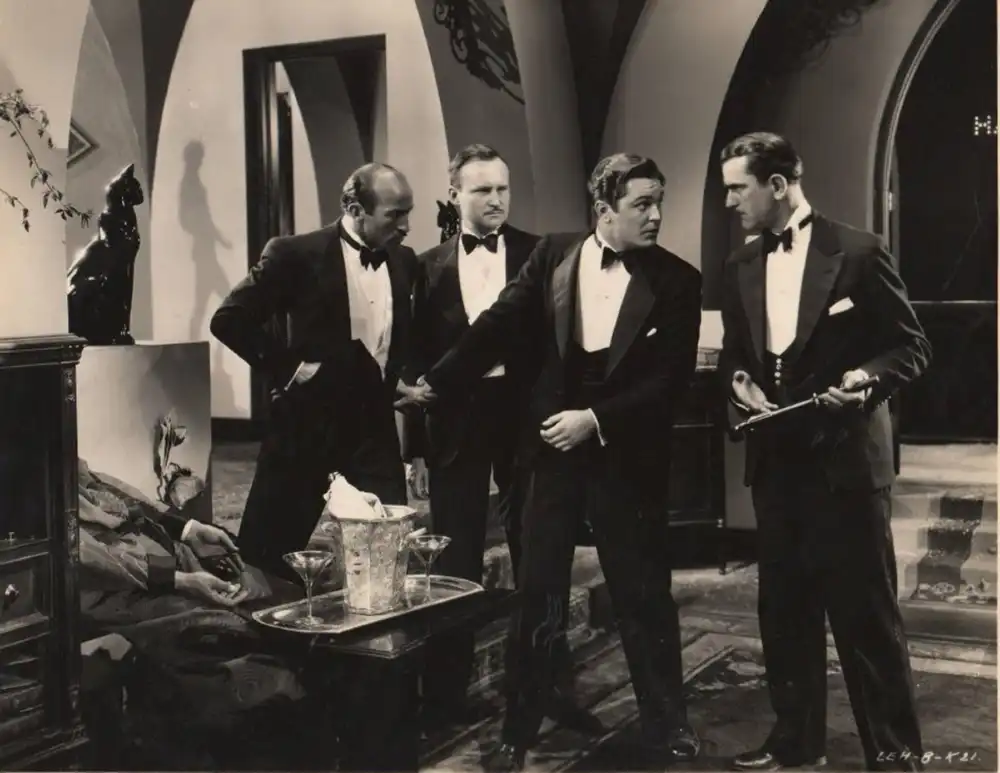
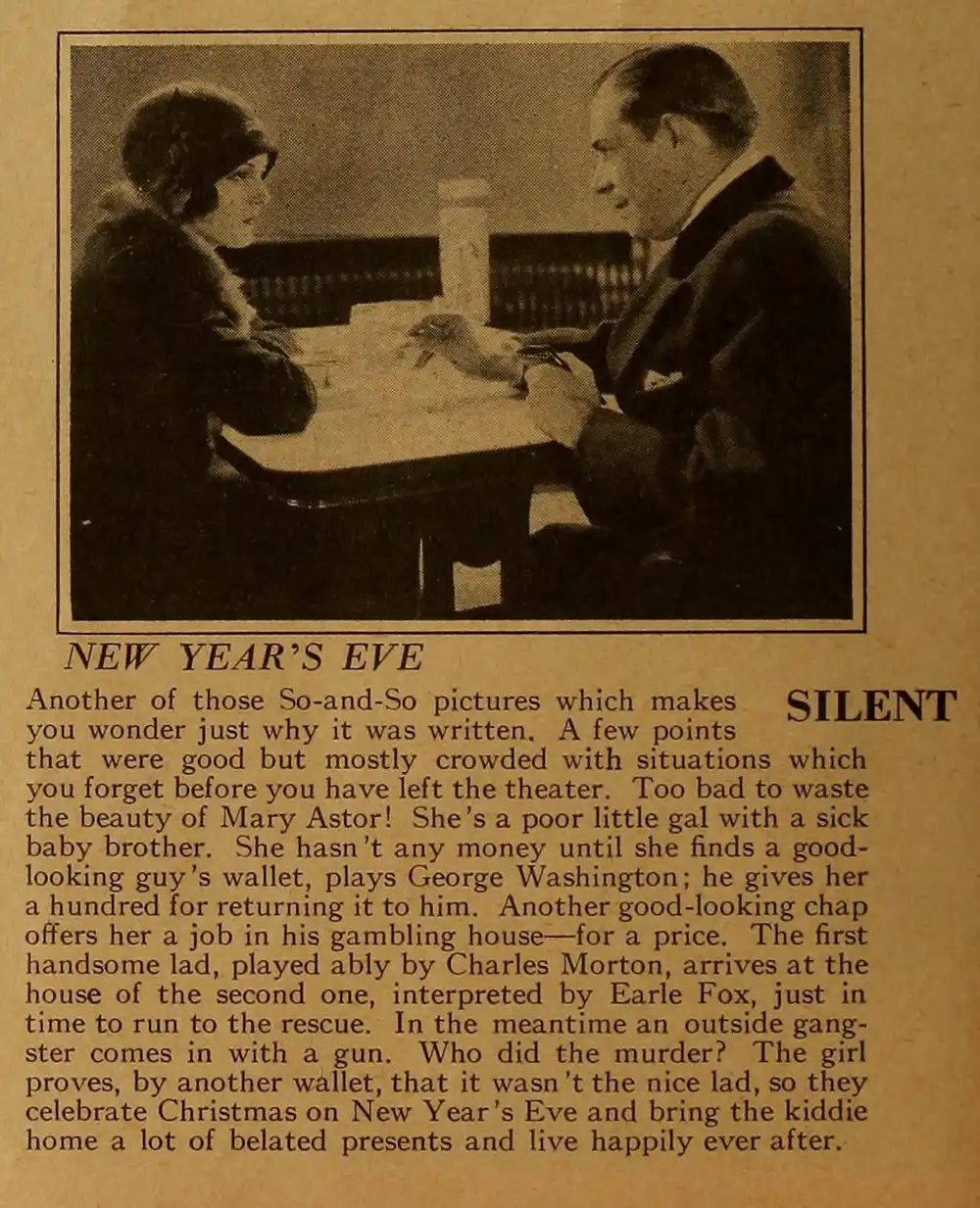
Now, this is where it gets *really* interesting, and frankly, a bit perplexing. The few reviews this film actually got back in 1929? They don't agree on how it ends! One review, from "Exhibitors Herald World," says Edward gets arrested, but Marjorie tracks down Steve, who confesses. Then Edward's free, and they're reunited. A tidy, if predictable, wrap-up. Makes sense for the era, I suppose.
But then "Motion Picture News" tells a totally different story. Steve, the pickpocket, apparently dies trying to slide down a rope from a roof. And then some gamblers try to pull one over on Edward, but Marjorie, after finding Steve's body, stops them. What?! 🤷♀️ It’s like two different movies glued together. This little detail makes me wonder if they were cutting and recutting this thing even before it hit theaters, or if one of the critics just... left early. It’s a fascinating historical hiccup, really, more interesting than the plot itself, maybe.
The film itself, judging by the available plot points, probably leans heavily on Mary Astor's ability to convey distress. The pacing seems to be "one bad thing after another," which can be exhausting. I mean, the toy store scene, where she loses the only money she has, is a real gut punch. You can almost feel the movie trying to convince you this moment matters, a lot.
And the whole "Edward follows Marjorie" thing? It’s not really explained, is it? Just sort of happens. It’s one of those bits where you just have to shrug and go with it. Sometimes silent-era narratives (or transitional ones) just threw in these odd little motivations without much setup.
Overall, New Year's Eve isn't going to blow anyone away today. It's a curiosity, a glimpse into a time when films were still figuring things out, both narratively and technically. It’s definitely not a lost masterpiece, but its strange history, especially those conflicting endings, makes it a conversation piece for anyone interested in the nitty-gritty of film preservation and early cinema. If you ever get a chance to see it, try to figure out *which* ending you're watching. Good luck! 😉
IMDb 5.1
1909
Community
Log in to comment.