DbcultAccessing Vault...
Cult Review
Senior Film Conservator
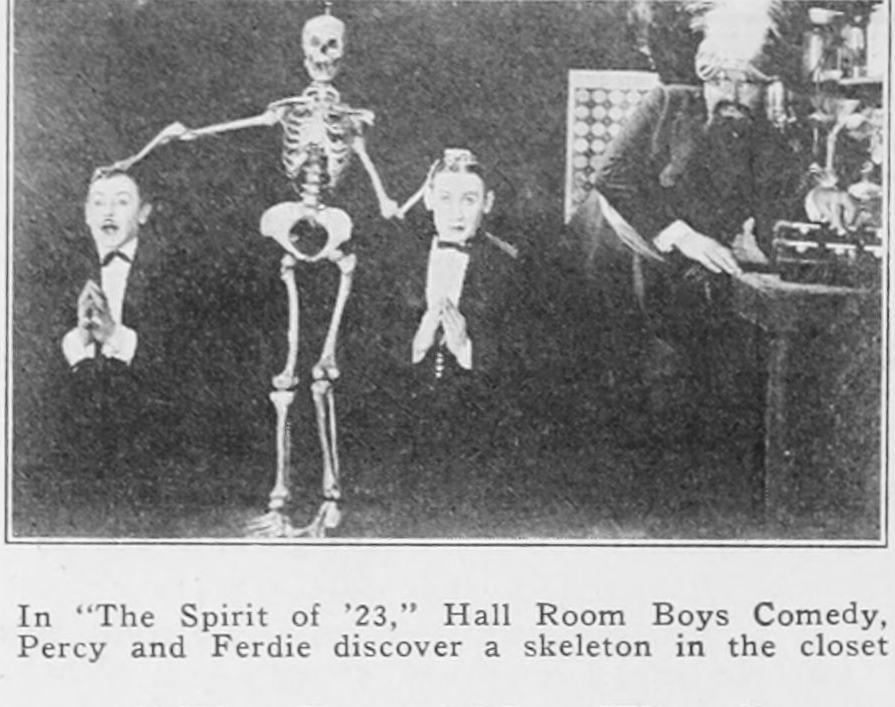
The year 1923 was a watershed moment for the silent screen, a period where the primitive techniques of the previous decade were being refined into a sophisticated visual language. The Spirit of '23 stands as a fascinating, if somewhat overlooked, artifact of this transition. Unlike the avant-garde experiments of Rhythmus 21, which sought to strip cinema down to its rhythmic essentials, this film leans heavily into the narrative tropes of the 'boy comedy' subgenre, yet it infuses them with a dark, almost cynical undercurrent that feels surprisingly contemporary.
The premise begins with a classic setup: the intersection of burgeoning adolescence and the allure of the unknown. George Williams and Sidney Smith, playing the 'boys,' deliver performances that are less about the refined pathos of a Chaplin and more about the frantic, kinetic energy found in The Clown's Pups. Their encounter with the magician's daughter is the catalyst for a descent into a world where the boundaries between reality and illusion are blurred by amateur prestidigitation. It is here that the film begins its dialogue with the supernatural, a theme that echoes the ethereal qualities of The Dream Girl, though with a decidedly more slapstick execution.
The centerpiece of the film is the séance. In the 1920s, spiritualism was not merely a plot device; it was a societal obsession. The film mocks this fervor with a series of escalating comedic set pieces. As the boys spend the night in the house, the director utilizes a variety of practical effects—wires, trapdoors, and double exposures—to create a 'haunted' atmosphere. While it lacks the psychological depth of The Beast, it compensates with a relentless pace. The skeletons that dance through the halls are reminiscent of the macabre playfulness in Pinocchio, yet they serve a different purpose here: they are the manifestations of youthful gullibility.
One cannot help but compare the frantic escapes within the house to the detective tropes seen in Sleepy Sam, the Sleuth. However, where Sam might find a logical conclusion to his mysteries, our protagonists are perpetually off-balance. The house becomes a character in itself, a labyrinthine trap that mirrors the internal confusion of the boys as they navigate the transition from childhood games to adult consequences.
The cinematography, while standard for the era, makes excellent use of high-contrast lighting to accentuate the 'spooky' elements. The sea blue tones of the night scenes (often achieved through tinting in original prints) provide a stark contrast to the dark orange flickering of the magician’s candles. This visual palette creates a sense of unease that is constantly undercut by the physical comedy. It is a delicate balance, one that What Women Will Do struggled to maintain, but which The Spirit of '23 handles with a vaudevillian grace.
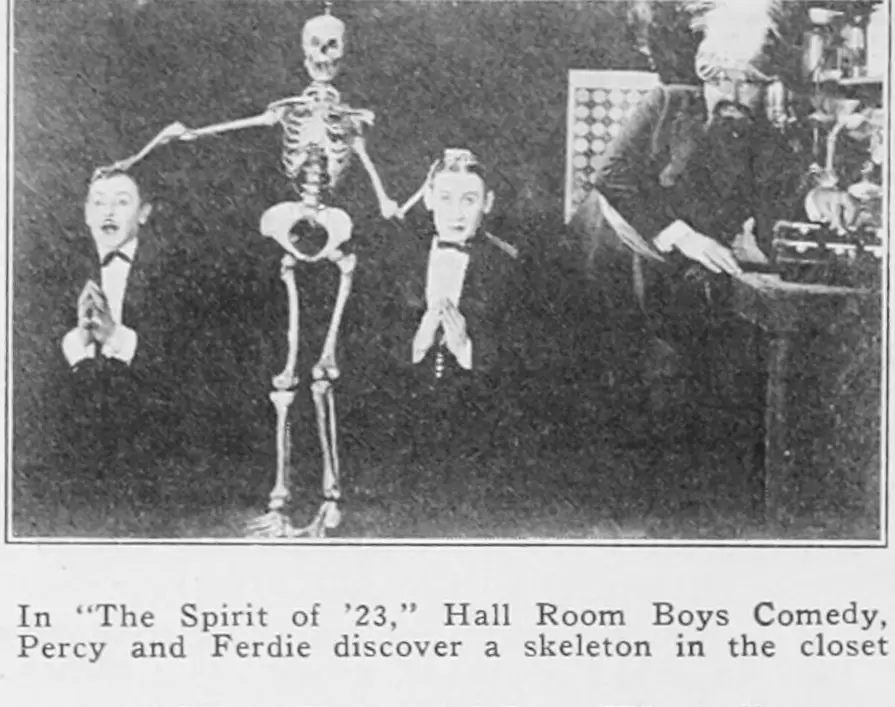
As we delve deeper into the second act, the film’s lexical diversity in its intertitles becomes apparent. The dialogue—or what passes for it in the silent medium—is sharp and occasionally biting. There is a sense of the 'liar' trope, perhaps a nod to the thematic core of The Liar, where the magician’s daughter and her father are not merely entertainers but architects of a shared delusion. The boys are willing participants in their own bamboozlement, a trait that makes their eventual 'capture' by reality all the more poignant.
When examining The Spirit of '23 alongside contemporaries like The Golden Rosary or Their Compact, a pattern of moral instruction emerges. However, while those films often lean toward religious or social piety, The Spirit of '23 offers a more secular, almost cynical lesson. The boys’ night of terror is ultimately revealed to be harmless compared to the bureaucratic nightmare awaiting them outside. This transition from the supernatural to the litigious is a masterstroke of subversion. It reminds the audience that while ghosts can be outrun, the law—represented by the man with the summons—is patient and inevitable.
This ending echoes the grim realism found in Vor or the urban malaise of While New York Sleeps. It strips away the comfort of the 'it was all a dream' ending, replacing it with the cold reality of a court date. The man waiting outside all night is a figure of terrifying dedication, a silent sentinel of the adult world that the boys have tried so hard to ignore through their magical escapades.
The performances of Williams and Smith deserve further scrutiny. In an era where acting was often broad and declamatory, their reactions to the 'spooks' are surprisingly nuanced. There is a genuine sense of camaraderie between them, a 'compact' of sorts that mirrors the themes in Their Compact, yet it is tested by the absurdity of their situation. Their chemistry is the glue that holds the episodic structure of the film together, preventing it from becoming a mere series of unrelated gags like Musotte or the more lighthearted The Downy Girl.
In conclusion, The Spirit of '23 is more than a simple comedy. It is a reflection of a society caught between the mysticism of the past and the rigid structures of the modern future. It uses the language of the 'haunted house' to comment on the futility of escape. Whether they are running from skeletons or from a process server, the boys are ultimately running from the passage of time itself. It is a film that rewards multiple viewings, not just for its slapstick timing, but for the clever way it weaves its themes into the very fabric of its genre-bending narrative. For those interested in the evolution of comedy, it is an essential piece of the puzzle, bridging the gap between the innocent mischief of the early 1900s and the more sophisticated, satirical works that would follow in the late silent era.
Final Verdict: A brilliant synthesis of spectral humor and legal irony that remains as sharp today as it was a century ago.
IMDb 5.9
1916
Community
Log in to comment.