DbcultAccessing Vault...
Cult Review
Senior Film Conservator
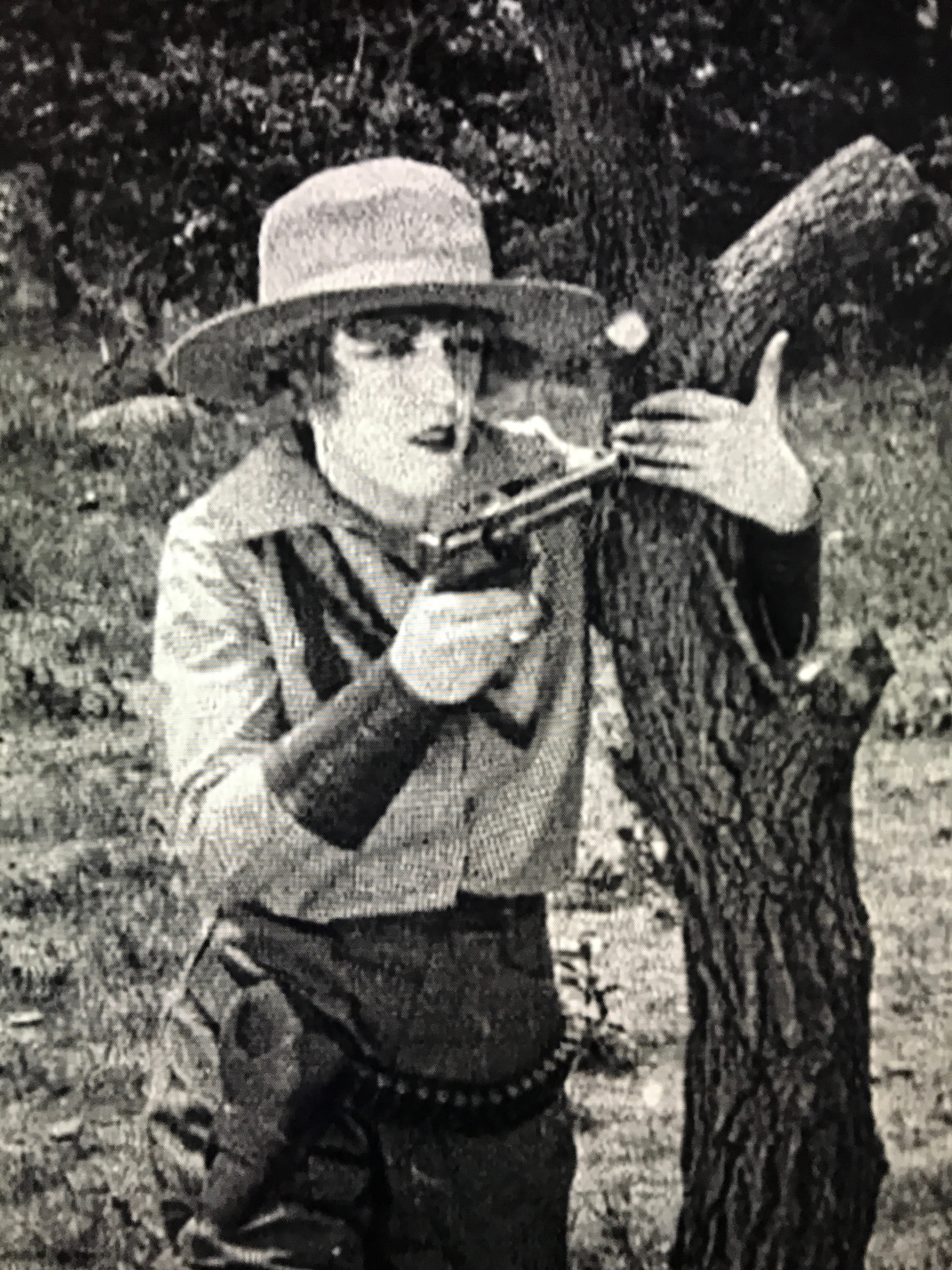
There is a moment, roughly seventeen minutes into Wild, when the projector seems to inhale rather than exhale: the image quivers, the emulsion bruises, and suddenly the forest floor levitates like a magician’s cloth. Under that brief blackout, Marcel Perez—acrobat, director, holy fool—grins straight at us, as though apologizing for the universe’s sloppy seams. Most viewers in 1917 thought the reel had caught fire; today we recognize spontaneous metaphysics.
We open on convicts in pierrot makeup forced to tightrope-walk for a cigar-chomping warden. The circus is both punishment and propaganda: every pratfall financed by the state. Perez’s escape is staged in negative space—he slips between frames, a silhouette folded into the filmstrip’s perforations. Cue a blizzard stitched from salt, cotton, and candle smoke. The world outside the penitentiary is no freer; it is merely colder, which at least numbs the bruises.
Civilization, the film insists, is just another snow-globe: shake it and watch the same plastic flakes of violence drift down in fresh patterns.
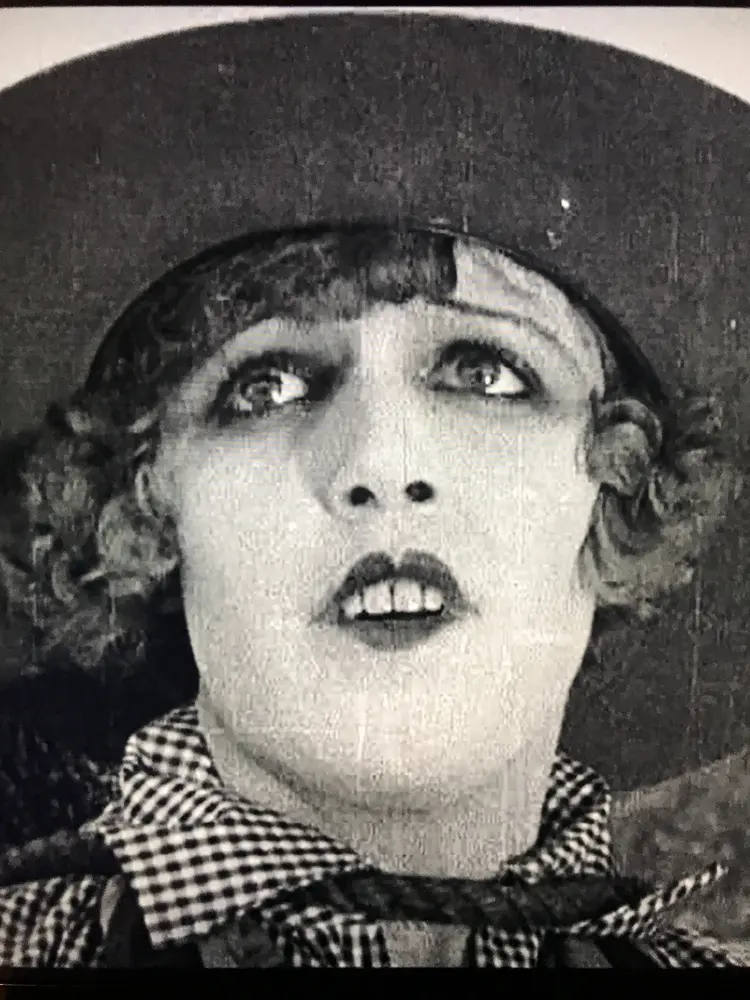
Enter Dorothy Earle, billed only as "The Girl Who Outran Her Name." She first appears upside-down, reflected in a creek that refuses to freeze. Her lighthouse-keeper father has traded kerosene for moonshine; the beacon now warns ships away from sobriety rather than shore. Earle plays her with punk insouciance: she steals a baby’s rattle to use as a compass, pockets the teeth of dead outlaws because "pearls need pedigree." The chemistry between the leads is less romantic than alchemical—every shared frame sparks a new element, half-comic, half-corrosive.
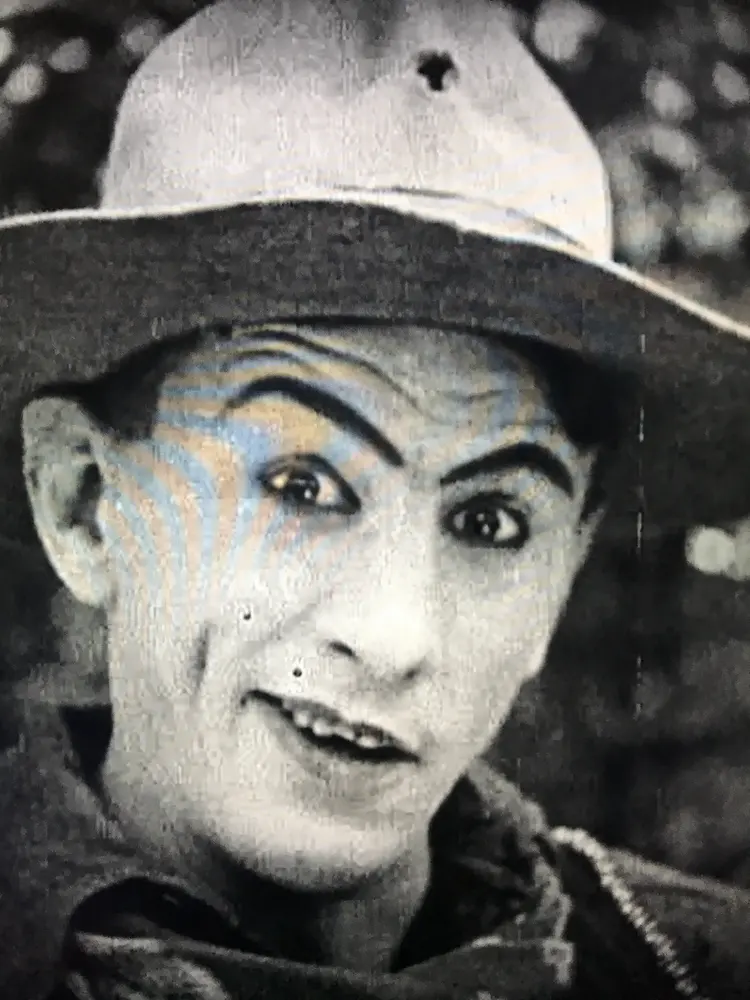
Shot on location in the Sierra snowfields, Wild alternates between over-cranked slow motion and stroboscopic single-frames. A sled chase looks like a woodcut come alive; faces smear into masks of themselves. Cinematographer Hans Boehm (rumored to be a fugitive Bauhaus set-designer) rigs mirrors inside ice caverns so the horizon folds into an ouroboros. Perspective is untrustworthy: one minute we skim the treetops like a bird, the next we’re nose-deep in hoof-slush. The result feels less photographed than seanced.
Compare this to the pastoral lyricism of The Trail of the Lonesome Pine or the moral didacticism of The Right Direction, and you realize how Wild sabotages every rule those pictures upheld. Nature is not redemptive; it is an accomplice. The snow doesn’t cleanse—it preserves evidence.
The surviving print is accompanied by a handwritten cue sheet: "Play Chopin’s Funeral March backwards at half-speed during reel 3." Most modern festivals substitute dark-ambient drones or, worse, klezmer mashups. Either option works because the film itself vibrates with sonic ghosts: you swear you hear ice cracking, ribs snapping, laughter echoing in a throat that should be empty. The absence of intertitles after the ten-minute mark is not austerity but ascetic sabotage—language itself has frostbite.
The only textual intrusion comes when Earle scrawls "I O U" on Perez’s frostbitten chest. A promissory note carved into flesh: love as debt, debt as destiny.
Perez’s physical vocabulary fuses circus virtuosity with expressionist contortion. Watch him transform a loaf of stolen bread into a ventriloquist’s dummy, then into a pistol, then into a rosary—all without cuts. His face, framed by matted curls and glacier-light, registers twenty micro-emotions per second: terror, ecstasy, the vertigo of being inside a joke you no longer find funny. Critics compared him to Lang’s somnambulist or to Fairbanks’s swashbuckler, but Perez is closer to a pagan harlequin who has read too much Schopenhauer between trapeze acts.
Earle, meanwhile, weaponizes stillness. While Perez ricochets, she stands center-frame like a scarecrow that has learned the art of appraisal. The camera loves her clavicles; the narrative loves her cunning. In one gut-punch scene, she bargains passage on a fur-trapper’s raft by reciting Gray’s Elegy backwards, knowing the illiterate brute will be hypnotized by the cadence rather than the content. She embodies the film’s thesis: survival is semiotics, and semiotics is seduction.
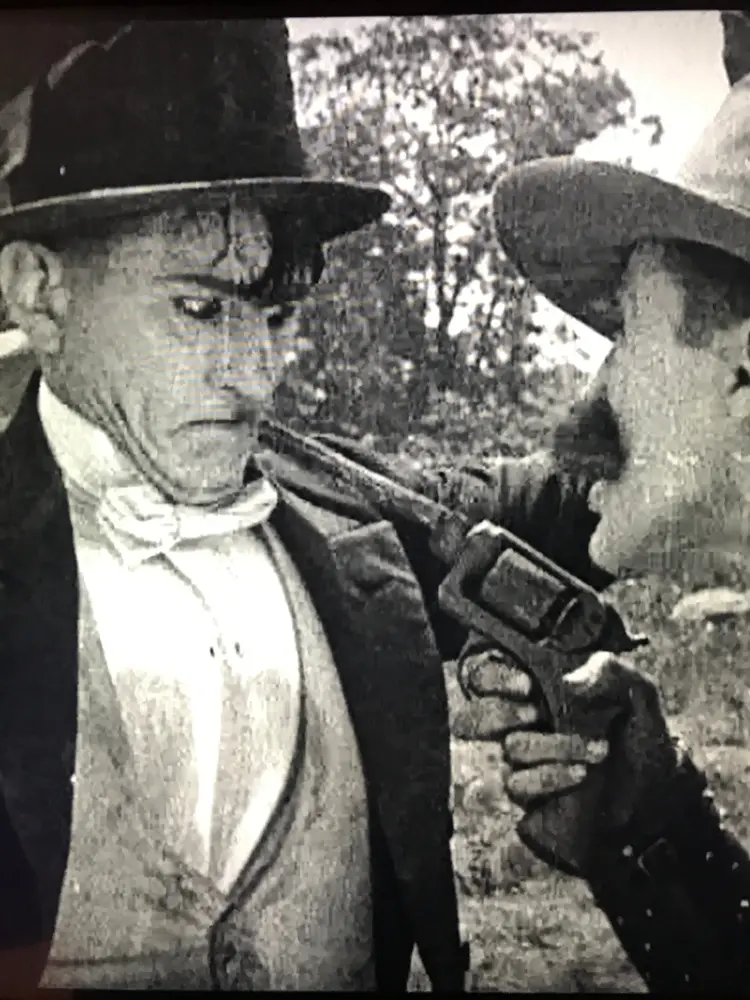
Every gesture in Wild is a double-exposure: what the body does, and what the soul denies.
Beneath its slapstick crust, Wild is a screed against Manifest Destiny’s hangover. Abandoned mining camps litter the landscape like broken teeth; a rusted typewriter hangs from a gibbet, each key hammered flat by winter. The lovers find a cache of canned peaches labeled "Property of the Future"—the expiration date reads 1899. When they pry one open, the fruit has turned to gold dust that blows away in the breeze. A cruel epiphany: wealth oxidizes into myth faster than blood into rust.
This anti-capitalist streak aligns Wild more with Soviet montage than with American melodrama, though Perez never brandishes a red flag. Instead he stages revolt through refusal: refusal to work, to speak, to die on command. The chain-gang warden reappears later as a dance-hall impresario, then as a corpse propped against a slot machine—history’s own lousy re-casting agent.
While contemporaries like Society for Sale trafficked in virtuous damsels, Earle’s character flips the Madonna/whore binary like a rigged coin. She seduces not to secure but to subvert: a kiss is a crowbar, a caress a lock-pick. Mid-film, she trades her last silk undergarment for bullets, then loads those bullets into a crucifix-shaped derringer. Sacred, profane, pragmatic—pick two.
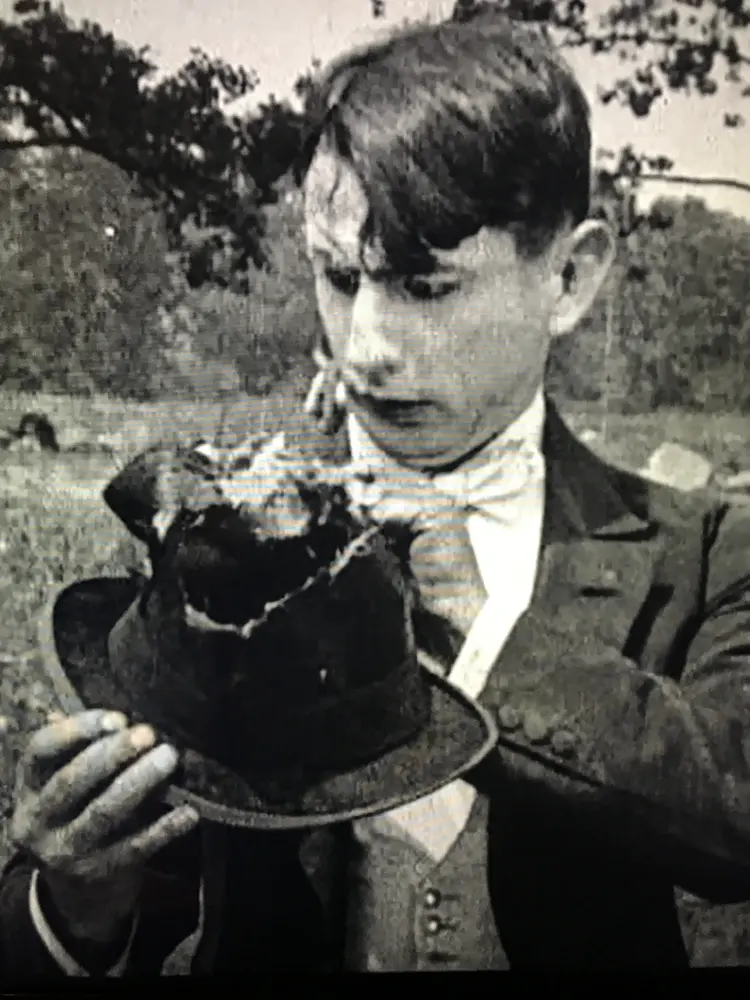
The film’s nudity (brief, non-sexual, all shoulders and shivers) scandalized Boston censors, who labeled it "an ice-coated libido." Perez responded by splicing snowflakes over the offending frames, turning censorship into aurora. The result is more erotic than the original skin: what is withheld becomes hallucination.
If you admired the claustrophobic fatalism of The Death Dance or the ethical quicksand of The Blacklist, Wild offers a frostbitten sibling. All three films share a distrust of moral bookkeeping, yet only Wild dares to laugh while the ledger burns. Where Lieutenant Danny, U.S.A. wraps patriotism in slapstick bandages, Wild hurls the bandage into a blizzard and watches it disappear.
Even the bucolic whimsy of A Welsh Singer feels like a lullaby sung to calm a child who has already glimpsed the abyss. Wild refuses that lullaby; it opts for a yodel that turns into a wolf-howl.
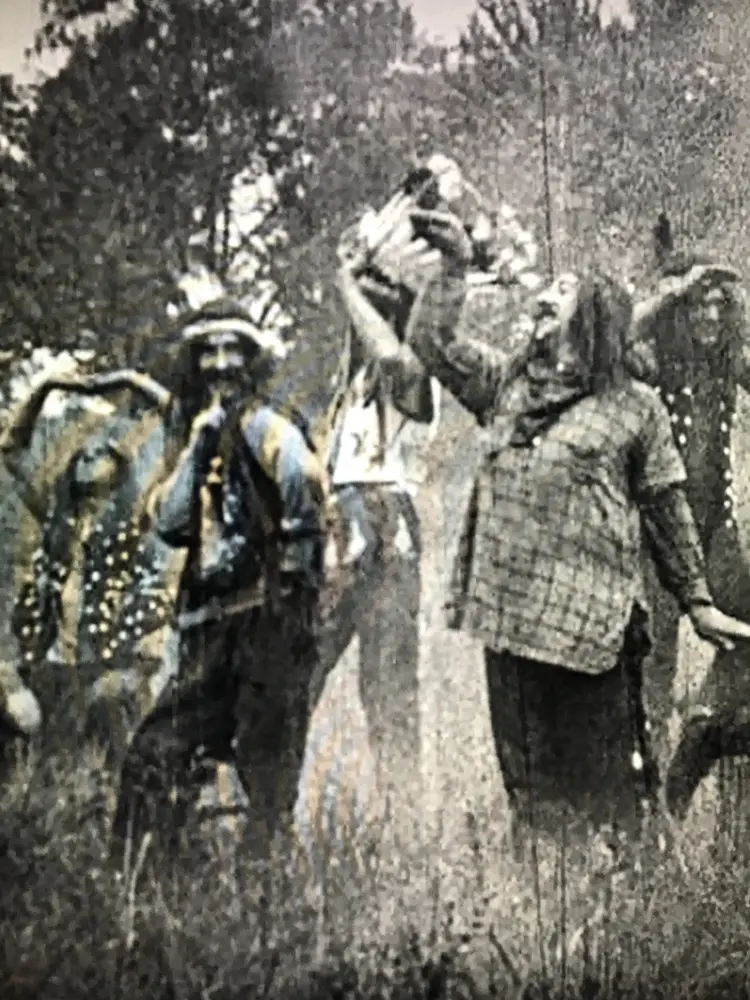
In an era when algorithms monetize attention and climate collapse is no longer metaphor, Wild feels like a dispatch from the frontlines of the Anthropocene. Its glaciers are gone; the Sierra snowpack currently sits at thirty percent of historical norms. Watching Perez and Earle negotiate frostbite love-letters becomes a séance for a planet that still had winters.
Moreover, the film’s distrust of institutional language prefigures our own post-truth malaise. When words fail, bodies speak—sometimes in pain, sometimes in pratfalls. The couple’s final act of burning their own image is every selfie-taker’s nightmare: immortality traded for one more minute of warmth.
For decades the only known copy was a 9.5-mm Pathé stencil in a Slovenian psychiatric archive, misfiled under "Therapeutic Laughter." A 2019 4-K restoration by the Cinematheque of Piran salvaged ninety-two percent of the runtime; the remaining gaps are bridged by tinting that oscillates between cadaver-blue and arterial-orange. Most reputable streamers now host the restoration, often bundled with How Could You, Jean? for surreal contrast.
If you can, catch it on the big screen. The glacier sequence—where the lovers’ shadows fuse into a single, many-armed totem—deserves pixels the size of your existential dread.
Masterpiece is too polite; curio is too small. Wild is a flare shot into the permafrost of cinema history, revealing bones we forgot we buried. It will freeze your smirk, thaw your assumptions, and leave you shivering in the best possible way. Watch it with someone whose hand you are prepared to lose in the dark.
Rating: 9.5/10 frozen breaths.
IMDb —
1922
Community
Log in to comment.