DbcultAccessing Vault...
7.9/10
Senior Film Conservator
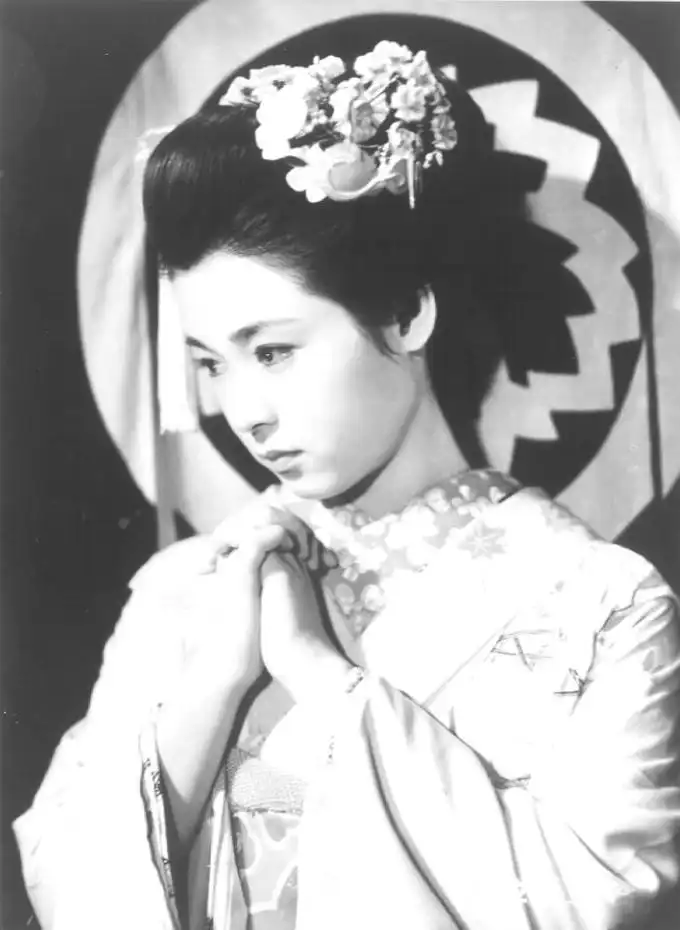
A definitive 7.9/10 rating for a film that redefined the boundaries of cult cinema. Nihonbashi remains a cornerstone of transgressive art.
Alright, let's talk about Nihonbashi. This one? It's definitely not for everyone. If you're into early Japanese cinema, especially the silent stuff, and you don't mind a pretty heavy story, then yeah, give it a look. But if you're expecting anything fast-paced or light, you'll probably bounce off it hard. This is a slow burn, a real peek into a specific time and place.
It's about this young woman, Kiyoka, working in a factory, living with her uncle and his wife in Tokyo. Things are tight, you know? When the uncle loses his job, the path they choose for Kiyoka… it's gut-wrenching. They decide to sell her to become a geisha. 💔
The film *make* you really feel the weight of that decision. It’s not a big dramatic confrontation, not usually. More like a quiet, creeping dread that just settles over them. The uncle’s desperation is palpable, even through the silent film acting.
Shizue Natsukawa, who plays Kiyoka, she does a lot with her eyes. You can see the shift, from a working girl to someone forced into a different life. It’s subtle, but it sticks.
There's this one scene, after the decision is made, where she's just sitting, looking out a window. The camera *just sit* there for a long time, not moving. It lets you feel her resignation, her quiet, heavy acceptance. It’s a quite difficult watch, but powerful.
The transition from the noisy factory floor to the ornate, but still confining, geisha house is really stark. It's like she trades one kind of labor for another, just prettier. The film doesn't glamorize it at all. It shows the training, the strictness, the constant pressure.
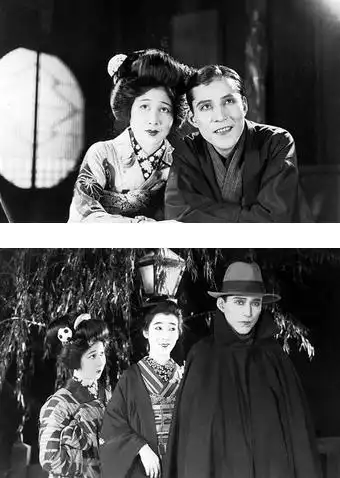
And the characters around her, they’re not all villains. Yoneko Sakai as the aunt, she has this weary look, like she’s just as trapped. You get the sense everyone is just trying to survive in a harsh world. No easy answers here.
Some of the acting can be a bit over-the-top, like you’d expect from the era, but the core emotion always gets through. Especially when Kiyoka is just… *existing* in her new role. The way the light *fall* on her face in certain frames, it's just beautiful and sad at the same time.
It’s really interesting to see the Tokyo of that time, the bustling streets, the traditional homes. You feel like you’re getting a little window into history. The School Days in Japan film, for example, gives a different vibe, but this one, it’s all about the grittier reality beneath the surface.
The pacing, it's deliberate. It takes its time. Sometimes you might wish it moved a little faster, but then you realize that slowness is part of the experience. It lets the quiet tragedy sink in.
The ending, it's *not really* a happy one. But it feels honest, you know? It doesn't try to wrap things up neatly. It just leaves you with Kiyoka’s journey, and the knowledge that life goes on, even when it's unfair.
This movie, it’s a good one if you want to understand the foundations of Japanese cinema. It’s not just a historical curiosity; it still has a lot to say about tough choices and societal pressures. Give it a shot if you're in the mood for something thoughtful and a bit melancholic. 🎞️
IMDb 5.1
1933
Community
Log in to comment.