DbcultAccessing Vault...
Cult Review
Senior Film Conservator
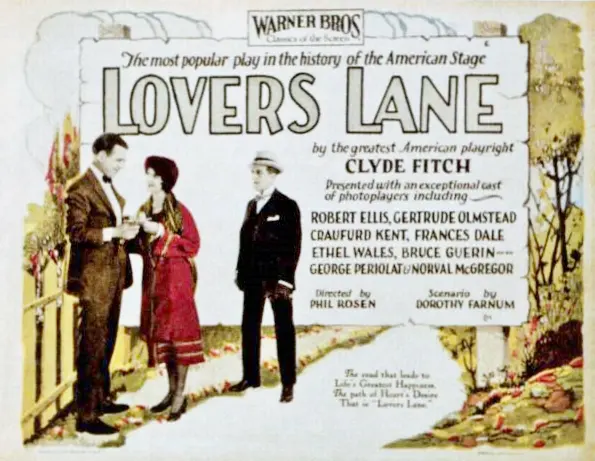
Stepping back into the hallowed halls of silent cinema offers a unique opportunity to witness storytelling in its purest, most visually articulate form. Among the myriad narratives that flickered across the silver screen in the 1920s, Lovers' Lane (1924) emerges as a surprisingly nuanced exploration of human nature, societal expectations, and the often-unseen battles waged within the quiet confines of a small town. This film, penned by the collaborative genius of Clyde Fitch and Dorothy Farnum, transposes a seemingly simple premise into a compelling study of character, desire, and duty. It’s a testament to the era’s ability to imbue melodrama with genuine emotional resonance, even without the aid of spoken dialogue.
At the narrative's core is Dr. Robert Grayson, portrayed with a stoic nobility by Crauford Kent. Kent, a veteran of the silent screen whose career spanned decades, masterfully conveys the quiet dedication of a man whose life is inextricably linked to the welfare of his community. His character is not merely a physician; he is the moral compass, the steady hand, the trusted confidant of the townspeople. Every gesture, every flicker of his eyes, speaks volumes about his profound sense of responsibility. He embodies a type of heroism that is less about grand, dramatic acts and more about consistent, selfless service. His days are consumed by house calls, late-night emergencies, and the myriad small kindnesses that bind a doctor to his patients in an era before advanced medical technology and sprawling hospitals. This portrayal resonates with a timeless appeal, reminding us of the foundational role community healers once played.
However, the tranquility of Grayson's purposeful existence is shattered by the arrival—or perhaps, the relentless persistence—of Jane Weston, brought to vivid, if somewhat unsettling, life by Aileen Manning. Weston is a woman of means, accustomed to having her every desire met, and her pursuit of Dr. Grayson is less about genuine affection and more about the thrill of the chase, the conquest of a seemingly unattainable prize. Manning's performance is crucial here; she doesn't play Weston as a villain in the traditional sense, but as a force of nature, a whirlwind of privilege and caprice. Her gestures are grander, her expressions more overtly dramatic, reflecting a character unburdened by the same societal constraints or moral rectitude that define Grayson. The contrast between Kent's understated gravitas and Manning's vivacious audacity creates a palpable tension that underpins much of the film's dramatic thrust.
The central conflict of Lovers' Lane is not merely a romantic entanglement; it's a profound clash of ideologies and social strata. Dr. Grayson represents the working professional, the pillar of the community whose value is measured in his contributions to public welfare. Jane Weston, on the other hand, embodies the idle rich, whose existence is defined by leisure and self-gratification. Her wealth grants her a certain freedom, yet it also isolates her from the communal bonds that ground Grayson. Her relentless pursuit of him, despite repeated rejections, is not just an act of infatuation; it's an assertion of privilege, a belief that anything and anyone can be acquired if enough persistence (or influence) is applied. This dynamic explores the subtle power struggles inherent in small-town life, where reputation is paramount and social standing can be both a blessing and a curse. The film deftly illustrates how a single-minded individual, particularly one of means, can disrupt the delicate equilibrium of a close-knit society.
The complications that ensue are multifaceted. Weston's actions inevitably lead to gossip and speculation, threatening Grayson's professional standing and personal peace. The townspeople, initially perhaps amused, soon become concerned, their loyalties tested. This social pressure adds another layer to Grayson's predicament, forcing him to navigate not just Weston's advances, but also the judgments and expectations of his community. It's a subtle commentary on the double-edged sword of small-town living: the warmth of community support often comes hand-in-hand with intense scrutiny. This theme of reputation under siege, or the moral dilemmas faced by a protagonist, can be seen in other silent dramas, though perhaps less overtly than the societal critique in a film like The Little Church Around the Corner, which also grapples with community and social standing.
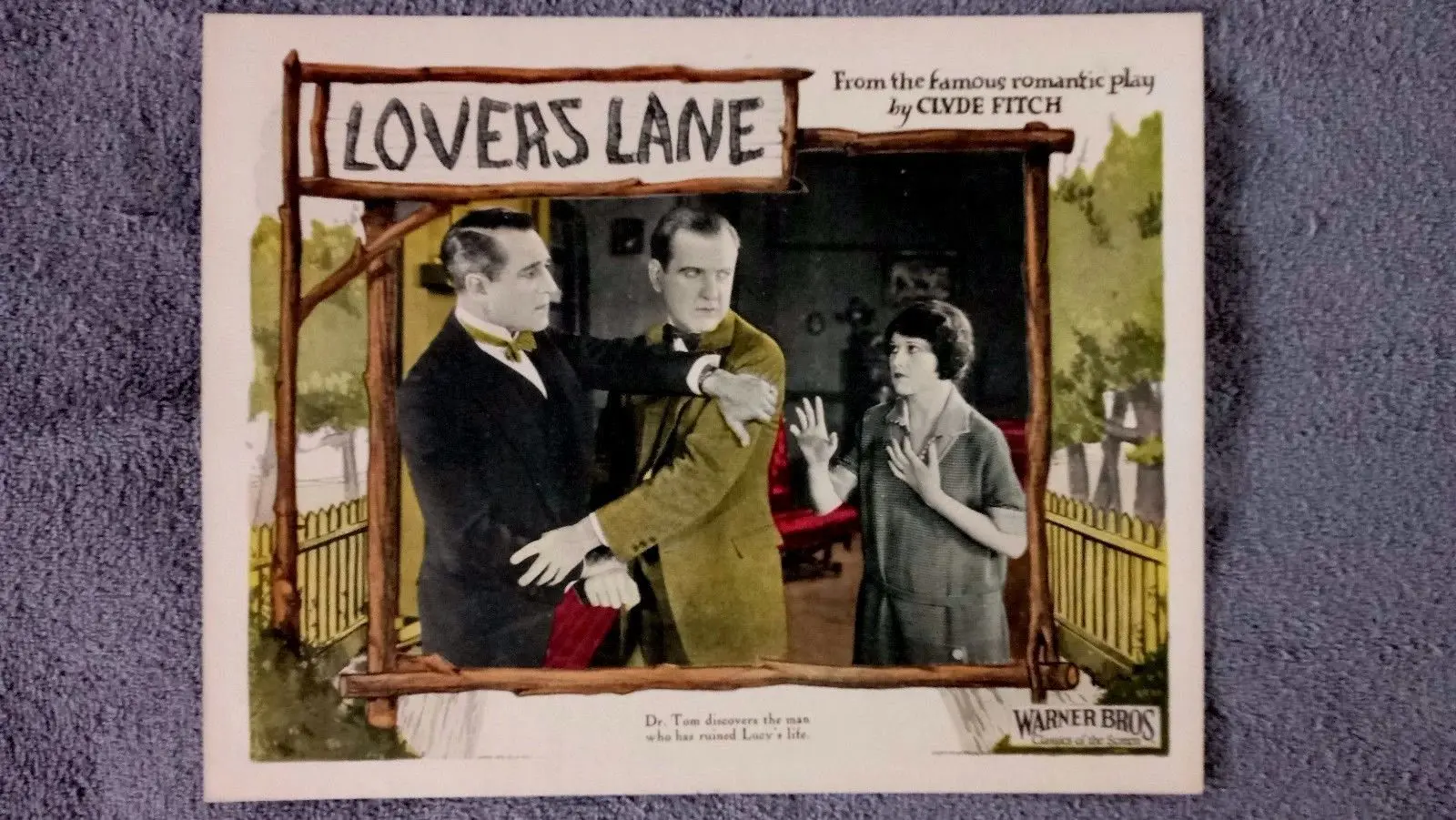
While Kent and Manning anchor the film, the supporting cast provides the rich texture of the small-town setting. George Periolat, Maxine Elliott Hicks, Robert Ellis, Gertrude Olmstead, and Ethel Wales, among others, contribute to the authenticity of the world. Each character, even in their brief appearances, adds a stroke to the larger canvas, representing different facets of the community: the concerned elder, the gossiping neighbor, the young lovers, the steadfast friends. Silent cinema often relied heavily on strong ensemble acting to convey the nuances of community life, and Lovers' Lane is no exception. These actors, through their expressions and body language, create a believable backdrop against which the central drama unfolds, amplifying the stakes for Dr. Grayson. The reactions of the townspeople are not merely background noise; they are an active, silent chorus, reflecting and influencing the protagonists' choices.
In the absence of spoken dialogue, the craft of visual storytelling takes center stage. The director, whose name is often lost to the annals of time for many silent films, orchestrates a ballet of expressions, gestures, and cinematic techniques to convey emotion and advance the plot. The use of close-ups on Crauford Kent's face, for instance, allows the audience to delve into Dr. Grayson's internal struggle, his quiet exasperation, and his unwavering resolve. Similarly, Aileen Manning's more expansive gestures and expressive eyes communicate Jane Weston's audacity and relentless drive. The film likely employs classic silent film techniques such as iris shots, fades, and dramatic lighting to emphasize key moments and emotional beats. Intertitles, sparingly used but impactful, provide crucial dialogue and narrative exposition, guiding the audience through the emotional landscape of the story. The pacing, though perhaps slower by modern standards, allows for a deeper immersion into the characters' inner lives and the unfolding social drama. One can imagine the visual parallels to the intricate social dances depicted in films like His House in Order, where visual cues and character interactions carry significant weight.
Beyond its surface narrative of unrequited pursuit, Lovers' Lane delves into themes that remain remarkably pertinent today. The film explores the conflict between personal desire and professional duty, a dilemma that many still grapple with. Dr. Grayson's commitment to his patients is absolute, yet Weston's relentless advances threaten to compromise his integrity and distract him from his calling. This creates a compelling ethical quandary: how does one uphold one's moral obligations when faced with persistent, self-serving pressures? The film also touches upon the power dynamics inherent in relationships, particularly when wealth and social standing are unevenly distributed. Weston's belief that she can simply 'have' Grayson because she desires him is a commentary on the entitlement that can accompany privilege, a stark contrast to Grayson's earned respect and position. The film asks us to consider what truly constitutes value in a person—is it their material possessions or their character and contributions to society?
The small-town setting amplifies these themes. In a larger city, Jane Weston's pursuits might be lost in the anonymity of the crowd, but in a close-knit community, every action has repercussions, every rumor spreads like wildfire. This amplifies the stakes for Dr. Grayson, as his reputation is not just his own, but inextricably linked to his ability to serve the town. It highlights the delicate balance between individual autonomy and communal responsibility. The quiet resilience of Dr. Grayson in the face of such persistent, disruptive attention becomes a central pillar of the film's message, portraying a strength of character that transcends the simple romantic narrative. This echoes the quiet heroism sometimes found in films like Miyama no otome, where personal resolve drives the narrative against societal pressures.
Lovers' Lane, while perhaps not as widely recognized as some of its contemporary blockbusters, offers a rich and rewarding viewing experience for those willing to engage with the unique language of silent film. Its strength lies in its ability to tell a deeply human story with minimal exposition, relying instead on the expressive power of its actors and the evocative nature of its visual design. It's a reminder that compelling drama doesn't require complex special effects or booming soundtracks; it requires relatable characters, authentic conflicts, and a keen understanding of the human heart. The film's portrayal of a steadfast individual navigating the complexities of social pressures and unwanted advances speaks to universal experiences, making it resonate even a century later. It stands as a testament to the enduring power of narrative, demonstrating how the silent era laid much of the groundwork for the cinematic storytelling we cherish today. For anyone interested in the foundational elements of screen drama, or simply a poignant tale of resilience and integrity, Lovers' Lane offers a compelling journey down a path less traveled, yet full of profound insights into the human condition. It’s a quiet triumph, a film that whispers its truths rather than shouts them, leaving a lasting impression long after the final flicker of the projector light fades.
IMDb 7
1933
Community
Log in to comment.