DbcultAccessing Vault...
Cult Review
Senior Film Conservator
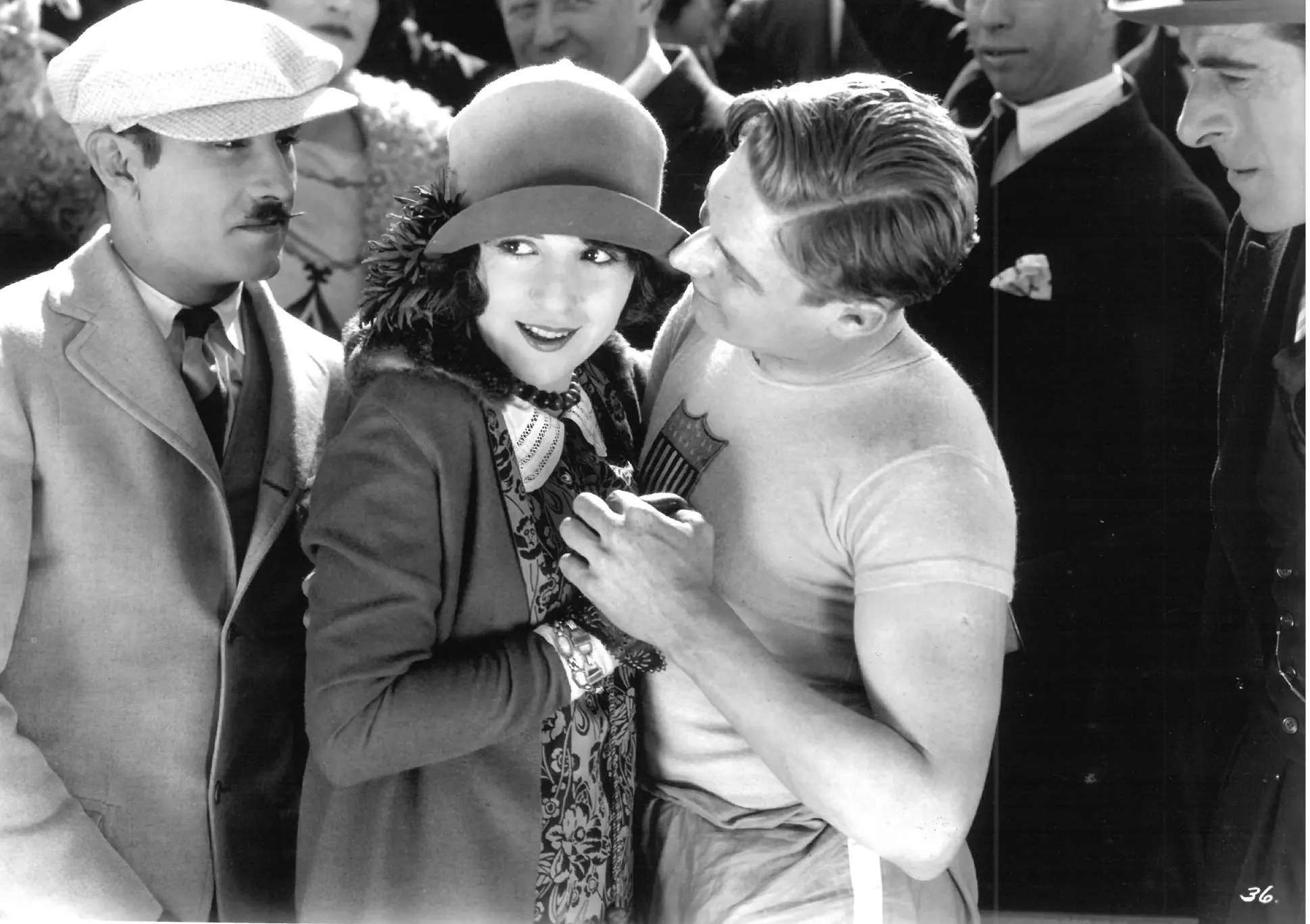
Is Nine and Three-Fifths Seconds worth watching today? Short answer: yes, but with significant caveats. This 1925 silent film, starring real-life Olympic sprinter Charles Paddock, offers a fascinating glimpse into early cinematic storytelling and the undeniable star power of athletic heroes, making it a compelling watch for film historians and silent era aficionados. However, its often simplistic narrative and melodramatic pacing will likely deter casual viewers accustomed to modern narrative complexities and faster cuts.
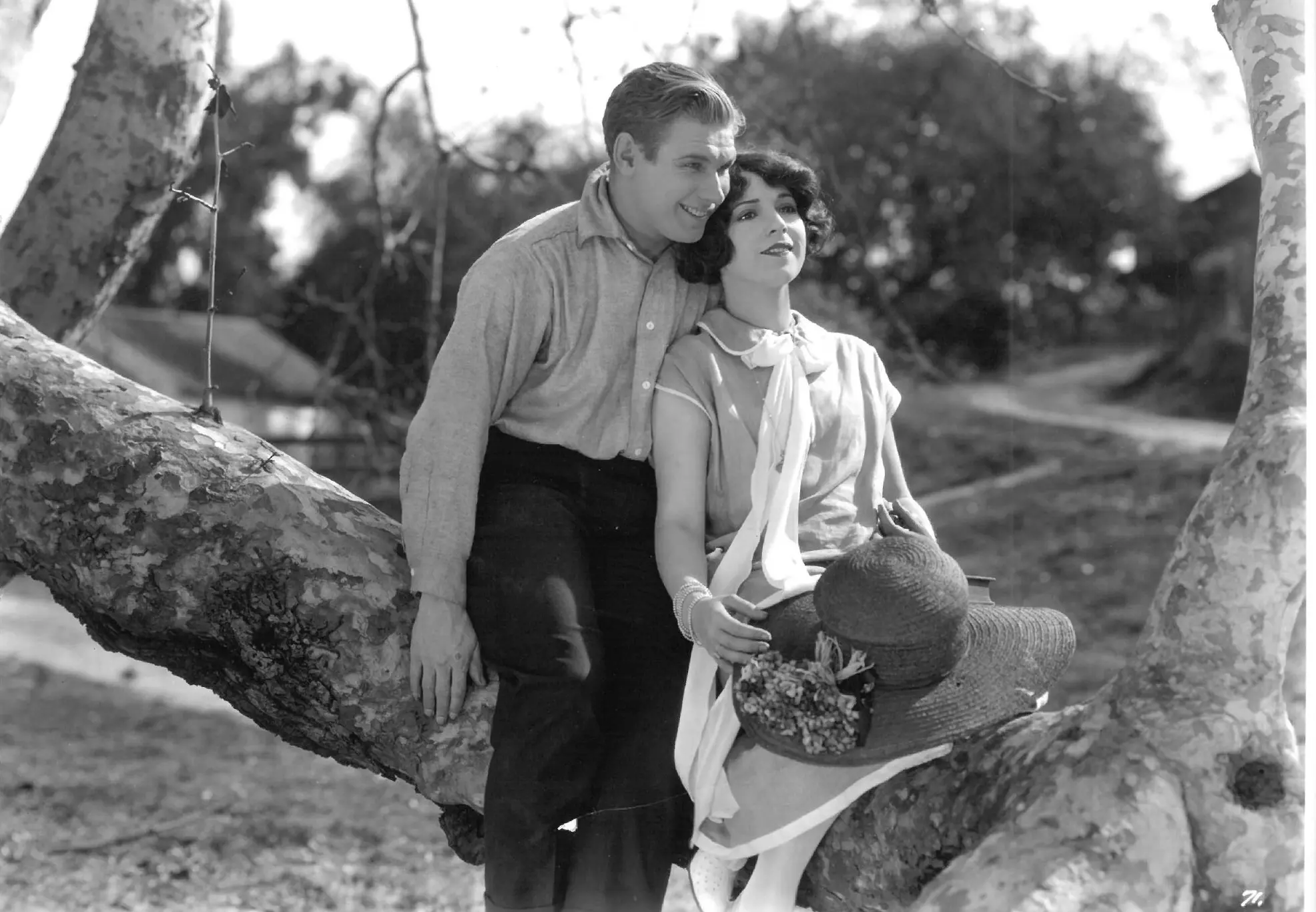
It's a curio, a time capsule, rather than a timeless classic. For those deeply invested in understanding the evolution of film and the cultural landscape of the 1920s, it provides genuine insight. For others seeking a universally engaging drama, its limitations might prove too substantial.
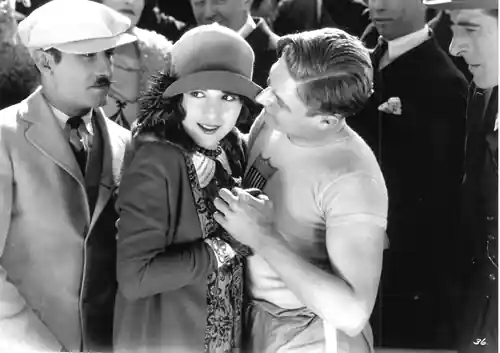
This film works because of its unique casting of an actual Olympic athlete, lending an undeniable authenticity to the physical feats depicted, particularly the climactic race sequences. The sheer physicality of Charles Paddock, a genuine world-record holder, transcends the limitations of silent film acting, imbuing his character with a kinetic energy that feels remarkably modern.
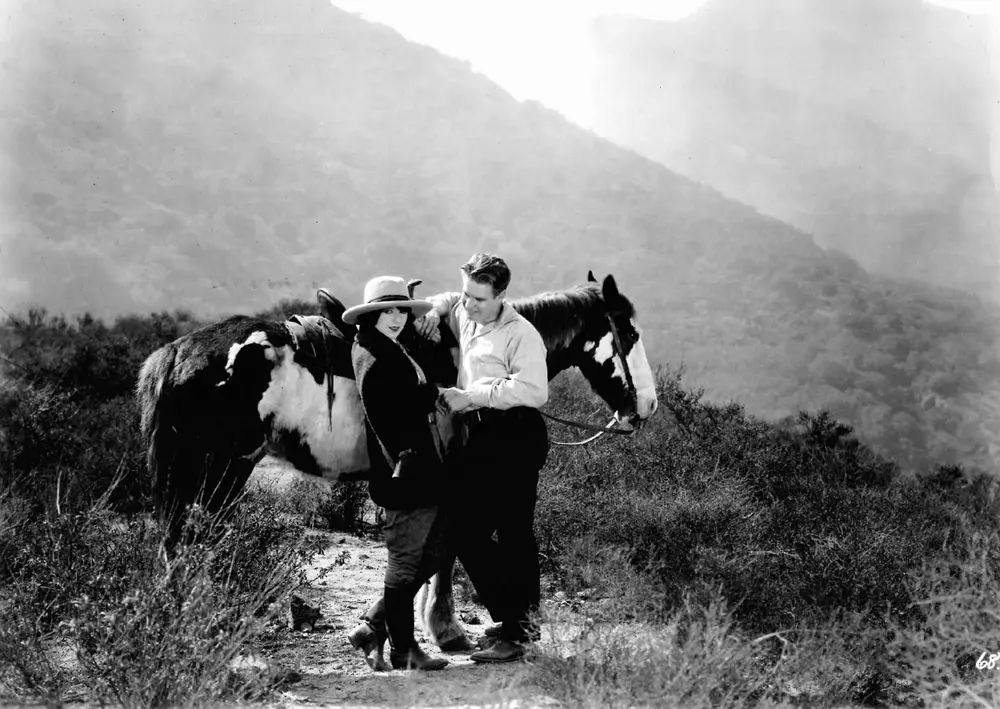
This film fails because its rudimentary plot, while charming in its innocence, lacks the nuanced character development and thematic depth required to truly transcend its era. The motivations of characters often feel underdeveloped, serving plot functions rather than organic emotional arcs. The villain, for instance, is painted in broad, unambiguous strokes, a stark contrast to the complex antagonists we expect today.
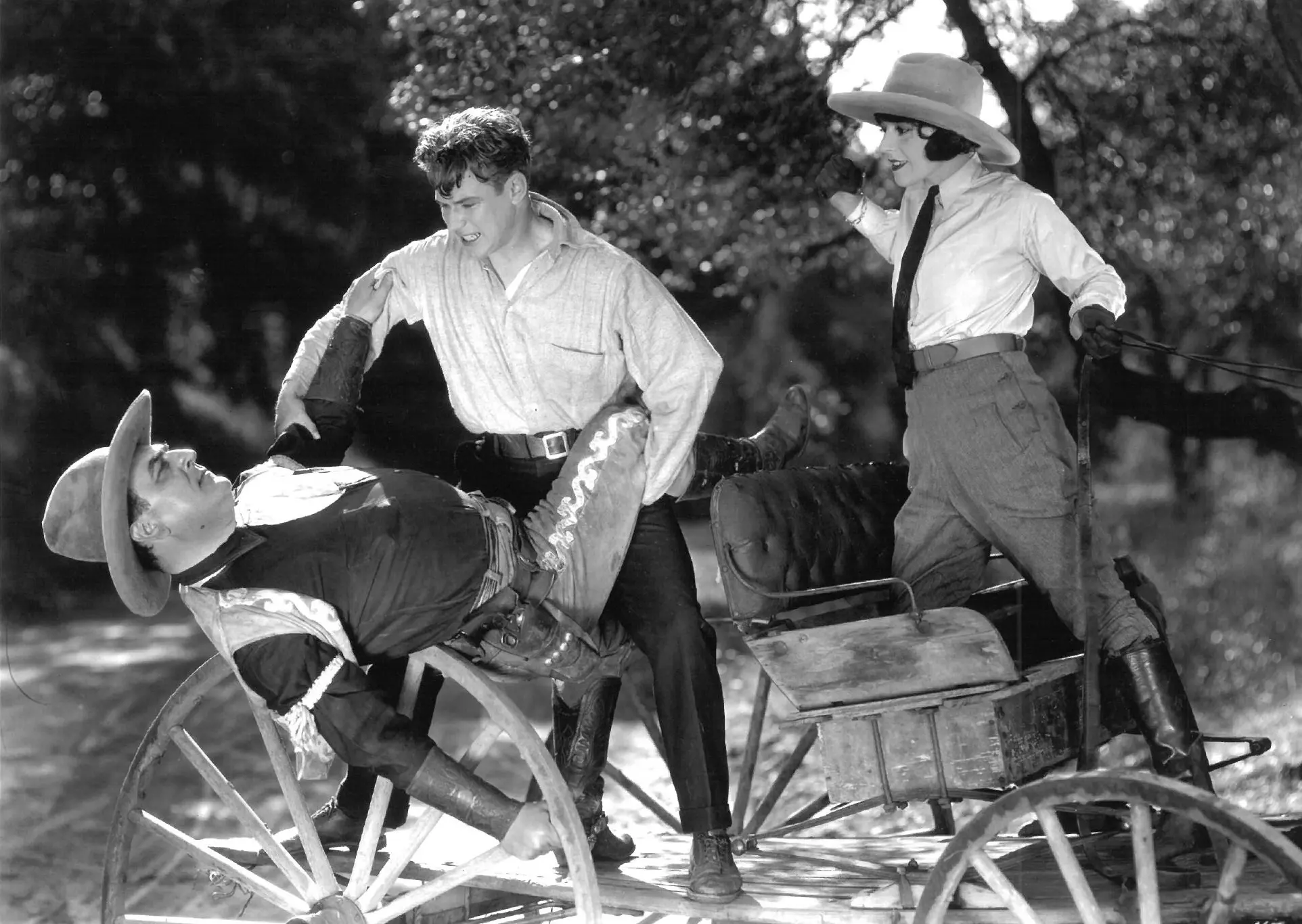
You should watch it if you have a keen interest in the evolution of sports cinema, appreciate the raw, unadorned storytelling of the silent era, or are simply curious about Charles Paddock's brief foray into Hollywood. It’s a vital piece of cinematic history, even if it doesn't always roar with contemporary relevance.
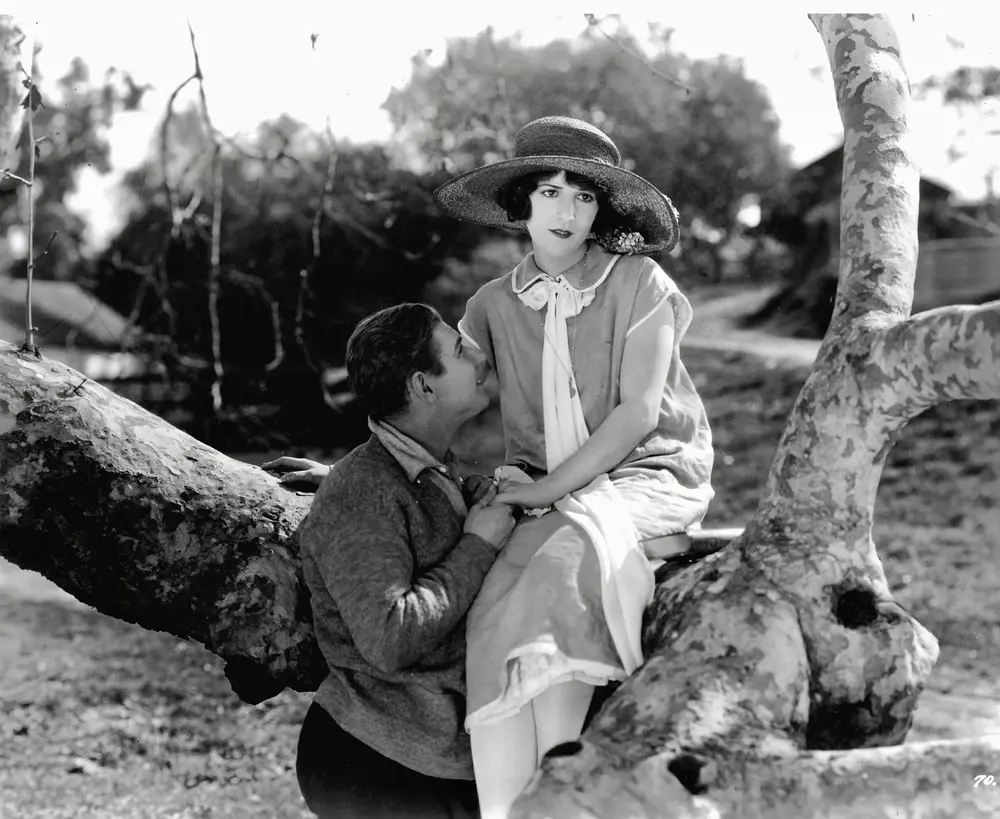
Nine and Three-Fifths Seconds charts a narrative path that feels both archetypal and deeply rooted in the melodramatic conventions of its time. We are introduced to Charley Raymond, a college athlete whose life is upended not by a grand tragedy, but by the quiet tyranny of familial disapproval. Disowned by his father, he embarks on an involuntary journey of self-discovery, stripped of his identity and possessions by an opportunistic hobo.
The assumption of the hobo's tattered garments and the casual adoption of the nickname 'Chuck' mark his descent into anonymity. It’s a compelling, if somewhat convenient, narrative device, forcing our hero to shed the trappings of privilege and confront the world on its own terms. This transformation is pivotal, framing his subsequent triumphs not just as athletic victories, but as profound personal vindication.
His accidental expulsion from a freight train — a classic trope of the era — deposits him into a new, unfamiliar landscape, where he finds solace and purpose in the
IMDb 4.9
1932
Community
Log in to comment.