DbcultAccessing Vault...
6.8/10
Senior Film Conservator
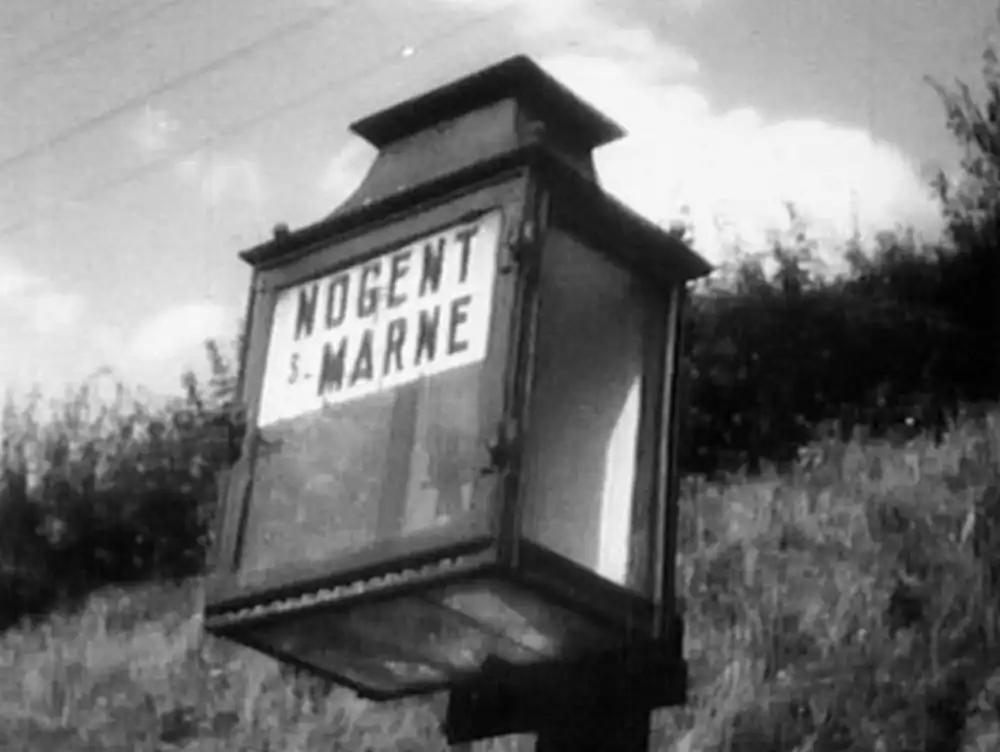
A definitive 6.8/10 rating for a film that redefined the boundaries of cult cinema. Nogent, Eldorado du dimanche remains a cornerstone of transgressive art.
Alright, so you’re thinking about a Sunday afternoon, right? Maybe a little trip out of the city? That’s kind of the vibe of Nogent, Eldorado du dimanche. If you’re into old films, especially documentaries that just _watch_ people, then yeah, this one’s worth a look. It’s for folks who appreciate a quiet, almost melancholic, stroll through history. But if you need a story, dialogue, or, you know, _things happening_, you’ll probably find this a bit of a snooze. It’s very much a film that asks you to slow down.
Marcel Carné, who was just 20 years old when he made this, captures a specific slice of life. It’s 1929, and we’re on the edges of the Marne river, where Parisian city dwellers come for their Sunday escape. You see them arriving, folks in their best clothes, looking a little tired from the week.
The film opens with these almost painterly shots of the river. Boats just glide by. There’s a sense of calm, but also a hint of something just under the surface. It’s not all sunshine and smiles, even if they’re trying to make it so.
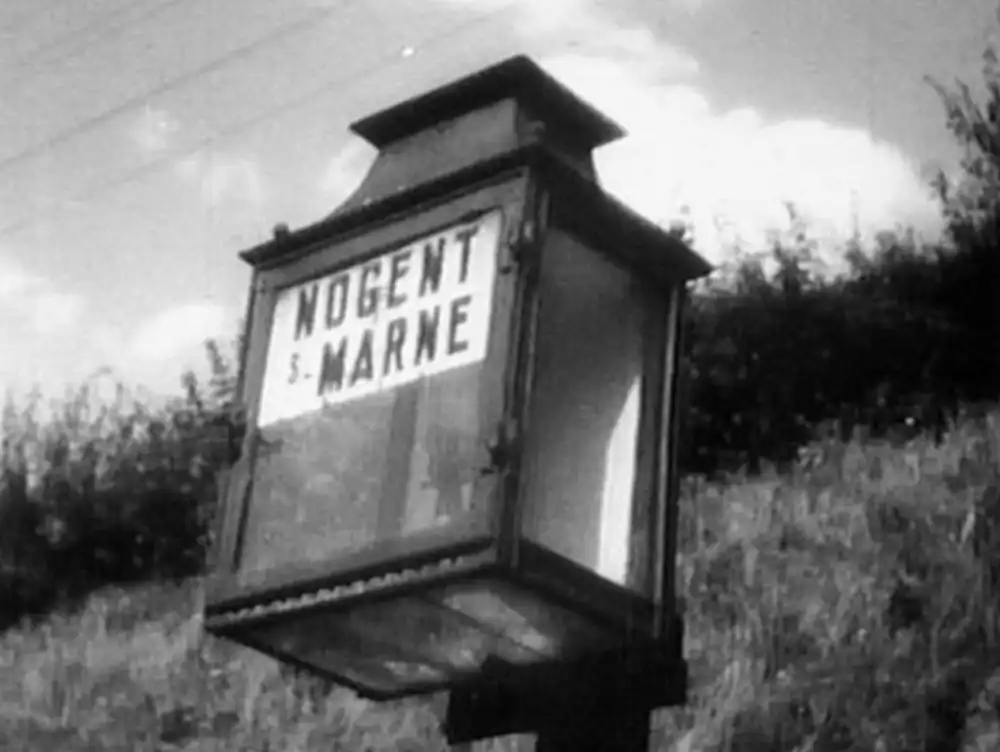
Then you get to the ginguettes, these outdoor dance halls. People are dancing, but it’s not exactly wild abandon. More like a polite, almost formal kind of fun. You can practically _feel_ the week’s work still clinging to them a bit. One shot, in particular, shows a couple dancing, and the woman’s expression is just so… distant. Like she’s there, but her mind is somewhere else entirely. It’s a subtle thing.
There are these small, almost blink-and-you’ll-miss-them moments. A kid looking bored while his parents dance. Someone eating a sandwich with such intense focus. It’s like Carné just pointed his camera and let life unfold. No big pronouncements, just observation. 📸
What really stuck with me was the contrast. The city folk, probably cooped up all week, trying to find this **idyllic escape**. But the film kind of whispers that it’s not _quite_ what they hoped for. It’s still a bit mundane, still a bit… _laborious_, even in their leisure. Like they’re working at having fun.
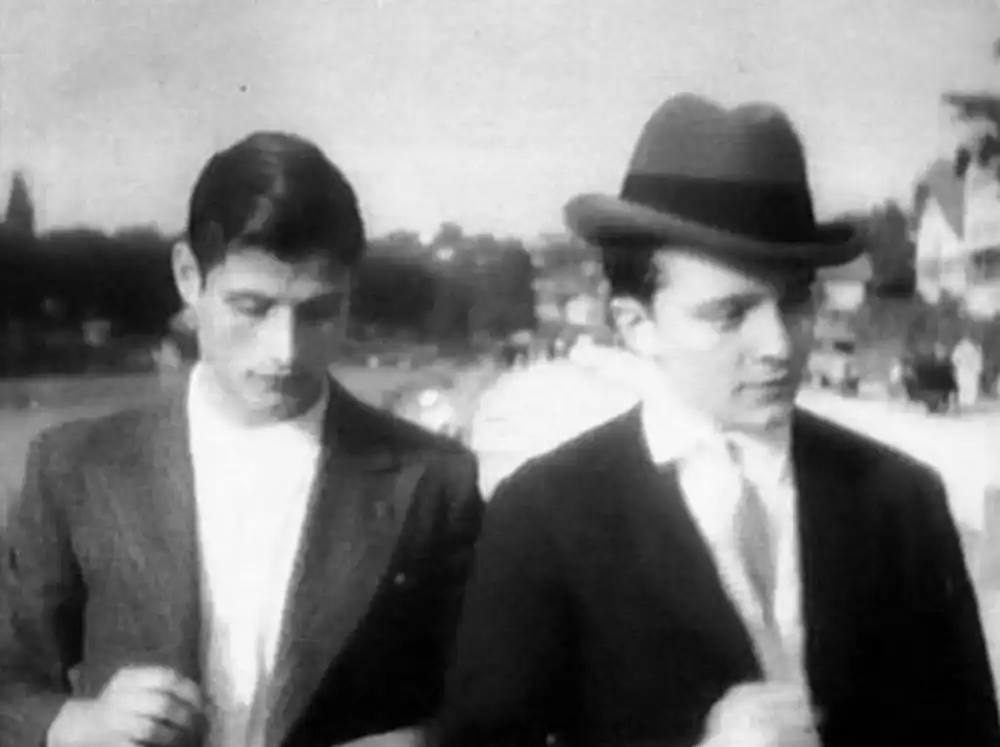
The boats on the river are a recurring image. They feel symbolic, somehow. Moving along, but not really going anywhere fast. Just drifting. It makes you think about how people in any era seek a break, but maybe those breaks don't always deliver the profound rejuvenation we imagine.
Carné doesn't force any grand message. He just shows you. The way the light hits the water, the expressions on the faces. There’s one shot of a group eating outside, and the framing makes them look almost isolated, even though they’re together. It’s a clever bit of visual storytelling without needing any words.
Some critics have put this film alongside things like Robert Siodmak’s People on Sunday. And I get that. They both have that feeling of watching real people in a specific moment, without a lot of fuss. It’s less about a plot and more about a mood. A Sunday mood, you could say.
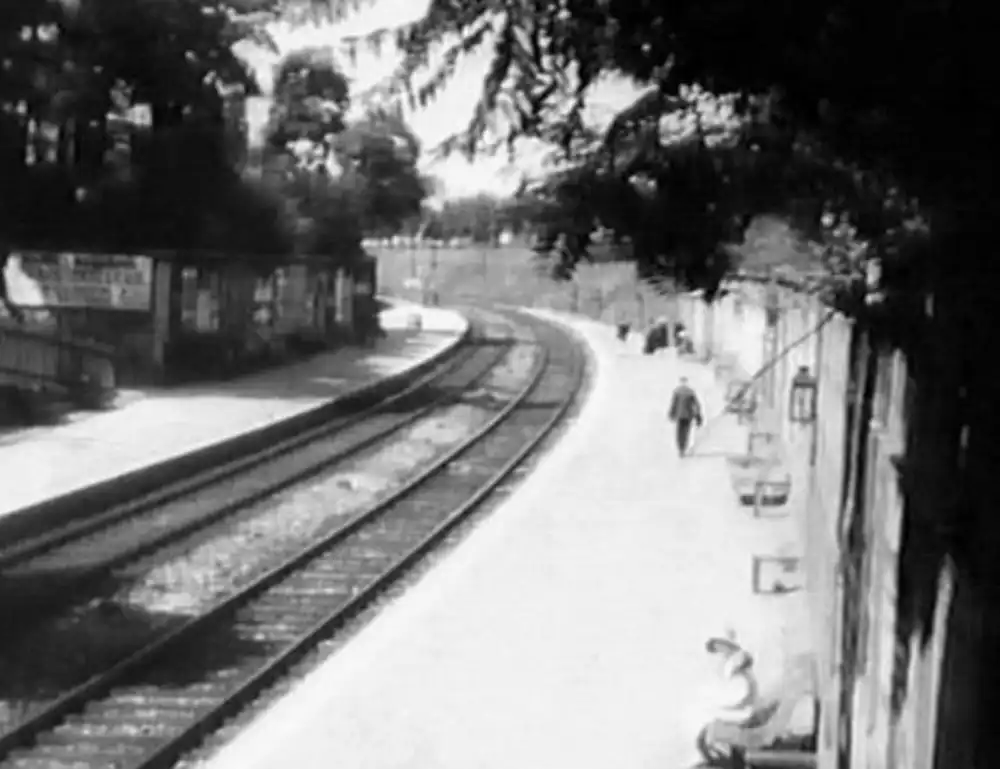
This isn't a film you put on for a party. It's for a quiet evening, maybe when you're feeling a bit reflective. It’s a window into a past that feels both familiar and incredibly distant. You see the universal human desire for escape, but also the universal reality that even escape can have its own quiet weight. It’s _not_ a feel-good movie, but it is a **feel-something** movie.
A few random thoughts that popped up:
It feels like a sketch, really. A beautiful, slightly sad sketch of a Sunday in Nogent. Carné didn't need a huge budget or big stars. He just needed a camera and an eye for the quiet truths.
IMDb 6.8
1921
Community
Log in to comment.