DbcultAccessing Vault...
Cult Review
Senior Film Conservator
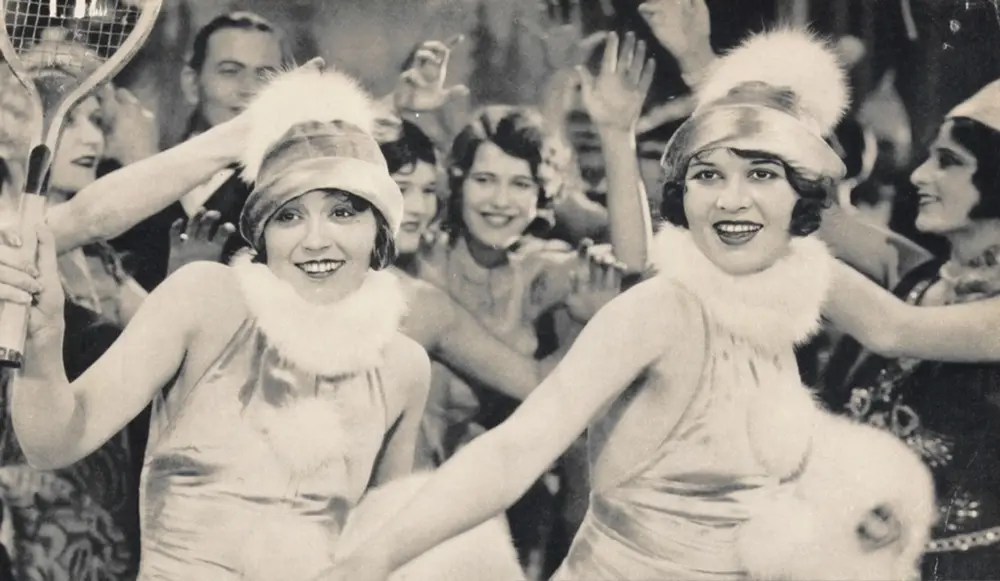
Is Not So Big worth watching today? Short answer: yes, but with significant caveats that pivot more on historical appreciation than pure entertainment value for a modern audience. This film is unequivocally for the dedicated silent cinema enthusiast, the film historian, and those fascinated by the foundational elements of screen comedy, but it is decidedly not for the casual viewer seeking contemporary pacing or readily accessible humor.
'Not So Big' arrives from an era where cinema was still finding its voice, literally and figuratively. As an early film, likely a short comedy given its cast and the prolific output of the period, it exists more as a historical artifact than a widely accessible narrative. Its very title, 'Not So Big,' immediately conjures images of slapstick scenarios where a seemingly minor character or an inconsequential event spirals into comedic mayhem. This was the bread and butter of silent shorts, designed for quick laughs and a rapid turnover in the nickelodeons and early picture palaces.
Without a readily available plot synopsis, a critic's role shifts from dissecting specific narrative beats to interpreting the film's broader cultural context and the implications of its form. We are invited to imagine a world where physical comedy reigned supreme, where a raised eyebrow or a precisely timed pratfall communicated entire volumes. This is the lens through which 'Not So Big' must be viewed: not as a narrative masterpiece in the modern sense, but as a potential masterclass in a now-lost art form.
This film works because of its potential as a historical artifact, offering a window into the comedic sensibilities and performance styles of an almost forgotten era, particularly through the physical talents of its ensemble cast.
This film fails because its specific plot details are largely lost to time, making a direct critical engagement with its narrative impossible, and its humor, like many silent shorts, can feel dated without contextual understanding.
You should watch it if you possess a genuine curiosity for the origins of screen comedy, appreciate the nuanced art of silent physical performance, and are prepared to engage with a piece of cinema history rather than a conventional viewing experience.
The success of any silent comedy hinged almost entirely on the expressive power of its performers and the ingenuity of its director. In 'Not So Big,' the cast — Al Cooke, Danny O'Shea, Kit Guard, Thelma Hill, and Lorraine Eason — represents a cross-section of silent era talent, often specializing in shorts and physical humor. Al Cooke, known for his energetic presence, likely served as a central figure, perhaps the unwitting protagonist whose 'not so big' problem balloons out of control. His ability to convey frantic energy without dialogue was crucial.
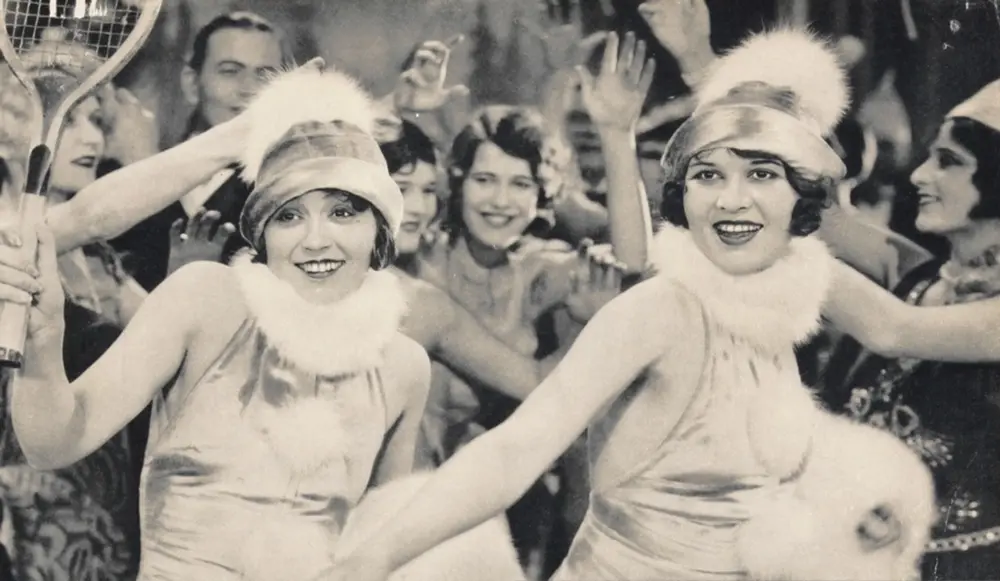
Thelma Hill, a veteran of Mack Sennett’s famed Bathing Beauties, brought a blend of glamour and sharp comedic timing. Her presence suggests a more refined comedic touch, perhaps playing a foil or a love interest whose exasperation with the male leads provides additional layers of humor. One can easily imagine her character, perhaps a frustrated romantic interest, reacting with perfectly timed exasperation to Al Cooke's antics, her expressions carrying the narrative weight that dialogue would later assume.
Kit Guard, a prolific stuntman and character actor, would have been indispensable for the physical gags. His expertise in falls, chases, and general on-screen mayhem would have ensured that the film's 'big' moments of physical comedy landed with precision and impact. The seamless execution of a complex chase sequence, for instance, a hallmark of the era, would have relied heavily on Guard's physical prowess and the director's careful staging.
Directing in this era was less about subtle character arcs and more about visual storytelling, rhythm, and the choreography of chaos. The director of 'Not So Big' would have been tasked with orchestrating a symphony of movement, ensuring that every gesture, every facial expression, and every physical gag contributed to the overarching comedic effect. This required an almost theatrical precision, where the camera was a static observer of meticulously planned mayhem.
Cinematography in silent films, especially comedies, was often utilitarian but could be surprisingly inventive. While 'Not So Big' likely relied on static wide shots to capture the full scope of its physical gags, there would have been moments of clever framing to emphasize a character's predicament or a crucial visual punchline. Consider a scene where a character, perhaps Al Cooke, is trapped in a ludicrously small space, the camera holding tight to his contorted face to amplify the absurdity. Such simple techniques were incredibly effective.
The pacing of silent shorts was typically brisk, a relentless march towards the next gag. Unlike feature films of the era, which could afford more contemplative moments, shorts like 'Not So Big' were designed to deliver laughs quickly and efficiently. The narrative momentum would have been driven by escalating comedic situations, each one building on the last, pushing the characters deeper into their 'not so big' troubles. This rapid-fire approach meant that even a minor lull could be detrimental.
The tone would have been lighthearted and farcical, embracing exaggeration and absurdity. Silent comedy, often dismissed as mere slapstick, harbors a sophisticated physical grammar that modern cinema rarely achieves. It’s not just about falling; it’s about how you fall, the reaction shot, the build-up, and the payoff. The humor in 'Not So Big' would have stemmed from relatable human predicaments magnified to cartoonish proportions, a universal language of laughter that transcends the absence of spoken words.
For
IMDb 5.8
1921
Community
Log in to comment.