DbcultAccessing Vault...
Cult Review
Senior Film Conservator

A canvas of lava and lambskin
There are films that narrate; Joseph incises. From the first vulcanian blush over the Tyrrhenian shoreline, cinematographer Fabbris treats light like corrosive acid—colors don’t merely tint the frame, they eat it. The ochre dust of rural Sicily becomes a proto-cinema of poverty, grains swirling across the lens until the very act of seeing feels abrasive. When the camera tilts up toward the child’s face, the Vesuvian plume is perfectly centered like a wound in the sky, a visual contract that every subsequent eruption—emotional or geological—will honor.
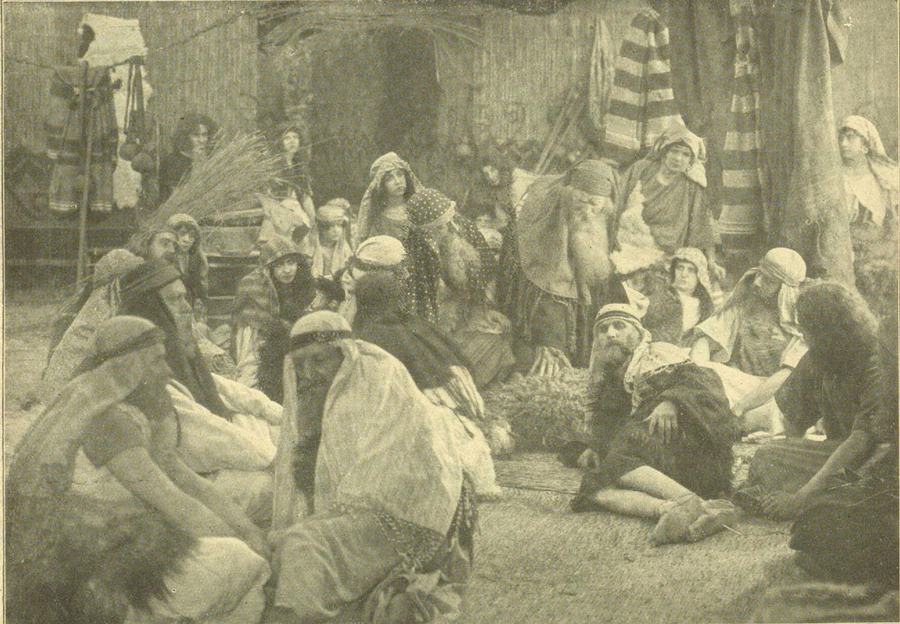
Auteurial lineage? One thinks of Dionysus' Anger where myth bled into modernity, yet Joseph scorns metaphor; it literalizes the trafficking of innocence, stitching relics from human skin. The monks aren’t a symbol of institutional rot—they are the rot, illuminating manuscripts with pigments ground from the bones of the same urchins who once begged for coins outside their cloister. The film’s central horror is not that evil wears a cassock, but that beauty itself is printed on the disappeared.
Attilio De Virgiliis, a non-professional discovered herding goats near Enna, embodies Joseph with the watchful economy of Bresson’s donkey. His silence isn’t absence but compression: every blink stores centuries. Notice how, in the Paris section, his shoulders remain angled as though still climbing Sicilian scree; exile is not a change of geography but a permanent posture. When he finally utters a full sentence—"I fear the page more than the whip"—the sound is so cracked the subtitle itself seems to bleed.
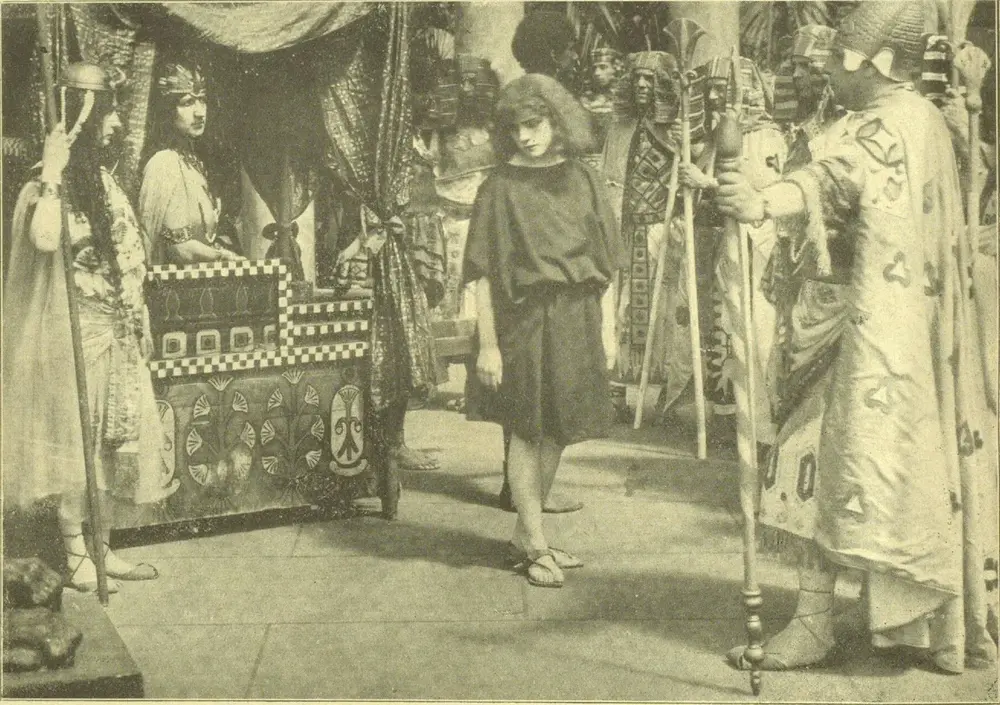
Compare this to the flamboyant despair of Ettore Mazzanti’s Seraphina, a chanteur whose throaty laugh trills like a damaged phonograph. Where Joseph retreats inward, Seraphina pirouettes outward, brandishing artificial beauty as both armor and wound. Their single shared close-up—reflected in a cracked mirror inside a candle-lit boudoir—feels like the entire film folding onto itself: two halves of a split identity negotiating whether art preserves or predates life.
Composer Dedy Dalteno abandons leitmotif for erosion. The abbey’s plainsong is recorded on wax cylinders then re-recorded inside a limestone cave, producing a hollowed resonance that suggests God left the building eons ago. Over this, foley artists layer the crunch of parchment, the sizzle of lapis into oil, the wet tear of skin peeled from a child’s back—sounds that should belong to a butcher’s yard yet, once married to the image of gold leaf being laid onto vellum, birth an unholy synesthesia.
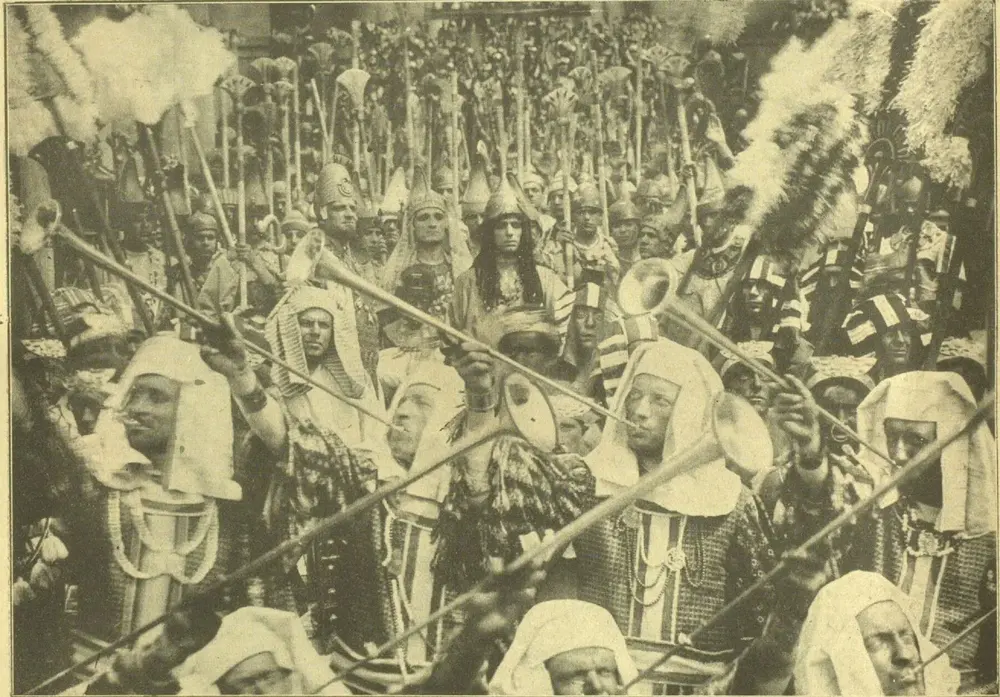
The Paris catacombs sequence is virtually silent save for Joseph’s breathing, filtered through a copper pipe; the effect places us inside his ribcage. When the monks finally chant the Libera me, the reverb is so cavernous each syllable arrives fractured, like Latin after millennia of tectonic drift. You don’t hear the chant—you witness its fossil.
Editors cut on gesture, not geography. A shepherd’s staff slashing air in 1910s Sicily rhymes with a quill slicing parchment in 1920s Paris, implying causality across continents. The film refuses establishing shots; space is deduced only through textures—salt-stiffened canvas, mildewed silk, the powdery bloom of unfinished fresco. The result is a world where chronology is a bruise rather than a scaffold.
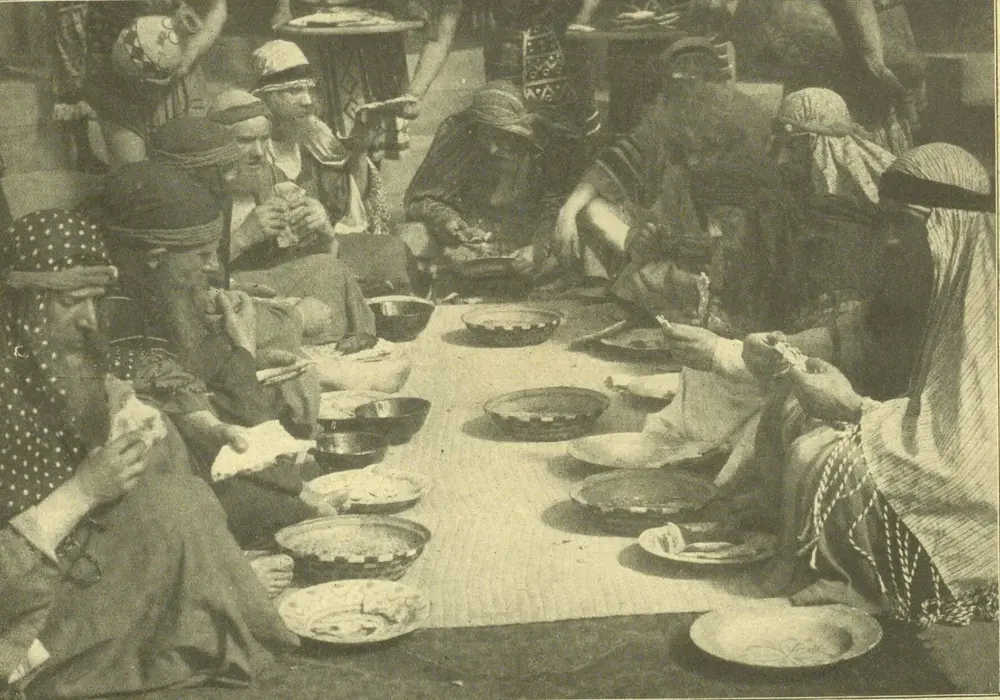
This approach peaks during the underground revelation: shots of child relics are intercut with ultraviolet macro photography of illuminated initials—vermillion dragons, ultramarine seraphim—until the distinction between flesh and illustration dissolves. We are forced to confront the possibility that every historiated letter hides a literal fingerbone, that the history of art is a charnel house wearing a halo.
Joseph’s DNA shares base pairs with Wolves of the Night—both trace how predatory systems masquerade as guardianship—yet where the earlier film externalized evil into lupine specters, Joseph internalizes it into gilt. Likewise, The Selfish Woman anatomized bourgeois narcissism through mirror play; Joseph escalates the gambit by turning selfhood into a palimpsest scraped clean for resale.
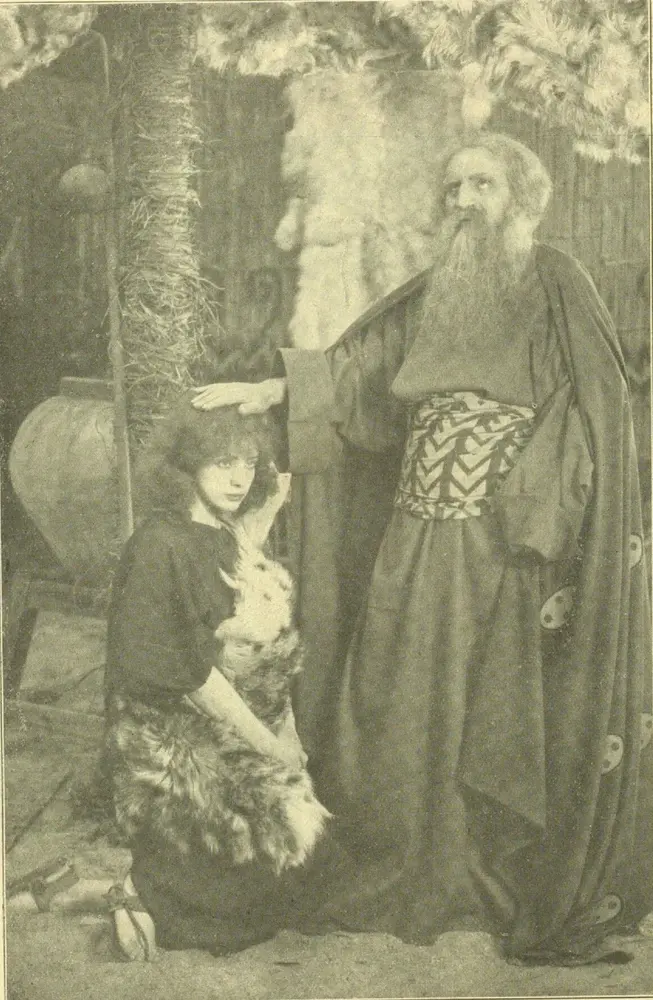
If Nemesis flirted with the supernatural to indict systemic rot, Joseph dispenses with the mystical middleman: the monastery’s evil is bureaucratic, archived, cross-referenced. Faith is not subverted by horror; horror is the logical extension of an accounting system that balances its books in the currency of children.
Observe the film’s chromatic arc: Sicilian passages burn umber and dried-blood crimson; the oceanic transit desaturates into slate and bruise; Paris initially blooms with gas-lamp honey, then sinks into sea-blue cadaver once the catacomb conspiracy surfaces. The final subterranean tableau is lit solely by sodium flares that paint everything the color of rotten tangerines—an infernal parody of Renaissance chiaroscuro. Color doesn’t decorate theme; it performs it, enacts the very digestion of innocence.
Joseph is a covert meditation on European patrimony: who gets preserved, who gets pulped. The monks’ reliquary is a proto-database, each child tagged, numbered, archived—an obscene prefiguring of twentieth-century cataloguing systems. When Joseph lifts the match, the film asks: is destruction the only ethical response to an archive built on bodies? The open-ended freeze-frame refuses catharsis; instead it implicates the viewer as custodian of whatever survives the fire. We are reminded that every museum, every cinémathèque, potentially stands atop a mass grave whose headstones glow softly in the dark.
Joseph is not an easy watch, nor is it designed for passive consumption. It petitions the senses the way a surgeon petitions bone: with precision, urgency, and the implicit threat that the body may not withstand the revelation. Yet the film is also ravishing—every frame aches with the desire to transmute cruelty into something that can be hung on a wall and admired. That tension, held unflinchingly for 137 minutes, makes Joseph one of the rare contemporary works that reconstitutes cinema as moral inquiry rather than escapist confection.
Seek it out not for comfort but for calibration: it will realign your understanding of beauty, of heritage, of the quiet transaction that underwrites every illuminated page you have ever cooed over in a temperature-controlled gallery. After the credits, the world looks over-exposed, as though someone stripped off a protective layer of skin you didn’t know you were wearing. You will walk home hearing your own footsteps inside a cathedral you can never leave, carrying a tiny, topaz glint that might be an eye, or might be a coin pressed into your palm by a vanished child who now belongs exclusively to the archive of fire.
IMDb 6
1934
Community
Log in to comment.