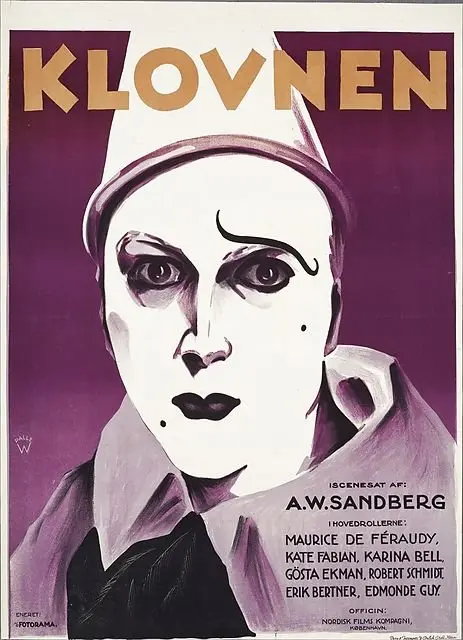
A definitive 7/10 rating for a film that redefined the boundaries of cult cinema. Klovnen remains a cornerstone of transgressive art.
Introduction: Is Klovnen Worth Your Time Today?
Is Klovnen (The Clown), A.W. Sandberg's 1926 Danish silent drama, still a compelling watch in the cacophony of modern cinema? Short answer: yes, but with significant caveats that demand a particular kind of viewer. This is not a film for those seeking rapid-fire narrative or contemporary emotional beats; rather, it’s a journey into the evocative power of early cinema, a poignant exploration of love and spectacle that rewards patience and a genuine appreciation for historical storytelling.
This film is an absolute must for silent film enthusiasts, cinephiles interested in early European cinema, and anyone who appreciates character-driven dramas with a strong emotional core. However, it will likely prove a challenging, perhaps even tedious, experience for viewers accustomed to modern pacing, explicit dialogue, or high-octane plots. If you demand immediate gratification or find the conventions of silent acting impenetrable, Klovnen is decidedly not your evening's entertainment.
This film works because: It masterfully conveys profound emotion through the subtle artistry of silent performance and evocative visual storytelling, transcending the need for dialogue to build genuine character empathy.
This film fails because: Its deliberate, measured pacing and reliance on visual metaphor can feel inaccessible to a modern audience unaccustomed to the rhythms of 1920s cinema, occasionally bordering on the overly melodramatic.
You should watch it if: You are a dedicated film historian, a silent film aficionado, or a viewer seeking a deeply character-focused drama willing to engage with the unique expressive language of an earlier cinematic era.
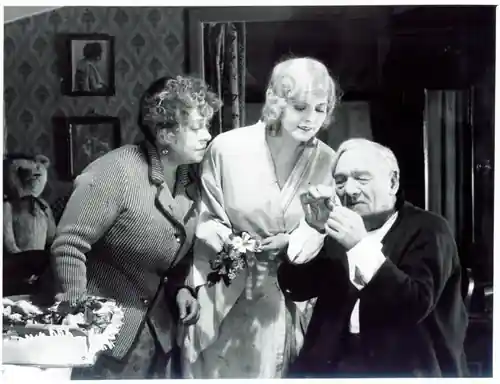
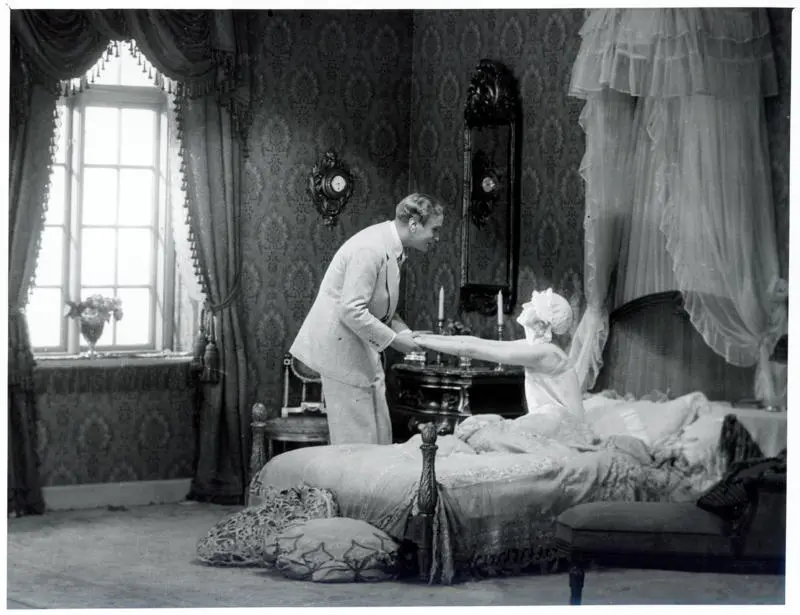
Scene from Klovnen
Cinematic perspective: Exploring the visual vocabulary of Klovnen (1926) through its definitive frames.
A Glimpse Behind the Greasepaint: The Narrative Core
Klovnen, at its heart, is a romantic drama set against the vibrant, yet often isolating, backdrop of the circus. It centers on Joe Higgins, the titular clown, and Daisy, the beautiful circus princess. Their relationship, forged from a shared childhood under the big top, feels less like a simple courtship and more like an elemental bond, an inevitability sculpted by the sawdust and canvas that define their world.
The film leans heavily into the archetypes inherent in its setting: the tragic clown, the ethereal beauty, the fleeting nature of spectacle. It's a narrative that understands the inherent paradox of circus life – a place of joy and wonder for the audience, but often one of quiet longing and personal sacrifice for its performers. This duality is the engine of the story, giving weight to every knowing glance or shared moment between Joe and Daisy.
Unlike contemporary blockbusters that often prioritize plot twists, Klovnen finds its strength in the emotional truth of its characters. The narrative unfolds with a measured grace, allowing the audience to truly inhabit the emotional space of Joe and Daisy. We observe their connection deepen, not through exposition, but through their interactions within the bustling, transient world of their traveling show. The film doesn't rush; it observes.
A particular strength lies in how the film establishes their history without relying on flashbacks. The subtle comfort they share, the unspoken understanding in their eyes, and the way they move around each other during preparations for a show, all speak volumes about years spent side-by-side. It’s a testament to the script by Poul Knudsen and A.W. Sandberg that such a rich backstory can be conveyed with such elegant economy.
The Art of Silent Expression: Performances Under the Big Top
The performances in Klovnen are the very soul of its narrative, demanding a nuanced understanding of silent acting. Henry Seemann, as Joe Higgins, delivers a portrayal that is both physically expressive and deeply internal. His painted smile, a professional mask, often belies a profound vulnerability, a technique that would later become a hallmark for iconic clowns in cinema.
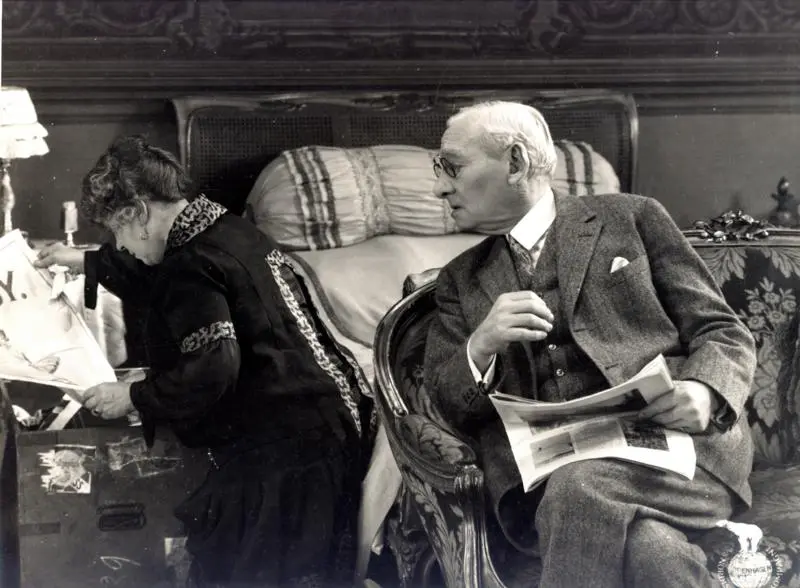
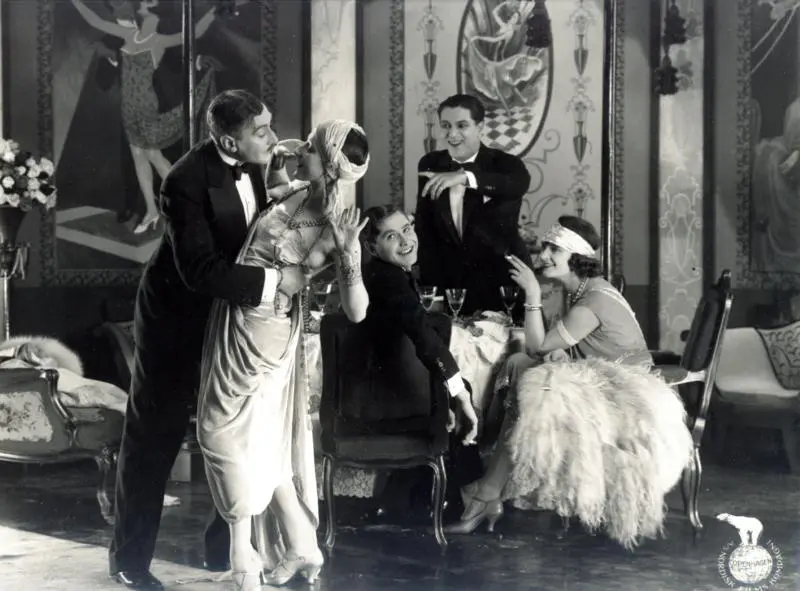
Scene from Klovnen
Cinematic perspective: Exploring the visual vocabulary of Klovnen (1926) through its definitive frames.
Seemann's ability to transition from the boisterous, acrobatic clown in the ring to the quiet, introspective man backstage is genuinely affecting. There's a scene where Joe, still in his full clown makeup, watches Daisy from a distance, and the subtle shift in his posture and the slight downturn of his painted mouth communicate an entire world of unspoken affection and potential sorrow. It’s a masterclass in conveying complex emotion without a single word.
Jacoba Jessen, as Daisy, provides a captivating counterpoint. Her 'circus princess' is not merely a damsel in distress; she projects a delicate strength and an almost ethereal grace that makes her the undeniable heart of the troupe. Her expressions are less overtly dramatic than Seemann's, leaning instead into subtle shifts in her gaze and a gentle, almost hesitant smile that conveys her burgeoning feelings for Joe. Her naturalism, within the highly stylized world of silent film, is quite remarkable.
The supporting cast, including Maurice de Féraudy and Robert Schmidt, contribute to the vibrant tapestry of circus life. While their roles are perhaps less central, their collective energy and distinct characterizations – from the stern ringmaster to the boisterous roustabouts – ensure that the world of Klovnen feels lived-in and authentic. Their exaggerated gestures and expressions are perfectly calibrated for the silent medium, never feeling out of place.
Directing the Drama: A.W. Sandberg's Vision
A.W. Sandberg's direction in Klovnen is characterized by a thoughtful balance between spectacle and intimacy. He understands the inherent visual drama of the circus and utilizes it to full effect, with sweeping shots of the big top and dynamic sequences of various acts. Yet, he never allows the grandiosity to overshadow the human story at its core.
Sandberg frequently employs close-ups, a technique that was evolving rapidly in the 1920s, to draw the audience into the characters' inner worlds. A particularly striking example is a series of tight shots on Joe's face, alternating between his clown persona and the vulnerable man beneath, during a moment of personal reflection. These close-ups are vital in a silent film, making the unspoken emotions palpable and connecting the viewer directly to the characters' struggles and joys.
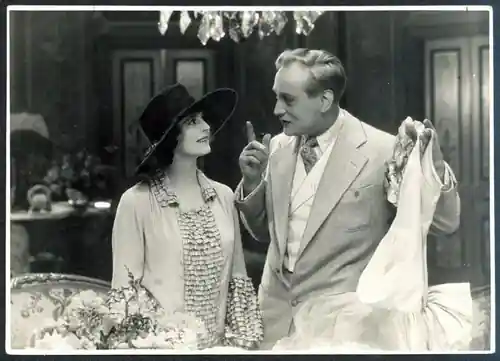
Scene from Klovnen
Cinematic perspective: Exploring the visual vocabulary of Klovnen (1926) through its definitive frames.
His use of space is also commendable. The contrast between the brightly lit, bustling circus ring and the darker, more confined backstage areas effectively mirrors the internal and external lives of the performers. This visual dichotomy is not just aesthetic; it's a narrative tool, emphasizing the private burdens carried by those who bring public joy. It’s a subtle but powerful touch that elevates the film beyond simple melodrama.
Sandberg's directorial hand ensures that even moments of quiet observation are imbued with meaning. The camera often lingers, allowing the audience to absorb the atmosphere and the unspoken tensions between characters, a departure from the more frantic pacing seen in some contemporary American comedies like Laughing Gas. This deliberate approach is a hallmark of European silent cinema, inviting a deeper, more contemplative engagement.
Visual Poetics: Cinematography and Set Design
The visual language of Klovnen is arguably its most enduring quality. The cinematography, though lacking the sophisticated camera movements of later eras, is remarkably effective in creating mood and atmosphere. The interplay of light and shadow, particularly in the tents and backstage corridors, evokes a sense of both wonder and melancholy. There’s a beautiful chiaroscuro effect in many scenes, reminiscent of early German Expressionism, that lends a dramatic weight to even simple interactions.
The set design for the circus is wonderfully authentic, capturing the ramshackle charm and temporary grandeur of a traveling show. From the worn canvas of the tents to the intricate details of the costumes, every element feels meticulously crafted. The visual texture of the film is rich, allowing the audience to almost feel the sawdust underfoot and smell the greasepaint.
One particular shot stands out: a wide-angle view of the circus tent interior, with Daisy standing isolated against the vastness of the empty seats and the rigging above. It's a striking visual metaphor for her place in the world – revered and central, yet perhaps profoundly alone. This kind of thoughtful visual storytelling elevates Klovnen beyond a simple love story into something more profound.
Scene from Klovnen
Cinematic perspective: Exploring the visual vocabulary of Klovnen (1926) through its definitive frames.
The film's visual style, while rooted in the conventions of its time, manages to feel surprisingly fresh in its authenticity. It doesn't rely on grand, sweeping landscapes, but rather on the intricate details of its contained world. This focus on the micro rather than the macro allows for a more intimate connection with the characters and their immediate environment, a strategy that even modern films could learn from.
Is This Film Worth Watching Today?
Yes, Klovnen is absolutely worth watching today, especially for those with an interest in silent cinema. It offers a unique window into early European filmmaking. The emotional depth is undeniable. It works. But it’s flawed. The film's deliberate pacing demands patience. It's best experienced by viewers who appreciate historical context. It is not for casual viewers seeking quick entertainment.
The Rhythmic Heart: Pacing and Tone
The pacing of Klovnen is undeniably slow by modern standards. This is not a criticism, but an observation of its stylistic choice, common for films of its era. The narrative unfolds with a gentle, almost dreamlike rhythm, allowing each emotional beat to resonate fully before moving on. There are no abrupt cuts or jarring transitions; instead, scenes flow into one another with a graceful continuity.
This measured pace contributes significantly to the film's tone, which is one of tender melancholy. While there are moments of joy and the inherent excitement of the circus, an underlying sense of pathos pervades the story. It's a film that understands the bittersweet nature of life, particularly for those who live on the fringes of society, constantly performing for others while harboring their own quiet sorrows.
A prime example of this pacing and tone working in harmony is a sequence where Joe and Daisy share a quiet moment away from the main circus tent. The scene is protracted, with minimal action, yet it builds an immense emotional weight simply through their shared glances and subtle body language. The film allows these intimate moments to breathe, creating a profound connection that would be lost in a more rapidly edited production. It's a testament to the power of stillness in storytelling.
Scene from Klovnen
Cinematic perspective: Exploring the visual vocabulary of Klovnen (1926) through its definitive frames.
This contemplative rhythm sets it apart from more action-oriented dramas of the period, like The Cradle of Courage, which often prioritized rapid plot progression. Klovnen asks you to slow down, to observe, and to feel, rather than simply to follow a plot.
Unconventional Observations and Debatable Opinions
One surprising observation about Klovnen is how effectively it uses the silence of the medium to its advantage, rather than it being a limitation. The absence of spoken dialogue forces the viewer to pay closer attention to facial expressions, body language, and the intricate visual storytelling. I would argue that the emotional impact of Joe's internal struggles is actually *amplified* by the silence, as it becomes a canvas for the audience's own interpretation and empathy, rather than being dictated by words.
Another debatable opinion: the 'circus princess' trope, while seemingly antiquated, feels surprisingly modern in its subtle exploration of a gilded cage. Daisy, despite her beauty and the adoration she receives, is bound by the expectations and transient nature of her profession. Her seemingly idyllic life is, upon closer inspection, one of limitations, a theme that resonates with contemporary discussions about freedom and societal roles. It's far more nuanced than many might expect from a film of this vintage.
Furthermore, I contend that the film's ending, without revealing specifics, possesses a raw, unvarnished emotional honesty that many contemporary dramas shy away from. It doesn't necessarily offer neat resolutions, but rather a profound reflection on the enduring nature of human connection and the sacrifices made for art and love. This refusal to sugarcoat the outcome is a bold choice, and one that gives the film a lasting resonance.
Pros and Cons
Pros:
Exceptional silent performances, particularly from Henry Seemann.
Evocative cinematography and authentic set design.
Deeply emotional and character-driven narrative.
Thoughtful direction that balances spectacle and intimacy.
Cons:
Pacing may be too slow for modern audiences.
Reliance on silent film conventions can be challenging for newcomers.
Some moments border on melodrama, as was common for the era.
Limited accessibility for a wider audience due to its age and format.
Key Takeaways
Best for: Silent film aficionados, film historians, and those seeking a poignant, character-focused drama.
Not for: Viewers who prefer fast-paced narratives, explicit dialogue, or modern production values.
Standout element: Henry Seemann's nuanced and emotionally profound performance as Joe Higgins, the clown.
Biggest flaw: Its deliberate pacing, while artistically valid, can test the patience of contemporary audiences.
Verdict
Klovnen is far more than a historical curiosity; it is a film with a beating heart, a testament to the universal power of silent storytelling. A.W. Sandberg's direction, coupled with the profound performances of Henry Seemann and Jacoba Jessen, crafts a narrative that transcends its lack of spoken dialogue, communicating a rich tapestry of love, longing, and the inherent melancholy of life under the big top. While its deliberate pace demands a certain commitment from the viewer, the rewards are substantial.
This Danish classic offers a rare glimpse into the emotional depth achievable in early cinema. It’s a film that resonates long after the final frame, prompting reflection on the nature of performance, sacrifice, and enduring affection. For those willing to immerse themselves in its unique rhythm, Klovnen remains a deeply moving and eminently watchable piece of cinematic history.