DbcultAccessing Vault...
Cult Review
Senior Film Conservator
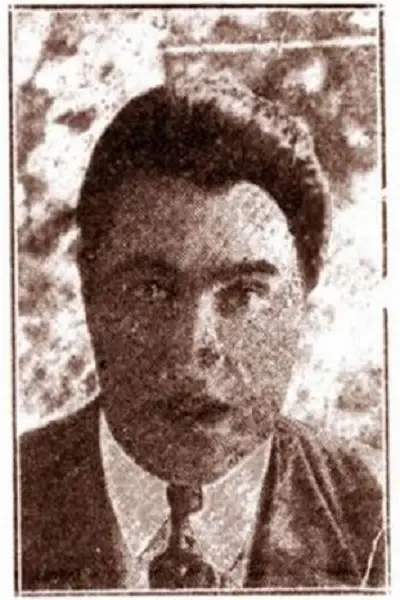
Is 'O Bicho da Serra de Sintra' worth watching today? Short answer: yes, but with significant caveats. This film is a fascinating, if sometimes frustrating, watch for cinephiles, historians of early cinema, and those with a deep appreciation for the quirky origins of narrative film, but it is emphatically not for casual viewers seeking modern pacing or conventional storytelling.
To approach this early Portuguese production from 1921 is to step into a time capsule, a grainy, flickering window into a world where cinema was still finding its voice. It demands patience, curiosity, and a willingness to suspend contemporary expectations. But for those willing to make the journey, there are peculiar rewards.
The premise of 'O Bicho da Serra de Sintra' is disarmingly simple, almost childlike in its directness: a young man, eager to visit his girlfriend under the cover of darkness, decides the most logical course of action is to disguise himself as an animal. This isn't a complex narrative of intrigue or high drama; it's a single, bizarre conceit stretched across its runtime. Yet, within this simplicity lies a surprising depth, a testament to the power of visual storytelling even in its most nascent forms.
The film, a product of a nascent industry, relies heavily on physical comedy and the unspoken language of silent film. The 'animal' disguise itself, rather than being truly frightening or convincing, borders on the pathetic, which somehow makes the whole endeavor more endearing. It’s a bold, almost surreal choice that immediately sets the tone for a film that operates outside the boundaries of conventional logic.
This film works because it offers a unique, almost surreal glimpse into early cinematic experimentation, particularly its use of simple, yet effective, visual comedy and the raw, unpolished energy of its performers. It captures a specific historical moment in film with an earnest charm.
This film fails because its narrative is excruciatingly thin, often feeling more like a filmed sketch than a fully realized story. The technical limitations of its era, while understandable, sometimes make engagement a chore, and its pacing can be glacial by contemporary standards.
You should watch it if you are an academic, a student of silent film, or someone who finds profound joy in dissecting the foundational elements of cinema. It’s a historical artifact that rewards patient, analytical viewing.
The performances, particularly from Artur Costa de Macedo, who also wrote the film, are a fascinating study in early cinematic acting. Silent film demanded an exaggerated theatricality, a reliance on broad gestures and expressive facial contortions to convey emotion without dialogue. Costa de Macedo, as the titular 'Bicho,' embraces this wholeheartedly, transforming his body into a clumsy, lumbering creature.
His physical commitment is palpable, a blend of earnestness and comedic awkwardness. Consider the scene where the 'animal' first attempts to sneak past a watchful figure; Costa de Macedo's movements are a masterclass in silent pantomime, each furtive glance and exaggerated crouch meticulously designed to elicit either fear or laughter. It's not subtle, by modern standards, but it’s undeniably effective within the context of the film's era and its simple goal.
Conversely, Lino Ferreira, likely playing a more straight-laced character or an observer, offers a more restrained, almost bewildered presence. This contrast creates a dynamic that, while rudimentary, highlights the comedic potential of misdirection. The actors aren't just performing; they are actively exploring the nascent language of film, pushing the boundaries of what could be communicated without spoken words.
There's a raw, unpolished energy here that modern, highly produced films often lack. It feels immediate, almost like watching a live stage performance captured on film. This isn't polished, nuanced character work, but it possesses an honesty and a pioneering spirit that is captivating in its own right.
The direction and cinematography of 'O Bicho da Serra de Sintra' are, understandably, products of their time. The camera often remains static, adopting a theatrical perspective that frames scenes as if they were being watched from a proscenium arch. This approach, while limiting by today's standards, allows the audience to take in the full scope of the physical comedy and the actors' exaggerated movements.
Lighting, particularly in the night scenes, is rudimentary, often relying on available light or simple, stark illumination that creates deep shadows and a sense of genuine nocturnal mystery. This contributes to the film's eerie, dreamlike quality, enhancing the absurdity of the premise. It’s not about artful chiaroscuro; it’s about making the most of the limited tools at hand, and in doing so, creating an unintended aesthetic.
Editing is sparse, with longer takes that allow scenes to play out in an extended, almost meditative fashion. There are no rapid cuts to heighten tension or quick close-ups to emphasize emotion. Instead, the film trusts the audience to observe, to absorb the unfolding action at a slower, more deliberate pace. This is a far cry from the kinetic energy of contemporary cinema, yet it offers a unique rhythm that can be surprisingly engaging if one adjusts their viewing habits.
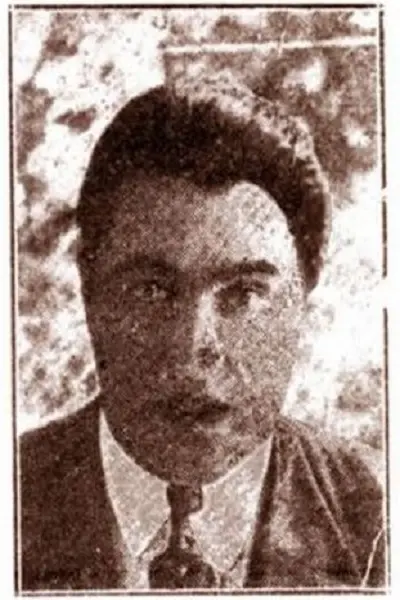
One might compare its visual simplicity to other early works, like The Speeding Venus, which similarly prioritized narrative over elaborate camera work, or even the more comedic A Looney Honeymoon, though 'O Bicho' brings a distinctly Portuguese flavor to its visual language.
The pacing of 'O Bicho da Serra de Sintra' is perhaps its most challenging aspect for modern audiences. It is slow. Deliberately, almost defiantly slow. Sequences of the 'animal' creeping through the garden, or attempting to evade detection, unfold with an unhurried grace that would be mercilessly trimmed in a contemporary production. Yet, this extended duration isn't necessarily a flaw; it's a characteristic of early cinema, a different understanding of how to build anticipation and tension.
This measured pace contributes significantly to the film's overall tone, which oscillates between lighthearted comedy and a peculiar, almost surreal absurdity. There's a gentle humor that permeates the proceedings, born from the sheer ridiculousness of the situation. The film never devolves into outright slapstick in the vein of some American contemporaries; instead, it maintains a quiet, almost observational wit.
The tone is ultimately one of charming naivety. It’s a film that believes in its simple premise and executes it with an earnestness that transcends its technical limitations. It’s less about laugh-out-loud moments and more about a sustained smile, a quiet appreciation for the ingenuity and spirit of early filmmakers.
Yes, for a specific audience. This film is a valuable historical document. It offers a direct look at the origins of Portuguese cinema. It showcases early acting styles. It demonstrates rudimentary filmmaking techniques. It is not for everyone. Casual viewers will find it slow. Modern audiences may find its humor dated. But for students and enthusiasts of film history, it's an essential watch.
It works. But it’s flawed. Its greatest strength is arguably its most significant weakness – its almost childlike simplicity. This is a film to be studied, not merely consumed. It rewards careful observation and contextual understanding.
What makes 'O Bicho da Serra de Sintra' truly memorable, beyond its historical significance, is its sheer peculiarity. It’s a film that defies easy categorization, a unique blend of romance, comedy, and a touch of the absurd. It’s a testament to the fact that even with the most basic of tools, filmmakers were already experimenting, pushing boundaries, and finding ways to tell stories that resonated with audiences, however niche.
Many will find its deliberate pacing an insurmountable hurdle, mistaking slowness for incompetence, when in fact it's a window into a different rhythm of storytelling. This is a film that asks you to slow down, to observe, to appreciate the foundational elements of cinema before the era of sound and sophisticated editing. It's a reminder that storytelling is an ancient art, and film, even in its infancy, was a powerful new medium for it.
It’s a film that leaves you with a quiet sense of wonder, a feeling of having peered into a forgotten corner of cinematic history. It’s not a film that will revolutionize your understanding of modern blockbusters, but it might just deepen your appreciation for the craft and courage of those who first dared to dream in moving pictures.
'O Bicho da Serra de Sintra' is not a film for everyone, nor does it pretend to be. It is a peculiar, almost haunting relic from a bygone era of cinema, a fascinating glimpse into the nascent stages of Portuguese filmmaking. Its absurd premise, committed performances, and deliberate pacing offer a unique viewing experience that rewards patience and a historical perspective. While it unquestionably suffers from the technical and narrative limitations of its time, its very existence, and the earnestness with which its simple story is told, make it a compelling watch for those dedicated to exploring the full tapestry of cinematic history.
It’s a testament to the enduring human desire to tell stories, no matter how strange or simple, and a reminder that even the most unassuming films can hold profound historical and artistic value. Go in with an open mind and a historian's eye, and you might just find yourself charmed by the 'Bicho' of Sintra.
IMDb —
1921
Community
Log in to comment.