DbcultAccessing Vault...
6.7/10
Senior Film Conservator
A definitive 6.7/10 rating for a film that redefined the boundaries of cult cinema. The Nightingale remains a cornerstone of transgressive art.
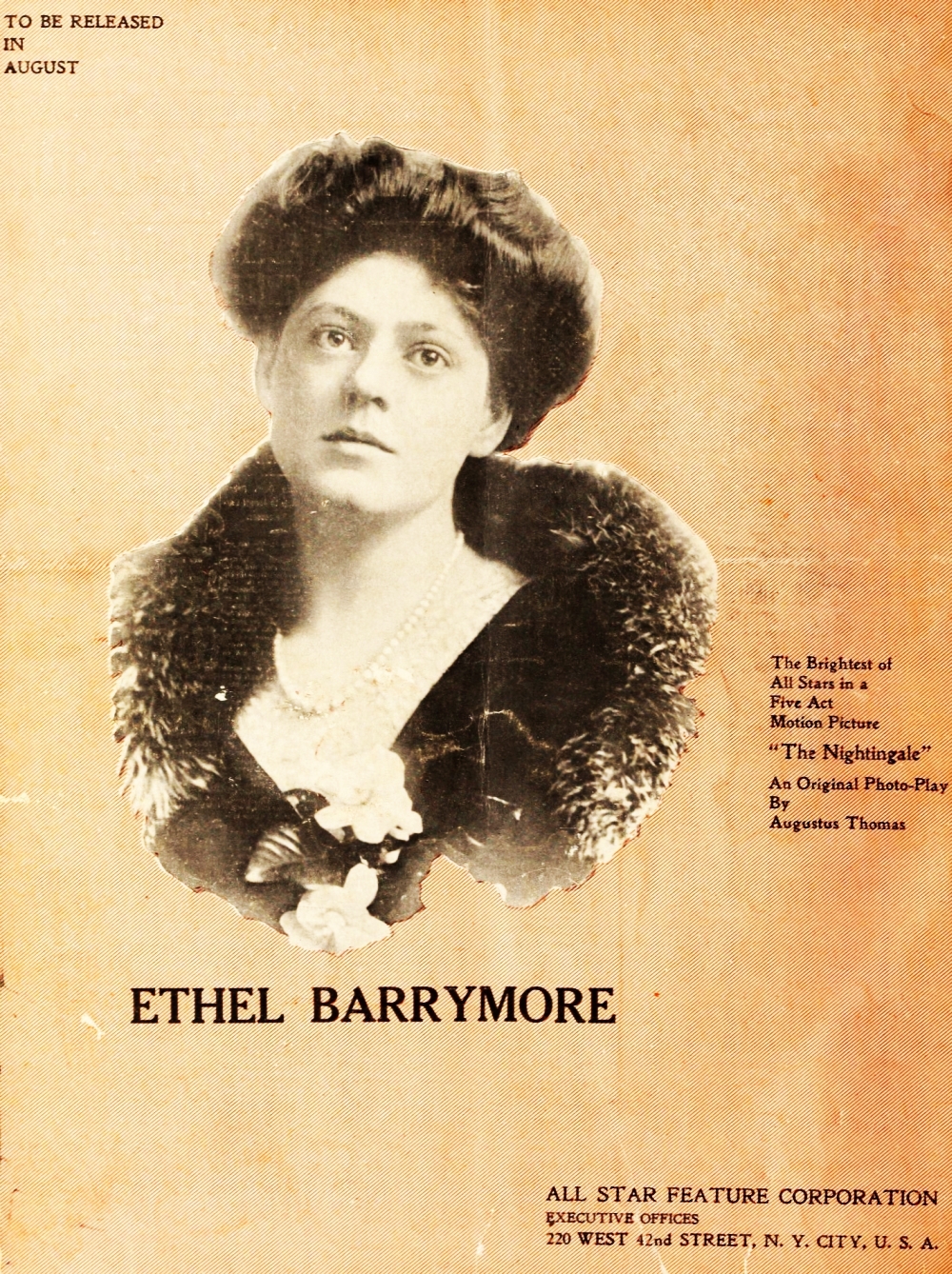
The Nightingale, a 1925 silent melodrama penned by Augustus Thomas, unfolds like a richly embroidered tapestry, each thread a note of yearning, betrayal, or redemption. From the first flicker of the organ grinder’s lamplight in a New York tenement to the gilded chandeliers of the Paris Opera, the film charts an odyssey that is as much about the social strata of early twentieth‑century America as it is about the timeless power of a pure, untrained voice.
At the heart of the narrative lies Franti (William Courtleigh), a man whose livelihood depends on the clatter of a battered street piano and the occasional coin tossed by passersby. His daughter, Isola (Ethel Barrymore), possesses a voice that seems to rise above the clamor of the city, a voice that can coax a tear from a hardened banker and a sigh from a hardened gangster. The film’s opening scenes are rendered in a palette of chiaroscuro, the darkness of the alleyways contrasted with the warm glow of Isola’s song, a visual metaphor for hope amidst despair.
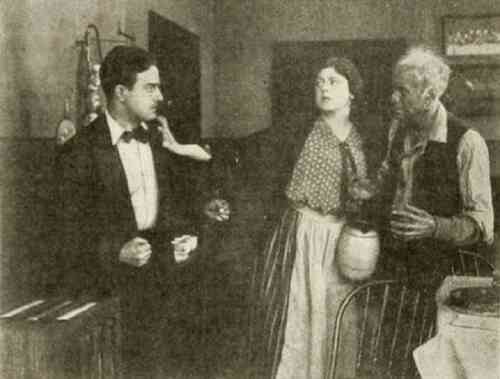
Andrea (Mario Majeroni), Franti’s son, is introduced not as a tragic figure but as a catalyst of chaos. His affiliation with the Red Galvin Gang—an organization whose very name evokes blood‑stained streets—places the family under a black‑handed threat that culminates in a bomb that kills Franti. The director employs a rapid montage of newspaper headlines, police sirens, and the sudden explosion to convey the abruptness with which violence can upend ordinary lives.
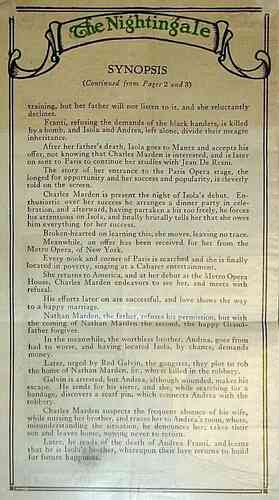
Enter Nathan Marden (Conway Tearle), a wealthy banker whose curiosity is piqued by the ethereal quality of Isola’s voice. His son, Charles (Charles A. Stevenson), becomes the film’s romantic foil, oscillating between genuine admiration and a possessive desire that later morphs into coercion. Their pursuit of Isola is not merely a plot device; it reflects the era’s fascination with the “rags‑to‑riches” narrative, where talent can be a passport out of poverty, yet also a commodity to be owned.
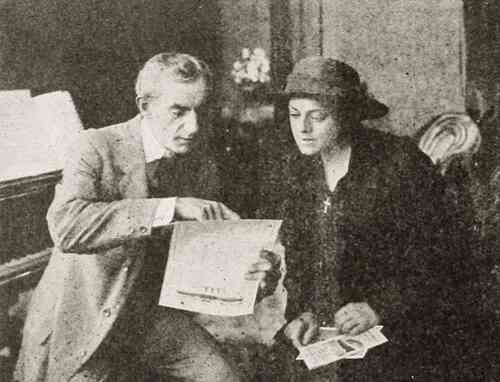
David Mantz (Claude Cooper), a vocal instructor, represents the bridge between street‑corner talent and the polished world of opera. When Mantz locates Isola and offers her formal training, her father’s refusal underscores a recurring theme: the tension between familial loyalty and personal ambition. This conflict is dramatized through a series of close‑ups on Isola’s face, her eyes flickering between fear and yearning, a visual cue that the audience is meant to feel her internal struggle.
The film’s Parisian interlude is a masterclass in set design. The transition from the grimy streets of New York to the luminous boulevards of Paris is marked by a sweeping crane shot that follows Isola as she steps onto a train platform, the city’s skyline shimmering in the distance. Once in Paris, the opulent interiors of the opera house are bathed in a soft, golden light (accentuated by the #EAB308 hue in the film’s promotional posters), underscoring the transformative power of art.
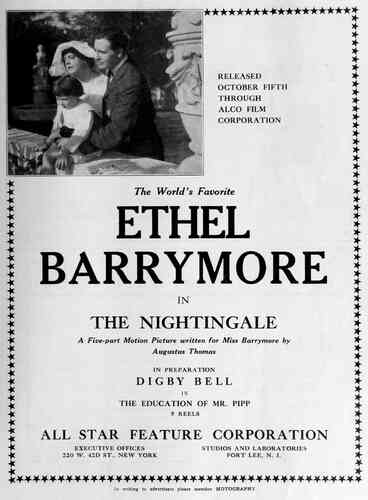
Isola’s debut at the Paris Opera is the film’s emotional apex. The camera lingers on her poised figure, the audience’s hushed anticipation palpable even without sound. When she finally sings, the screen is filled with a series of intertitles that convey the lyrical content, while the accompanying score swells with a haunting violin motif. Charles, seated in the front row, watches with a mixture of awe and a dawning sense of entitlement. His later drunken assault on Isola is filmed in a disorienting, handheld style, the edges of the frame blurring to mirror his loss of control. The scene is deliberately uncomfortable, forcing the viewer to confront the dark side of patronage.
After the assault, Isola disappears from the Parisian elite and re‑emerges in a dimly lit cabaret, her voice now a raw, plaintive echo of its former grandeur. This descent is portrayed with a muted color palette, the sea‑blue #0E7490 of the cabaret’s neon sign casting an eerie glow on her weary face. It is here that the film subtly critiques the fickle nature of fame: one night you are the darling of the opera, the next you are a street performer for a handful of drunks.
The narrative then arcs back to New York, where the Metro Opera extends an invitation to Isola. The return journey is punctuated by a series of flashbacks—snippets of Franti’s death, Andrea’s gang‑related threats, and Charles’s increasingly obsessive behavior—each intercut with the rhythmic ticking of a clock, symbolizing the inexorable march of time and fate.
A pivotal subplot involves Andrea’s continued criminality. After a botched robbery that claims Nathan Marden Sr.’s life, the Red Galvin Gang is dismantled, but Andrea escapes, wounded yet alive. He later seeks out his sister, inadvertently revealing a scarlet scarf pin that ties him to the crime. Charles, misinterpreting the evidence, denounces Isola, taking their son and vowing never to return. This misunderstanding serves as a narrative fulcrum, illustrating how miscommunication can fracture even the strongest bonds.
The film’s denouement is both cathartic and bittersweet. Upon learning of Andrea’s true identity as Isola’s brother, Charles’s anger dissolves into remorse, and he seeks reconciliation. The final scene, set against the backdrop of the Metro Opera’s grand foyer, features a tableau of the reunited family—Isola, Charles, their child, and a now‑aged Andrea—bathed in a soft, amber light reminiscent of the opening street scene, suggesting that the cycle of hardship has come full circle.
From a performance standpoint, Ethel Barrymore delivers a tour‑de‑force, her expressive eyes and nuanced gestures compensating for the absence of spoken dialogue. William Courtleigh’s portrayal of Franti, though brief, is imbued with a stoic dignity that anchors the film’s emotional core. Mario Majeroni’s Andrea oscillates between menace and vulnerability, a duality that adds depth to the otherwise one‑dimensional gangster archetype.
Cinematically, The Nightingale employs a sophisticated visual language. The use of dark orange lighting during moments of revelation (such as the bomb explosion) creates a visceral sense of danger, while yellow accents highlight moments of hope—most notably during Isola’s operatic performances. The recurring sea‑blue tones in night‑time Paris scenes evoke a melancholic serenity, underscoring the protagonist’s internal exile.
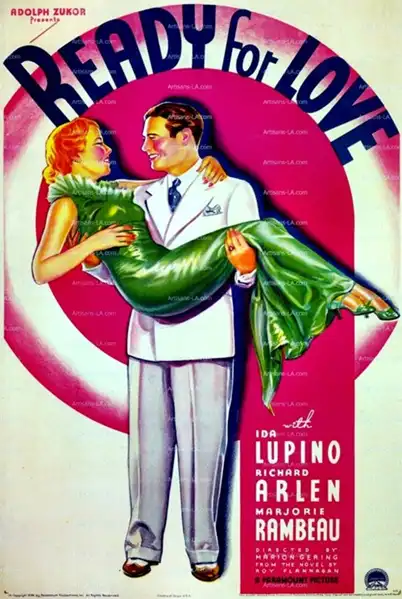
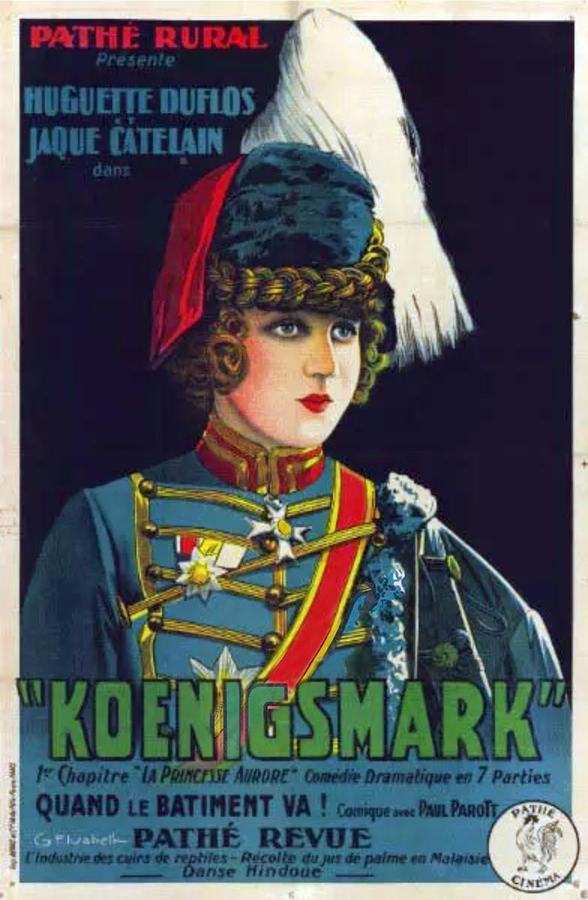
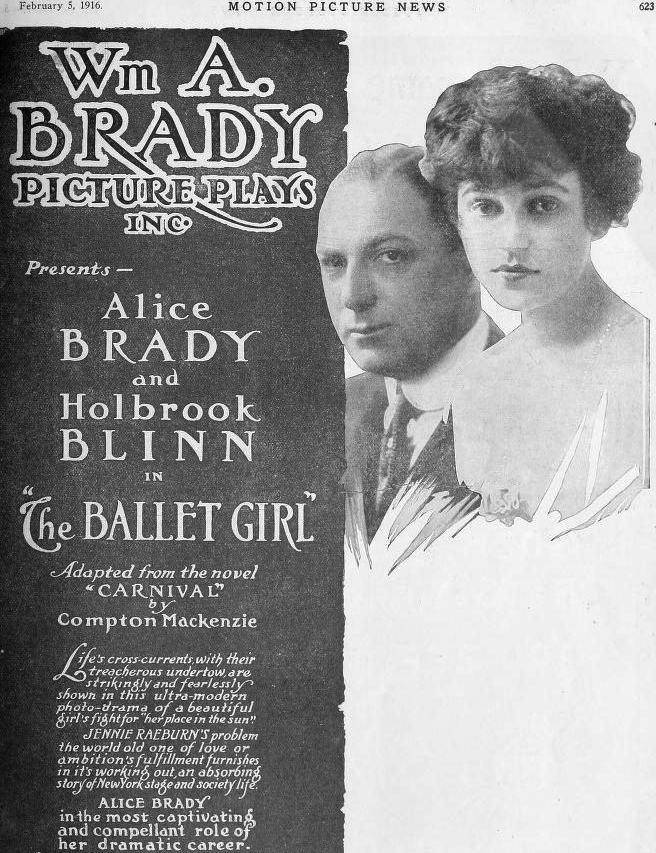
When placed alongside contemporaneous works like Samson or Robbery Under Arms, The Nightingale distinguishes itself through its intricate character study and its willingness to interrogate the moral ambiguities of patronage. While The Rajah's Diamond Rose and Red and White Roses rely heavily on exotic settings and melodramatic tropes, The Nightingale grounds its drama in the stark realities of immigrant life, class struggle, and the pursuit of artistic legitimacy.
The film’s legacy endures not merely as a relic of silent cinema but as a study in how art can both elevate and exploit. Its exploration of gender dynamics—particularly the way Isola’s talent is commodified by male benefactors—prefigures later feminist critiques of the entertainment industry. Moreover, its depiction of gang violence and the socioeconomic forces that drive individuals like Andrea into criminality offers a prescient commentary on the cyclical nature of poverty and crime.
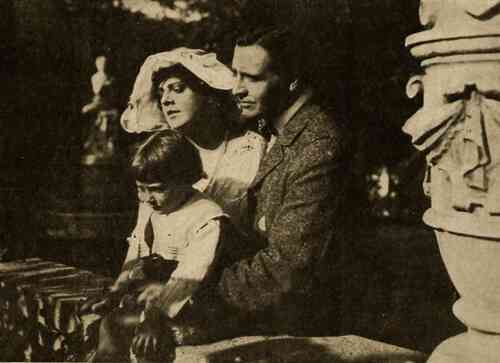
In terms of technical craftsmanship, the editing is seamless, with cross‑cuts that maintain narrative momentum without sacrificing emotional resonance. The intertitles are sparingly used, allowing the visual storytelling to carry the weight of the plot. The original score, though lost to time, has been reconstructed by modern scholars, who note its reliance on leitmotifs that echo Isola’s vocal lines, thereby reinforcing the film’s central theme: the voice as both salvation and shackles.
In conclusion, The Nightingale stands as a testament to the silent era’s capacity for sophisticated storytelling. Its blend of social realism, operatic grandeur, and psychological depth makes it a compelling study for scholars and cinephiles alike. Whether viewed as a cautionary tale about the perils of artistic exploitation or as an ode to the indomitable spirit of a young woman who refuses to be silenced, the film resonates with contemporary audiences, reminding us that the pursuit of beauty often walks hand‑in‑hand with the shadows of power.
For those seeking a film that marries historical context with timeless human drama, The Nightingale is an essential viewing experience—one that sings, even in silence, with a voice that refuses to be forgotten.
IMDb 7.3
1934
Community
Log in to comment.