DbcultAccessing Vault...
3.7/10
Senior Film Conservator
A definitive 3.7/10 rating for a film that redefined the boundaries of cult cinema. Tin Hoss remains a cornerstone of transgressive art.
Is Tin Hoss worth a look in the modern era? Short answer: only as a dusty, fascinating fossil of the silent era's copycat culture. This film is for the cinematic archaeologist who wants to see how 1920s Hollywood recycled its biggest hits; it is absolutely not for someone looking for refined humor or high-definition production values.
This film works because it captures the raw, unscripted energy of children who don't yet know they are supposed to be 'acting' for a major studio. This film fails because it lacks the rhythmic editing and character depth that made the original 'Our Gang' shorts a household name. You should watch it if you are researching the history of First Division Pictures or have an affinity for the mechanical slapstick of the silent era.
In the early 1920s, Hal Roach struck gold with the 'Our Gang' series. It was only natural that every fledgling studio in Los Angeles would try to mine that same vein. Tin Hoss is the result of that gold rush. Produced by First Division Pictures, this was part of the 'Hey Fellas!' series—a title that practically screams 'we are doing that thing you like, but cheaper.'
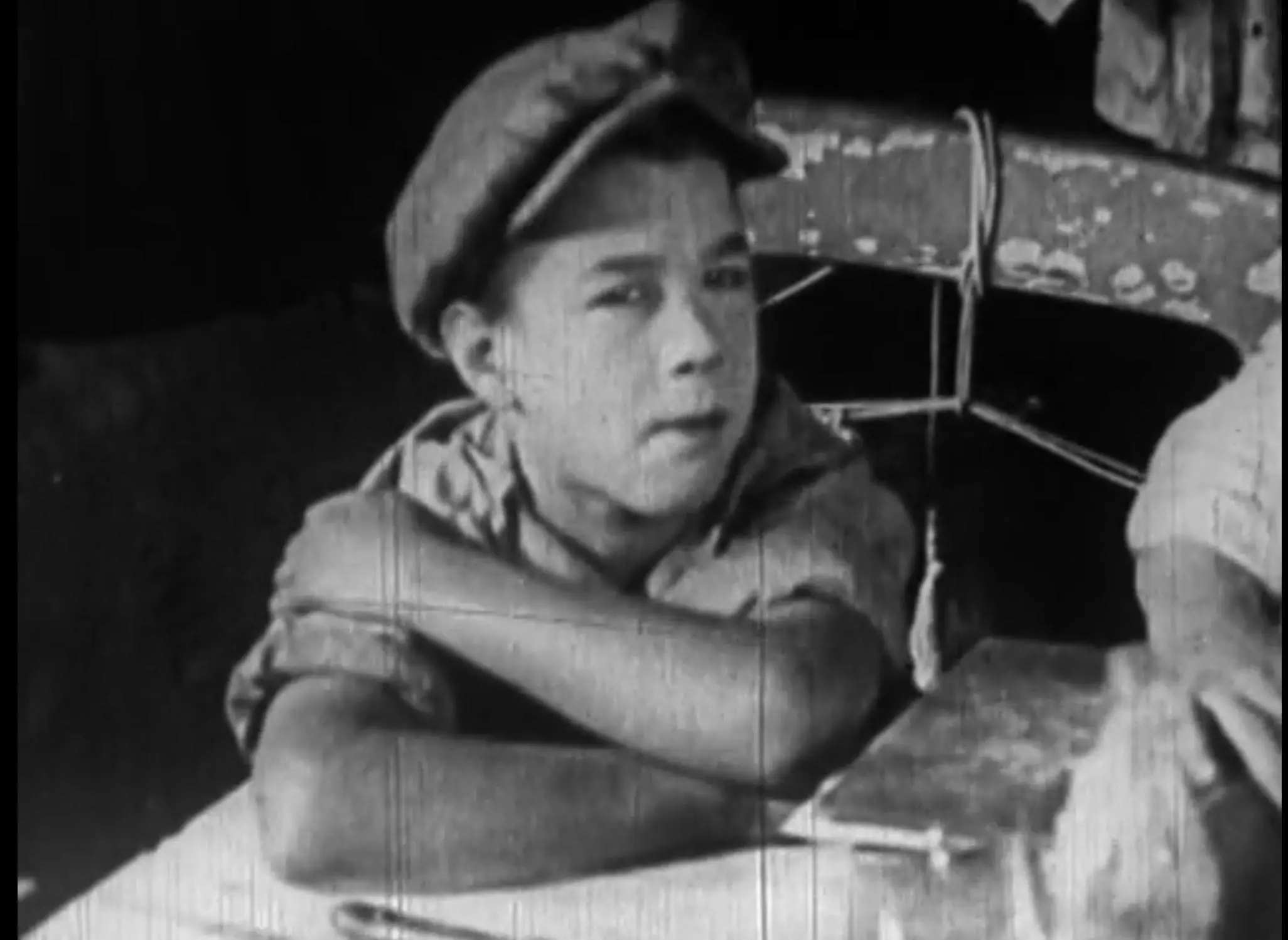
What makes Tin Hoss interesting today isn't necessarily the quality of the jokes, but the sheer desperation of the imitation. You can see the filmmakers trying to replicate the 'Our Gang' formula: the diverse cast, the rickety clubhouse, and the general sense of children existing in a world where adults are merely annoying obstacles. Unlike more polished films like Manhattan, which aimed for a certain urban sophistication, Tin Hoss is content to play in the dirt.
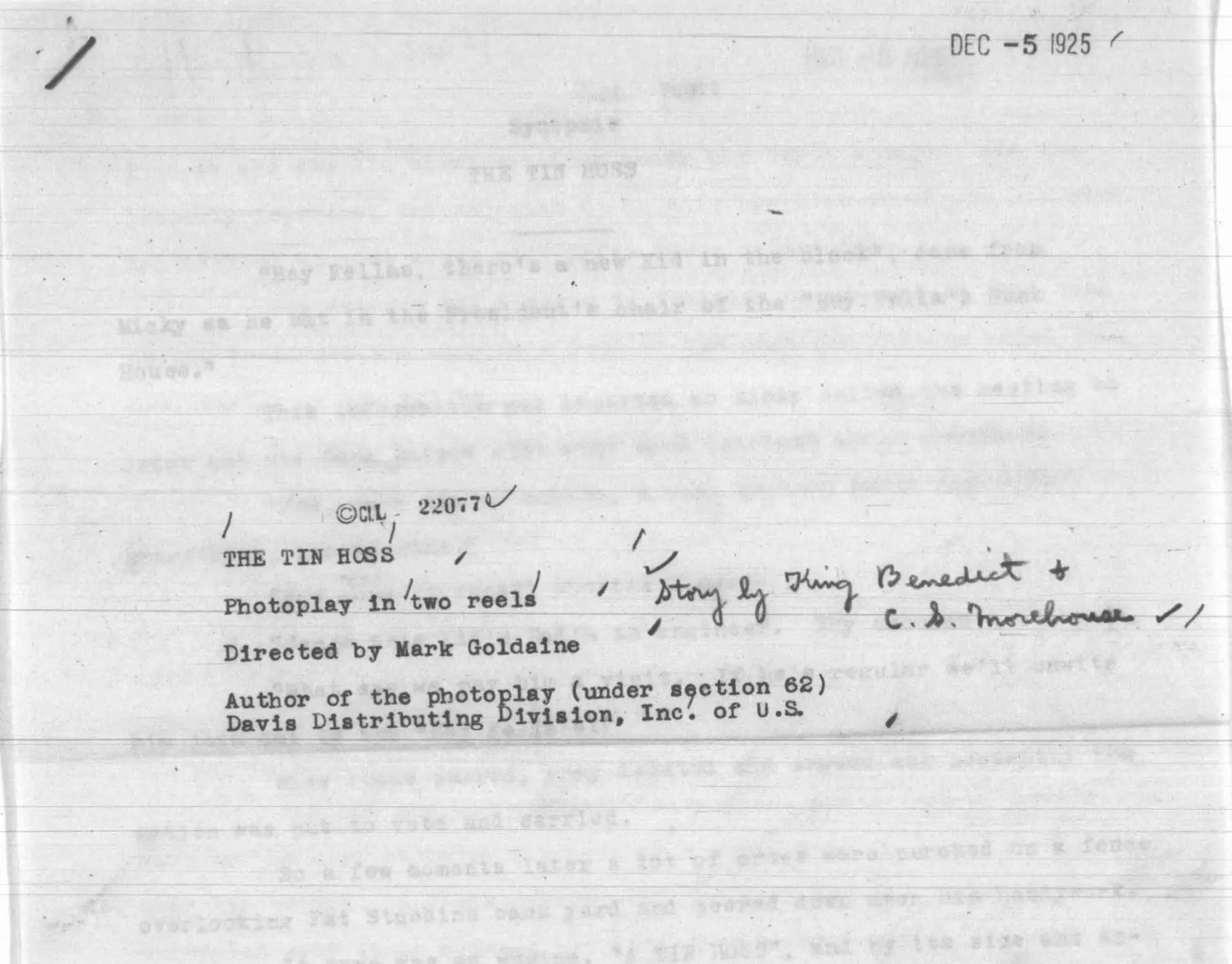
The direction by the collective of Pinto Colvig, Kingsley Benedict, and Bud Ross is frantic. It lacks the steady hand found in contemporary comedies like The Poor Boob. Instead, we get a series of vignettes that feel less like a cohesive story and more like a fever dream of childhood mischief. It works. But it’s flawed. The lack of a strong central narrative is compensated for by the sheer speed of the gags.
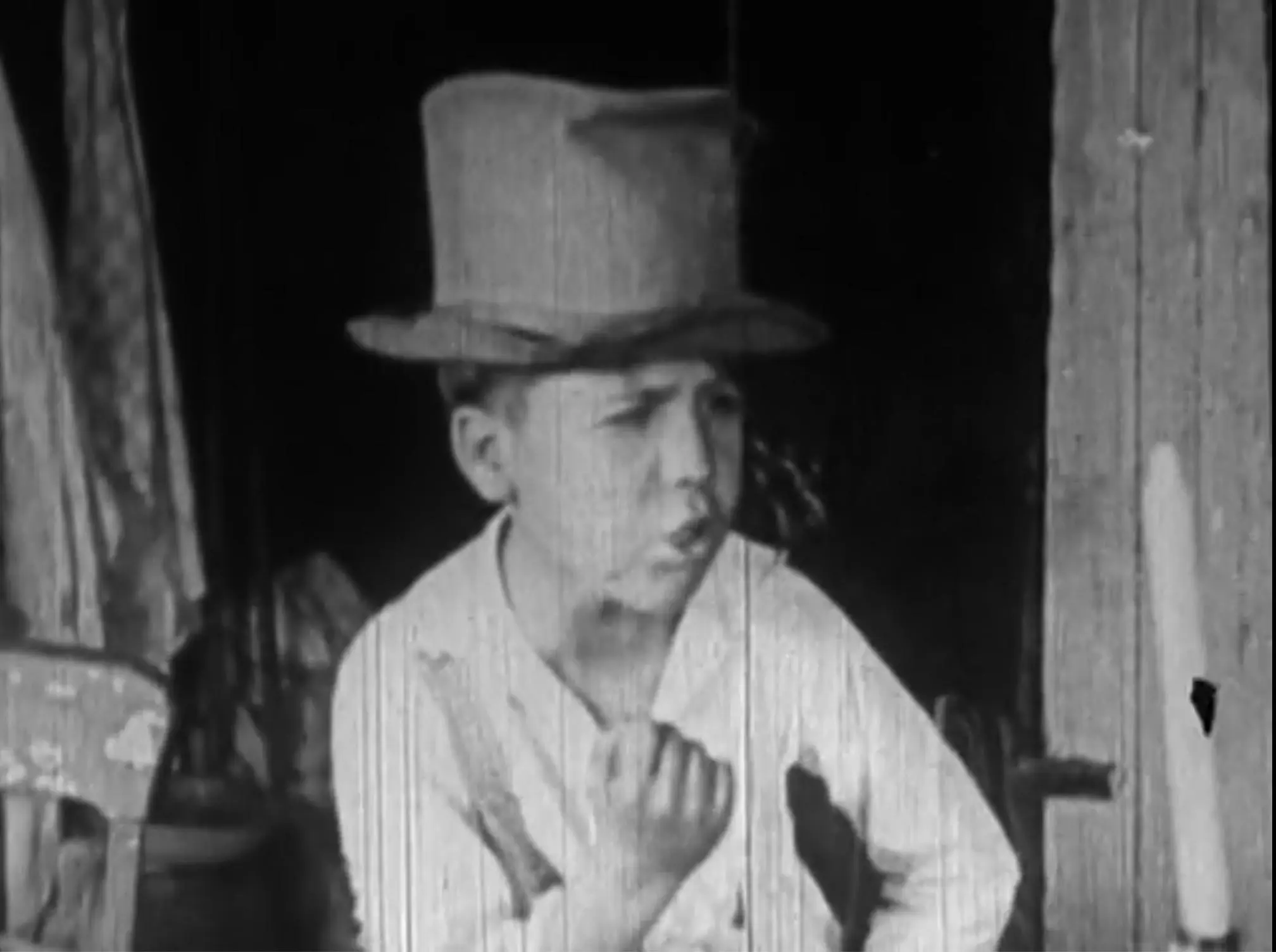
One of the most bizarre and memorable sequences in Tin Hoss involves the accidental ingestion of Plaster of Paris. In a modern context, this feels less like a comedy bit and more like a call to Child Protective Services. However, in 1922, this was the height of physical comedy. The sight of the children reacting to the hardening material in their mouths is played for broad laughs, showcasing the era's 'anything for a gag' mentality.
This scene is a perfect example of how Tin Hoss differs from its more famous counterparts. Where Hal Roach might have milked the moment for character-driven reactions, the 'Hey Fellas!' team leans into the grotesque. It’s a punchy, weirdly dark moment that stands out in an otherwise lighthearted short. It reminds me of the tonal shifts seen in The Masquerader, where the humor often borders on the uncomfortable.
The physical comedy here is brutal. There is no stunt double for a child falling off a clubhouse roof or getting covered in industrial materials. This raw physicality gives the film a weight that modern, CGI-assisted comedies lack. It’s dangerous, it’s messy, and it’s undeniably real. This is the film's greatest strength: it doesn't feel manufactured; it feels like a riot that happened to be filmed.
The centerpiece of the film’s second half is the attempted rehabilitation of a broken-down jalopy. This is a classic trope of the era—man (or boy) versus machine. The 'Tin Hoss' of the title refers to this mechanical beast, a vehicle that seems held together by rust and sheer willpower. The children’s attempt to fix it is a masterclass in low-budget prop comedy.
Compare this to the automotive humor in Amour et carburateur. While that film uses the car as a vehicle for romantic tension, Tin Hoss uses it as a catalyst for pure destruction. The jalopy doesn't just fail to run; it actively fights back against its young mechanics. Parts fly off, engines smoke, and the children are tossed around like ragdolls. It’s a sequence that required genuine mechanical ingenuity from the prop department, even if the cinematography is basic.
The pacing in this section is relentless. The editors—likely working with limited footage—cut between the children’s frantic efforts and the mounting chaos in the neighborhood. It creates a sense of escalating doom that is genuinely effective. You know the police are coming. You know the mothers are coming. The film does a great job of making that arrival feel inevitable and terrifying.
The cast, led by Tommy Watkins and Jimmy Boudwin, is a curious mix of talent. Unlike the 'Our Gang' kids, who often became stars in their own right, the 'Hey Fellas!' troupe feels more like a group of local kids who were rounded up for a weekend of filming. This isn't a criticism; it actually adds to the film's charm. There is a lack of polish in their performances that feels authentic to the neighborhood setting.
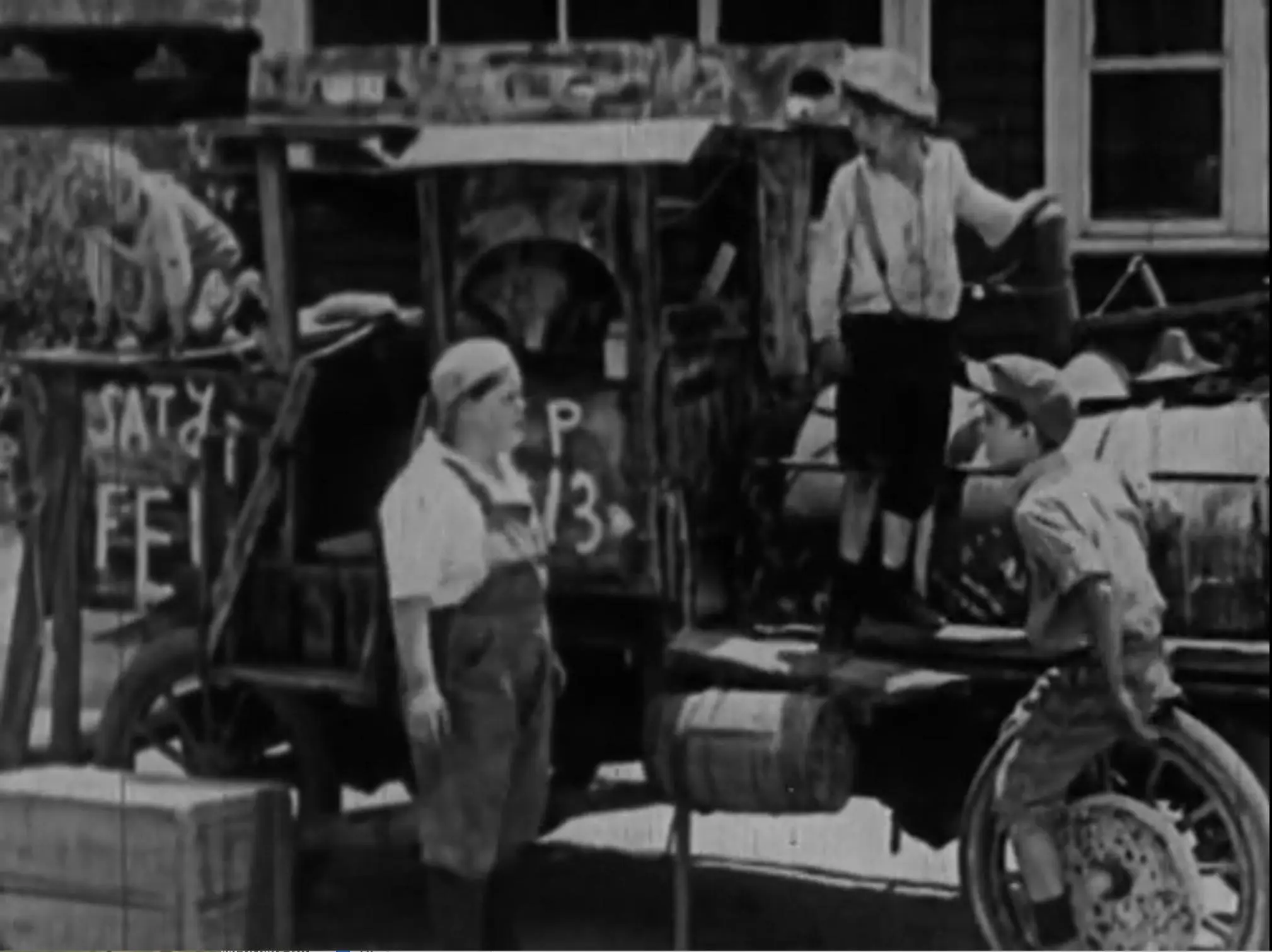
Tommy Watkins, as the 'President,' has a certain screen presence, though he lacks the iconic charisma of a Jackie Cooper. He leads his 'army' with a seriousness that makes the absurdity of their actions even funnier. The inclusion of Garner Hamm and Jeff Jenkins rounds out a cast that represents a cross-section of 1920s youth, even if the 'no girls allowed' rule feels incredibly dated today.
Speaking of the 'invading females,' the film’s treatment of gender is exactly what you would expect from 1922. The girls are seen as a disruptive force, an 'other' that must be kept at bay. However, the film subverts this slightly by showing the girls to be just as capable of causing havoc as the boys. It’s a subtle touch that prevents the film from feeling entirely one-sided, though it certainly wouldn't pass a modern Bechdel test.
Tin Hoss is worth watching if you want to understand the 'secondary' market of the silent era. It is a fascinating look at how independent studios like First Division Pictures survived by mimicking the majors. It’s not a masterpiece, but it’s a high-energy, chaotic piece of history that offers a window into a vanished world of childhood independence.
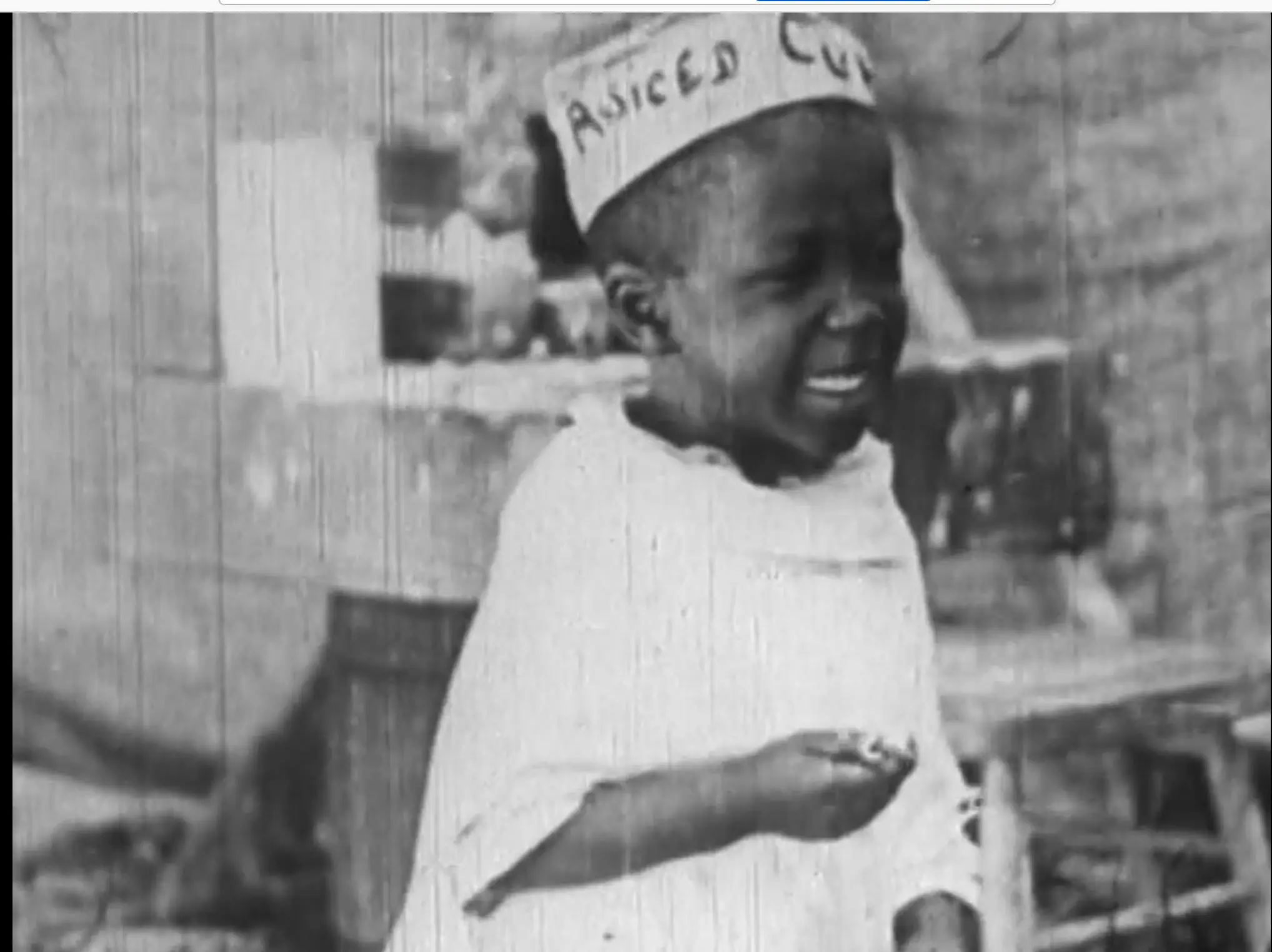
The technical aspects of Tin Hoss are serviceable but unremarkable. The cinematography focuses on capturing the action rather than creating artistic compositions. Unlike Still Waters, which experimented with more fluid camera movements, Tin Hoss stays mostly static, allowing the children to move within the frame. This gives the film a stage-like quality that fits its low-budget origins.
The tone is where the film truly finds its identity. It is unapologetically loud (in a visual sense) and messy. There is a sense of genuine danger in the jalopy scenes that you don't often find in modern family entertainment. When the police finally arrive, it feels like a necessary intervention rather than just a plot point. The film captures the feeling of a summer afternoon that has gone horribly wrong, a universal experience that transcends the silent era.
"Tin Hoss isn't trying to change the world; it's just trying to make you laugh at the sight of a kid eating plaster. In its own weird way, that is a noble pursuit."
Tin Hoss is a loud, clunky, and occasionally brilliant piece of early 20th-century entertainment. It represents the transition of First Division Pictures from a producer of high-energy shorts to a regional distributor of westerns and exploitation films. While it doesn't reach the heights of the films it tries to imitate, it possesses a grit and a frantic energy that is entirely its own. It’s a minor work, but for those who love the era, it’s a necessary one. It works. But it’s flawed. And that’s exactly why it’s worth a look.
IMDb 3.9
1931
Community
Log in to comment.