DbcultAccessing Vault...
5.2/10
Senior Film Conservator
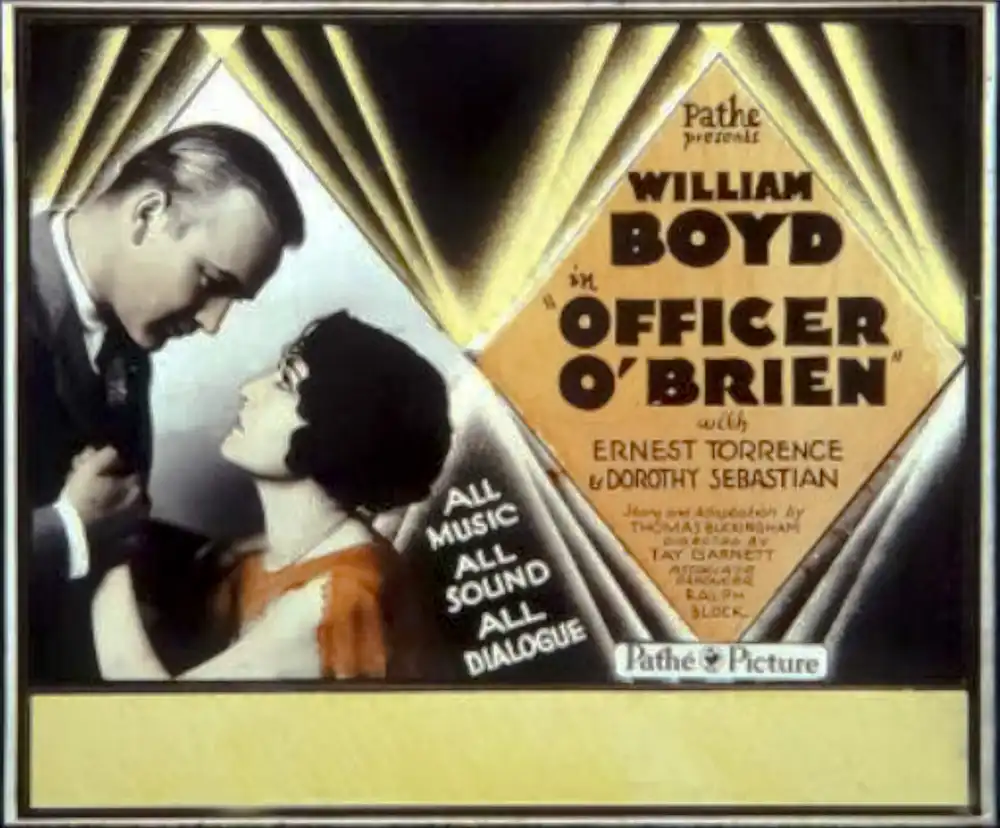
A definitive 5.2/10 rating for a film that redefined the boundaries of cult cinema. Officer O'Brien remains a cornerstone of transgressive art.
If you are looking for a perfectly polished masterpiece, you should probably just skip this one. But if you like those old, slightly creaky movies where people talk fast and the drama feels like a punch to the gut, you might actually dig Officer O'Brien.
It’s a movie for people who appreciate that weird, transitionary period in film where everyone was still figuring out how microphones worked. 🎙️
The story follows Bill O'Brien, played by William Boyd, who is a cop who actually seems to like his job. He gets a promotion for catching a racketeer named Patello, but the timing is terrible.
See, his dad, J.P., just got out of the slammer. And J.P. has no idea his son is a copper.
There is this one scene early on where J.P. is walking home from prison and meets his old pal Limo. Limo is this cockney guy who keeps J.P. from seeing Bill right away, and you can just feel the awkwardness radiating off the screen.
Ernest Torrence plays the dad, and honestly, he steals every scene he is in. He has this way of looking totally defeated and dangerous at the same time.
When J.P. finally shows up to see his son, he’s absolutely plastered. It’s one of those movie-drunk performances that feels a little too real for a movie from 1930.
The movie takes a dark turn when Bill has to literally knock his own father unconscious to keep things under control. It’s a brutal moment that caught me off guard.
I’ve seen plenty of movies about redemption, like Redemption, but this feels much more personal and small-scale. It isn't trying to save the world; it's just trying to save a family from total embarrassment.
The gangster plot with Patello is mostly there to give the movie some stakes. Patello is played by Ralf Harolde, who does the 'slimy racketeer' thing with a lot of sneering and pointing.
"I'm not going to let some rookie lieutenant push me around."
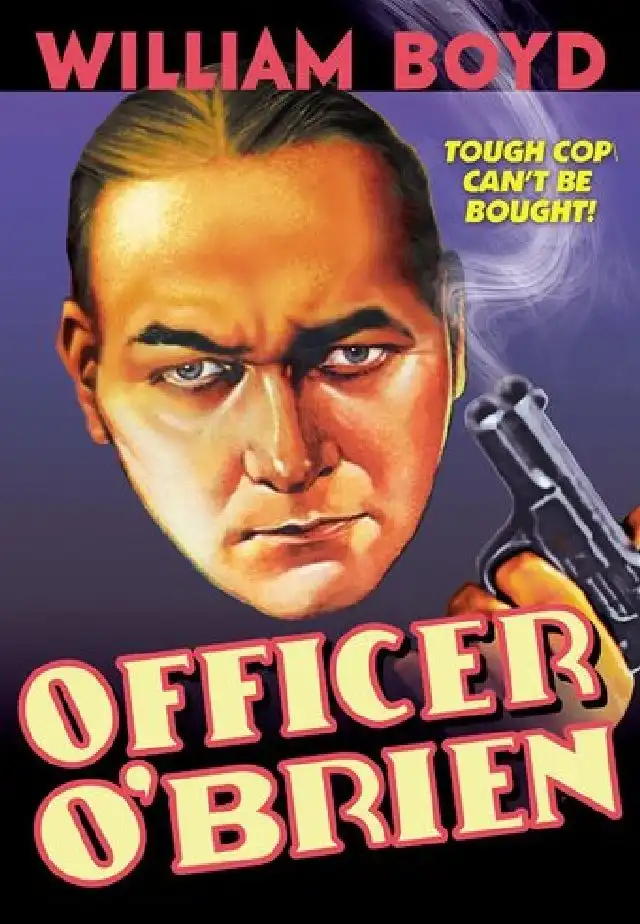
The lighting in the police station scenes is actually pretty cool. It has these long, heavy shadows that make the rooms feel claustrophobic and sweaty.
There’s a subplot involving Ruth Dale and her brother Johnny that feels a bit rushed. Johnny is the witness to a murder, and you just know he’s not going to have a good time once he agrees to testify.
When Johnny gets killed, it’s handled with this weird, quiet bluntness. The movie doesn't linger on it with sad music; it just happens, and the story moves on, which is kind of chilling.
One thing that bothered me was the sound quality in the outdoor scenes. You can hear this constant hiss that reminds you this was made right at the dawn of the 'talkies' era.
It’s a bit like watching The Woman and the Law where the technical stuff sometimes gets in the way of the acting. But the acting here is actually strong enough to push through the static.
The climax involves the dad, J.P., taking matters into his own hands to save Bill’s reputation. It’s a bit melodramatic, but in a way that feels earned after all the drinking and fighting.
I noticed that William Boyd spends a lot of time just standing very still while other people talk. It’s like he’s scared to move too far away from the hidden microphones.
The ending is a little too tidy for my taste. Bill wants to quit because he’s ashamed, but then Ruth says she loves him and everything is suddenly fine? 🤨
It feels like the writers didn't know how to end a movie that was getting so dark, so they just slapped a happy face on it. Still, I didn't hate it.
It’s not as complex as The Tangle, but it’s got a lot of heart under all that 1930s grime. If you like seeing the early building blocks of the police procedural, give it a look.
Just don’t expect a fast-paced action flick. It’s a slow-burn about a guy who just wants his dad to stop being a disaster. 🍺
I’m glad I watched it, even if the ending felt a bit like a cop-out. Pun intended, I guess.
IMDb —
1915
Community
Log in to comment.