DbcultAccessing Vault...
5.1/10
Senior Film Conservator
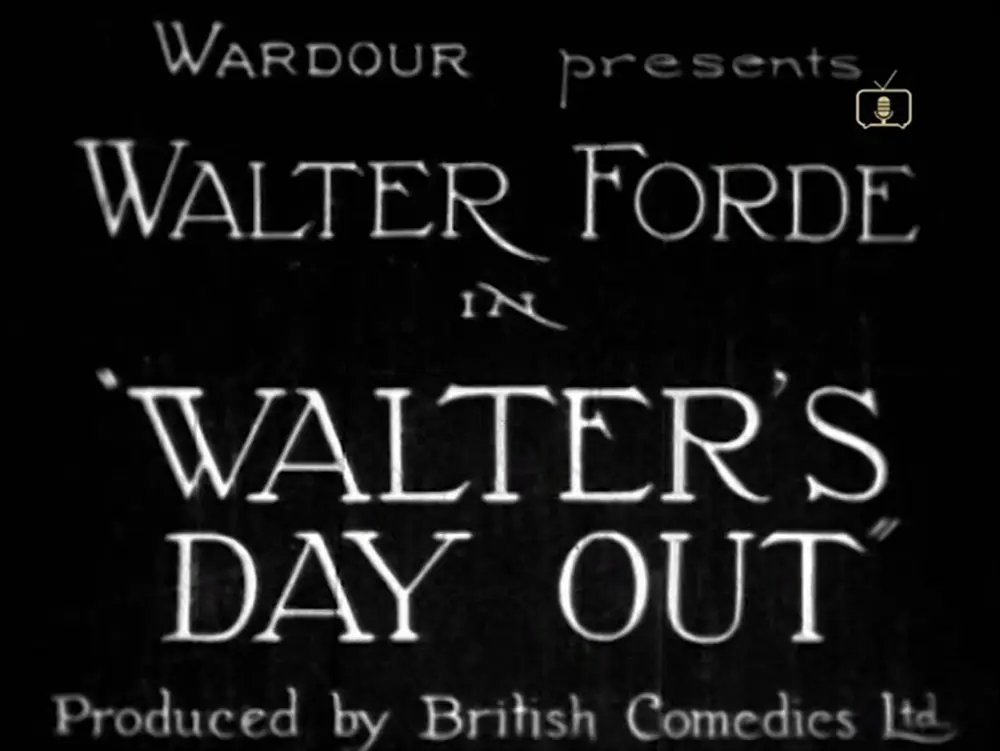
A definitive 5.1/10 rating for a film that redefined the boundaries of cult cinema. Walter's Day Out remains a cornerstone of transgressive art.
Is Walter's Day Out still worth watching today? Short answer: yes, absolutely, but with a significant caveat. This silent-era gem offers a delightful, if somewhat simplistic, escape into a bygone era of slapstick and understated humor.
It’s a film ideally suited for cinephiles interested in the evolution of comedic timing and physical performance, as well as anyone seeking a lighthearted, visually driven narrative. However, those accustomed to modern pacing and intricate plotlines might find its charm a little too subtle, its narrative too straightforward.
This film works because of its unwavering commitment to a single, relatable comedic premise: the desperate avoidance of one's boss outside of work. It’s a universal anxiety, played out with an endearing physical comedy that transcends the lack of dialogue.

This film fails because its narrative ambition is remarkably shallow, even for its time. While the premise is solid, the execution rarely elevates beyond predictable gags, lacking the emotional depth or innovative storytelling found in contemporary works like The Light in the Dark or even the more adventurous The Dangerous Age.
You should watch it if you appreciate the foundational elements of silent comedy, enjoy character-driven physical humor, and are willing to embrace a film that prioritizes simple, effective gags over complex plot development. It works. But it’s flawed.
Walter's Day Out, penned by and starring the versatile Walter Forde, stands as a fascinating artifact of early British cinema. Released at a time when the medium was rapidly evolving, it showcases a particular brand of observational humor rooted in everyday anxieties. The premise is disarmingly simple: an office clerk, Walter (Forde), attempts to enjoy a day at the seaside with his wife and a colleague's children, all while desperately trying to avoid his boss, who has coincidentally chosen the same beach for his leisure.

The film’s strength lies in its unpretentious approach to comedy. There are no grand pronouncements or intricate subplots; merely a succession of escalating near-misses and frantic evasions. This simplicity is both its greatest asset and, at times, its most significant limitation. It captures a slice of life, albeit a highly exaggerated one, that still resonates with anyone who has ever felt the awkwardness of an out-of-office encounter with a superior.
Walter Forde, pulling double duty as both writer and lead actor, demonstrates a keen understanding of visual comedy in his direction. The pacing of Walter's Day Out is remarkably consistent, building tension not through dramatic reveals, but through the increasing proximity of Walter to his unwitting superior. Each near-miss is meticulously choreographed, relying on precise timing and the audience’s anticipation of inevitable discovery.
Consider the sequence where Walter attempts to hide behind a ridiculously small sandcastle, or his frantic efforts to blend into a crowd of bathers. These moments are not just funny; they are expertly framed to maximize the comedic effect of Walter’s desperation. The camera often lingers on Walter’s exaggerated expressions of panic, drawing the audience into his frantic internal monologue, even without a single spoken word.
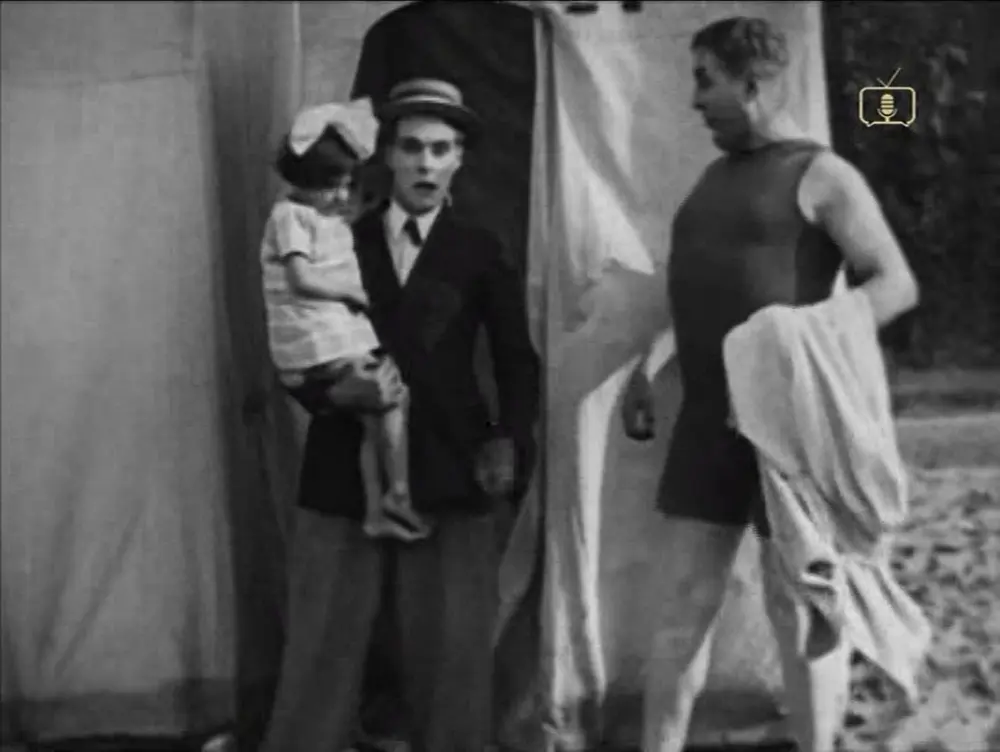
Forde’s directorial choices here are surprisingly sophisticated for a film of its era. He uses wide shots to establish the chaotic environment of the beach, contrasting it with tighter close-ups that emphasize Walter’s personal predicament. This dynamic interplay of scale effectively communicates the character’s isolation amidst the bustling holiday scene.
The film largely rests on the shoulders of Walter Forde and George Foley, who plays the imposing, oblivious boss. Forde, as Walter, delivers a performance that is a masterclass in physical comedy. His rubbery face, expressive eyes, and gangly movements perfectly convey a man perpetually on the brink of a nervous breakdown. He embodies the everyman, caught in a ridiculous situation of his own making, yet entirely sympathetic.
His frantic scramble to hide behind a deck chair, a moment of pure, unadulterated panic, is particularly memorable. It's a testament to his skill that he can evoke such strong emotions through purely visual means. He doesn't just act; he emotes with his entire body, making every twitch and glance count. This is a level of physical communication that feels surprisingly modern, echoing later comedic greats.
George Foley’s portrayal of the boss, on the other hand, is brilliantly understated. He’s not a villain, merely a figure of authority whose presence accidentally triggers Walter’s elaborate charade. Foley plays him with a jovial obliviousness that makes Walter’s predicament all the more absurd. The humor arises from the stark contrast between Walter’s internal terror and the boss’s relaxed, unsuspecting demeanor. Their dynamic is the engine of the film's comedy.
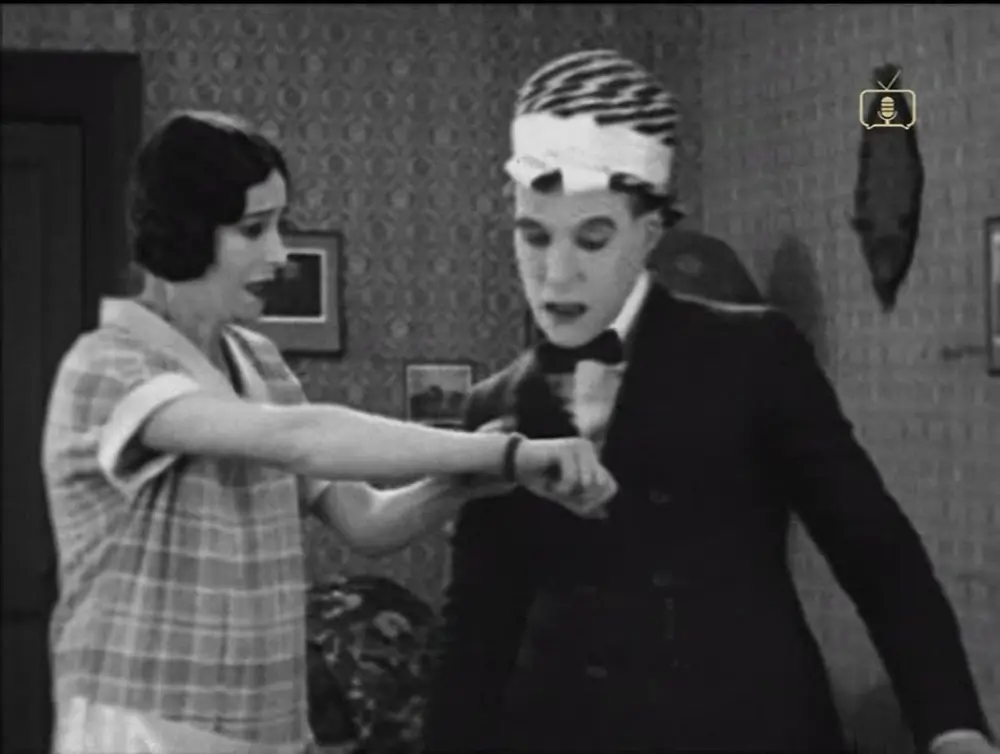
Pauline Peters, as Walter's wife, provides a grounded counterpoint to Walter's escalating panic. Her reactions are often exasperated but loving, anchoring the film in a semblance of domestic reality. While her role is less central, her presence highlights the familial aspect of Walter's outing, making his attempts to save face all the more relatable.
The cinematography of Walter's Day Out, while not groundbreaking by modern standards, effectively captures the vibrant atmosphere of a British seaside resort. The use of natural light gives the film an authentic, almost documentary-like feel, contrasting sharply with the often-stylized studio sets of other films of the era. The sun-drenched beach, bustling with holidaymakers, serves as the perfect backdrop for Walter’s frantic antics.
The production design, if one can call it that for a film primarily shot on location, relies on the inherent charm of the seaside. Deck chairs, sandcastles, and the general hubbub of a busy beach provide ample opportunities for comedic staging. There's a particular shot of Walter attempting to disguise himself amidst a pile of discarded beach towels that, while simple, is executed with a delightful eye for detail. This attention to using the environment as a comedic prop is a hallmark of good silent comedy.
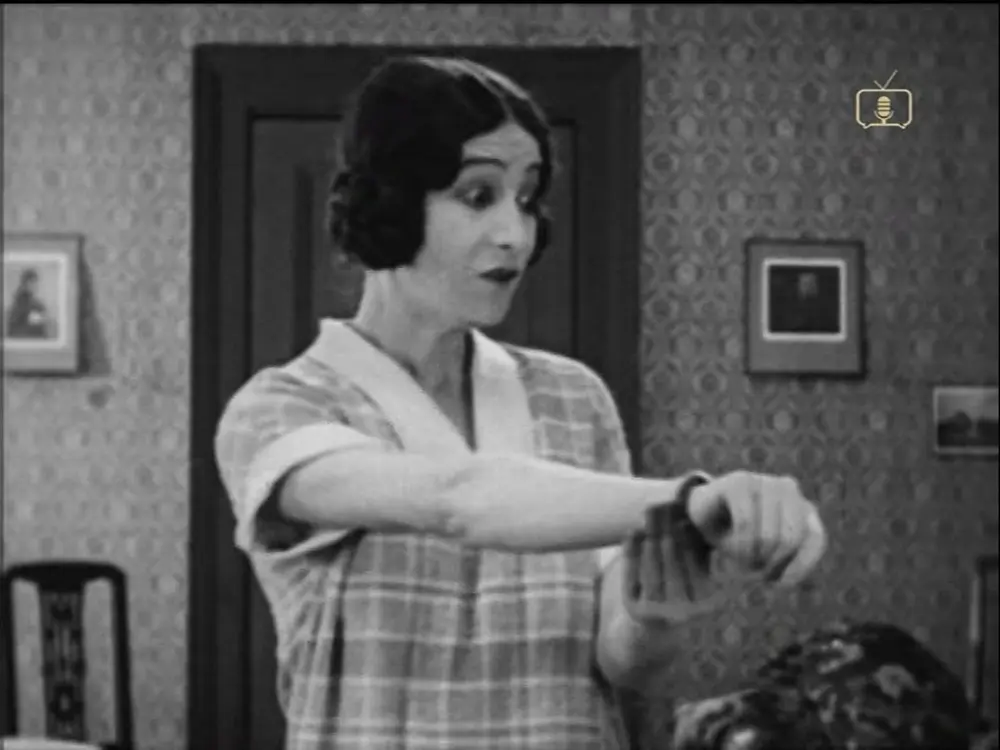
At its heart, Walter's Day Out explores the universal theme of social anxiety and the precarious balance between personal and professional lives. Walter’s desperate attempts to avoid his boss are not just about keeping up appearances; they speak to a deeper fear of judgment and the desire to maintain a distinct separation between work and leisure. This theme, while presented comically, remains remarkably relevant even today.
The tone of the film is consistently lighthearted and farcical. There are no dark undertones or complex psychological explorations. It's pure escapism, designed to elicit laughter through relatable, if exaggerated, human behavior. This unwavering commitment to its comedic tone ensures that the film never overstays its welcome, delivering its jokes with efficiency and charm. It's a surprisingly effective study in how little the core anxieties of the working individual have changed over the decades.
While Walter's Day Out is a delightful film, it doesn't quite reach the innovative heights of some of its contemporaries. For instance, films like The Summer Girl, while perhaps less overtly comedic, often delved into more complex character studies. Even within the realm of physical comedy, one might argue that the sheer inventive genius seen in works like Die Jagd nach dem Tode, with its thrilling action sequences, pushed the boundaries of what was possible in silent cinema further.
However, Walter's Day Out carves its own niche through its distinctly British sensibilities and its focus on a very specific, relatable social predicament. It’s less about grand adventures and more about the small, everyday absurdities that define our lives. It’s a quiet triumph rather than a roaring spectacle, a film that finds humor in the mundane rather than the extraordinary.
Walter's Day Out is a charming, if not groundbreaking, piece of silent cinema that offers a delightful window into the comedic sensibilities of its era. Walter Forde’s performance is genuinely captivating, carrying the film with a blend of frantic energy and endearing vulnerability. While it might not redefine the genre, its strength lies in its simple, universal premise and its expert execution of physical humor. It’s a film that asks little of its audience beyond a willingness to laugh at the timeless anxieties of everyday life.
Ultimately, it's a worthwhile watch for anyone who appreciates the foundational elements of comedy and the sheer expressive power of silent film. It serves as a gentle reminder that sometimes, the most profound humor can be found in the most mundane of predicaments. Don't expect a cinematic revolution, but do expect a genuine smile. It's a film that, despite its age, still manages to sneak up on you with its enduring charm.

IMDb —
1926
Community
Log in to comment.