DbcultAccessing Vault...
Cult Review
Senior Film Conservator
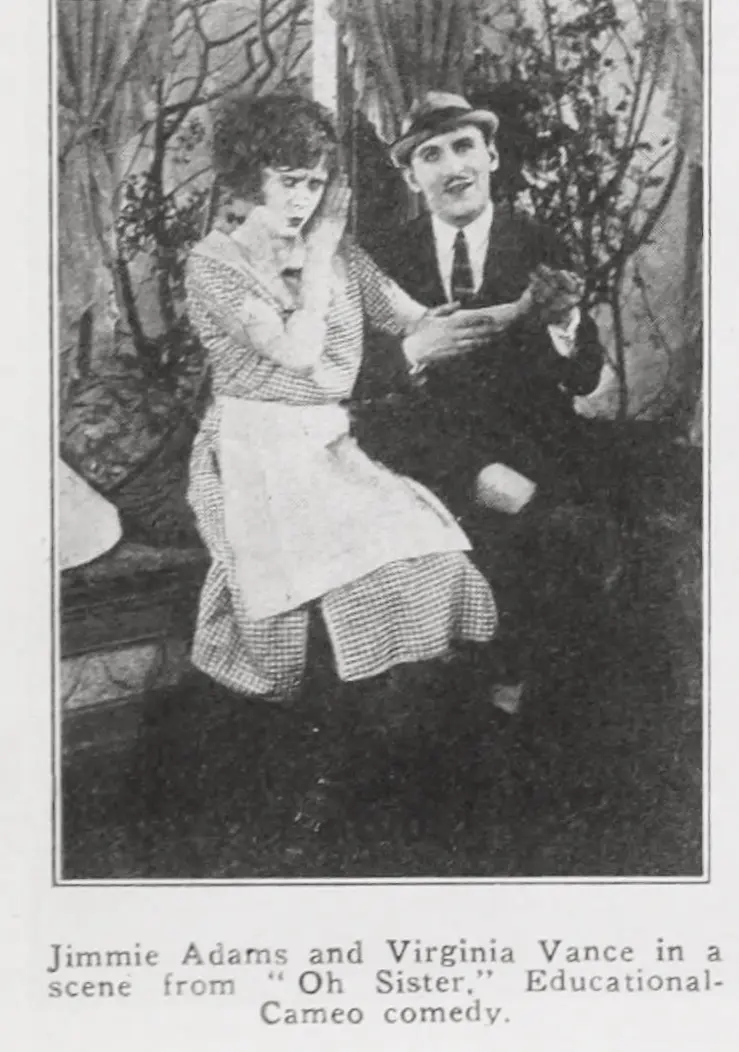
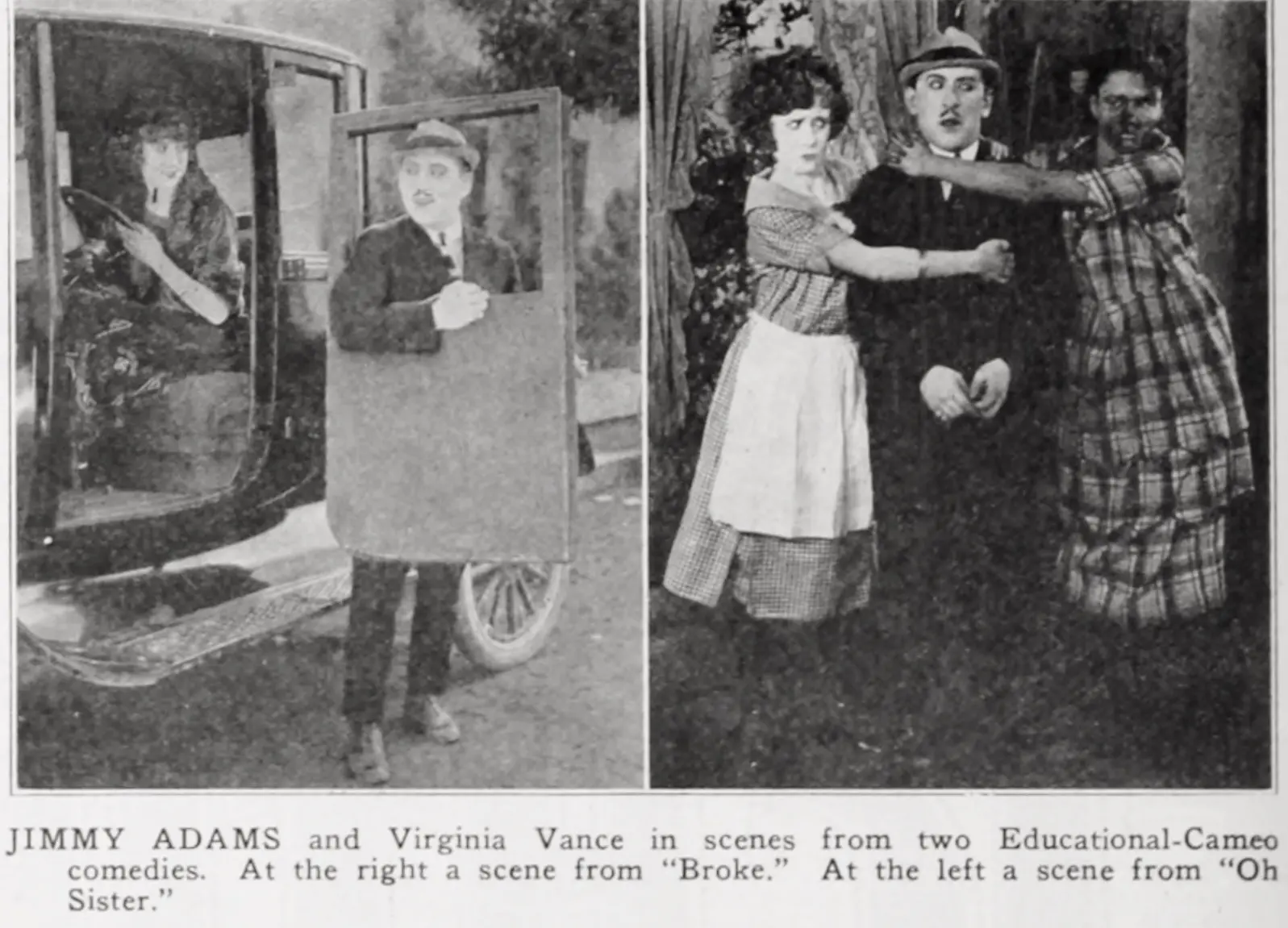
The opening frames of Oh, Sister! settle on a weather‑worn boarding house, its timbered bones creaking under the weight of unspoken longing. The camera lingers on the two sisters, portrayed with a nuanced blend of stoic endurance and suppressed yearning. Virginia Vance, embodying the elder sister, exudes a measured grace that masks a simmering desperation, while Jimmie Adams, as the eponymous boarder, radiates a youthful magnetism that seems to belong to a different world altogether. The film’s mise‑mise, though modest, is meticulously arranged: the dim lighting casts long shadows across the wooden floors, a visual metaphor for the darkness that looms over the sisters’ intertwined fates.
\n\nThe central conflict—two sisters vying for the affection of a single man—might appear trite by contemporary standards, yet the silent medium forces a reliance on gesture, expression, and mise‑en‑scene that elevates the trope to a study in human vulnerability. Virginia’s attempts to woo Jimmie are not merely comedic set‑pieces; they are imbued with a palpable desperation that resonates beyond the era’s conventional slapstick. The infamous steak‑serving scene, where the elder sister presents a massive cut of meat with a flourish of endearments, is choreographed with a rhythmic precision that mirrors a culinary ballet. The steak itself becomes a symbol: a hearty offering meant to nourish both body and heart, ultimately falling short of its intended emotional nourishment.
\n\nEnter the bewhiskered antagonist, a character archetype that recurs throughout early twentieth‑century cinema. His arrival is marked by a sudden shift in lighting—sharp, almost harsh—signaling the intrusion of external greed into the intimate domestic sphere. He deftly extracts the elder sister’s life savings of $37, a sum that, while modest by modern measures, represents a substantial portion of her economic autonomy. This theft is not merely a plot device; it underscores the precariousness of women’s financial independence during the 1920s, a theme echoed in contemporaneous works such as The Great Problem and Lady Rose's Daughter.
\n\nJimmie’s pursuit of the thief is executed with a kinetic energy that contrasts sharply with the languid domestic scenes. The chase sequence, though brief, employs rapid cuts and dynamic camera angles—a nod to the burgeoning language of action cinema. When Jimmie finally apprehends the crook, the film rewards the audience with a moment of moral equilibrium restored. The elder sister’s decision to surrender her remaining savings to the young couple is both an act of self‑effacement and an assertion of agency: she chooses to abandon the stagnant environment that has long confined her, opting instead for a partnership that promises emotional reciprocity.
\n\nVirginia Vance’s performance is a masterclass in subtlety. Her eyes, often narrowed in contemplation, convey layers of internal conflict without a single spoken word. Jimmie Adams, meanwhile, balances the charisma of a leading man with the earnestness of a romantic hero, his physical comedy underscored by an underlying sincerity. The supporting cast, though limited, provides essential texture, especially in the brief yet memorable appearance of the villain, whose exaggerated moustache and sly grin hark back to the archetypal rogue of silent melodramas.
\n\nWhen situated within the broader landscape of 1920s cinema, Oh, Sister! shares thematic DNA with films like The Huntress, where female protagonists navigate patriarchal constraints, and Twin Lizzies, which similarly explores sibling dynamics amidst romantic entanglements. However, unlike the more melodramatic tones of Die ewige Nacht, Oh, Sister! maintains a light‑hearted, almost whimsical cadence, allowing its social commentary to be delivered with a gentle touch.
Although the film is rendered in monochrome, its visual composition can be re‑imagined through a modern color lens. The warm amber of the kitchen’s hearth, reminiscent of dark orange #C2410C, underscores the domestic intimacy. The fleeting glints of sunlight through the shutters evoke a muted yellow #EAB308, suggesting hope amidst adversity. Finally, the sea‑blue #0E7490 appears in the distant window panes, a symbolic reminder of the broader world beyond the boarding house’s walls—a world the elder sister ultimately chooses to join.
\n\nThe film’s three‑act structure is elegantly compact. The exposition establishes the boarding house’s microcosm and the love triangle; the rising action introduces the villain’s theft, escalating tension; the climax resolves with Jimmie’s capture of the crook and the elder sister’s altruistic gesture. The denouement, though brief, leaves the audience with a lingering sense of bittersweet resolution—a hallmark of effective silent storytelling.
\n\nAt its core, Oh, Sister! interrogates the notion of sacrifice. The elder sister’s relinquishment of her savings is not an act of defeat but a conscious choice to redefine her identity outside the confines of the boarding house. This thematic thread aligns with the feminist undertones found in Reclaimed: The Struggle for a Soul Between Love and Hate, where female protagonists assert agency amidst patriarchal expectations.
\n\nWhile the original silent version would have been accompanied by a live piano or organ, modern restorations often pair the film with a period‑appropriate score. The music, typically featuring light‑hearted ragtime motifs during comedic interludes and a more solemn melody during the theft scene, enhances emotional resonance, guiding the audience through the narrative’s tonal shifts.
\n\nThough Oh, Sister! remains a lesser‑known entry in the silent canon, its exploration of gender dynamics, economic vulnerability, and the pursuit of personal happiness resonates with modern viewers. The film serves as a valuable case study for scholars examining early representations of women’s autonomy in cinema, and its comedic sensibility offers a refreshing counterpoint to the era’s more somber dramas.
\n\nIn sum, Oh, Sister! delivers a compact yet richly textured narrative that balances humor with poignant social commentary. Its performances are nuanced, its visual storytelling inventive, and its thematic concerns surprisingly progressive for its time. For cinephiles seeking a glimpse into the silent era’s capacity for layered storytelling, this film is an indispensable watch.
IMDb 6.8
1925
Community
Log in to comment.