DbcultAccessing Vault...
4.3/10
Senior Film Conservator
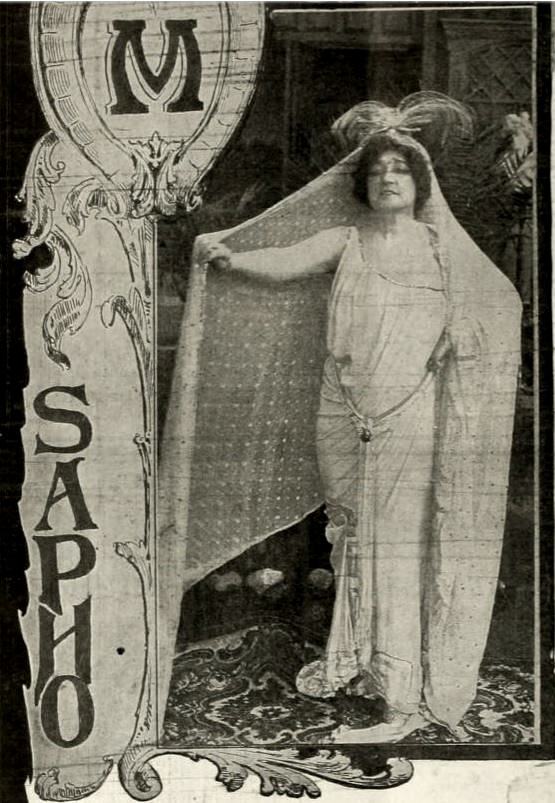
A definitive 4.3/10 rating for a film that redefined the boundaries of cult cinema. Sapho remains a cornerstone of transgressive art.
The 1913 film Sapho, directed by and starring a talented cast, including Shelly Hull, Florence Roberts, Arthur Cadwell Jr., and Lamar Johnstone, is a captivating tale of love, redemption, and self-discovery. Set against the backdrop of a society governed by strict moral codes, the story follows the journey of a woman with a notorious past, known as Sapho, as she navigates the complexities of her own identity and the expectations placed upon her.
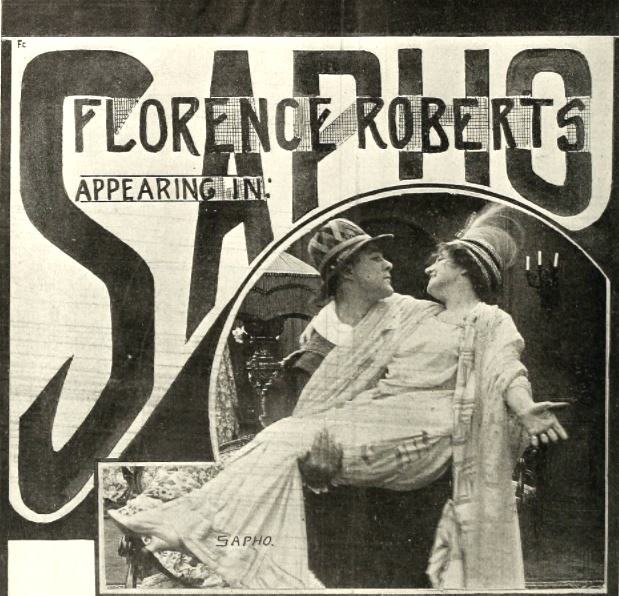
With its rich, nuanced narrative, Sapho draws the viewer into a world of intricate relationships, where the boundaries between past and present are constantly blurred. The film's exploration of themes such as morality, personal growth, and the transformative power of human relationships is both thought-provoking and deeply moving. As Sapho's story unfolds, the audience is invited to reflect on the societal pressures that shape our lives and the ways in which we respond to these forces.
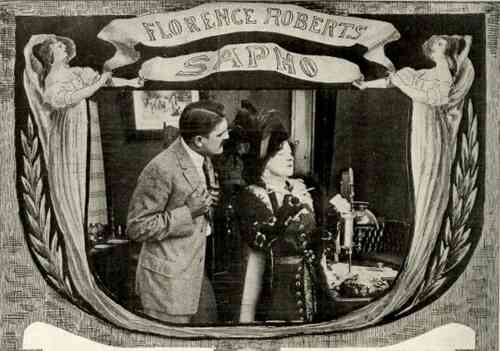
One of the most striking aspects of Sapho is its thoughtful portrayal of a woman struggling to come to terms with her own identity. The film's use of vivid imagery and poetic language adds depth and complexity to the narrative, creating a sense of intimacy and immediacy that draws the viewer into Sapho's world. As the story progresses, the audience is witness to a profound transformation, as Sapho begins to reclaim her sense of self and forge a new path in life.

The film's historical context is also noteworthy, as it offers a fascinating glimpse into the social and cultural landscape of the early 20th century. The strict moral codes and societal expectations that govern Sapho's world are a powerful commentary on the limitations placed on individuals, particularly women, during this period. The film's exploration of these themes serves as a powerful reminder of the importance of empathy, understanding, and compassion in our own lives.
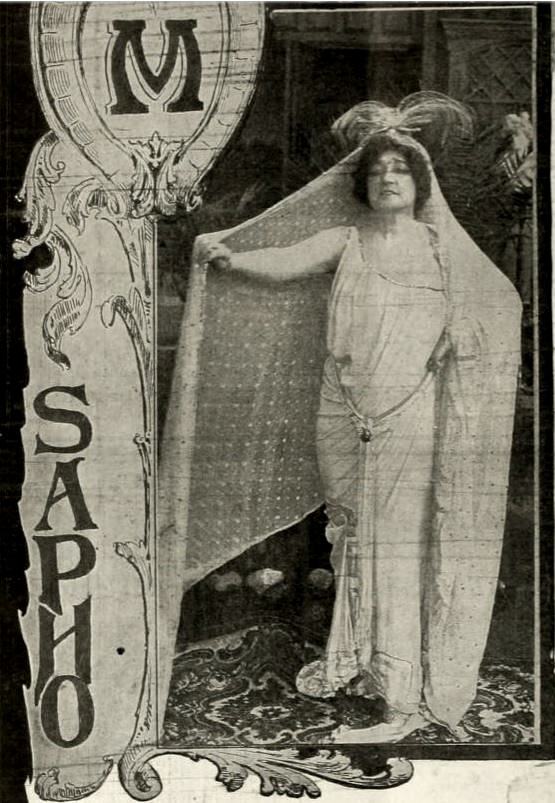
In comparison to other films of the era, such as Glacier National Park and From the Manger to the Cross, Sapho stands out for its nuanced, character-driven narrative and its thought-provoking exploration of themes that remain relevant today. The film's use of innovative cinematography and expressive performances adds to its enduring charm, making it a must-see for fans of classic cinema.

In conclusion, Sapho is a film that will resonate with audiences long after the credits have rolled. Its powerful, poignant narrative and its thoughtful exploration of the human condition make it a timeless classic, one that invites reflection, empathy, and understanding. As a work of cinematic art, Sapho is a testament to the transformative power of film to capture the complexities and nuances of the human experience.

IMDb —
1928
Community
Log in to comment.