DbcultAccessing Vault...
7.6/10
Senior Film Conservator
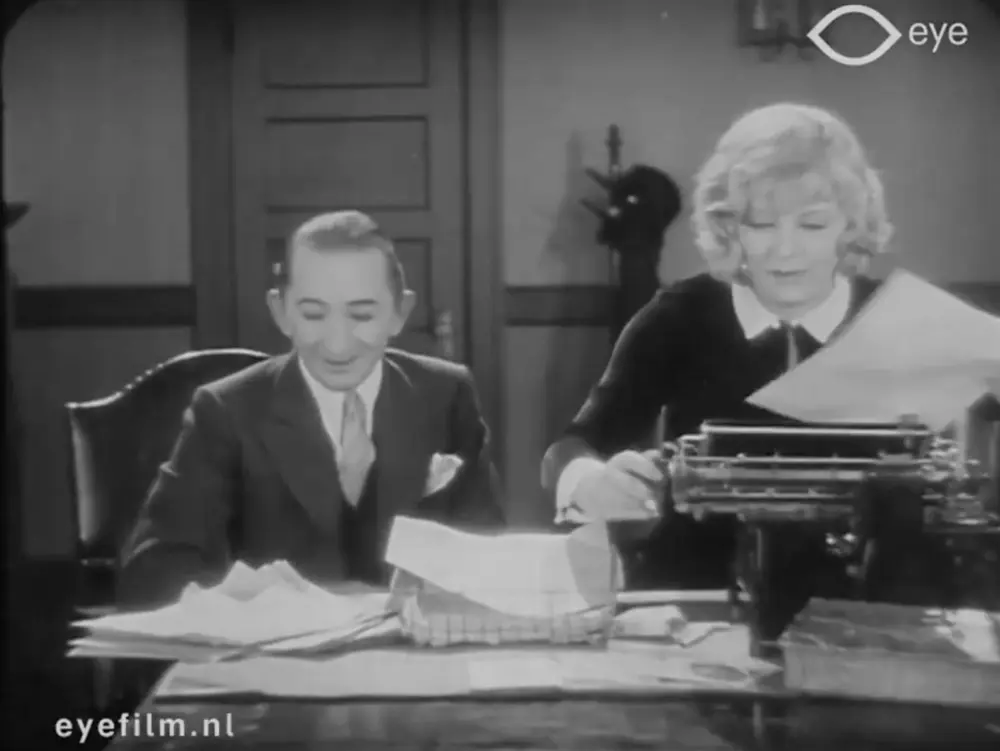
A definitive 7.6/10 rating for a film that redefined the boundaries of cult cinema. Oh, What a Man! remains a cornerstone of transgressive art.
Is Oh, What a Man! a hidden gem of the 1920s? Short answer: No, it is a fascinatingly flawed artifact of a comedian who didn't know when to stop. This film is for the silent-era completionist who enjoys high-energy slapstick and expensive set pieces, but it is certainly not for those who demand narrative logic or emotional resonance.
1) This film works because the production design of the speakeasy provides a rich, tactile environment for the physical comedy to unfold. 2) This film fails because Larry Semon’s frantic pacing and 'whiteface' persona feel increasingly out of place in a 1927 landscape that was moving toward more sophisticated storytelling. 3) You should watch it if you want to see Gertrude Astor command the screen as a rare female gang leader who actually feels dangerous.
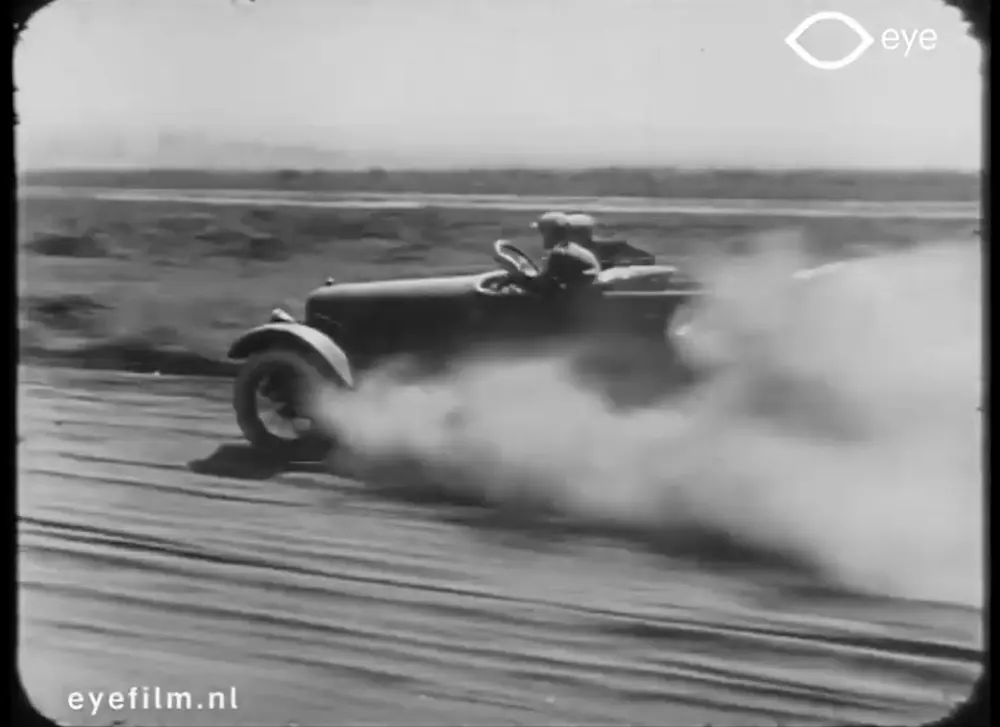
If you are looking for the structural perfection of Buster Keaton’s Cops, you will be disappointed. Oh, What a Man! is worth watching primarily as a historical curiosity. It represents the 'Semon Style' at its most bloated—too much money spent on gags that don't always land, yet possessing a manic energy that is impossible to ignore. It is a film that values the moment over the movement. If you can appreciate a movie that feels like it’s vibrating with its own anxiety, then give it thirty minutes of your time.
Larry Semon was a man of excess. While his contemporaries like Chaplin were refining the 'Tramp' into a symbol of human pathos, Semon was doubling down on the cartoonish. In Oh, What a Man!, this is evident from the first frame. The detective character isn't a person; he is a vessel for reaction shots. Semon’s makeup—a thick, clown-like whiteface—creates a barrier between the audience and the character. It’s hard to care about a detective’s safety when he looks like he belongs in a circus ring rather than a dangerous speakeasy.
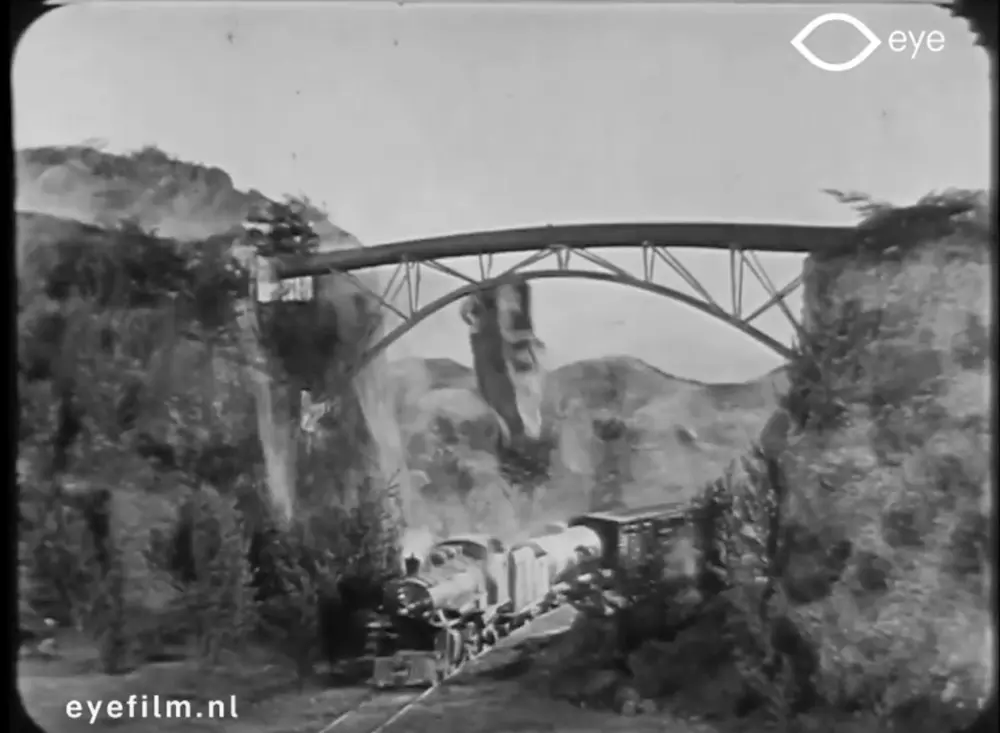
Take the infiltration sequence. The detective enters the speakeasy with a bravado that is immediately undercut by his own clumsiness. This is standard slapstick, but Semon pushes it until the timing breaks. Where Keaton used geometry and physics to create awe, Semon uses volume. There are more people, more props, and more falls than the story requires. It is over-engineered. It works, but it’s flawed. The film feels like it’s trying to scream for your attention while you’re already looking right at it.
The most compelling reason to watch this film isn't Semon; it’s Gertrude Astor. As Notorious Nora, Astor brings a level of gravitas that the film doesn't deserve. In an era where female characters were often relegated to the 'damsel' or the 'vamp,' Nora is a legitimate boss. She sits at the center of the speakeasy like a spider in a web. When she looks at the detective, you don't see a comedic foil; you see a woman who could actually have someone killed.
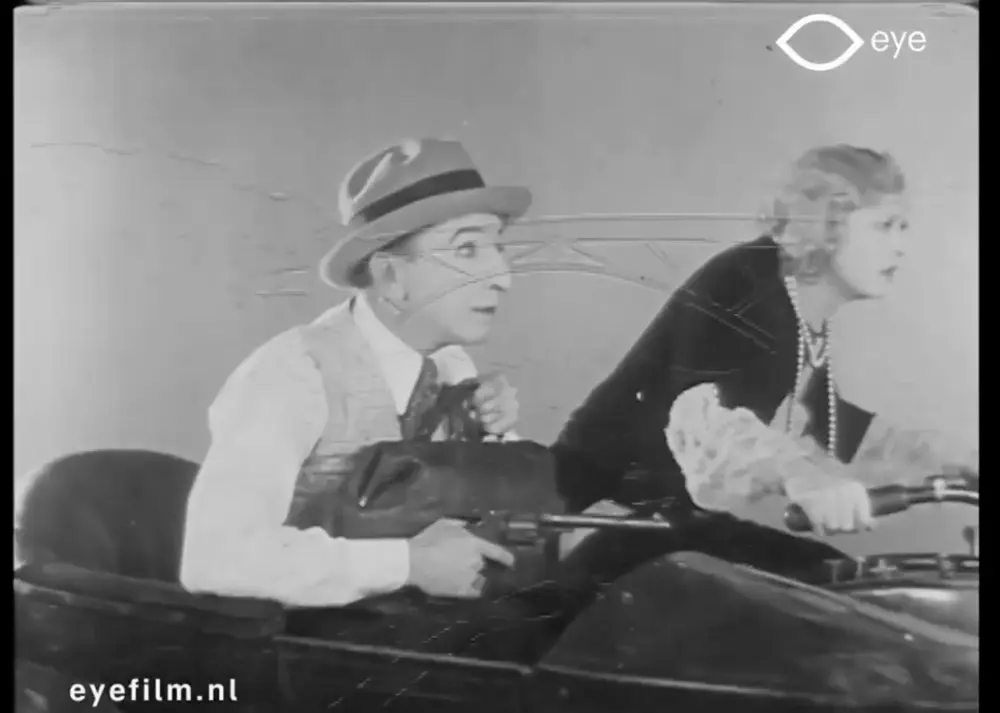
Her performance is a stark contrast to the melodrama found in films like Three Weeks. Astor doesn't need to overact. She uses her eyes and her posture to convey authority. There is a specific scene where she questions the detective’s credentials, and for a brief moment, the film shifts from a slapstick comedy to a genuine crime thriller. It’s a shame the film doesn't stay there. Semon’s need to fall over a chair eventually breaks the tension, but Astor’s presence remains the film’s anchor.
Visually, the film is a product of its time, but with a higher-than-average budget. The speakeasy set is a labyrinth of trap doors, hidden compartments, and smoky corners. The cinematography captures the claustrophobia of the underground world effectively. Unlike the surrealist experimentation seen in Le brasier ardent, the camera work here is functional. It stays back to allow the physical comedy room to breathe, which is a wise choice given the scale of the stunts.
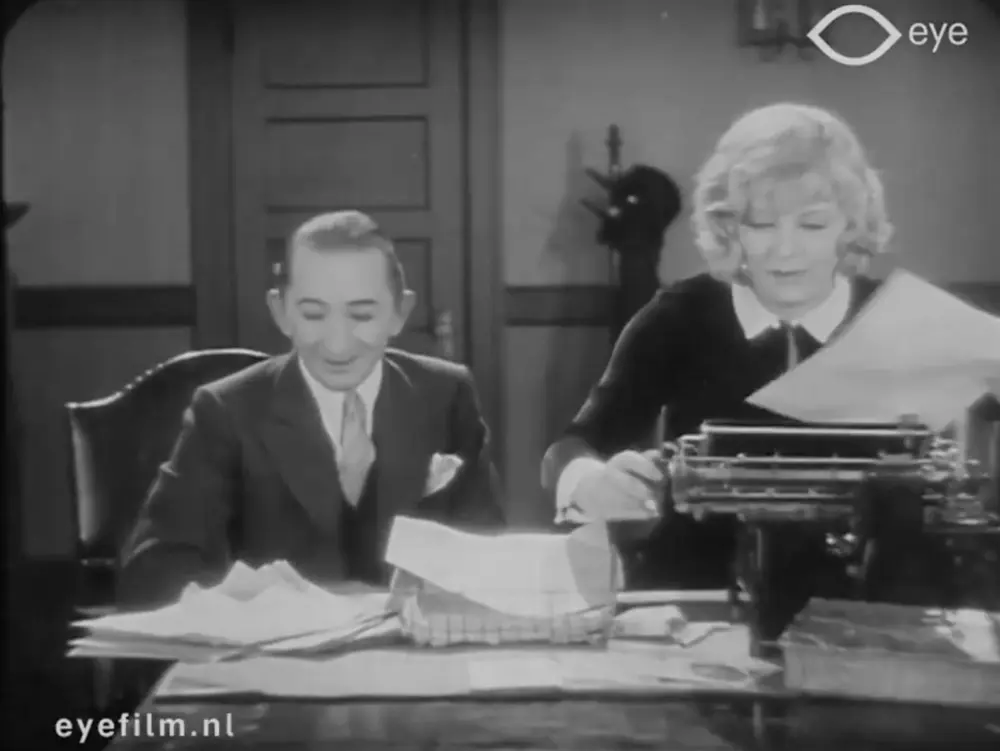
The pacing, however, is a mess. The film starts at a ten and has nowhere to go. By the time we reach the climax, the audience is exhausted. Semon doesn't understand the power of a pause. Every second must be filled with a twitch, a tumble, or a chase. It lacks the rhythmic sophistication of Two A.M., where the humor is allowed to build naturally from the situation. Here, the situation is forced to accommodate the humor.
Is this a parody or a straight comedy? The film can't decide. At times, it seems to be mocking the 'tough guy' detective tropes that were becoming popular in the late 20s. At other times, it leans into the most basic, derivative gags imaginable. This identity crisis is what prevents it from being a classic. It lacks the singular vision of something like Die Zirkusprinzessin, which knows exactly what it wants to be from start to finish.
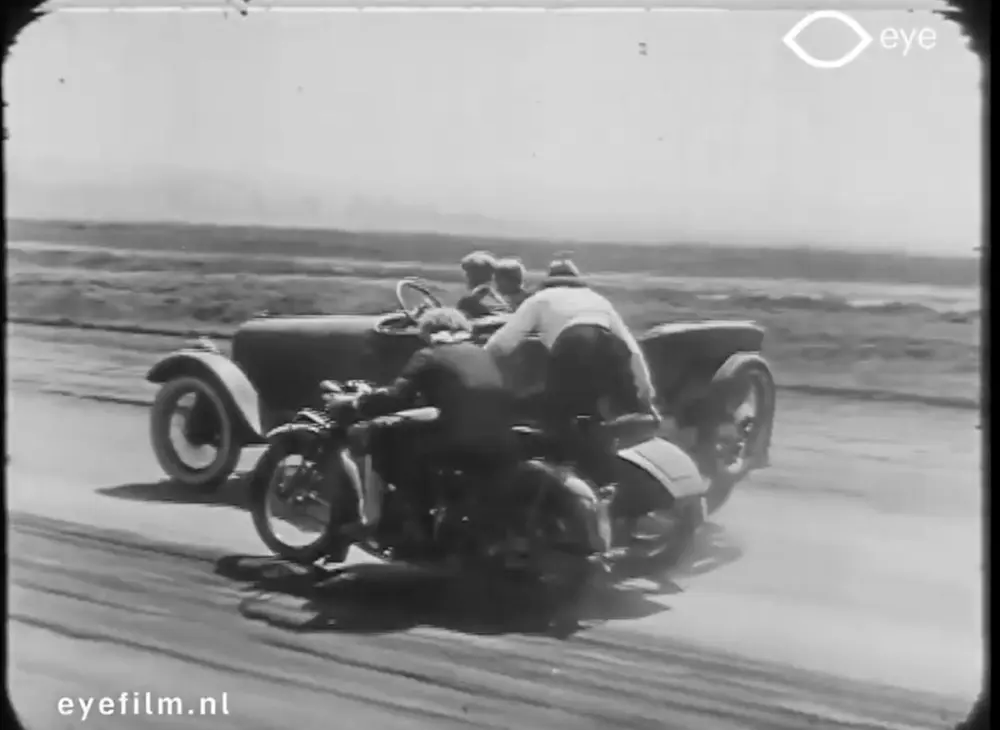
The supporting cast, including Spencer Bell, provides some of the more grounded moments, though Bell’s role is unfortunately hampered by the racial stereotypes common to the period. His chemistry with Semon is undeniable, but it’s hard to watch through a modern lens without a sense of discomfort. This is a film that is very much of 1927, for better and for worse.
Oh, What a Man! is a loud, silent mess. It is a testament to Larry Semon’s ambition and his inability to self-edit. While the film offers some genuine thrills in its stunt work and a standout performance from Gertrude Astor, it fails to coalesce into a meaningful piece of cinema. It is too much, yet it feels like too little. Watch it for the history, but don't expect to fall in love with the man at the center of the storm. It’s a relic. It’s manic. It’s Semon.
IMDb —
1921
Community
Log in to comment.