DbcultAccessing Vault...
8/10
Senior Film Conservator
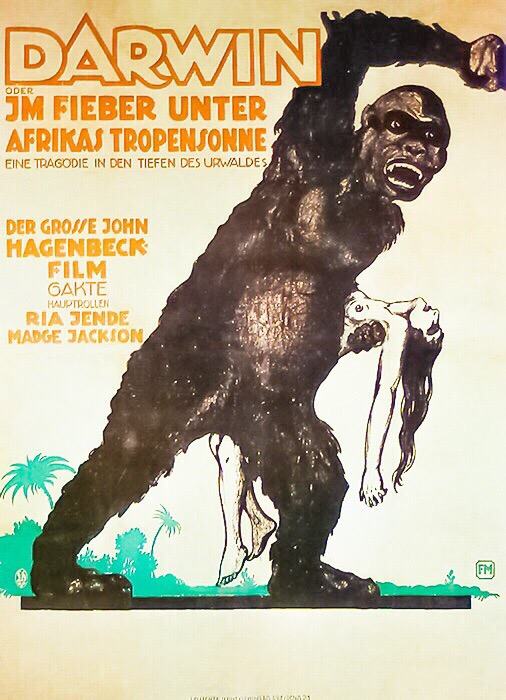
A definitive 8/10 rating for a film that redefined the boundaries of cult cinema. Darwin remains a cornerstone of transgressive art.
In the volatile atmosphere of 1920s Weimar Germany, the cinema served as a grand laboratory for the human condition. Darwin, a work that has often been overshadowed by the more flamboyant expressions of the era, stands as a testament to the intellectual rigor of its screenwriters, Friedel Köhne and Hans Brennert. This is not a film that merely depicts life; it interrogates the very foundations of existence through a lens that is simultaneously clinical and deeply empathetic. The choice of title is no mere homage to the naturalist; it is a declaration of intent, a signal that the following hours will be a dissection of the social and biological forces that govern our trajectory.
The narrative architecture of Darwin is a marvel of early 20th-century screenwriting. Unlike the straightforward moralizing found in The Blacklist, Köhne and Brennert weave a complex web of cause and effect that mirrors the unpredictability of natural selection. They do not present characters as static archetypes but as evolving organisms, reacting to the pressures of their environment with varying degrees of success. The dialogue, though transmitted through the silent medium's intertitles, carries a weight of philosophical inquiry that challenges the viewer to look beyond the immediate drama.
The structural integrity of the plot relies on the juxtaposition of high-society expectations and the raw, unyielding reality of human nature. This is a theme that resonates with the gravity found in The Black Chancellor, yet Darwin approaches it from a more visceral, biological standpoint. The writers manage to avoid the pitfalls of didacticism, instead allowing the visual storytelling to carry the burden of the film's existential weight. The pacing is deliberate, reflecting the slow, agonizing process of adaptation and the sudden, violent shifts of fortune that characterize the Darwinian struggle.
Alf Blütecher’s performance is the gravitational center of the film. In an era where acting often veered into the hyper-theatrical, Blütecher maintains a restrained intensity that is hauntingly modern. His face becomes a cartography of the internal conflict between the intellect and the instinct. When compared to the more traditional heroics seen in Stingaree, Blütecher’s portrayal feels like a radical departure—a study in the fragility of the human ego when confronted with its own animalistic origins.
The supporting cast provides a rich ecological system for Blütecher to inhabit. Wilhelmi and Allan Durant offer performances that ground the film's more abstract concepts in a tangible reality. The presence of Ria Jende and Lya Sellin introduces a layer of social complexity, highlighting the disparate ways in which the 'struggle for existence' manifests across gender and class lines. Their interactions are not merely plot points but are essential components of the film's thematic ecosystem, illustrating how the drive for survival can both forge and destroy human connections.
Visually, Darwin occupies a unique space in the transition toward full-blown German Expressionism. The cinematography utilizes light and shadow not just for dramatic effect, but as a symbolic representation of the known and the unknown—the conscious mind versus the primordial subconscious. The set designs, while maintaining a degree of realism, often feel claustrophobic, suggesting that the characters are trapped within the cage of their own biology. This visual tension is far more sophisticated than the aesthetic seen in Tootsies and Tamales, which prioritizes lighthearted entertainment over thematic depth.
The film’s use of space is particularly noteworthy. The wide shots of the natural world are contrasted with the cramped, cluttered interiors of the city, emphasizing the alienation of the modern man from his ancestral roots. This visual dichotomy serves as a silent commentary on the cost of civilization. The camera lingers on the minute details—a nervous twitch of a hand, the way a shadow falls across a face—capturing the micro-evolutions of the characters' internal states. It is a masterclass in visual storytelling that requires no verbal explanation to convey its profound sense of unease.
At its core, Darwin is a film about the melancholy that accompanies the realization of our own insignificance in the grand timeline of the earth. It shares a certain thematic kinship with The Spendthrift, particularly in its exploration of how human desires can lead to ruinous ends. However, where The Spendthrift focuses on economic and moral depletion, Darwin looks at the depletion of the spirit when it is stripped of its illusions of grandeur. The film suggests that while we may have climbed the evolutionary ladder, we have left behind a sense of belonging that no amount of technological or social progress can replace.
Madge Jackson’s contribution to the film, though perhaps smaller in screen time, adds a vital dimension of vulnerability. Her character often serves as the emotional barometer for the film’s more cold, scientific inquiries. Through her, we see the human cost of the cold logic that often dictates the lives of the other characters. This emotional resonance prevents the film from becoming a dry intellectual exercise, ensuring that the audience remains invested in the fate of these individuals, even as they are swept away by forces beyond their control.
When we look at Darwin alongside The Golden Goal, the differences in their treatment of ambition become stark. While the latter might celebrate the drive toward a singular objective, Darwin views such ambition through a more skeptical lens, questioning whether the goals we set for ourselves are truly our own or merely the dictates of a biological imperative we don't fully understand. Similarly, the film lacks the sentimental optimism found in Billy's Fortune, opting instead for a gritty, uncompromising look at the reality of life in a world governed by competition.
The influence of contemporary social issues is also palpable. The film touches on themes of class struggle and the ethics of scientific advancement, much like Every Mother's Son explores the societal impact of conflict. However, Darwin elevates these themes by framing them within the context of natural law, suggesting that our social structures are merely extensions of our biological needs. It is a provocative stance that must have been incredibly challenging for audiences in 1920, and it remains equally thought-provoking today.
The enduring power of Darwin lies in its refusal to provide easy answers. It does not end with a neat resolution but with a lingering question about the future of the species. The technical limitations of the time—the flicker of the frame, the lack of synchronized sound—only serve to enhance the film’s sense of antiquity and primordial mystery. It feels like a transmission from a lost world, a fossilized remains of a cinematic thought-process that was as daring as it was profound.
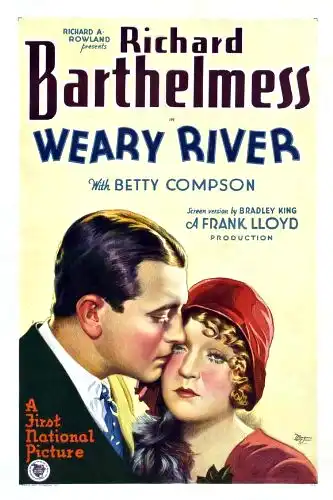
In the broader context of Weimar cinema, Darwin should be recognized as a pivotal work that paved the way for more overtly philosophical films like Metropolis or The Last Laugh. It shares the same DNA as Leon Drey in its fascination with the individual’s place within a larger, often indifferent system. Furthermore, the film’s exploration of debt—both literal and metaphorical—invites comparison with Paying His Debt, though Darwin frames this debt as something owed to nature itself rather than to society.
The film’s aesthetic choices, particularly the stark contrasts and the focus on character psychology, prefigure the noir sensibilities that would later dominate the medium. The portrayal of the 'brazen' aspects of human nature, perhaps echoing the themes of The Brazen Beauty, is handled here with a scientific detachment that makes it all the more chilling. Even the lighter moments in the film are tinged with a sense of the ephemeral, a reminder that every 'pay day' (referencing Pay Day) is merely a temporary reprieve from the inevitable toll of time and evolution.
Ultimately, Darwin is a cinematic artifact of immense value. It captures a moment in history when the world was trying to make sense of itself using new scientific and artistic tools. It is a film that demands much from its audience—patience, reflection, and a willingness to confront the darker aspects of our own nature. In return, it offers a profound and moving experience that transcends its silent origins. Whether compared to the intrigue of The Love Swindle or the cultural clashes of For the Freedom of the East, Darwin remains a singular achievement, a quiet but powerful roar from the dawn of the cinematic age. It reminds us that while we may be the masters of our technology, we are still, and perhaps always will be, subjects of the natural world.
A haunting, cerebral journey into the heart of what it means to be human in an evolving world.
IMDb —
1924
Community
Log in to comment.