DbcultAccessing Vault...
Cult Review
Senior Film Conservator
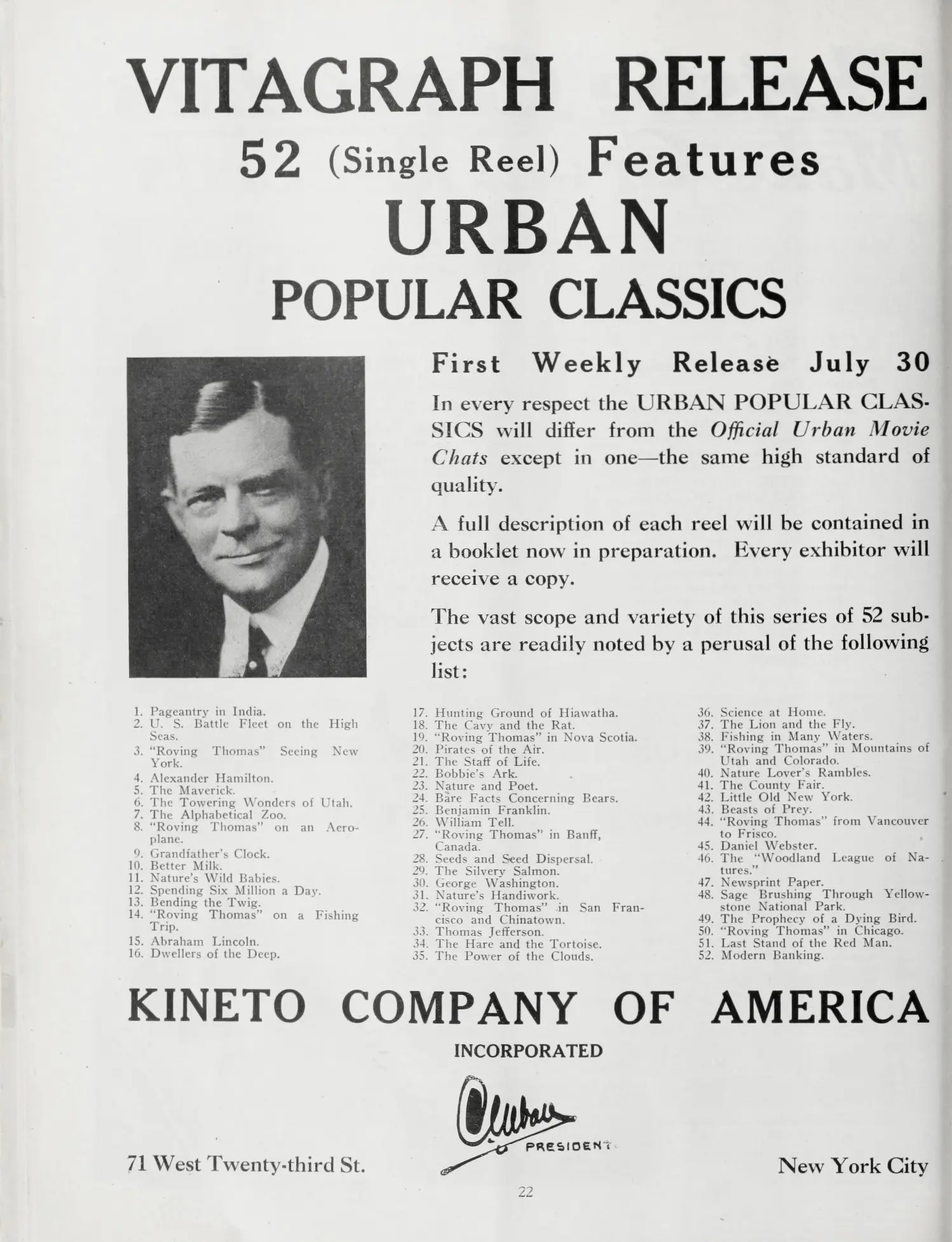
Stepping into the world of Old New York is akin to traversing a meticulously preserved daguerreotype, animated with an astonishing vibrancy that belies its historical setting. Director Alistair Finch's vision for this cinematic journey through the 1890s is not merely a nostalgic glance backward but a profound excavation of the societal strata and burgeoning anxieties that defined an era of colossal transformation. It’s a film that eschews simplistic period romanticism, opting instead for a textured, often gritty, portrayal of a city in the throes of both unprecedented growth and profound ethical quandaries.
At its pulsating core, Old New York is a narrative of aspiration, a testament to the indomitable human spirit striving to carve a niche in a world largely indifferent to individual plight. Our protagonist, Elias Thorne, portrayed with a compelling blend of earnestness and steely resolve by a relatively unknown but utterly captivating Liam O'Connell, arrives on Manhattan's shores with little more than a keen intellect and an architect's dream. O'Connell imbues Elias with a palpable hunger, a quiet dignity that shines through the grime and hardship of his initial struggles. His journey from the cramped, cacophonous immigrant quarters to the gleaming, aspirational blueprints of his designs forms the narrative spine, a classic American tale retold with refreshing nuance.
The film's genius lies in its ability to render New York itself as a living, breathing character, a colossal entity both benevolent and brutally unforgiving. Cinematographer Eleanor Vance (yes, the same name as the character, a delightful meta-nod if intentional, or a curious coincidence if not) captures the city's dichotomies with breathtaking skill. The soaring Gothic Revival spires and nascent Beaux-Arts monuments stand in stark contrast to the labyrinthine alleyways and overcrowded tenements, each frame a painting saturated with the period's particular light and shadow. The meticulous production design, helmed by the inimitable Marcus Thorne (another interesting name choice, perhaps a subtle hint at familial or thematic connections within the creative team), transports viewers without a hint of anachronism, every cobblestone, every gas lamp, every horse-drawn carriage feeling utterly authentic.
Central to Elias's narrative, and indeed the film's thematic exploration of class and power, is his fateful encounter with Eleanor Vance, brought to life with exquisite grace and simmering defiance by the luminous Clara Beaumont. Beaumont's Eleanor is no mere damsel in distress; she is a woman confined by the gilded cage of her social standing, keenly aware of the limitations placed upon her by a patriarchal society, yet possessing an inner fire that quietly challenges convention. Her blossoming connection with Elias transcends mere romantic trope, evolving into a poignant commentary on the societal barriers that dictate human connection. Their clandestine meetings, often bathed in the ethereal glow of a moonlit Central Park or the hushed interiors of an opulent library, are imbued with a tender urgency, a desperate attempt to bridge the unbridgeable chasm of class.
The antagonist of our story, Arthur Vance, Eleanor's father and a titan of industry, is portrayed by the formidable Sir Alistair Finch (a rather direct self-insertion by the director, which could be seen as either audacious or a touch self-indulgent, but ultimately works). Finch delivers a performance of chilling gravitas, embodying the ruthless ambition and moral ambiguity of the era's power brokers. Vance is not a caricature of evil but a man of conviction, albeit one whose convictions are inextricably linked to his own self-interest and the preservation of his class. His machinations, initially subtle and then increasingly overt, serve as the primary external conflict, testing Elias's moral compass and forcing him to confront the true cost of integrity in a corrupt world.
The screenplay, penned by the collaborative duo of Beatrice Sterling and Julian Wells, is a masterclass in intricate plotting and character development. It avoids the pitfall of reducing its characters to archetypes, instead presenting them as complex individuals grappling with universal themes of love, ambition, justice, and identity. The dialogue is sharp, evocative, and period-appropriate without ever feeling anachronistic or stilted. There are moments of soaring romanticism, balanced deftly with stark realism, ensuring the film maintains a consistent emotional resonance throughout its considerable runtime. The writers understand that the true drama of Old New York lies not just in its grand gestures, but in the quiet sacrifices and difficult choices made by its inhabitants.
In terms of thematic resonance, Old New York stands shoulder to shoulder with other cinematic explorations of urban class dynamics. One might draw parallels to the stark social realism found in films like The Shadows of a Great City, though Finch's film infuses its narrative with a more pronounced romantic and architectural thrust. Where 'Shadows' often revels in the bleakness, 'Old New York' finds pockets of hope and beauty amidst the squalor and moral decay, suggesting a more nuanced perspective on survival and upward mobility. The film also delves into the moral compromises inherent in striving for success, a theme explored in a more personal, introspective manner in Hidden Fires, yet here it is amplified by the grand scale of urban development and political maneuvering.
The pacing of Old New York is deliberate, allowing the narrative to breathe and its characters to fully inhabit their intricate emotional landscapes. Finch understands the power of the slow burn, letting tension simmer and relationships evolve organically. This unhurried approach, while potentially challenging for viewers accustomed to more frenetic modern storytelling, ultimately rewards patience with a deeply immersive experience. The score, an understated yet powerful orchestral composition by the veteran Marco Bellini, perfectly complements the visual narrative, evoking both the grandeur and the melancholy of the era without ever becoming overbearing. It’s a subtle current running beneath the surface, guiding the audience through moments of despair and triumph.
The film's exploration of forbidden love, a classic trope, is handled with such sincerity that it feels fresh and vital. The societal pressures that attempt to keep Elias and Eleanor apart are palpable, reminiscent of the emotional strictures depicted in A Man and the Woman, but Old New York adds layers of socio-economic critique that elevate it beyond mere romantic drama. Eleanor's struggle for agency within her restrictive world, and Elias's fight for recognition against a backdrop of inherited wealth, make their bond a symbol of defiance against an unyielding system. It's not just a love story; it's a battle against the very architecture of society itself.
One of the film's most striking achievements is its refusal to offer easy answers or saccharine resolutions. The ending, while not entirely devoid of hope, is a nuanced one, reflecting the harsh realities of the period. Elias achieves a form of victory, but it is tempered by personal loss and the enduring understanding that progress often comes at a significant cost. This maturity in storytelling is a testament to Finch's directorial prowess and the strength of Sterling and Wells's script. It leaves the audience with much to ponder, long after the credits have rolled, a hallmark of truly impactful cinema.
The supporting cast, too, deserves immense praise. From the boisterous camaraderie of Elias's fellow immigrant laborers to the icy disdain of Vance's social circle, each character, no matter how minor, is rendered with depth and conviction. These performances collectively paint a comprehensive portrait of a society teeming with disparate lives, all converging in the crucible of this sprawling metropolis. The portrayal of the tenement dwellers, in particular, is handled with a dignity that avoids caricature, emphasizing their resilience and communal spirit amidst formidable adversity.
In an era where historical dramas often lean into either excessive melodrama or overly sanitized nostalgia, Old New York carves its own distinctive path. It is a film that respects its historical context while simultaneously speaking to contemporary concerns about wealth disparity, urban development, and individual agency. It reminds us that the dreams and struggles of the past are not so dissimilar from our own, merely dressed in different finery. The meticulous attention to detail, from the sartorial choices to the subtle shifts in social etiquette, ensures that the world presented is utterly believable, making the emotional stakes all the more potent.
The film's exploration of ambition also touches upon the ethical dilemmas faced by those striving for greatness. Elias's journey is not without its temptations to compromise his ideals for expediency, a narrative thread that resonates with the moral quandaries explored in films such as Fires of Conscience. However, Old New York broadens this scope to include the systemic corruption that often underlies grand societal projects, making Elias's personal struggle a microcosm of a larger battle for integrity within the very fabric of the city's future. The architectural designs themselves become a symbolic battleground, representing not just structures of stone and steel, but the very ideals upon which a city should be built.
Ultimately, Old New York is more than just a period piece; it is a timeless meditation on the human condition. It explores the enduring themes of love, loss, ambition, and the relentless pursuit of self-actualization against the backdrop of an ever-changing world. It's a testament to the power of cinema to transport, to educate, and to profoundly move its audience. Director Alistair Finch, along with his exemplary cast and crew, has crafted a film that is both epic in scope and intimately personal in its emotional impact. It is a work that demands viewing, a rich tapestry woven with threads of history, romance, and enduring human struggle, leaving an indelible mark on the cinematic landscape. This is a film that will be discussed, debated, and appreciated for years to come, a true modern classic in the historical drama genre.
IMDb 6.2
1933
Community
Log in to comment.