DbcultAccessing Vault...
Cult Review
Senior Film Conservator
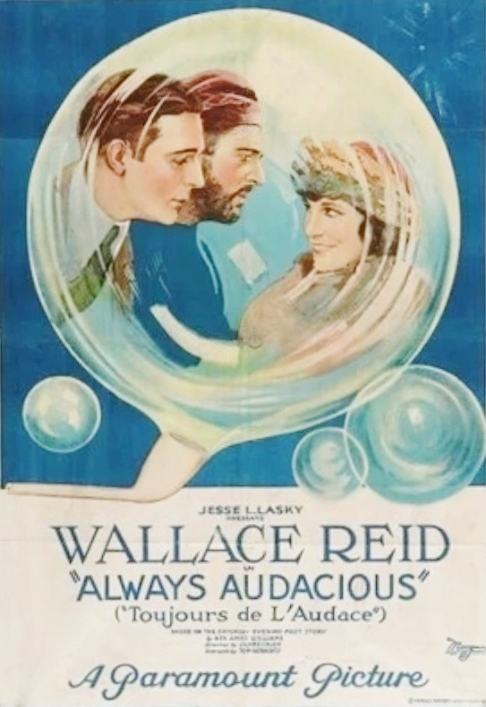
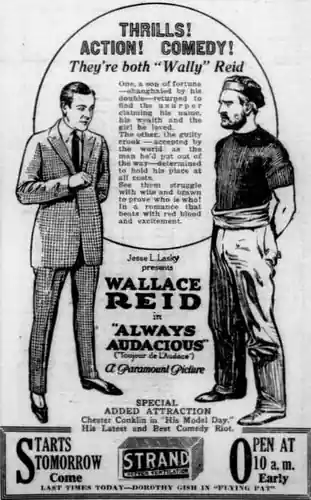
San Francisco, 1926. The city’s neon still flickers in embryonic promise, yet within the marble sarcophagus of the Danton Trust Company the lights burn perpetual. Enter Perry Danton—ivory-scarfed, pocket-square blooming like a narcotic orchid—whose only marketable skill is the inherited talent for converting oxygen into scandal. The will stipulates a single hoop: nine-to-five servitude under the family’s granite-browed counsel. Fail, and the fortune waterfalls into civic charities already fat on gilt guilt.
The film snaps its bait so casually you almost miss the hook. A misty evening, a misdelivered telegram, and Camilla—engagement solitaire glittering like a cold star—mistakes Slim Attucks for her wayward beau. Attucks, part-time dockside brawler and full-time opportunist, clocks the resemblance in the brass reflection of a tram bell; his pupils dilate with feral arithmetic. From that instant, the narrative is no longer about entitlement but about the fungibility of identity when money is the sole authenticator.
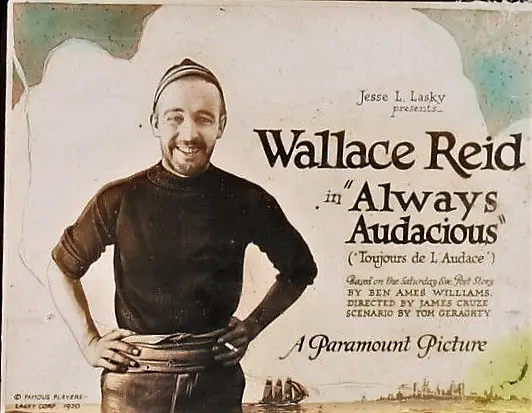
Director Wallace Reid—yes, the same matinee idol moonlighting behind the lens—treats the setup like a jeweler tightening a vice. No iris-outs, no melodramatic title cards dripping in curlicue font; instead, he favors razor-cold cross-cuts between the real Perry shackled in a tramp steamer’s hold and Attucks learning cursive forgery by gaslight. The montage is proto-Curtiz, a decade ahead of its pay grade.
The wardrobe department weaponizes linen. Perry’s wardrobe—white flannel, club collar, Oxford tie—broadcasts old money languor. Attucks dons the identical outfit yet somehow the jacket puckers; the knot lands a half-inch lower, revealing a tan line earned under a different sun. The disparity is whisper-level, but every frame murmurs class anxiety so acute it squeaks. Viewers attuned to The Tigress will recall how that film used sequins to semaphore predation; here, cotton does the dirty work.
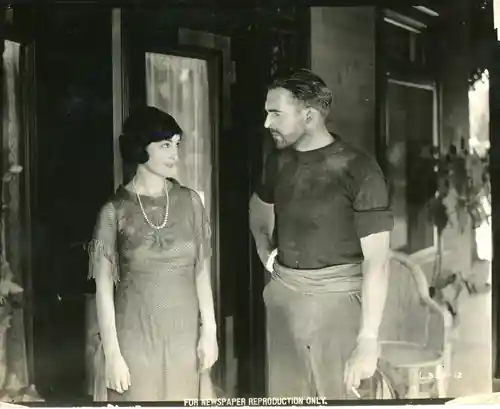
Identity theft, of course, predates Wi-Fi. What transfixes is the picture’s cynicism toward due process. When Perry escapes shipboard drudgery and strides back into the ballroom, every pillar of proof—signature, handshake, inside joke—rebukes him. The notary who once toasted his christening now swears by Attucks’ bona fides. It’s a bureaucratic funhouse, a preview of the post-truth century, and the film savors the irony like a bitter amaro.
Thomas J. Geraghty’s screenplay, adapted from a Saturday Evening Post serial by Ben Ames Williams, compresses twelve chapters into a breathless seventy-one minutes, yet still grants breathing room to supporting rogues. Fanny Midgley’s turn as the spinster cousin who keeps duplicate account books inside hatboxes deserves a standalone spinoff; she weaponizes lace hankies like calling cards for venality. Meanwhile, the family lawyer—J.M. Dumont in pince-nez perpetually fogged—delivers the film’s thesis in a throwaway line: “Truth is merely the version currently notarized.”
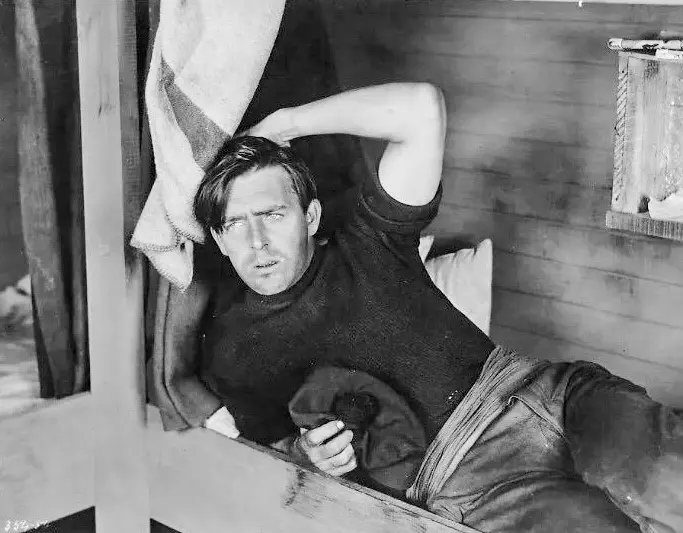
Wallace Reid’s performance as Perry is calibrated to neurotic perfection: a man whose entitlement has never before required evidence. Watch his pupils vibrate when the signature he’s been perfecting for twenty-six years is declared spurious; the moment is silent, yet the projector’s rattle feels like a scream. Opposite him, Guy Oliver’s Attucks swaggers with carnivorous geniality—think a young Basil Rathbone weaned on dockyard gin. The pair share only one split-screen shot, but the image lingers like an aftertaste of copper.
By the time Perry languishes in a barred vestibule, the evidence heap resembles a Jenga tower mortared with lies. Salvation trots in on four paws: the Dantons’ wire-haired terrier, Chaucer, who sniffs Attucks’ cuff and bares incisors in a silent snarl. The canine exposé, played for understated pathos rather than slapstick, instantly vaporizes every affidavit. It’s the film’s most radical gambit: in a universe where paper and people lie, scent memory alone holds fiduciary value.
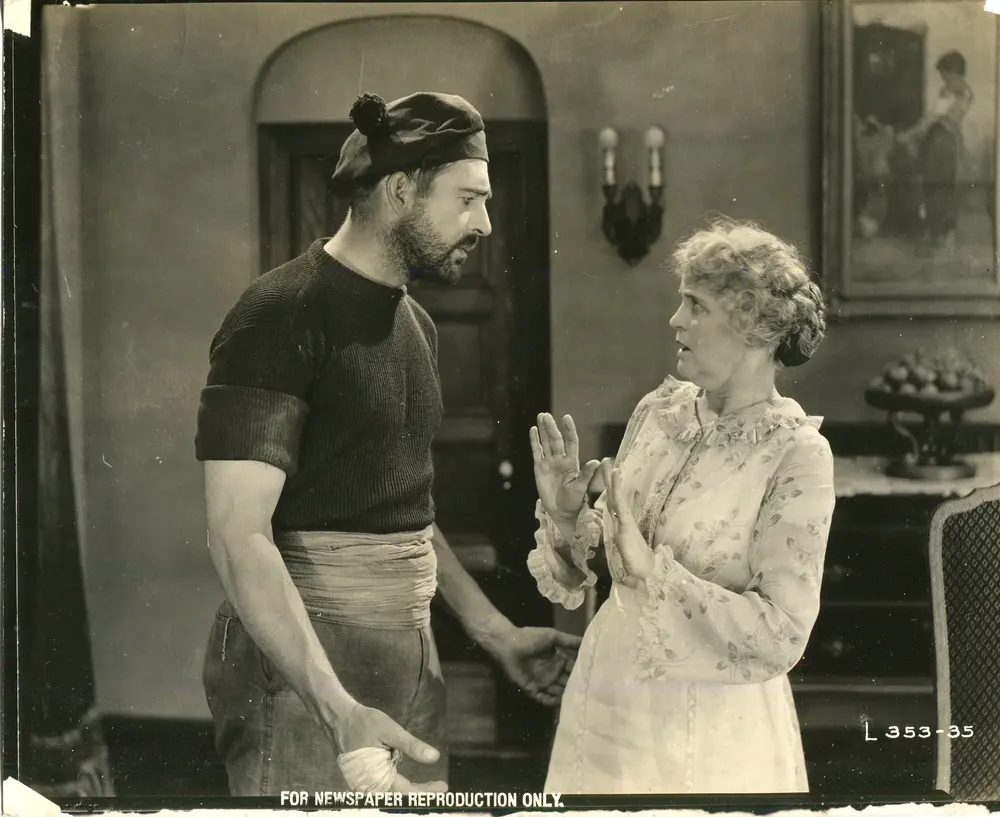
Camilla’s delayed confession—that she’s recognized the fraud for weeks—lands as both romantic test and moral indictment. “I had to know,” she tells Perry, eyes glittering like wet pavement, “whether you’d fight for your name or fold into your martini.” The line stings because we’ve watched Perry sip more gin than resistance. Only by surviving the crucible of annihilation does he inherit not just capital but narrative agency.
Cinematographer Charles E. Kaufman, fresh from Loaded Dice, shoots Nob Hill like a noir prelude: Venetian blinds slash mahogany corridors; streetlamps hemorrhage halos through fog. The tinting strategy—amber for interiors, aquamarine for exteriors—underscores the divide between gaslit civility and salt-air chaos. Restored prints reveal hand-painted gold leaf on the dog collar, a subliminal beacon guiding us toward the climax.
Compare this palette with With the Moonshine on the Wabash, where moonlit indigo evokes pastoral longing. Here, the aquamarine reads colder—Pacific depths rather than Midwestern twilight—mirroring Perry’s watery exile.
Margaret Loomis’ Camilla pivots from decorative fiancée to ethical fulcrum without surrendering agency. She engineers Perry’s final gambit, commandeering newsprint real estate and bankrolling the wire-tap that entraps Attucks. The film refuses the “damsel reveals truth” cliché; instead, Camilla withholds revelation until Perry earns legitimacy, flipping the Pygmalion script. In 1926, such narrative reticence feels quietly revolutionary.
Always Audacious arrived during that twilight when silents were gasping their last, yet the picture spurns sonic stunts. No orchestrated hula interludes, no synchronized screeches—just a metronomic intertitle rhythm that anticipates the procedural clip of The Maltese Falcon. Contemporary reviewers dismissed it as “programmer fluff.” History has corrected the slight; the movie now reads as a prescient meditation on brand, doubles, and the terror of being deleted from one’s own biography.
Does the film sag? Briefly. A midsection courtroom sequence relies on over-cranked exposition, and an extraneous subplot involving Carmen Phillips as a cigarette girl turned blackmailer could vanish without anatomical damage. Yet these are hairline fractures in an otherwise alabaster construct.
Always Audacious endures because it distrusts surfaces—photographic, sartorial, legal—long before Photoshop or deepfakes. It posits that identity is a consensus hallucination, upheld by ledgers, lapels, and love. And when the dog barks, the illusion shatters like crystal under a trolley wheel.
Seek it out: stream the 4K restoration on archival platforms, project it on a bedsheet in your backyard, let the nitrate ghosts argue with your Wi-Fi router. Whatever the venue, remember the Danton family motto—emblazoned on a stained-glass transom in the final shot—glowing ember-orange against the Pacific night: “Always Audacious.”
IMDb —
1925
Community
Log in to comment.