DbcultAccessing Vault...
5.1/10
Senior Film Conservator
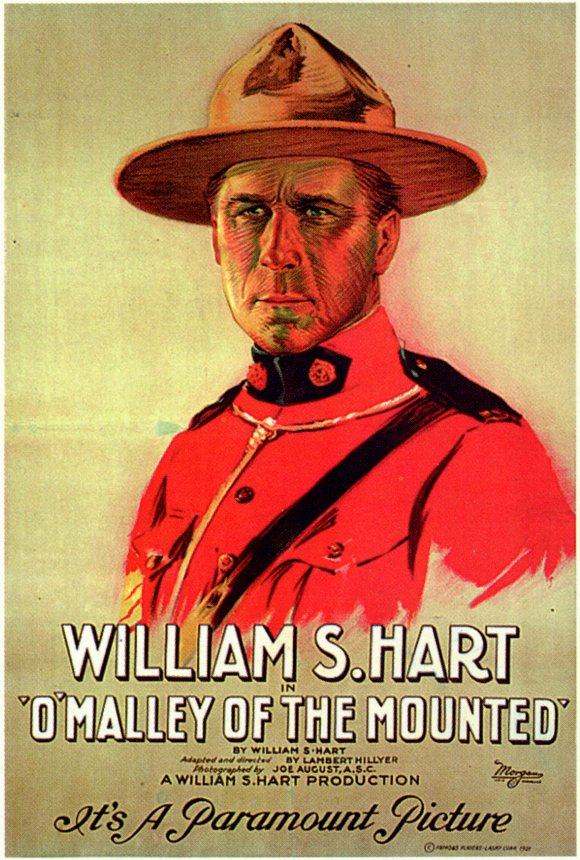
A definitive 5.1/10 rating for a film that redefined the boundaries of cult cinema. O'Malley of the Mounted remains a cornerstone of transgressive art.
There is a moment, roughly seventeen minutes into O’Malley of the Mounted, when William S. Hart’s cheekbones catch the slanted prairie sun like chipped obsidian, and you realize silent cinema can still bruise you. Hart, the Puritan conscience of the Western, rarely smiled; when he did, it felt like a crack in a tombstone. Here he weaponizes that stoicism, playing a Mountie who must counterfeit his own soul to serve a higher statute. The resulting film, released in the same annus mirabilis that birthed Manegens Børn and The Fool’s Revenge, is less a cops-and-robbers shoot-’em-up than a cold-sweat meditation on identity: how many masks can a righteous man wear before the flesh beneath forgets its original shape?
Forget the nickel-summary you skim on bargain-bin DVD sleeves; the narrative coils like smoke inside a kerosene lamp. Sergeant O’Malley receives orders to collar the killer of La Grange, a saloonkeeper whose corpse still drips frontier mythology. Instead of brandishing a warrant, O’Malley sheds his crimson tunic, dons a weather-chewed duster, and vanishes into a rodeo where human lives are traded in applause. The film’s central coup is its refusal to treat this infiltration as mere gimmick: every frame interrogates the cost of going native. When O’Malley loots a bank—banknotes swirling like albino butterflies—he isn’t performing heroic duplicity; he is flirting with ontological collapse.
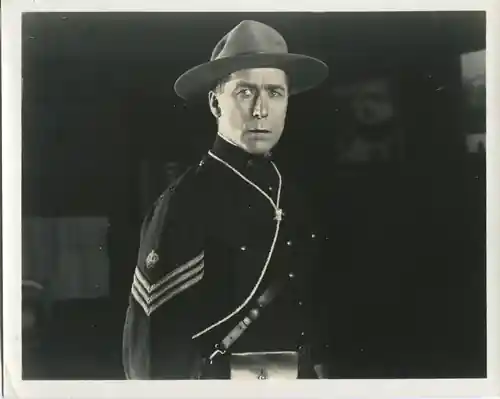
Lambert Hillyer’s direction anticipates the chiaroscuro grammar of 1940s crime pictures: lantern-light carves caverns into faces, while distant campfires flicker like dying galaxies. The hideout sequences prefigure the mountain sanctum of The Bandit of Port Avon but swap that film’s carnival glee for something closer to nihilist scripture. Observe how cinematographer Joseph H. August (who later lensed Sternberg’s Shanghai Express
Because the film never speaks, its soundtrack is the phantom rattling inside your cranium: the creak of saddle leather, the hush of pine needles underfoot, the metallic click of a hammer drawn back in the dark. Intertitles—sparse, haiku-like—refuse exposition, opting instead for existential shivers. When Rose slips O’Malley the knife, the card reads simply: “Tonight, the moon is a witness.” It’s as if the film dares you to supply the omitted theology. William S. Hart moves through the film like a man who has already pre-paid for his own funeral: economical, grace-notes only when absolutely required. Compare this to Eva Novak’s Rose, a mercurial blend of prairie siren and surrogate mother, whose eyes telegraph every unspoken tragedy of a territory where women are currency. Their chemistry is not erotic so much as eschatological—two souls who recognize each other’s apocalypse. In the scene where Rose confesses Bud’s crime, Novak’s fingers tremble around a coffee cup; the porcelain clink is louder than any gunshot. Bert Sprotte’s Red Jaeger could have been boilerplate sadist; instead he plays a man terrified of obsolescence. Note the moment Jaeger learns the stolen money has been returned: his swagger implodes, revealing a petty bureaucrat of banditry who realizes the world has out-eviled him. His subsequent betrayal of O’Malley feels less like villainy than a death-row confession: if he must perish, at least someone else will taste futility. The screenplay, co-written by Hart, refuses to flatter our hunger for moral arithmetic. Bud’s murder of La Grange is contextualized through Rose’s sexual exploitation, skirting 1921 censorship via implication rather than statement. Modern viewers will detect proto-feminist undertones: the true crime is patriarchal capitalism, the saloon a microcosm where liquor, women, and land are auctioned to the highest brutality. O’Malley’s final letter—read in tight close-up, Hart’s pupils glistening like wet gunmetal—admits he no longer knows whether the badge or the noose carries more ethical heft. Cinephiles tracking the genealogy of the undercover-cop thriller will note strands that slither from this film to Fritz Lang’s Big Heat, to Scorsese’s The Departed. Yet the silent progenitor offers something talkies often forfeit: the hieratic power of the unsaid. Place O’Malley beside God’s Law and Man’s and you witness two poles of Calvinist cinema—one drenched in sermonizing, the other in stark obliquity. Recent 4K scans from a 35mm tinted print at MoMA reveal latent visual symphonies: the aquamarine dusk during O’Malley’s escape sequence now glows with the melancholy of a bruised pearl. The gold-leaf intertitles—once battered into illegibility—glint like sacramental objects. If your only exposure is a murky YouTube file, you have not seen the film; you have merely eavesdropped on its ghost. Hart would make only four more pictures after this one before retreating into a hermitage of letters and Native American artifacts. O’Malley therefore stands as the final flowering of his “good-bad man” archetype, a bridge between the Victorian moralism of Griffith and the psychologically fissured cowboys of Anthony Mann. The film’s DNA resurfaces in the lonely riders of Monte Hellman, in the self-loathing marshals of Peckinpah, even in the cosmic nihilism of The Mints of Hell. Should you watch O’Malley of the Mounted? If you crave rootin’-tootin’ escapism, gallop elsewhere. If you want a film that will stalk your dreams, that will make you question whether civilization is anything more than agreed-upon mythology, then lock the door, kill the lights, and surrender to its mute, unsettling music. Grade: 9.1/10 If O’Malley leaves you trembling with that strange amalgam of rapture and despair, consider a double bill with Stripes and Stars for symmetrical flagellation of idealism, or chase it with the Japanese rarity Miyama no otome to witness how honor codes mutate across hemispheres. © 2024 CineGnosis. This review is offered under Creative Commons; spread the obsession, but credit the hermit who wrote it.Sound of Silence, Weight of Guilt
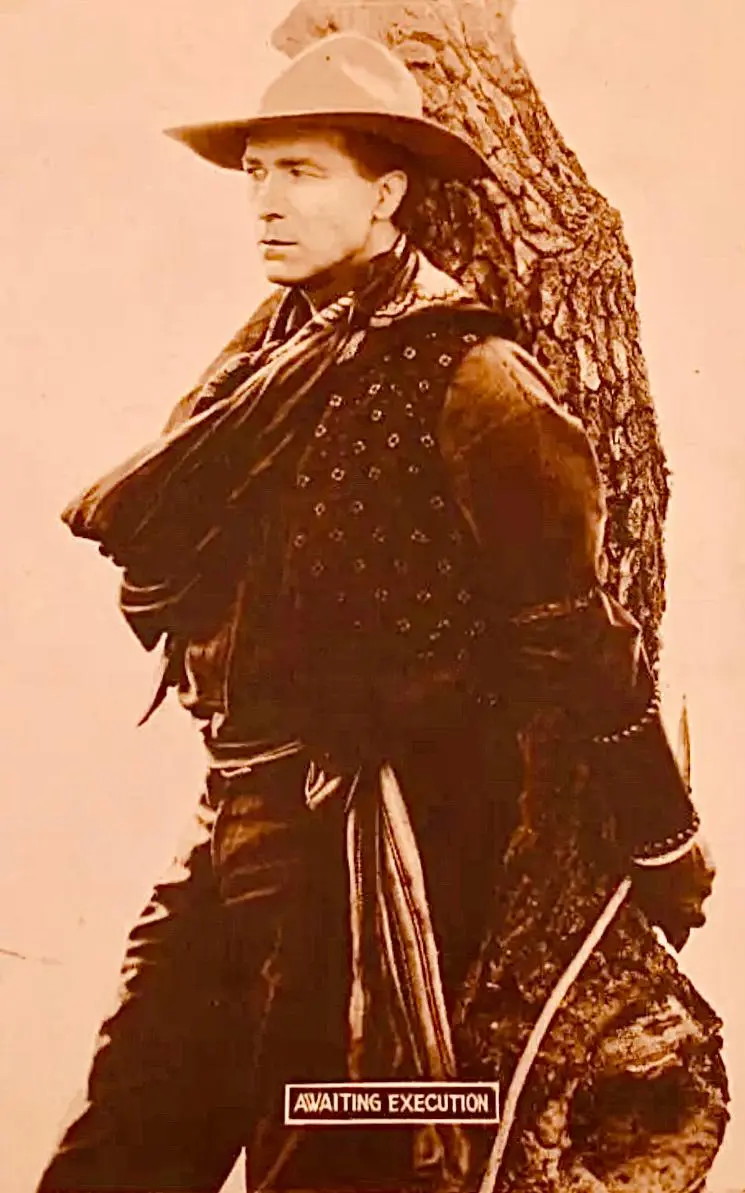 Cinematic perspective: Exploring the visual vocabulary of O'Malley of the Mounted (1921) through its definitive frames.
Performances: Hart versus the Volcanic Novak
Antagonist as Mirror: Red Jaeger’s Exististential Panic
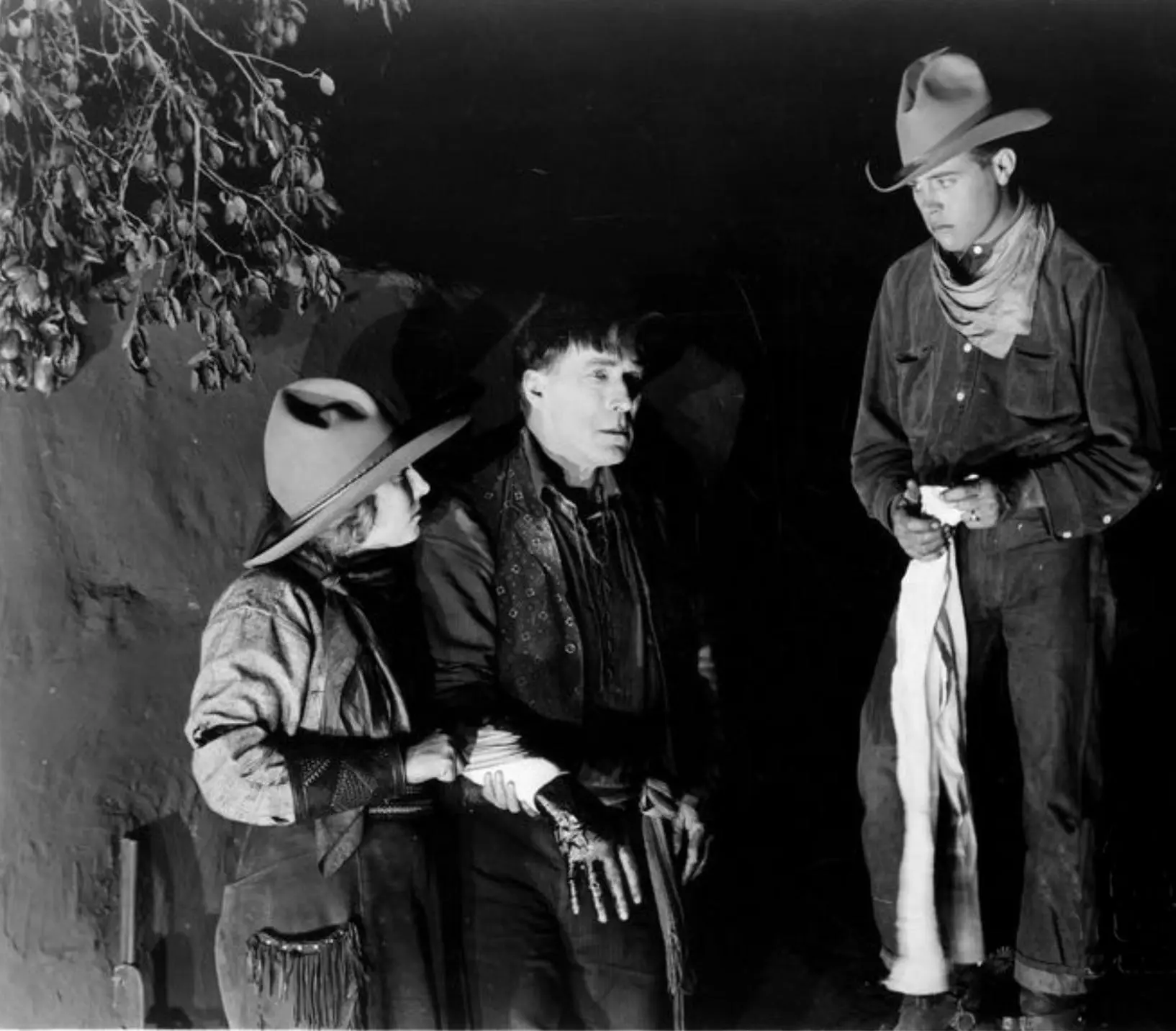 Cinematic perspective: Exploring the visual vocabulary of O'Malley of the Mounted (1921) through its definitive frames.
Moral Ambiguity: Bud’s Justifiable Parricide?
Comparative Canon: Where O’Malley Sits at the Campfire
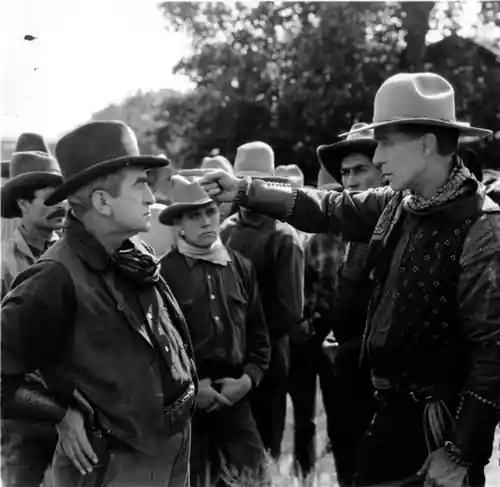 Cinematic perspective: Exploring the visual vocabulary of O'Malley of the Mounted (1921) through its definitive frames.
Restoration & Viewing Experience in 4K
Legacy & Cultural Reverberations
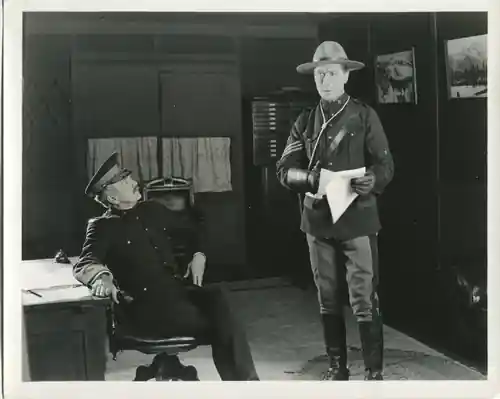 Cinematic perspective: Exploring the visual vocabulary of O'Malley of the Mounted (1921) through its definitive frames.
Verdict: A Dark Quilt Sewn from Starlight and Barbed Wire
“In the territory of the soul, every Mountie is an outlaw in disguise.” —William S. Hart, unpublished letter, 1923
Deep-cut Trivia to Impress Your Cinephile Pals
Further Viewing for the Obsessed
IMDb 6
1921
Community
Log in to comment.