DbcultAccessing Vault...
Cult Review
Senior Film Conservator
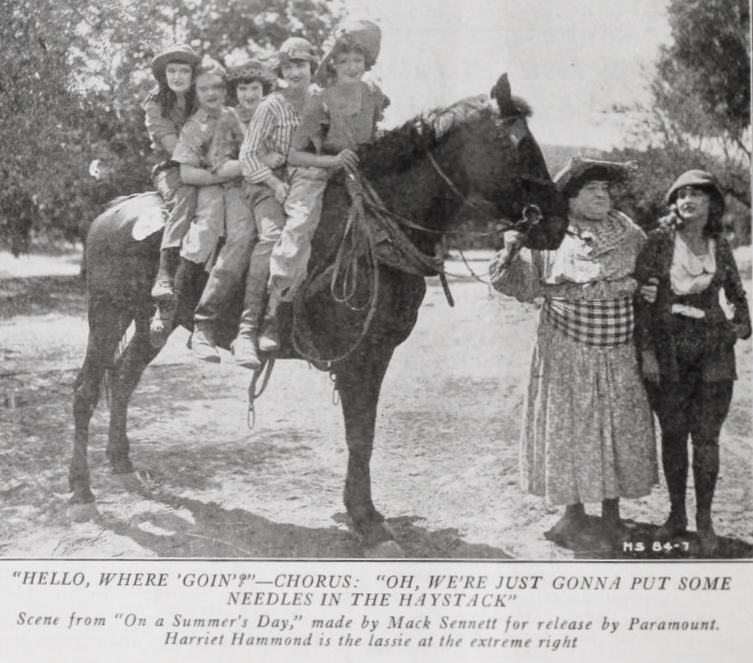
On a Summer Day is not merely a film—it is an experience suspended in amber, a relic of a time when cinema was poetry in motion. This 1928 silent film, though often overlooked in contemporary discourse, deserves a renaissance among cinephiles who crave depth without dialogue. Its narrative structure, a series of vignettes bound by the shared setting of a single summer afternoon, invites viewers to find meaning in the interstitial spaces. The film’s strength lies in its restraint, using visual storytelling to convey what words could never articulate.
The ensemble cast, a constellation of Hollywood’s lesser-known luminaries, delivers performances that are both intimate and grand. Tiny Ward anchors the film as the protagonist, her character a cipher for the universal yearning to belong. Her scenes with Marion Mack—a career-defining role for the latter—are charged with a quiet electricity. Mack’s character, a woman trapped in the shadow of societal expectations, is given dimensionality through subtle gestures: a tremble of the hand, the way her gaze lingers on a closed letter. The film’s most poignant moment occurs when Ward and Mack share a wordless exchange on a dock, their silhouettes framed against a setting sun. It is a scene that transcends the limitations of the silent format, speaking volumes through the language of the body.
While the film is ostensibly a drama, it is punctuated by moments of levity that prevent it from becoming oppressive. Phyllis Haver, as the bohemian artist, brings a vivacity that contrasts with the somber tones of the other characters. Her interactions with Kathryn McGuire—a rigid schoolteacher—create a delightful tension, their debates on conformity versus creativity echoing through the film’s thematic core. The inclusion of Pepper the Cat and Teddy the Dog is not mere whimsy; these animals serve as narrative foils, their antics highlighting the childlike wonder still present in the adult characters. When Teddy chases a butterfly, the scene becomes a metaphor for the fleeting nature of joy.
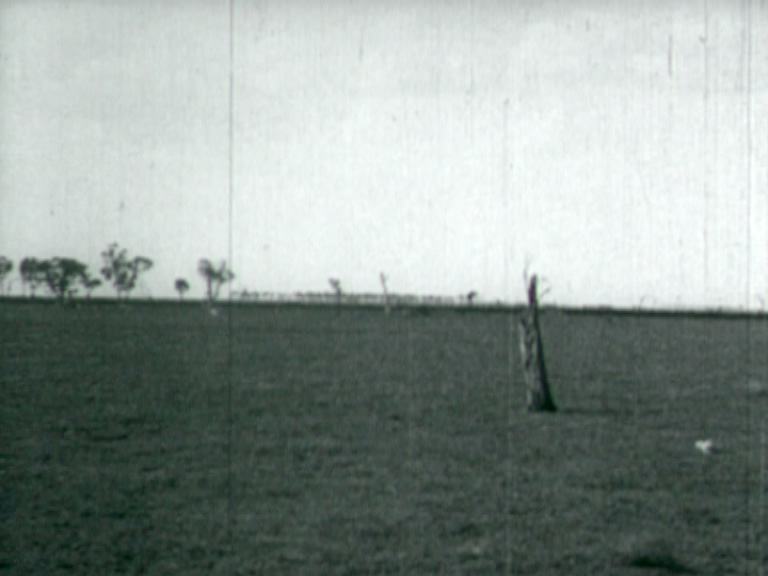
The cinematography, a masterclass in visual economy, uses light and shadow to great effect. A particular shot of Marie Prevost gazing at a flickering candle is haunting in its simplicity, the flame’s instability mirroring her character’s internal conflict. The film’s palette—golden hues of wheat fields, the deep blues of a storm cloud—creates a dreamlike atmosphere. There is a deliberate use of mirroring in set design, particularly in the character’s homes, which reflects their psychological states. One cannot help but recall Heidi in its use of natural landscapes as emotional backdrops, yet On a Summer Day surpasses it by integrating the environment into the narrative itself.
The film’s historical context is as compelling as its narrative. Produced during the waning days of silent cinema, it carries the weight of an industry in transition. The absence of synchronized sound is not a limitation but an artistic choice, allowing the audience to focus on the visual and emotional texture. The film’s score, though minimal, is judiciously used—swelling during moments of tension and fading into a gentle hum during quieter interludes. This restraint is a stark contrast to the later works of directors who would embrace the talkies, prioritizing dialogue over composition.
Comparisons to other films of the era are inevitable. Like The Honor System, On a Summer Day explores moral ambiguity, but it does so with a more introspective lens. The film’s treatment of women’s autonomy is particularly noteworthy, prefiguring themes found in later feminist cinema. Marion Mack’s character, for instance, is not a mere victim of circumstance but an active participant in her own narrative, a nuance that was rare in films of the time. The inclusion of Andy Clyde as a comedic relief character is a masterstroke; his scenes with Eddie Gribbon provide levity without undermining the film’s gravitas.

The film’s denouement is as enigmatic as it is satisfying. As the characters part ways, the camera lingers on a single dandelion drifting in the breeze—a visual metaphor for the impermanence of human connections. This ending, though open-ended, feels earned, a culmination of the film’s thematic preoccupations with transience. The final shot, a close-up of Gladys Whitfield’s watch as its hands continue to move, is a quiet reminder that time marches on, indifferent to our desires.
In an age of rapid technological advancements, On a Summer Day stands as a testament to the power of simplicity. It is a film that rewards patience, offering layers of meaning with each viewing. The interplay between Kalla Pasha and Jane Allen in a brief but memorable subplot about unrequited love is a masterclass in subtext, their unspoken emotions conveyed through glances and gestures. The film’s ability to balance multiple narratives without feeling fragmented is a testament to the director’s skill, a feat that modern ensemble films often struggle to achieve.
For those unfamiliar with the film, the cast’s chemistry is its most compelling asset. Marie Prevost and Mildred June share a scene in which they discuss their respective dreams, the conversation veering from optimism to resignation. This moment, though brief, encapsulates the film’s exploration of hope as both a lifeline and a burden. The use of close-ups during these dialogues allows the actors to convey complex emotions—longing, fear, resolve—with minimal physical movement, a technique that feels strikingly modern.
Technically, the film is a marvel. The editing, though unassuming, is precise, allowing the narrative to flow organically. A recurring motif of water—rivers, fountains, rain—serves as a narrative throughline, symbolizing both cleansing and stagnation. The set designs, particularly the interior of the schoolhouse and the cluttered artist’s studio, are rich with detail, each object a potential narrative device. The way light filters through lace curtains in Harriet Hammond’s home is a visual echo of her character’s repressed desires, a motif that will resonate with fans of And a Still Small Voice.
While the film is undeniably of its time, its themes are timeless. The tension between individuality and societal expectations, the search for meaning in fleeting moments, and the quiet heroism of ordinary lives—these are concerns that transcend decades. On a Summer Day is not a film that shouts its message; it whispers it, trusting the viewer to lean in. This subtlety is its greatest strength, inviting introspection without ever becoming didactic.
For modern audiences, the film is a reminder of what cinema can be when it is freed from the constraints of dialogue. The visual storytelling here is so rich that it invites analysis on par with literature. Each frame is a canvas, and the film as a whole is a gallery of human experience. The absence of sound is not a barrier but an invitation to listen with the eyes, to hear the unspoken.
In conclusion, On a Summer Day is a cinematic gem that rewards careful viewing. Its exploration of universal themes, coupled with its technical brilliance, makes it a film that demands to be revisited. For those who have seen Short and Snappy and long for something more introspective, this film is a revelation. It is a work that lingers in the mind long after the credits roll, its message as enduring as the summer it so vividly evokes.
IMDb —
1920
Community
Log in to comment.