DbcultAccessing Vault...
Cult Review
Senior Film Conservator
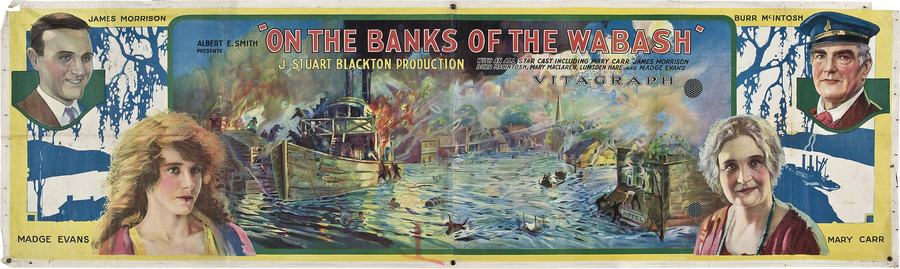
To understand the visceral impact of On the Banks of the Wabash, one must first acknowledge its genesis within the cultural zeitgeist of the early 1920s. Based on the evocative lyrics of Paul Dresser’s famed ballad, the film transcends mere adaptation, functioning instead as a visual tone poem that captures the agonizing transition from agrarian simplicity to the relentless gears of progress. The narrative doesn't merely tell a story; it pulsates with the anxieties of a generation caught between the security of the riverbank and the cold promise of the city. Unlike the more frantic pacing seen in Zudora, this film breathes with a deliberate, almost respiratory cadence, allowing the audience to inhabit the stasis of Lisbeth’s waiting and the frantic energy of David’s metropolitan dreams.
The direction by J. Stuart Blackton—a pioneer whose fingerprints are all over the evolution of silent cinema—demonstrates a sophisticated understanding of spatial storytelling. The river is not just a backdrop; it is a character, a source of life, and eventually, a harbinger of destruction. The cinematography captures the shimmering surface of the Wabash with a reverence that borders on the hallowed, setting the stage for the thematic conflict between the natural world and the artificial constructs of man’s ingenuity. This tension is far more nuanced than the straightforward morality plays often found in contemporary works like The Little School Ma'am.
The script, penned by the astute Elaine S. Carrington, offers a fascinating juxtaposition between David Hammond and the elder Bixler. David represents the prototypical American hero of the industrial age—the inventor. His journey to the city is a pilgrimage toward a new kind of god, one made of steel and patents. James Morrison portrays David with a flicker of restless ambition that borders on the narcissistic, making his eventual return to the riverbank feel less like a defeat and more like a necessary grounding. His character arc mirrors the maturation of a nation realizing that technological advancement is hollow without the moral anchor of community.
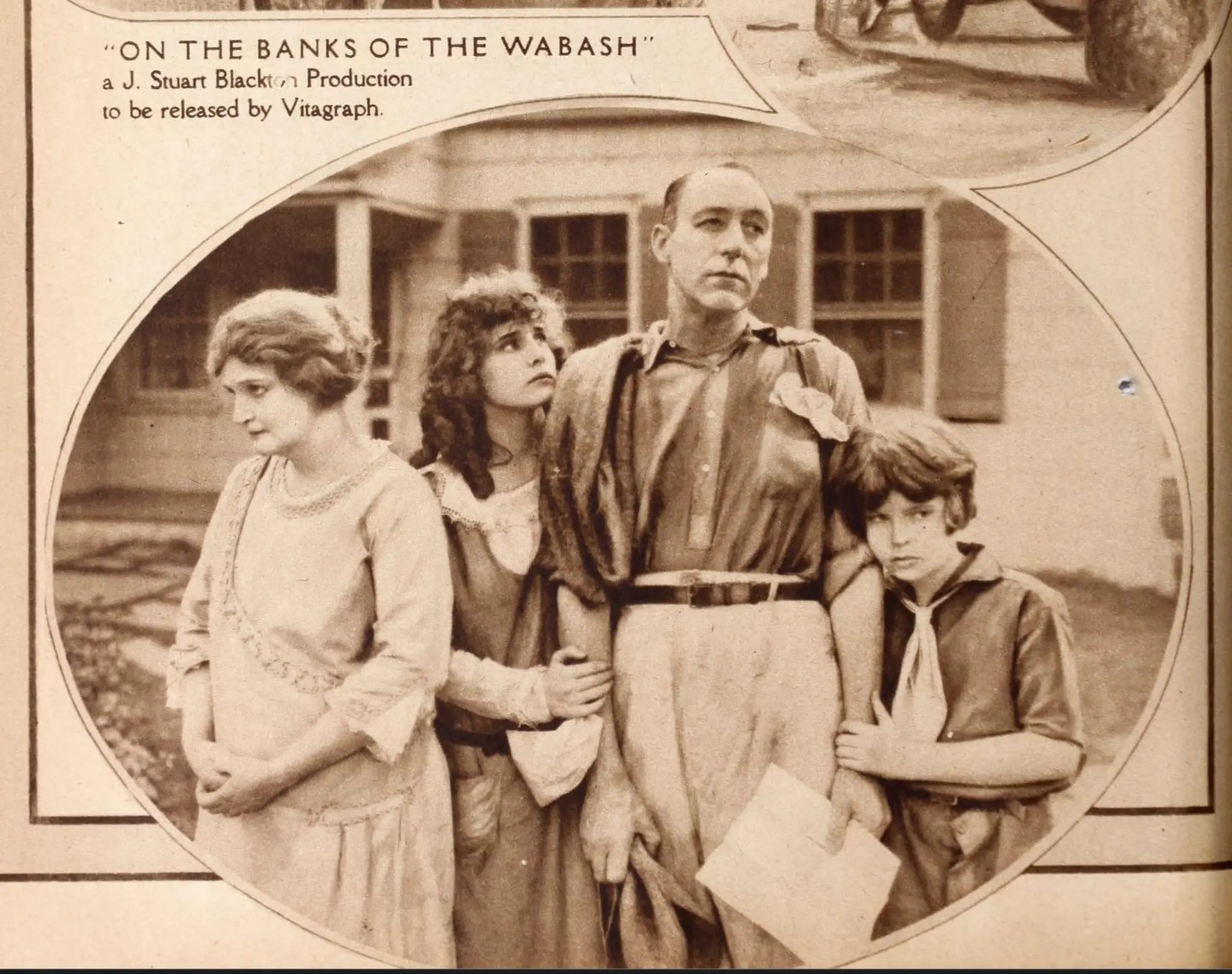
Conversely, Bixler, the failed artist, serves as the film’s tragic core. In many ways, his struggle is more relatable to the modern viewer than the hero’s journey. The depiction of his descent into suicidal ideation—driven by the crushing weight of artistic inadequacy—is handled with a surprising degree of psychological realism for a 1923 production. While The Woman Thou Gavest Me deals with societal pressures through a romantic lens, On the Banks of the Wabash examines the internal rot of perceived failure. Bixler’s disappearance creates a vacuum that allows the elder Hammond, played with gravitas by Burr McIntosh, to manifest as the ideal of patriarchal protection.
The third act of the film is a masterclass in silent era spectacle. The flooding of the river, followed by the terrifying irony of a fire amidst the deluge, provides a visceral climax that rivals the high-stakes tension of The Strike of the Rattler. The practical effects are staggering; the sheer volume of water and the choreographed chaos of the village’s evacuation demonstrate a technical prowess that remains impressive even in the age of digital artifice. It is here that Lisbeth, played with a luminous resilience by Mary MacLaren, transcends the role of the 'waiting sweetheart.'
Her rescue of David is not merely a plot point; it is a subversion of the damsel-in-distress trope. She navigates the treacherous waters with a physical and emotional strength that reframes the entire power dynamic of their relationship. The fire, reflecting off the rising floodwaters, creates a stygian landscape that feels almost apocalyptic. It is a baptism by both water and flame, purging the characters of their past transgressions. David’s invention, the very thing that drew him away, is rendered insignificant in the face of nature’s unbridled power, a theme also explored with varying degrees of intensity in Call from the Wild.
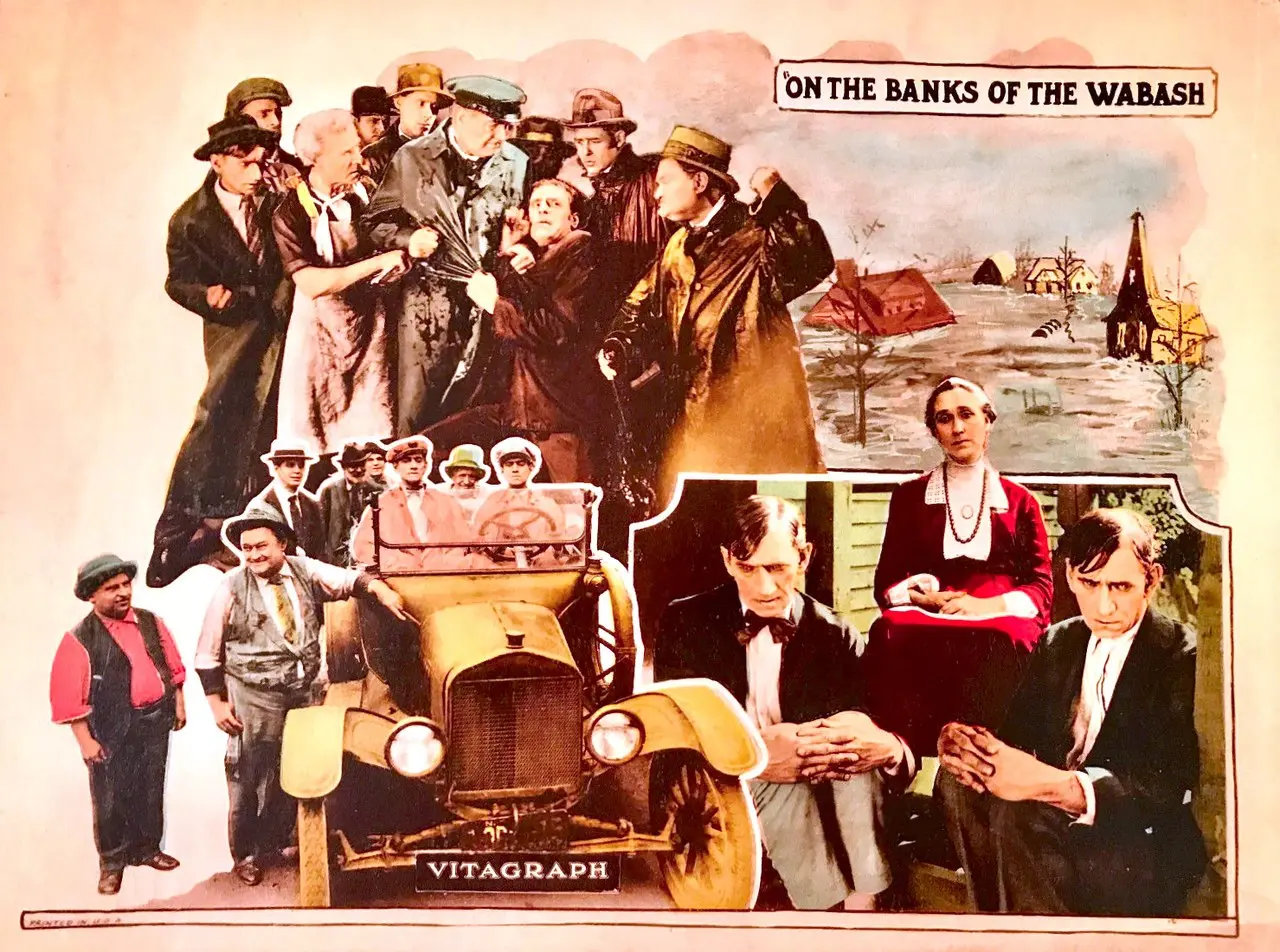
One cannot discuss this film without mentioning Mary Carr. As the matriarchal figure, she brings a depth of pathos that was her hallmark during this era. Her performance provides the emotional glue that holds the disparate plot threads together. While the younger cast members handle the physical demands of the flood, Carr manages the internal landscape of the family’s grief and hope. Her ability to convey complex maternal anxieties through subtle shifts in expression is a testament to the sophistication of silent acting, far removed from the exaggerated pantomime often parodied today. Her presence reminds us of the domestic stakes involved, grounding the spectacle in human cost.
The supporting cast, including Lumsden Hare and Madge Evans, contribute to a sense of a lived-in community. The village feels like a coherent entity rather than a collection of extras, which makes the threat of the flood feel personal. This ensemble strength is a sharp contrast to more individual-focused narratives like A Western Adventurer, where the community is often secondary to the protagonist’s exploits. In On the Banks of the Wabash, the collective survival is as important as the individual romance.
The resolution of the film, featuring the return of Bixler and the unification of the Hammond and Bixler families, might seem overly sentimental to a cynical modern eye. However, within the context of 1920s cinema, it represents a profound belief in the possibility of rebirth. Bixler’s return from the brink of suicide, his courage renewed by the crisis, offers a hopeful commentary on the human spirit’s capacity for recovery. It suggests that even the most broken among us can find a place in the sun—or in this case, on the banks of the river.
The film’s legacy lies in its balance. It manages to be a grand spectacle while maintaining a quiet, almost melancholic focus on the passage of time and the weight of tradition. It captures the essence of the American Midwest in a way that few films of the era managed, avoiding the caricatures found in Land o' Lizards. Instead, it offers a sincere, if dramatized, look at the values that defined a generation. The final shots, echoing the lyrics of the song, leave the audience with a sense of peace that is hard-won and deeply earned.
In the broader landscape of silent film, On the Banks of the Wabash stands as a significant achievement in blending popular culture—the song—with high-stakes cinematic drama. It bridges the gap between the theatrical traditions of the 19th century and the visual innovations of the 20th. For those interested in the evolution of the melodrama, it is an essential text, offering a rich tapestry of emotion, visual flair, and thematic depth that continues to resonate a century later. It is a reminder that while inventions may fail and rivers may rise, the bonds of family and the pull of the home remain the most enduring forces in the human narrative.
IMDb 6.7
1918
Community
Log in to comment.