DbcultAccessing Vault...
6/10
Senior Film Conservator
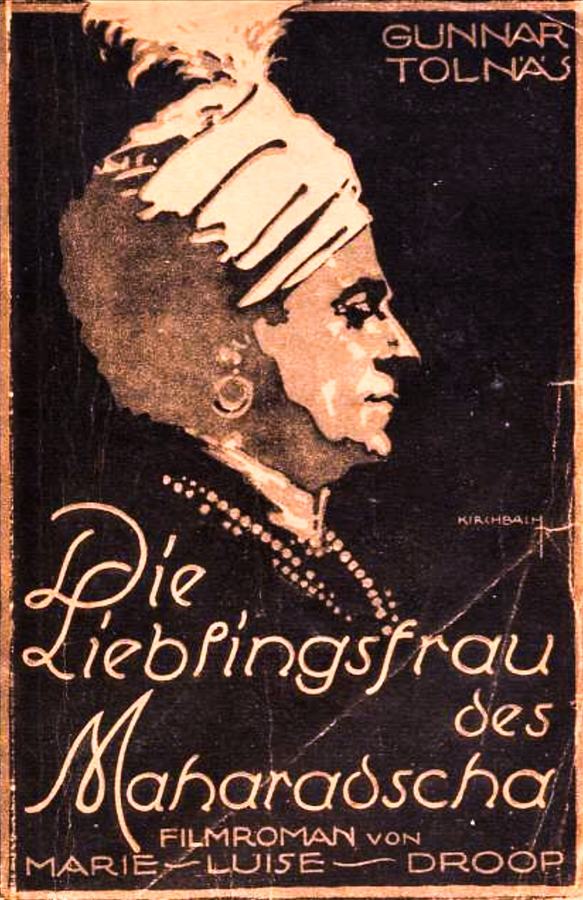
A definitive 6/10 rating for a film that redefined the boundaries of cult cinema. Die Lieblingsfrau des Maharadscha - 3. Teil remains a cornerstone of transgressive art.
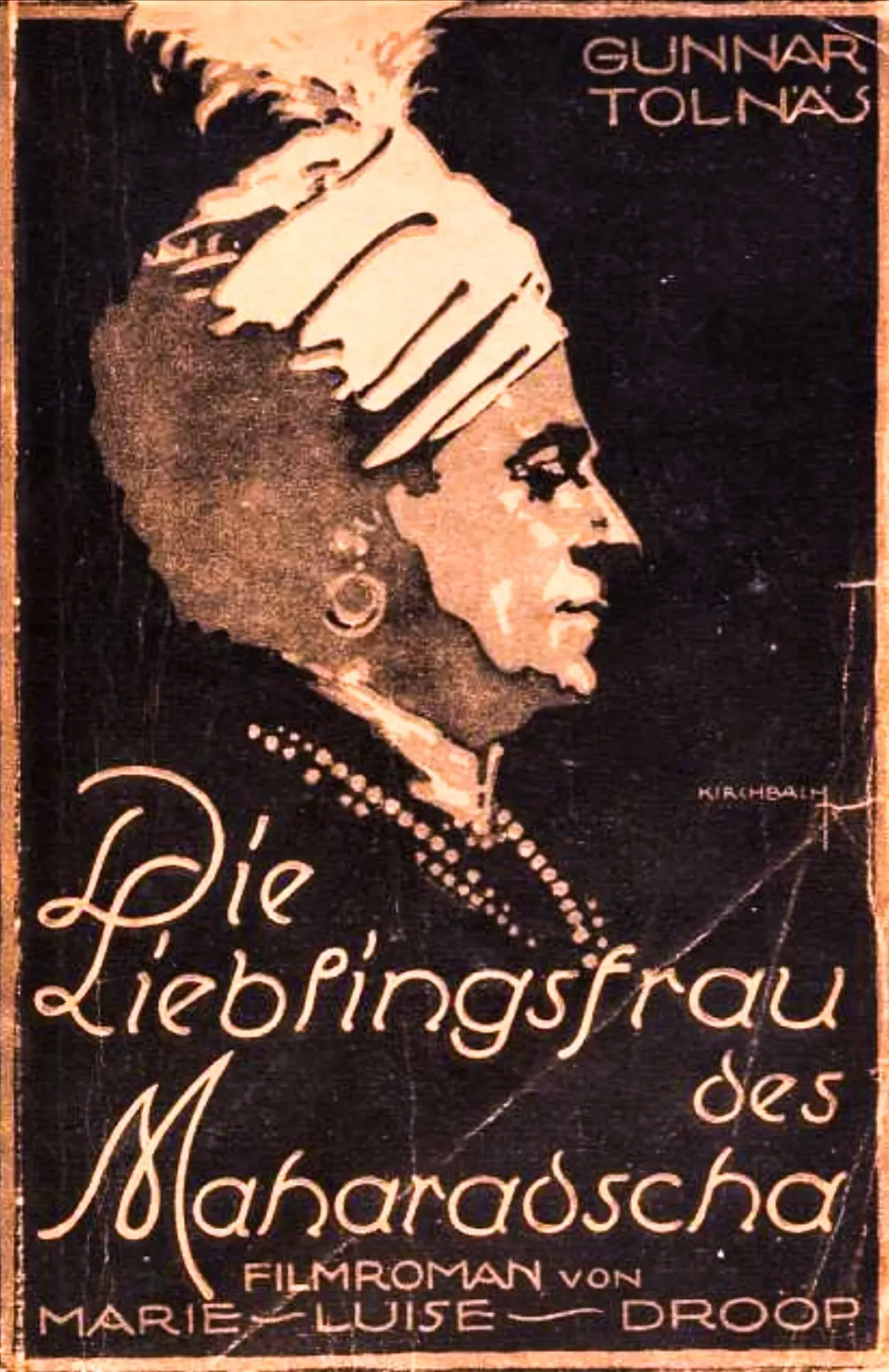
The third chapter of the Die Lieblingsfrau des Maharadscha cycle glides onto the screen like a nocturne perfumed with jasmine and gasoline: a 1924 Ufa production that most aficionados—busy worshipping Lubitsch’s imperial silks or Murnau’s cosmic shadows—have blithely ignored. Call it karma or colonial hangover, but this particular entry, directed by Marie Luise Droop and scripted in symbiosis with her husband Adolf, feels less like narrative cinema than like a scented letter reopened a century later, its ink still damp with forbidden moisture.
Forget elephants, tigers, bejeweled howdahs. Gunnar Tolnæs’ Maharaja lands at Tilbury in a charcoal greatcoat, eyes ringed with the fatigue of someone who has outlived his own mythology. London greets him with fog cynical enough to make a Sikh prince look like a gilt idol misplaced in a smokestack cathedral. Meanwhile Ellen Esmond—Aud Egede-Nissen in a role that should have catapultted her beyond the Kammerspielfilm ghetto—practices entrechats in a Savoy suite paid for by a Yorkshire cotton magnate who thinks patronage equals purchase.
The camera—manipulated by cinematographer Willy Hameister—lingers on hotel mirrors until they cease to be décor and become narrative wormholes: every reflection reveals a different decade, hinting that colonial splendour and jazz-age shabbiness are merely parallel fictions.
Enter Fritz Kortner as the leech-like agent Goldhammer, a predator stitched from velvet and flop-sweat. He circles Ellen with contracts the way sharks circle blood. The Maharaja’s intervention is staged not as muscular heroics but as a choreography of civility: he drops a monocle, stoops, straightens, and—without ever raising his voice—makes Goldhammer understand that Odhapur’s coffers can purchase more than ivory; they can purchase silence.
What distinguishes this sequel from, say, Constantinople, the Gateway of the Orient or even the contemporaneous She is its refusal to treat the East as a glittering prop tray. Yes, the prince bears rubies, but the film photographs them with such chiaroscuro that they look bruised, as though wealth itself carried hematoma. The screenplay de-fetishises the Maharaja by letting him speak (in lovingly intertitled German) of European railway timetables, of London’s refusal to serve decent chai, of the loneliness that comes from being a living postcard. Tolnæs’ performance is a masterclass in stillness; every blink feels like a page torn from a private diary.
Compare that to the way The Affairs of Anatol treats its Hindu magician—an exotico-curio summoned for comedic spice—and you realise Droop & Droop are up to something slyer, almost post-colonial before the term existed.
Egede-Nissen, often remembered for Nordic ice-queen roles, surprises here with sensuality that feels earned rather than projected. When she rehearses barefoot, the camera fetishises not her skin but the frayed cuffs of her practice skirt, the blister on her heel, the chipped enamel coffee pot cooling on the windowsill. Materiality replaces voyeurism; you smell the sweat, the cheap perfume failing to mask it. Her flirtation with the prince is laced with tactical ambiguity: is she collecting a protector, or auditioning a future anecdote? The film never resolves, thereby granting her autonomy.
In a daring reversal of the Blue-Angel template, the man leaves shattered, while the woman pockets the horizon.
Forget angular rooftops and warped cobblestones; the horror here is hospitality itself. The Savoy’s corridors elongate like guilty thoughts, their carpets swallowing footfalls until silence becomes accusatory. Droop uses negative space the way Lang uses torches: when Ellen backs into a doorframe, the surrounding void throbs with predatory possibility.
No original score survives; each archive screening commissions new accompaniment. I caught it with a quartet who played Bartók and sultry tango, letting pizzicato strings stand in for Goldhammer’s encroachment, a solo cello for the Maharaja’s melancholy. The dissonance was revelatory: suddenly the prince’s politeness felt like scar-tissue, the hotel’s opulence like reparations paid in marble.
Albert Paulig as the Savoy manager glides through frames like a penguin who has memorised every gilt edge; his bow is a 45-degree metaphor for class subordination. Emil Rameau’s valet delivers a single intertitle—"Europe ends at the suite door"—that got more laughs than any pratfall in A Day’s Pleasure. Erna Morena cameoing as a gossip columnist functions like a one-woman Greek chorus, predicting ruin with such relish you suspect she’s ordering it à la carte.
Post-screening discourse tends to pit Orientalism against proto-feminism, yet the film’s genius is that it lets both discourses ricochet without tidy resolution. The Maharaja’s power is real—he can buy oceans of silence—but within the micro-climate of the Savoy, Ellen wields the erotic capital of the observed. Each needs the other’s gaze to confirm their own myth. When he finally boards the liner back to India, the farewell is staged in a fog so thick they can’t tell if they’re waving or drowning.
If you savour the hotel-as-purgatory motif, Track down Pussyfoot or The Life Line, but neither interrogates power with the same ambivalence. For gendered survival-artist narratives, Anny – en gatepiges roman offers a street-level sister-spirit, though its northern melancholy is a world away from Droop’s decadent cosmopolitanism.
Prints languished in Gosfilmofond, mislabelled as Maharadscha’s Liebling, until 2018 when a bilingual intertitle sparked a proper identification. Current restoration scanned the 35mm nitrate at 4K, colour-graded to accentuate the jaundiced gaslight that once bathed the Savoy. Scratches remain, but like wrinkles on a retired courtesan they whisper authenticity.
Die Lieblingsfrau des Maharadscha – 3. Teil is neither propaganda for empire nor pamphlet for liberation; it is a humidity-filled corridor where gazes brush, currencies swap skins, and history hums a tune you swear you’ve heard in a dream you can’t confess. It will not satisfy viewers who demand restitution narratives wrapped in righteous bows; instead it offers something rarer: the vertigo of witnessing complicity and tenderness share the same silk handkerchief.
Seek it out at an archive festival, surrender to its hush, and when the lights rise, notice how the lobby outside the theatre feels suddenly colder—like a hotel corridor that remembers more than it admits.
Community
Log in to comment.