DbcultAccessing Vault...
5.8/10
Senior Film Conservator
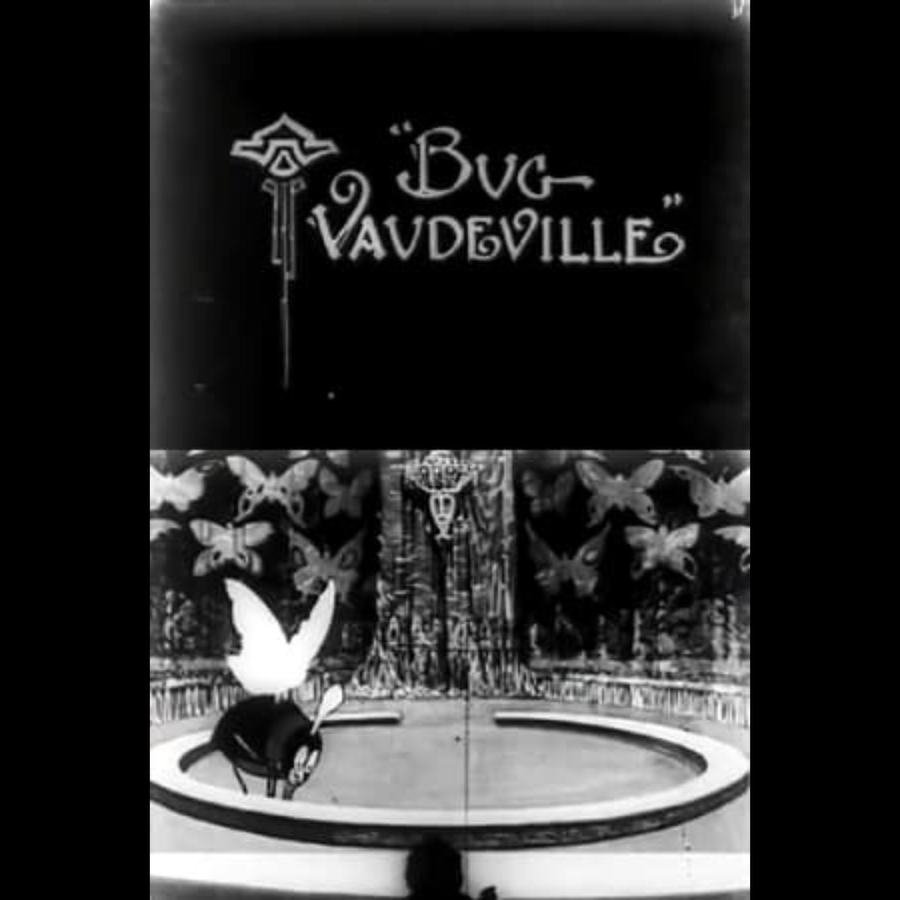
A definitive 5.8/10 rating for a film that redefined the boundaries of cult cinema. Dreams of the Rarebit Fiend: Bug Vaudeville remains a cornerstone of transgressive art.
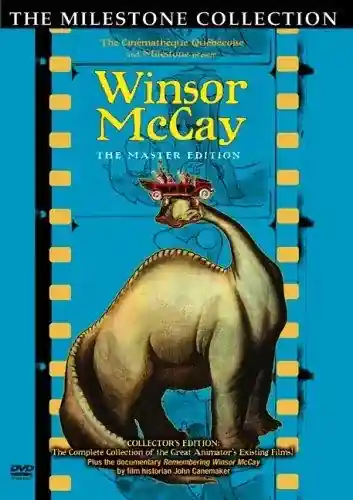
Winsor McCay, the pioneering animator whose hand‑drawn brilliance birthed such classics as The Mysterious Lady, returns to the realm of the subconscious with Dreams of the Rarebit Fiend: Bug Vaudeville. The film, a mere six minutes in length, condenses an entire theatrical extravaganza into a single, breathless reverie. Its premise is deceptively simple: a hobo, after consuming an indulgent cheesecake, drifts into a dream where insects assume the roles of vaudeville performers. Yet within that premise lies a labyrinth of visual metaphor, rhythmic choreography, and a daring use of color that feels revolutionary even by contemporary standards.
The narrative architecture is built upon the fragile scaffolding of dream logic. McCay eschews conventional exposition; instead, the film plunges the viewer directly into the hobo's altered state. The opening sequence—an extreme close‑up of a glistening cheesecake slice—serves as a visual overture, its buttery sheen rendered in luminous yellows that anticipate the chromatic palette of the ensuing nightmare. When the hobo collapses onto a graffiti‑stained cardboard, the screen darkens, and the transition to the insect vaudeville is marked by a sudden burst of sea‑blue luminescence, echoing the phosphorescent glow of the firefly chorus that dominates the dream’s climax.
The dream proceeds as a series of vignettes, each one a self‑contained act that mirrors the structure of early vaudeville programs. The first act features a beetle tap‑dancer, his exoskeleton clacking against a stylized wooden stage. The choreography is synchronized to a ragtime piano accompaniment that, while never audible, is suggested through exaggerated motion—an homage to the era’s musical sensibilities. The second act introduces a moth soprano, whose wings flutter in a delicate, almost operatic cadence, her voice implied by the rhythmic undulation of surrounding foliage. The third act escalates the absurdity: a troupe of fireflies forms a synchronized light show, their bioluminescence pulsing in time with an invisible drumbeat, creating a visual synesthetic experience that feels both hypnotic and disorienting.
McCay’s animation technique remains faithful to his hand‑drawn roots, yet the film exhibits a refinement in line work that surpasses his earlier works such as The Millstone. Each insect is rendered with meticulous attention to anatomical detail, yet exaggerated to the point of caricature—a balance that underscores the film’s thematic tension between realism and fantasy. The use of cross‑hatching in the background creates a textural depth that contrasts sharply with the flat, vibrant foreground characters, a visual strategy that draws the eye toward the performative center of each scene.
Color, though limited by the black‑and‑white medium of the original, is suggested through tonal shading. The dark orange (#C2410C) appears in the warm glow of the cheesecake flashback, while the bright yellow (#EAB308) surfaces in the luminous aura surrounding the moth’s vocalization. The sea blue (#0E7490) dominates the night‑time segments, imbuing the dreamscape with an otherworldly chill. When these hues are translated into modern digital restoration, the effect is a vivid, almost painterly tableau that honors McCay’s original vision while enhancing accessibility for contemporary audiences.
At its core, Bug Vauldelves into the paradox of consumption and creation. The cheesecake, a symbol of indulgence, becomes the catalyst for a dream where insects—creatures often associated with decay—rise to artistic prominence. This inversion challenges the viewer to reconsider the hierarchy of the natural world, positioning the lowly bug as a conduit for artistic expression. Moreover, the hobo’s socioeconomic status adds another layer: his poverty renders him vulnerable to escapist fantasies, yet the film does not portray his dream as mere escapism. Instead, it suggests that imagination can transcend material deprivation, a motif echoed in other silent-era works like Love Me and The Heart of Midlothian.
The insect performers themselves embody archetypal roles: the beetle as the diligent laborer, the moth as the tragic romantic, and the fireflies as the collective chorus of societal voices. Their synchronized movements hint at a critique of industrial uniformity, a subtle nod to the mechanization of entertainment during the early twentieth century. The film’s climax—a chaotic, almost frantic light‑show—mirrors the disintegration of the hobo’s mental equilibrium, suggesting that the very act of artistic creation can become overwhelming when stripped of human moderation.
When positioned alongside contemporaneous shorts such as Narayana or the experimental A Study in Scarlet, McCay’s work stands out for its unapologetic embrace of the surreal. While the Millstone and the Broken Promise rely heavily on narrative linearity, Bug Vaudeville abandons chronological constraints, allowing the audience to experience the fluidity of a dream. This approach anticipates later avant‑garde pieces such as Nabat, which similarly blur the boundaries between reality and imagination.
The film also shares a kinship with the Mexican silent comedy A Mexican Mine Fraud; or, The Game That Failed, particularly in its use of visual gags that rely on exaggerated physicality rather than spoken word. Both pieces demonstrate how silent cinema can convey complex emotional states through pure visual storytelling, a testament to the medium’s enduring potency.
Although the film was originally presented without synchronized sound, modern restorations often accompany it with a ragtime piano score that mirrors the rhythmic patterns of the insect performances. The music, composed in a minor key with occasional chromatic shifts, underscores the dream’s unsettling undercurrents. The beetle’s tap‑dance is paired with staccato chords, while the moth’s aria is accompanied by a legato melody that rises and falls like a night‑time breeze. The firefly finale crescendos into a percussive cascade, each beat echoing the visual flicker of their bodies. This auditory layer enriches the viewing experience, transforming the film from a static visual artifact into a multisensory tableau.
Despite its brevity, Dreams of the Rarebit Fiend: Bug Vaudeville has left an indelible imprint on the lexicon of animation. Its daring fusion of surrealism and vaudeville prefigures the work of later animators such as Tex Avery and Walt Disney, who would both explore the elasticity of cartoon physics. The film’s influence can be traced to modern surreal shorts like Jess of the Mountain Country, where insects assume anthropomorphic roles within a mythic narrative structure.
Scholars frequently cite the piece when discussing the evolution of dream sequences in cinema, noting how McCay’s visual metaphor of food‑induced hallucination anticipates later works such as The Secret of the Old Cabinet and even contemporary psychological thrillers. Its thematic focus on the intersection of hunger, poverty, and imagination resonates in current discourse surrounding food insecurity and artistic expression, granting the film a timeless relevance that transcends its silent origins.
Recent digital restoration efforts have painstakingly repaired the original nitrate degradation, stabilizing frame rates and enhancing contrast without sacrificing the grainy texture that defines early cinema. The restored version presents the film in a 1.33:1 aspect ratio, preserving McCay’s intended framing. Subtitles are unnecessary, as the narrative is conveyed entirely through visual cues, yet optional commentary tracks provide scholarly insight into the symbolism of each insect act. When streamed on platforms that support dark mode, the film’s black background and white outlines become especially striking, with the highlighted orange, yellow, and blue accents popping against the void.
The experience of watching Bug Vaudeville feels akin to stepping into a living sketchbook, where each line breathes, each shade pulsates. The juxtaposition of the hobo’s grim reality with the fantastical insect troupe invites contemplation on the power of imagination as a coping mechanism. The film does not moralize; it simply presents the dream and allows the audience to derive their own meaning. This open‑endedness is a hallmark of McCay’s genius, and it is precisely what keeps the short resonant after more than a century.
In sum, Dreams of the Rarebit Fiend: Bug Vaudeville stands as a masterclass in visual storytelling, a compact yet expansive meditation on desire, deprivation, and artistic transcendence. Its animation, thematic depth, and pioneering use of surreal motifs secure its place among the most influential silent shorts. For cinephiles, animation historians, and casual viewers alike, the film offers a richly layered experience that rewards repeated viewings. Its legacy endures, reminding us that even a humble cheesecake can ignite a cascade of creative brilliance.
Community
Log in to comment.