DbcultAccessing Vault...
Cult Review
Senior Film Conservator
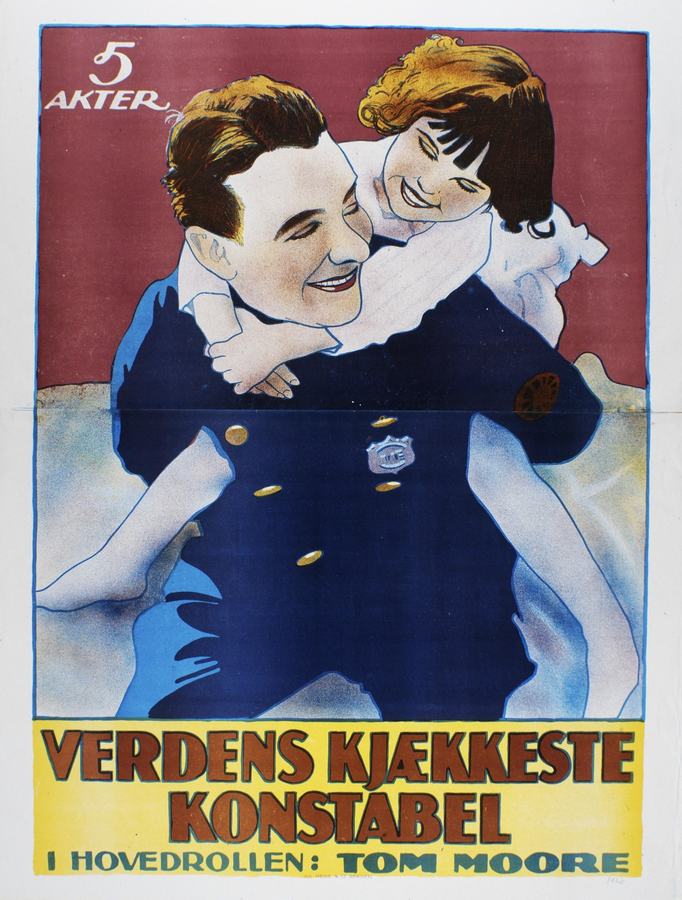
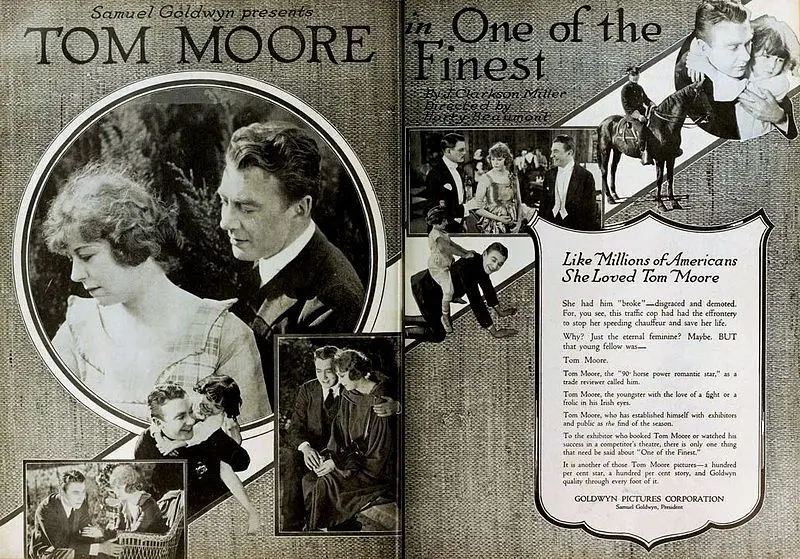
Stepping back into the cinematic tapestry of the early 20th century, we encounter 'One of the Finest', a silent film that, despite its age, still pulsates with a vibrant energy, offering a potent cocktail of romance, social commentary, and thrilling police action. This isn't just a quaint relic; it's a meticulously crafted narrative, penned by J. Clarkson Miller, that delves into universal themes of aspiration, integrity, and the audacious pursuit of love across daunting societal divides. It's a testament to the power of visual storytelling, where every gesture, every intertitle, and every flicker of expression on an actor's face carried the weight of a thousand words, drawing audiences into a world both familiar and fantastically dramatic.
At the heart of this compelling drama lies the earnest figure of a police patrolman, portrayed with an endearing blend of grit and guile by Eddie Sturgis. His character is not merely a uniform; he embodies the everyman's striving spirit, a man whose daily beat involves safeguarding the very society that often limits his personal ambitions. His gaze, however, extends beyond the grime of the city streets to a world of opulence, specifically towards the daughter of a formidable millionaire. This isn't a mere infatuation; it's a profound yearning for connection, a belief that love can transcend the rigid class structures of the era. The film deftly establishes this social chasm, making the patrolman's desire not just romantic, but revolutionary in its quiet defiance of convention. His journey becomes a proxy for countless silent dreams, resonating with anyone who has ever dared to reach for something seemingly beyond their grasp.
The object of our hero's affection, the millionaire's daughter, is brought to life with captivating grace by Mary Warren. Her portrayal avoids the typical damsel-in-distress trope, instead imbuing the character with an intrinsic depth that suggests more than just a privileged existence. She is a woman potentially stifled by her gilded cage, perhaps yearning for authenticity beyond the superficial glitter of her social circle. The film subtly hints at her recognition of the patrolman's genuine character, seeing past his humble uniform to the inherent goodness and strength that defines him. Their burgeoning connection, often conveyed through stolen glances and subtle gestures, becomes the film's emotional bedrock, a delicate plant striving to bloom amidst the concrete jungle of societal expectation. It's a romance that feels earned, built on mutual respect rather than mere convenience or fleeting attraction, a stark contrast to some more melodramatic silent romances.
But love, even in the silent era, rarely runs smoothly. The patrolman's path to matrimonial bliss is not merely obstructed by class disparity; it is actively imperiled by the malevolent presence of two villainous characters, masterfully embodied by Frederick Vroom and Hallam Cooley. These aren't just one-dimensional antagonists; their nefarious schemes, while initially shrouded in mystery, gradually unravel to reveal a sinister plot that directly threatens the safety and happiness of the millionaire's daughter, and by extension, our hero's dreams. Vroom, often typecast in roles requiring an air of sophisticated menace, and Cooley, known for his ability to convey smarmy duplicity, collaborate to create a formidable, palpable threat. Their presence elevates the narrative from a simple romantic drama to a thrilling police procedural, forcing the patrolman to prove his worth not just as a suitor, but as a protector and an agent of justice. The stakes are dramatically raised, transforming the personal into the public, the romantic into the heroic.
The film excels in building suspense, meticulously weaving together the threads of romance and criminal intrigue. The "enormous odds" mentioned in the plot summary manifest as a series of escalating challenges that test the patrolman's resolve, his cunning, and his physical courage. From daring chases through dimly lit cityscapes to tense confrontations in opulent drawing rooms, the narrative consistently keeps the audience on the edge of their seats. The apprehension of the two villainous characters becomes more than just a duty; it's a personal crusade, a necessary step to clear the path for his future with the woman he loves. This intertwining of personal and professional stakes gives the film a rich, layered quality, making the patrolman's triumphs feel genuinely earned. The narrative structure, while adhering to silent film conventions, demonstrates a sophisticated understanding of pacing and dramatic tension, culminating in a series of climactic sequences that are both visually dynamic and emotionally resonant. One might even draw parallels to the intricate plotting seen in films like Doctor Nicholson and the Blue Diamond, where the hero's personal journey is inextricably tied to unraveling a complex criminal enterprise.
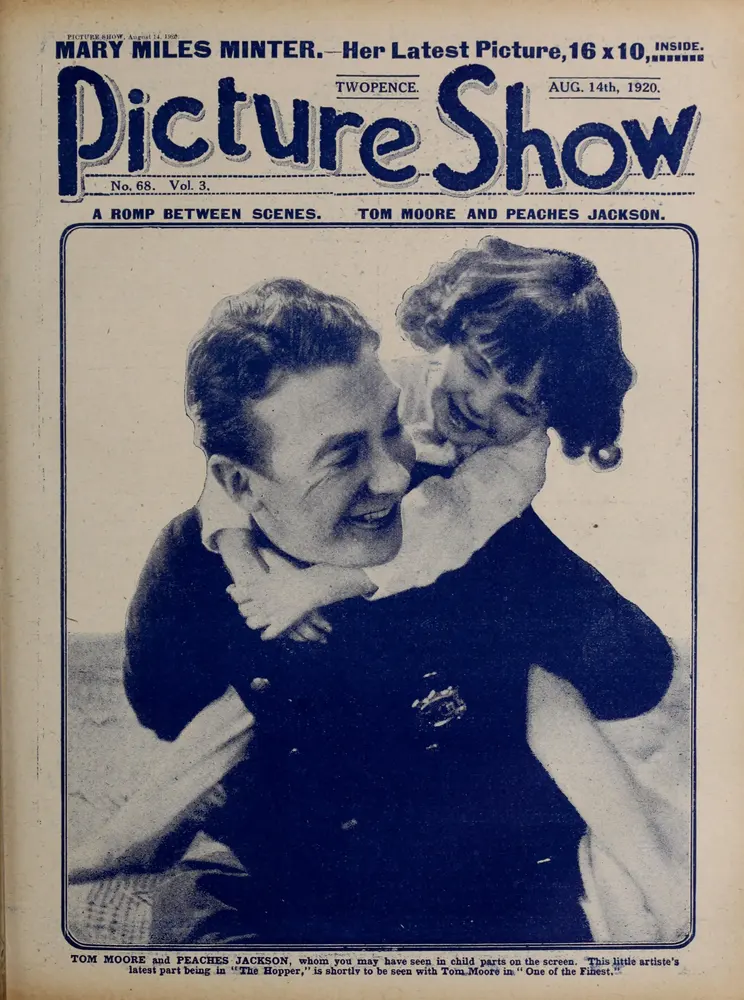
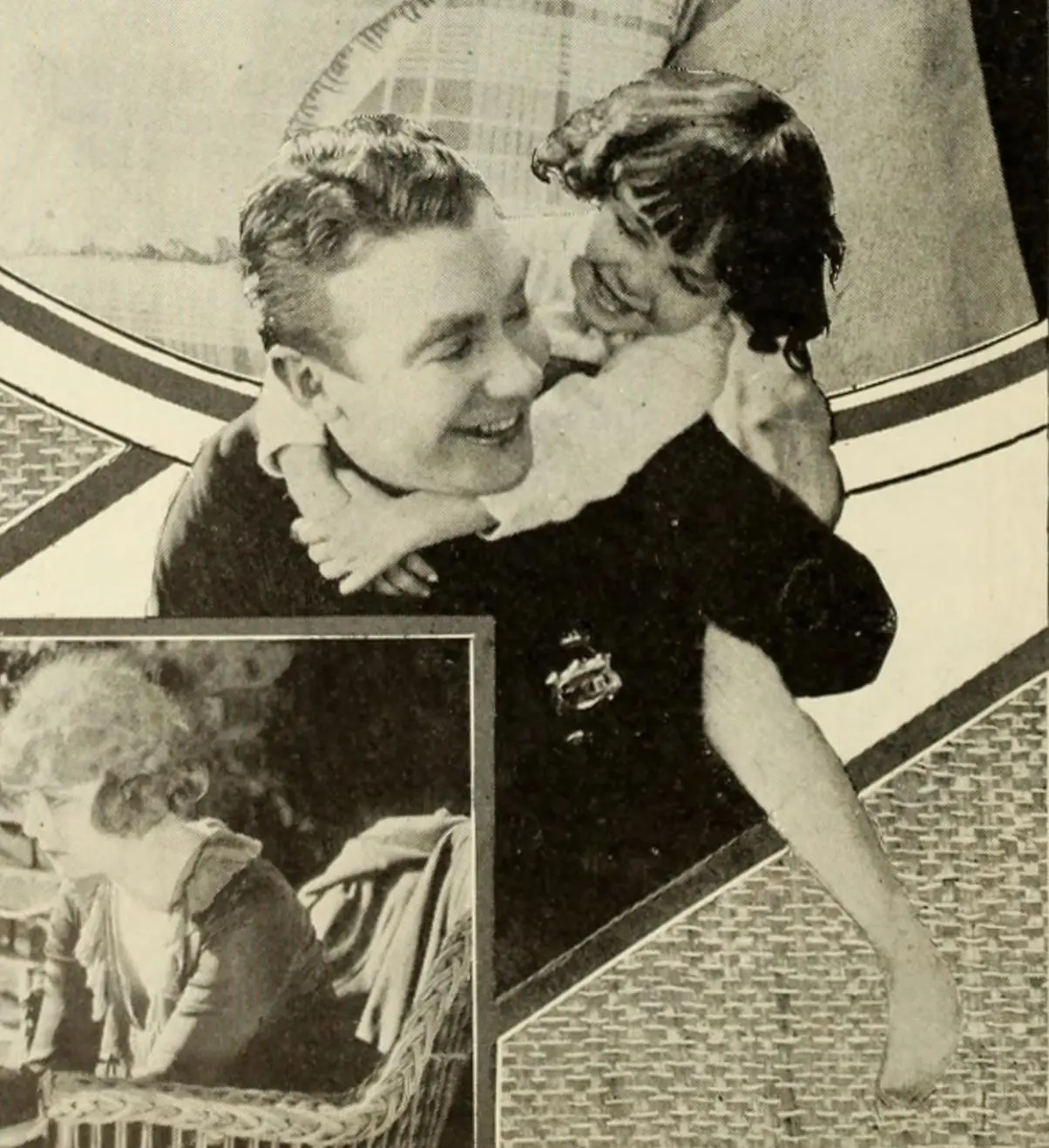
While Sturgis and Warren anchor the narrative, the film's richness is undoubtedly amplified by its supporting cast. Seena Owen, often celebrated for her dramatic prowess, likely brings a nuanced performance to her role, adding another layer to the social dynamics or perhaps acting as a foil or confidante. Mollie McConnell, a veteran character actress, provides a familiar and often comforting presence, while Tom Moore, Peaches Jackson, and Adelaide Elliot fill out the world with their distinct contributions, each face adding to the authentic tapestry of the era. Their collective efforts ensure that the world of 'One of the Finest' feels lived-in and believable, from the bustling police station to the hushed grandeur of the millionaire's estate. This depth of characterization, even in smaller roles, is a hallmark of well-crafted silent cinema, allowing the audience to invest fully in the unfolding drama.
The narrative's strength, of course, originates from J. Clarkson Miller's skillful writing. In an era where dialogue was conveyed through intertitles, the burden of storytelling rested heavily on concise yet evocative prose. Miller's script for 'One of the Finest' demonstrates an acute understanding of dramatic structure, character motivation, and thematic resonance. He crafts a story that is not only engaging but also deeply symbolic, exploring the notion that true nobility is found not in birthright, but in character and courageous action. The interplay between the written word (intertitles) and the visual performance is seamless, a testament to the collaborative artistry of silent filmmaking. One can see echoes of similar thematic concerns regarding societal constraints and individual will in films like Strife or even the more intimate dramas like Livets konflikter, albeit 'One of the Finest' wraps these ideas in a more overtly thrilling package.
The direction, while uncredited in some records, would have been crucial in translating Miller's script into a dynamic visual experience. Silent cinema relied heavily on expressive cinematography, innovative editing, and the evocative power of mise-en-scène. 'One of the Finest' likely employs a range of techniques to convey emotion and action: close-ups to highlight facial expressions, long shots to establish setting and scale, and dynamic cutting to heighten tension during chase sequences. The use of light and shadow, a fundamental tool in early cinema, would have been instrumental in creating mood – from the stark realities of the police station to the glittering, yet potentially dangerous, world of the wealthy. The very absence of spoken dialogue forced filmmakers to develop a sophisticated visual grammar, making films like this a masterclass in non-verbal communication. This visual storytelling prowess is what allows films from this period to remain so captivating, even for modern audiences accustomed to sound and color. It's a reminder that the essence of cinema lies in its ability to tell a story through images, a principle that transcends technological advancements.
Beyond the thrilling plot, 'One of the Finest' explores themes that remain remarkably pertinent. The struggle for social mobility, the idea that merit should trump birthright, and the inherent conflict between personal desire and professional duty are all woven into the film's fabric. The patrolman's journey is not just about winning the girl; it's about proving his worth to a society that might initially dismiss him. His actions against the villains are not just about enforcing the law; they are about safeguarding the values of justice and integrity that he embodies. This deep thematic undercurrent elevates the film beyond mere entertainment, inviting contemplation on the nature of heroism and the enduring power of genuine affection. In an era often romanticized for its simplicity, films like 'One of the Finest' reveal a nuanced understanding of human aspiration and societal complexities. The romantic arc, in particular, resonates with the challenges faced by characters in other period pieces exploring similar class divides, such as When a Man Loves, where societal expectations often clash with individual desires.
The film's climax is, predictably, a thrilling crescendo where all the narrative threads converge. The patrolman, having faced down numerous perils and outwitted his adversaries, finally confronts the two villainous characters in a decisive showdown. This confrontation is not just a physical struggle; it's a moral victory, a public affirmation of his unwavering commitment to justice and his selfless courage. The apprehension of these criminals clears the final, most formidable obstacle to his union with the millionaire's daughter. It’s a moment of profound vindication, demonstrating that his worth is not measured by the contents of his wallet, but by the strength of his character and his heroic deeds. The resolution is not merely a happy ending; it's a statement about the triumph of virtue over vice, and the power of an individual to forge their own destiny, regardless of their starting point. The satisfaction derived from this conclusion is immense, a testament to the skillful build-up throughout the preceding reels.
'One of the Finest' stands as a compelling example of early 20th-century cinema's ability to captivate and inspire. It’s more than a simple romantic drama or a police procedural; it's a richly textured narrative that speaks to the enduring human desire for love, justice, and self-actualization. The performances are earnest and effective, the script is tightly constructed, and the visual storytelling, even without spoken dialogue, conveys a wealth of emotion and action. For cinephiles and casual viewers alike, revisiting such a film offers a valuable glimpse into the foundational storytelling techniques that continue to influence cinema today. It reminds us that powerful narratives, compelling characters, and universal themes are truly timeless, capable of transcending the technological limitations of their era. Much like other silent classics, its narrative clarity and emotional impact ensure its enduring appeal, serving as a vital piece of cinematic history and a thoroughly enjoyable viewing experience.
In an age saturated with digital spectacle, there's a unique charm in the elegant simplicity and profound expressiveness of silent films like 'One of the Finest.' It's a reminder that the finest stories are often those that resonate with the deepest human experiences, regardless of how they are told. This film, with its intrepid hero, captivating heroine, and formidable antagonists, carves out its own distinguished place in the annals of early cinema, proving itself to be, indeed, one of the finest examples of its kind.
IMDb 6.2
1929
Community
Log in to comment.