DbcultAccessing Vault...
Cult Review
Senior Film Conservator
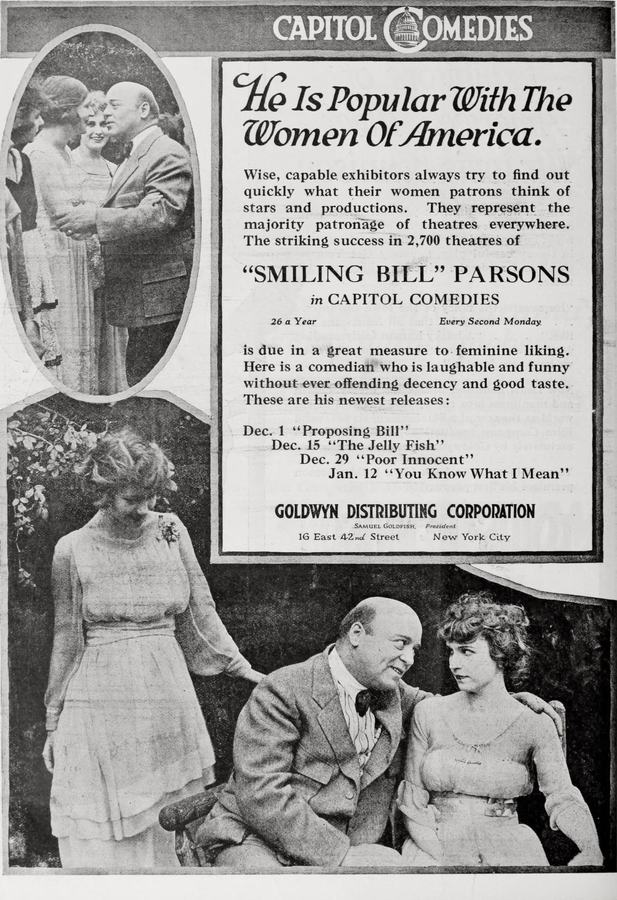
From its evocative title, 'Poor Innocent' promises a narrative steeped in pathos, and it delivers with an unflinching gaze that probes the darker corners of human nature and societal indifference. This cinematic offering is not merely a story; it is a meticulously crafted psychological study, a somber ballet of vulnerability and calculated cruelty that resonates long after the final frame fades to black. The film embarks on a journey with Elara Vance, a character whose very essence is defined by an almost anachronistic purity, a beacon of unblemished hope transplanted from the verdant tranquility of rural life into the grimy, cutthroat reality of the burgeoning city. Her initial optimism, a shimmering mirage against the backdrop of industrial smog, quickly dissipates under the relentless assault of urban cynicism and the predatory instincts of those who thrive on the exploitation of the unwary.
The central conflict ignites with the introduction of Arthur Croft, portrayed with a chilling subtlety by an actor whose name, regrettably, eludes the annals of time, yet whose performance etched an indelible mark. Croft is not a mustache-twirling villain; rather, he is a man of considerable social standing, a pillar of the community whose benevolence is a carefully constructed façade. He identifies Elara not as a person, but as a utility, a malleable instrument in his grander designs. His objective: to acquire a coveted parcel of land, currently under the ownership of a rival, through means that skirt the very edge of legality and morality. Elara, in her earnest desire to prove her worth and contribute, unwittingly becomes enmeshed in a web of forged documents, misleading testimonies, and cleverly orchestrated public appearances designed to cast her as a willing accomplice in a fabricated scandal. The genius of the screenplay lies in its gradual revelation of Croft's true intentions, mirroring Elara's own agonizing realization. It's a slow burn, a creeping dread that settles over the viewer as Elara's world, once vibrant with possibility, shrinks into a suffocating cage of suspicion and despair. Her initial trust, so easily given, transforms into a profound sense of betrayal, a wound that festers and ultimately consumes her. The film's pacing is deliberate, allowing the audience to witness each subtle shift in Elara's demeanor, each flicker of doubt in her eyes, until her vibrant spirit is extinguished by the relentless pressure.
The casting of William Parsons in the role of Edward Thorne, a young journalist initially drawn to Elara's story as a potential exposé, is nothing short of inspired. Thorne represents the moral compass that constantly wavers in the face of self-preservation and professional ambition. Parsons imbues Thorne with a compelling blend of cynicism and nascent idealism, making his character arc one of the film's most poignant elements. Initially, Thorne sees Elara as a means to an end, a sensational headline that could catapult his career. However, as he delves deeper into the labyrinthine plot, he begins to see the genuine plight of Elara, the sheer injustice of her situation. Parsons conveys this internal struggle with remarkable nuance, his expressions shifting from detached interest to genuine concern, then to a palpable frustration with the bureaucratic and societal forces arrayed against Elara. His performance is a masterclass in understated intensity, particularly in scenes where Thorne is forced to choose between journalistic integrity and the pragmatic realities of his profession. He is not a knight in shining armor; rather, he is a flawed individual grappling with his own conscience in a world that often rewards callousness. His failure to decisively intervene, despite his growing conviction of Elara's innocence, adds another layer of tragedy to the narrative, highlighting how even well-intentioned individuals can be paralyzed by fear or systemic obstacles. This echoes the complex moral quandaries found in films like The Intrigue, where characters are often trapped by circumstances beyond their immediate control, forcing them into morally compromising positions.
The cinematography of 'Poor Innocent' is a silent character in itself, employing a stark chiaroscuro style that mirrors Elara's internal and external struggles. The early scenes, depicting Elara's arrival in the city, are bathed in a deceptive glow, hinting at the false promises that await her. As the plot thickens and her predicament deepens, the lighting becomes progressively harsher, casting long, menacing shadows that seem to physically press down upon her. Close-ups of Elara's face, particularly in moments of dawning realization or profound despair, are particularly effective, allowing the audience to witness the slow erosion of her spirit. The urban landscape itself, with its towering buildings and bustling crowds, is presented not as a symbol of progress, but as an indifferent, almost hostile entity that dwarfs the individual. This visual motif of isolation within a multitude is powerfully rendered, reminiscent of the existential loneliness explored in works such as Fedora, where grand settings often serve to amplify personal tragedy. The film's thematic depth extends beyond a simple tale of good versus evil. It delves into the insidious nature of reputation, the ease with which a person's character can be assassinated by rumor and insinuation, and the almost insurmountable challenge of reclaiming one's good name once it has been tarnished. Elara's struggle is not just against Croft, but against a society that readily accepts convenient narratives, especially when they serve to uphold existing power structures. The film critiques the very fabric of a justice system that prioritizes appearances over truth, and a public that is too easily swayed by sensationalism.
In its unflinching portrayal of a woman caught in a societal snare, 'Poor Innocent' finds kinship with other cinematic explorations of injustice and the fragility of reputation. One cannot help but draw parallels to Her Mistake, which similarly scrutinizes the devastating consequences of social judgment and the often irreversible impact of a single misstep or perceived transgression. Both films, though distinct in their specific narratives, share a common thread: the brutal efficiency with which society can ostracize and condemn. The narrative also brings to mind the poignant struggles against overwhelming odds seen in Molly Entangled, where a protagonist's life is complicated by external forces and misunderstandings. While 'Poor Innocent' leans more heavily into the tragic, both films expertly craft environments where personal agency is constantly challenged by external pressures. The film's exploration of class disparity and the vulnerability of the less privileged against powerful elites could also be seen in conversation with earlier works like Fekete gyémántok, which often depicted the struggles of ordinary people within rigid social hierarchies. The profound sense of isolation and the crushing weight of public opinion on an individual are themes that resonate across these diverse cinematic landscapes, testifying to their enduring power.
The film's ultimate tragedy is not a sudden, shocking event, but a slow, agonizing unraveling. Elara's spirit, once so resilient, is chipped away piece by piece until nothing but a hollow shell remains. The narrative refuses to offer easy answers or a convenient resolution, instead opting for a gut-wrenching realism that underscores the film's powerful message. Her final moments, whether they depict a quiet resignation or a desperate act, are handled with a delicate balance of artistry and emotional impact. There is no grand speech, no dramatic confrontation that rights the wrongs; only the quiet, devastating realization that some wounds are too deep to heal, some injustices too pervasive to overcome. This refusal to sentimentalize or sensationalize Elara's fate elevates 'Poor Innocent' from a mere melodrama to a profound work of art. It forces the audience to confront uncomfortable truths about human nature, the fragility of innocence, and the often-brutal consequences of societal structures that prioritize power and profit over empathy and justice. The film's ending is not an act of despair, but a powerful commentary, a cinematic lament for all 'poor innocents' who have fallen victim to the machinations of a world indifferent to their plight. It leaves a lasting impression, prompting introspection on the nature of complicity and the responsibility of the individual within the collective. The narrative's concluding moments are akin to the stark, unvarnished realities portrayed in Vanity, where characters often face the harsh repercussions of their choices or the circumstances imposed upon them by a judgmental world. Both films excel in their ability to strip away pretense and reveal the raw, often painful, core of human experience.
'Poor Innocent' stands as a testament to the power of early cinema to tackle complex social issues with both artistic integrity and emotional depth. Its exploration of themes such as the corruption of innocence, the abuse of power, and the devastating impact of societal judgment remains remarkably relevant, echoing through the ages. The film doesn't preach; it observes, it dissects, and it ultimately compels the viewer to reflect on the darker aspects of human interaction. The performances, particularly the nuanced portrayal by William Parsons, lend immense weight to the narrative, grounding its more melodramatic elements in a convincing realism. The meticulous direction ensures that every scene contributes to the overarching sense of dread and inevitability, drawing the audience deeper into Elara's tragic world. It is a film that demands engagement, that challenges preconceived notions, and that lingers in the mind long after the credits roll. For those seeking a cinematic experience that transcends mere entertainment, offering instead a profound meditation on the human condition and the enduring struggle against injustice, 'Poor Innocent' is an indispensable viewing. Its legacy is not just in its pioneering techniques or its compelling story, but in its timeless ability to stir the conscience and provoke meaningful contemplation on the nature of morality in an often-unforgiving world. The film, in its quiet power, reminds us that the stories of the 'poor innocent' are not confined to the past, but continue to resonate in every corner of society, urging us to look closer, to question more deeply, and to empathize more profoundly. It is a work of art that, despite its age, speaks volumes to the contemporary viewer, making it a cornerstone of essential viewing for any serious cinephile. Its examination of individual struggle against overwhelming social forces aligns it with the spirit of films like The Sable Blessing, which also delves into the personal battles waged within broader societal conflicts, showcasing the resilience and fragility of the human spirit in equal measure. 'Poor Innocent' is more than just a film; it is a historical document of human folly and a timeless piece of art that continues to provoke thought and emotion, solidifying its place in the pantheon of significant cinematic achievements. It’s a stark reminder that some narratives, though fictional, hold a mirror to universal truths about vulnerability and power, making its message as potent today as it was upon its original release. The film's unflinching portrayal of the consequences of manipulation and the erosion of trust is a powerful argument for its enduring relevance in any era where truth and perception are constantly at odds. It's a journey into the heart of human struggle, rendered with an artistry that ensures its place as a classic deserving of continued study and appreciation.
IMDb 6.7
1918
Community
Log in to comment.