DbcultAccessing Vault...
Cult Review
Senior Film Conservator
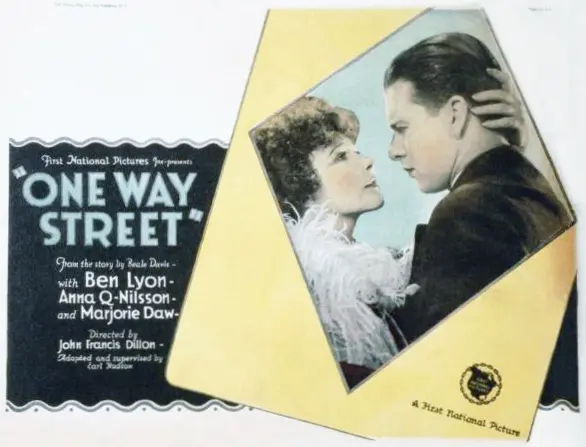
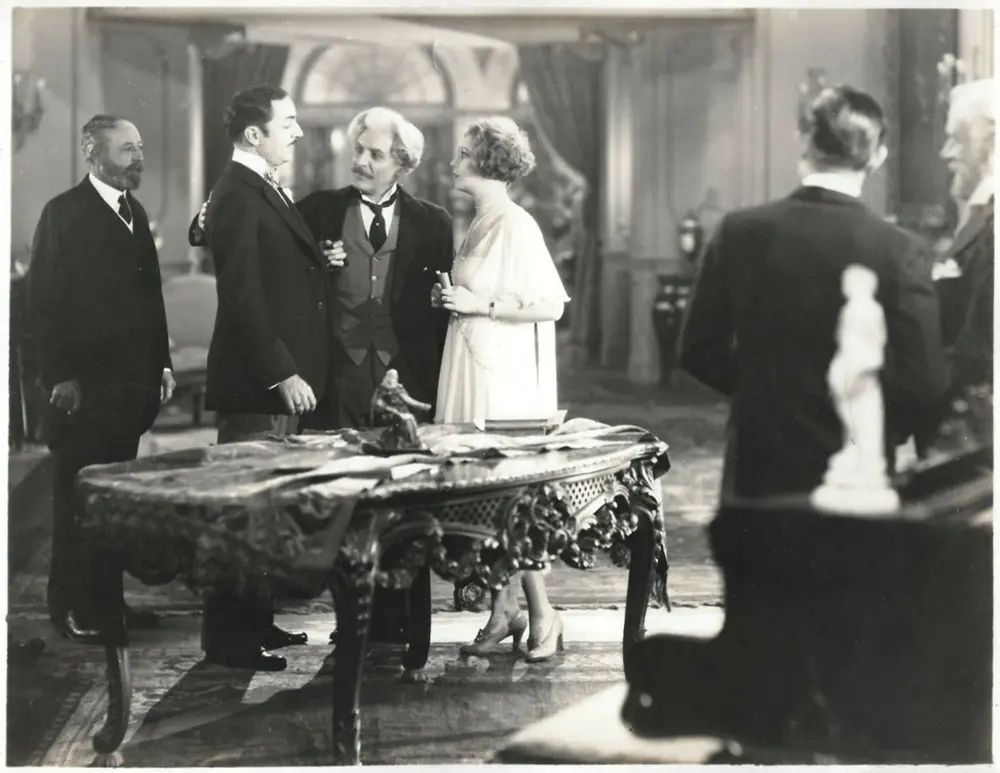
From the onset, 'One Way Street' garners attention for its intricate narrative and the high-stakes performance it demands from its cast. Anna Q. Nilsson stars as Lady Sylvia Hutton, a character whose transformation from a society figure to a withered hag is both visually and emotionally striking. The film's setting in late 19th century Britain provides a rich backdrop for the exploration of class dynamics and the ephemeral nature of social status.
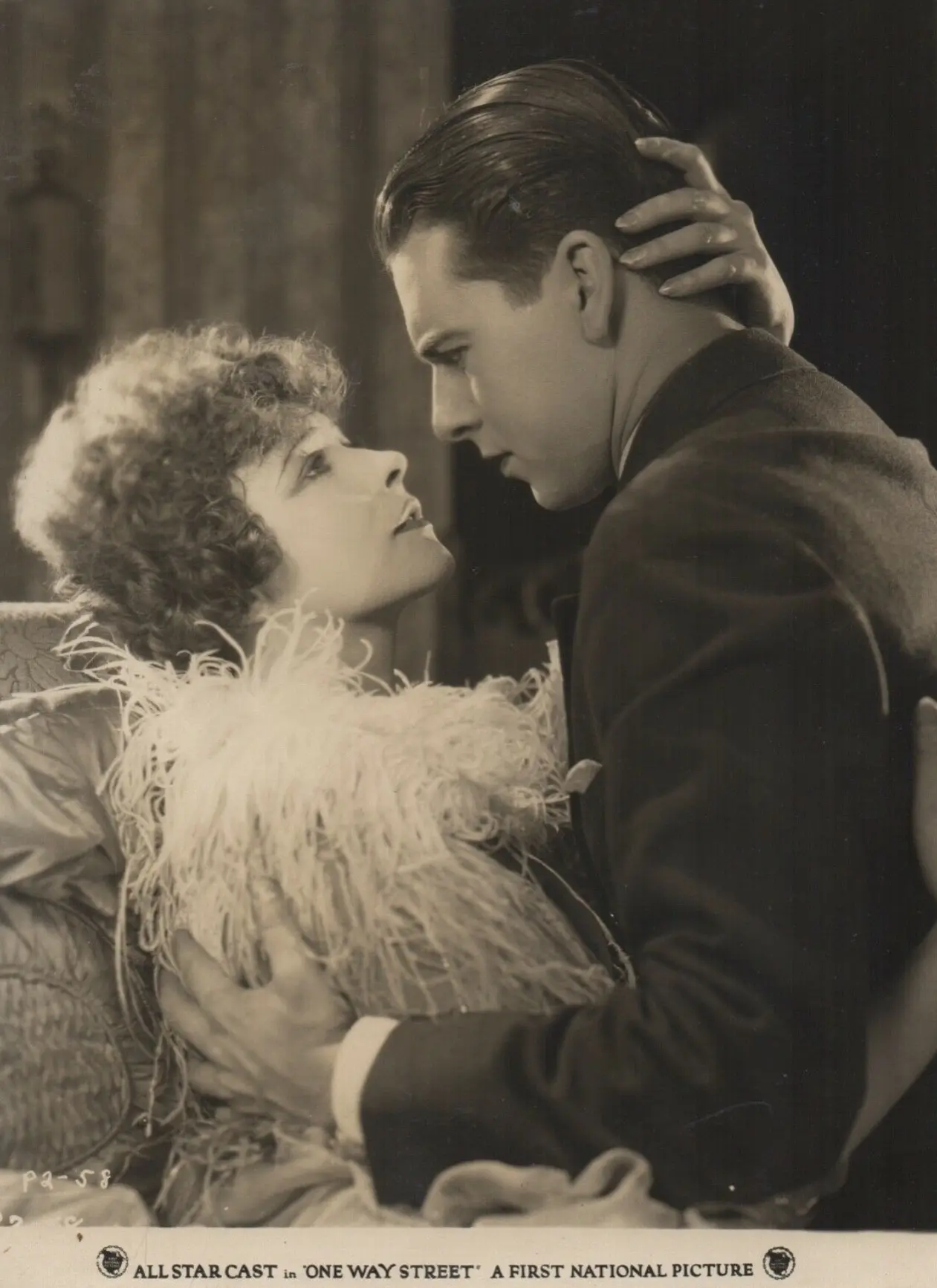
At the heart of the film is the relationship between Bobby Austin and Lady Sylvia, a relationship that is as much about desire as it is about the societal expectations that govern it. Bobby, played by Jed Prouty, is a man caught between his love for Elizabeth Stuart (Mona Kingsley) and his infatuation with Lady Sylvia. The tension in their interactions is palpable, especially as Lady Sylvia's character reveals her past as an operatic star before her voice gave out, leaving her to seek a new means of societal reintegration.
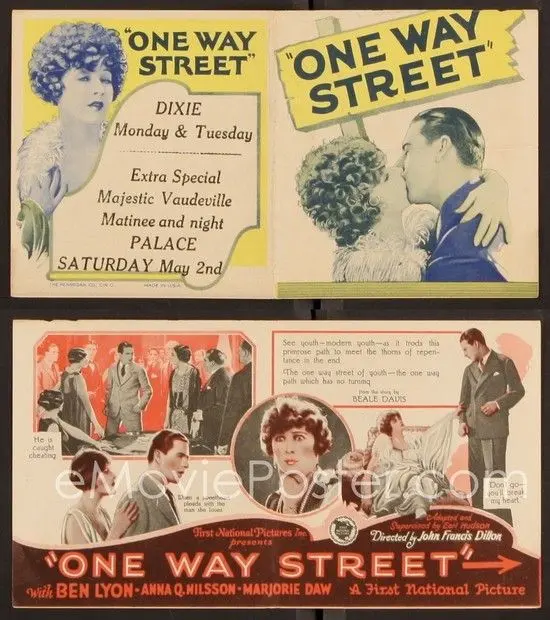
Elizabeth Stuart, a young woman in love with Bobby, serves as the catalyst for the film's central revelations. Her discovery of Lady Sylvia's duplicity is a turning point that not only exposes the noblewoman's true nature but also forces a reevaluation of the character's earlier actions. The narrative's shift in perspective, from the opulent and glamorous world of Lady Sylvia to the more intimate and real encounters with Elizabeth, offers a nuanced critique of the superficiality often associated with high society.
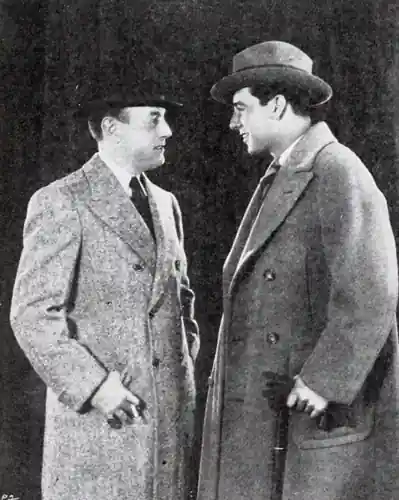
Director and writers Earl Hudson, Beale Davis, Arthur F. Statter, and Mary Alice Scully adeptly navigate the film's complex emotional landscape. Their handling of the characters' motivations and the ways in which societal pressures influence behavior is both subtle and powerful. The film's pacing is well-balanced, allowing the audience to become deeply invested in the characters' fates while maintaining a sense of suspense and intrigue.
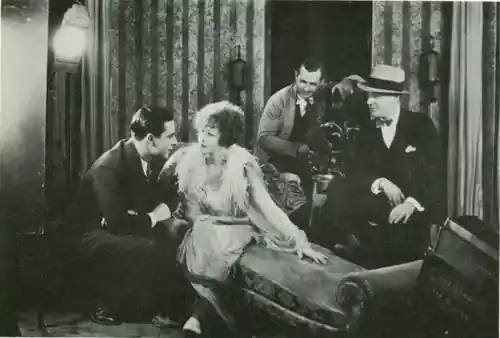
Technically, 'One Way Street' excels in its visual and auditory storytelling. The use of color, particularly the dark orange and sea blue hues, effectively underscores the themes of decay and transformation. The film's score, while not overtly prominent, contributes to the overall atmosphere, enhancing the moments of tension and the quieter, introspective scenes.
The supporting cast, including Dorothy Cumming, Marjorie Daw, Lumsden Hare, and Thomas Holding, provide depth to the film's world. Their performances add layers to the narrative, contributing to the rich tapestry of characters that populate this drama. Lumsden Hare, in particular, brings a sense of gravitas to the role of Bobby's husband, further complicating the moral and emotional landscape of the story.
'One Way Street' stands out among its contemporaries, such as 'Fesseln' and 'In the Knicker Time', for its depth of character and its willingness to explore the darker aspects of human nature. While films like 'Don't Tell Everything' and 'King of the Circus' offer more straightforward narratives, 'One Way Street' delves into the complexities of love, deceit, and the societal constructs that shape our lives.
The film's exploration of the fleeting nature of beauty and status resonates across time, making it a timeless piece of cinema. Its themes of transformation and the redemptive power of truth are universal, and the performances by the cast, particularly Anna Q. Nilsson, elevate the story to a level of artistry that transcends its period setting.
In conclusion, 'One Way Street' is a remarkable film that captures the essence of a bygone era while offering insights into the human condition that remain relevant today. Its intricate plot, rich character development, and technical craftsmanship make it a must-watch for any film enthusiast.
IMDb 2.8
1927
Community
Log in to comment.