DbcultAccessing Vault...
6/10
Senior Film Conservator
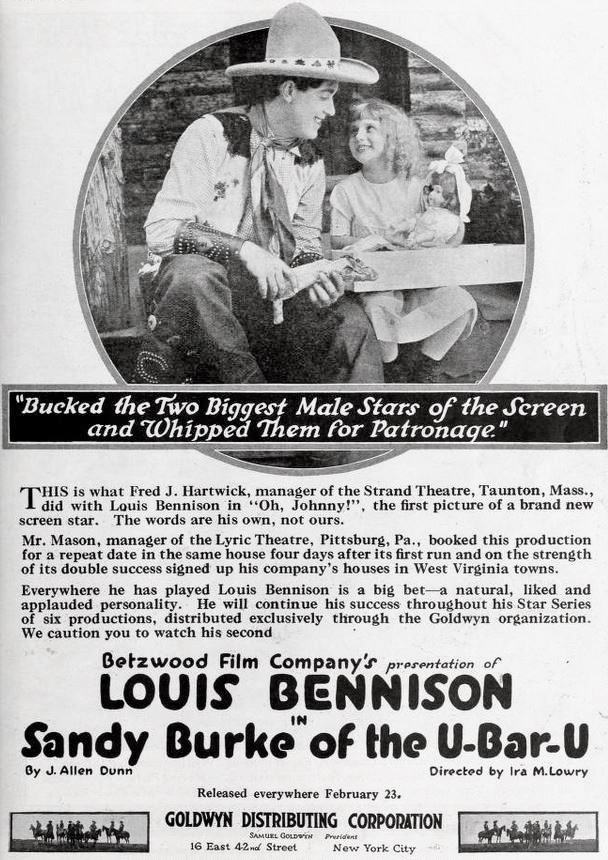
A definitive 6/10 rating for a film that redefined the boundaries of cult cinema. Sandy Burke of the U-Bar-U remains a cornerstone of transgressive art.
In the annals of early cinematic art, where the flickering images of the nascent film industry captivated burgeoning audiences, Sandy Burke of the U-Bar-U emerges as a compelling artifact from 1917. This silent Western, a testament to the genre's enduring appeal even in its formative years, masterfully weaves a narrative tapestry of heroism, moral ambiguity, and burgeoning romance against the rugged, unforgiving backdrop of the American frontier. Penned by J. Allan Dunn, the film plunges viewers into a world where justice is often a personal crusade and the line between outlaw and savior can blur with the speed of a six-shooter's draw. It is a work that, through its dramatic narrative and archetypal characters, encapsulates the spirit of an era, reflecting both the aspirations and the harsh realities of life on the range.
At the heart of this frontier saga stands Sandy Burke, portrayed by Louis Bennison, a character who transcends the simplistic hero archetype through his nuanced actions and unwavering ethical core. Sandy is introduced not with a grand entrance, but through an act of profound compassion: rescuing young Dolly Morgan, a child rendered an orphan by the cold-blooded villainy of Jim Diggs. This initial act immediately establishes Sandy's moral framework, positioning him as a protector of the vulnerable, a beacon of hope in a land often devoid of formal justice. His decision to entrust Dolly to the care of the Widow Mackey is not an abdication of responsibility but a pragmatic choice, ensuring the child's well-being while he grapples with the larger forces of injustice. This early development sets the stage for Sandy's subsequent trajectory, demonstrating a character whose heroism is not born of bravado, but of a deep-seated commitment to rectitude.
The narrative quickly escalates, introducing the financial peril faced by the Widow Mackey, whose mortgage is held by Lafe Hinton, Diggs' unscrupulous partner. This predicament becomes Sandy's immediate impetus, propelling him into a new phase of his quest. His attempt to secure legitimate employment at Jeff Kirby's ranch underscores his initial preference for lawful means, yet fate, as it often does in compelling narratives, intervenes. He is mistakenly identified as the infamous desperado Slim Dillon, a misapprehension that leads to his capture by Kirby's feisty daughter, Molly. This moment of mistaken identity is a pivotal plot device, reminiscent of classic literary tropes where a hero's true nature is obscured, only to be revealed through adversity. It adds layers of dramatic irony and allows for the gradual development of the central romantic tension.
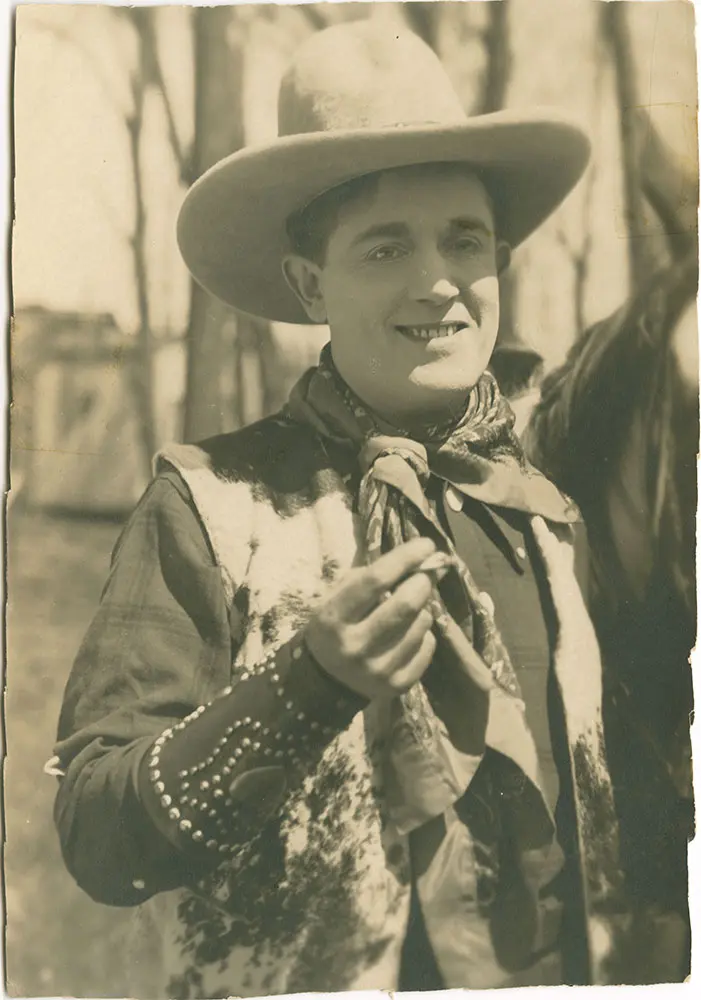
Sandy's subsequent decision to embrace the persona of Slim Dillon, even after proving his innocence, is a bold narrative stroke. It highlights a recurring theme in Westerns: the necessity for good men to operate outside the rigid confines of the law when the law itself is insufficient or compromised. His stagecoach robbery, undertaken with the express purpose of aiding the Widow Mackey, is an act of benevolent lawlessness, a Robin Hood-esque maneuver that solidifies his unique brand of heroism. This willingness to engage in morally ambiguous actions for a greater good distinguishes Sandy from more conventional, purely lawful protagonists. It’s a thematic exploration seen in other frontier narratives, where individuals like the titular character in Kinkaid, Gambler might use their skills in less-than-legal arenas to achieve a form of justice. The subsequent poker game with Hinton, where Sandy deftly wins the mortgage money, showcases his strategic intellect and his ability to outmaneuver his adversaries on their own terms, further cementing his status as a resourceful and formidable protagonist.
Nadia Gary's portrayal of Molly Kirby offers a refreshing departure from the passive female characters often relegated to the background in early cinema. Molly is introduced as a woman of agency and conviction, actively participating in the frontier life, even to the point of apprehending a perceived outlaw. Her initial capture of Sandy, fueled by the mistaken identity, not only serves as a catalyst for the plot but also establishes her as a spirited and capable individual. She is not merely an object of affection or a plot device to be rescued; she is an active participant in the unfolding drama. This strength and independence make her a compelling romantic interest, challenging Sandy's perceptions and earning his respect.
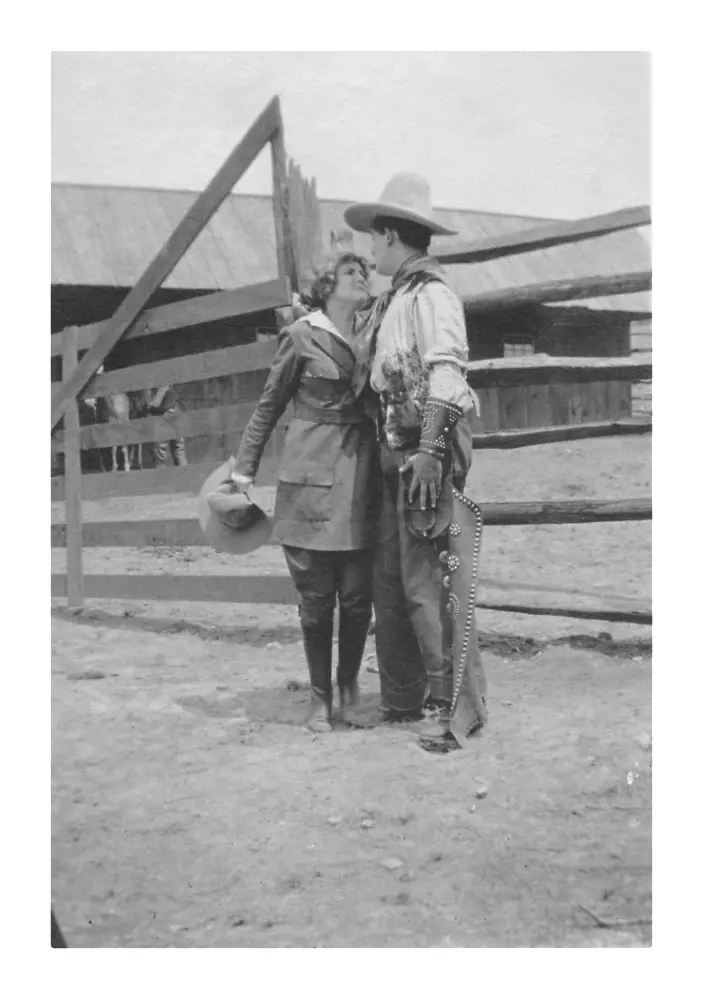
Molly's character arc is intrinsically linked to her evolving understanding of Sandy. From initial suspicion and hostility, her view gradually shifts to one of admiration and affection as she witnesses his true character and motivations. Her role in the latter half of the film, particularly during her multiple captures and eventual pleas for Sandy's life, transforms her from merely capable to deeply empathetic and courageous. She is not simply a prize to be won but an equal partner in the struggle against evil. Her final act, disarming Sandy and demanding his embrace, is a powerful inversion of traditional gender roles, solidifying her position as a woman who takes charge of her own destiny and desires. This proactive stance for a female character in a 1917 film is particularly noteworthy, suggesting a nascent push towards more complex and empowered representations of women, perhaps a subtle echo of the broader societal shifts occurring during the suffrage movement.
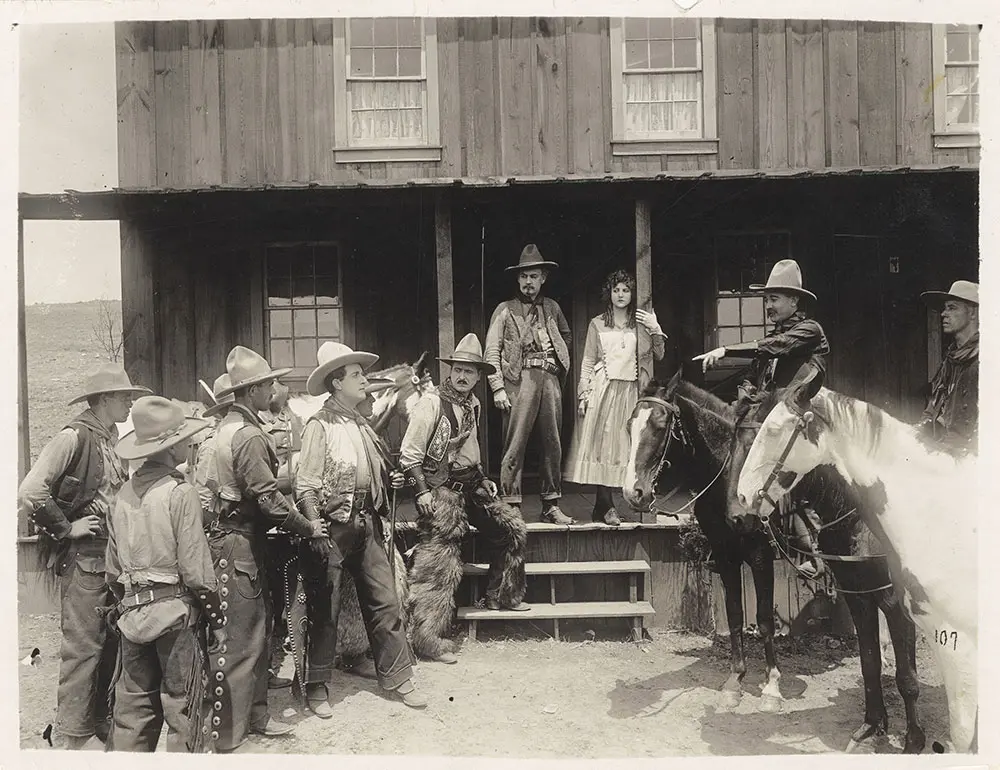
The antagonists, Jim Diggs and Lafe Hinton, embody the quintessential villainy of the Western genre. Diggs, the cold-blooded murderer of Dolly's father, represents brute force and unbridled malice. Hinton, his partner, provides the venal, opportunistic element, exploiting the vulnerable through financial leverage. Their partnership illustrates the dual threat faced by frontier communities: overt violence and insidious economic exploitation. Their actions are the primary drivers of conflict, forcing Sandy to confront not just individual acts of cruelty but a systemic threat to the peace and prosperity of the region. The film effectively portrays them as a pervasive evil, from the murder that opens the narrative to the cattle rustling that threatens Kirby's livelihood.
The revelation of their involvement in the cattle rustling operation, a common trope in Westerns, serves to broaden the scope of their villainy beyond personal vendettas. When Sandy is hired by Kirby to stop the thieves, his suspicions naturally fall upon Diggs and Hinton, a testament to their established reputation for nefarious deeds. The discovery of the letter from the packing firm, a tangible piece of evidence, elevates the conflict from mere suspicion to verifiable fact, providing Sandy with the leverage he needs to dismantle their criminal enterprise. This methodical uncovering of their scheme adds a detective-like quality to Sandy's heroism, showcasing his intelligence alongside his physical prowess. The escalating confrontations, culminating in Diggs' brutal trap and the attempted branding of Sandy, underscore the depths of their depravity and the high stakes of the struggle. Such intense showdowns are a hallmark of the genre, echoing the dramatic tension found in films like The Scarlet Trail, where good and evil clash with raw, visceral force.
Beyond its thrilling plot, Sandy Burke of the U-Bar-U delves into profound thematic territory. The pervasive theme of justice is explored through Sandy's personal quest for retribution and protection. In a land where institutional law is often remote or ineffective, individual heroes like Sandy become the arbiters of right and wrong. His actions, though sometimes outside the strictures of legality, are consistently driven by a moral imperative to correct wrongs and defend the innocent. This resonates with the ethos of many early Westerns, where the rugged individual stands against chaos, a narrative thread visible in films such as The Girl and the Crisis, where personal courage often trumps official channels.
The theme of identity is equally central. Sandy's mistaken identity as Slim Dillon is not merely a plot device; it's a commentary on perception versus reality, and the arbitrary nature of reputation in the fluid frontier. His willingness to inhabit this false identity for a noble cause raises questions about the nature of heroism itself. Is a hero defined by adherence to law, or by the moral outcome of their actions, regardless of the means? This exploration of identity and its malleability is a sophisticated element for a film of its era.
The film also paints a vivid picture of the moral landscape of the West. It's a place of stark contrasts: the brutal greed of Diggs and Hinton against the quiet generosity of Sandy and the Widow Mackey; the vulnerability of Dolly against the protective instincts of the community. This dichotomy highlights the constant struggle between civilization and savagery, a struggle that defined the American frontier experience. The narrative suggests that in such an environment, the strength of character and the bonds of community are paramount for survival and the establishment of order.
As a silent film, Sandy Burke of the U-Bar-U relies heavily on visual storytelling and exaggerated, yet expressive, performances to convey emotion and narrative progression. Louis Bennison, as Sandy, would have employed a physicality and facial expressiveness typical of the era, conveying determination, quiet strength, and internal conflict through gesture and gaze. Nadia Gary's Molly, too, would have used her body language to project independence, fear, and burgeoning affection. The absence of dialogue necessitated a heightened visual language, making every frame, every gesture, and every intertitle crucial to the audience's understanding and engagement.
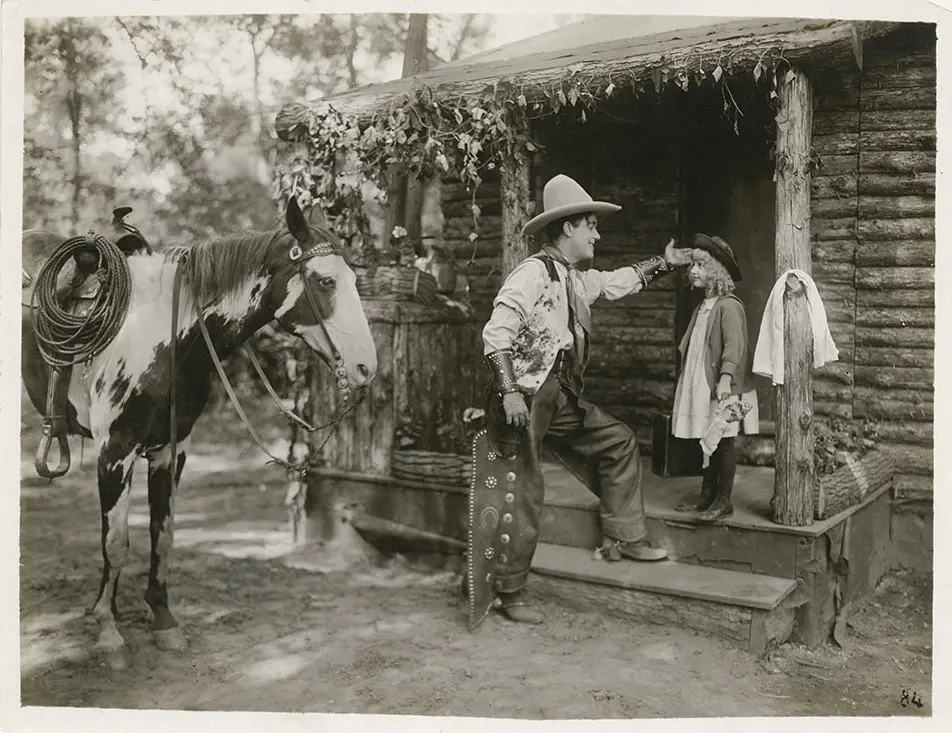
The cinematography, though perhaps rudimentary by modern standards, would have been instrumental in capturing the expansive beauty and inherent dangers of the Western landscape. Wide shots of the plains and mountains would establish the setting, while close-ups on faces would convey intense emotion. Action sequences, such as the stagecoach robbery and the climactic pursuit and trap, would have been choreographed for maximum visual impact, relying on dynamic movement and quick cutting (for the era) to build suspense. The branding scene, in particular, would have been designed to elicit a visceral reaction, emphasizing the brutality of the villains and the perilous situation of the hero. These techniques were common in silent thrillers and dramas of the time, from the intricate plots of The Mystery of Room 13 to the dramatic tension of Kick In.
The pacing, a critical element in silent films, would have been carefully controlled to build tension and release it effectively. The initial rescue and subsequent discovery of the mortgage plight set a brisk pace, while the period of Sandy's masquerade as Dillon allows for both comedic moments and strategic planning. The final act, with its escalating captures and desperate struggles, would have accelerated to a thrilling crescendo, culminating in the satisfying resolution of the conflict and the tender, unconventional conclusion to the romance.
Sandy Burke of the U-Bar-U stands as a compelling example of early American cinema's capacity for complex storytelling and character development, even within the constraints of its era. It is more than just a simple Western; it is a moral fable, an adventure yarn, and a nascent romance, all rolled into one. The film's enduring appeal lies in its exploration of universal themes: the struggle for justice against overwhelming odds, the search for identity, and the transformative power of love. While the visual language and acting styles may appear dated to modern eyes, the narrative's core remains potent and relevant.
The film’s conclusion, with Molly taking charge of the romantic resolution, is particularly memorable. Sandy, believing Molly’s affections lie elsewhere, prepares to make a stoic, solitary departure—a classic Western hero’s exit. But Molly, with a bold and charming gesture, disarms him and commands him into an embrace. This subversion of the expected romantic dynamic provides a poignant and satisfying end, reinforcing Molly’s strong character and giving the romance a uniquely spirited flavor. It’s a moment that elevates the film beyond a standard genre piece, imbuing it with a touch of progressive sensibility for its time. This kind of decisive action from a female lead, while perhaps not as overt as the social commentary in The Bride's Awakening or Her Bitter Cup, still speaks to a growing recognition of female agency in cinematic narratives.
In an era when cinema was still finding its voice, Sandy Burke of the U-Bar-U utilized the burgeoning techniques of filmmaking to craft a story that was both thrilling and emotionally resonant. It contributes significantly to the rich tapestry of silent Westerns, showcasing how effectively drama, action, and character development could be conveyed without a single spoken word. For enthusiasts of early cinema and the Western genre, this film offers a valuable glimpse into the foundational storytelling techniques that would shape decades of cinematic history, proving that even a century later, the silent heroes of the U-Bar-U can still ride into our imaginations and capture our hearts. Its legacy, though perhaps overshadowed by more widely distributed contemporaries, remains a testament to the power of a well-told story, demonstrating that foundational elements of narrative cinema were already firmly in place.
IMDb —
1933
Community
Log in to comment.