DbcultAccessing Vault...
6.4/10
Senior Film Conservator
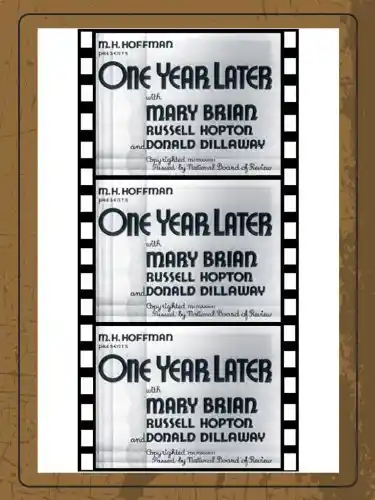
A definitive 6.4/10 rating for a film that redefined the boundaries of cult cinema. One Year Later remains a cornerstone of transgressive art.
If you're into those old, really dramatic films, the kind that just sit heavy on your chest, then One Year Later might just be your speed. It's definitely not for folks looking for fast action or a slick, modern plot. But if you have a quiet evening and a soft spot for early talkies and a story with some genuine emotional weight, you should definitely give it a look. 🚂
The whole thing takes place mostly on a train, which is a fantastic bit of staging. You’ve got John (Herbert Evans), a man convicted of murder, on his way to face the music. He's accused of killing his boss, believing the man was having an affair with his wife.
Right there with him, digging for a story, is a reporter, Smitty (Al Klein). Smitty's relentless, you know? He just keeps pushing for answers, even when John is clearly just... done. It’s a real display of journalistic grit, or maybe just a bit of rudeness, depending on how you see it.
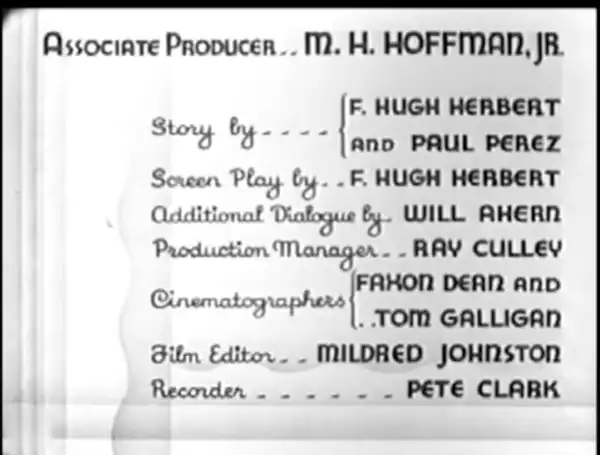
Then, suddenly, his wife, Mary (Myrtle Stedman), shows up on the train. Her appearance feels a bit too convenient, almost like the universe is just trying to squeeze all the drama into one tiny space. But it works, surprisingly. Her presence just cranks up the tension another notch.
Herbert Evans as John is mostly silent, which is often more powerful than any big speech. He just has this defeated, faraway look. You can almost feel the weight of everything he's lost, just by watching his eyes. There's a moment when he just stares out the window, and the trees are whizzing by, but he's not seeing any of it. He’s just gone.
The flashbacks are quick, almost jarring. Not elaborate scenes, more like flashes of memory. A quick shot of an argument, then boom, you're back on the train, feeling the rumble under your feet. It keeps the focus firmly on the present moment's despair.
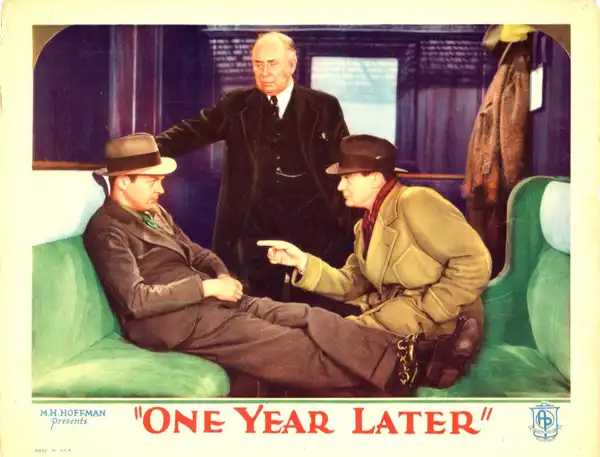
The dialogue, sometimes, it’s a little stiff, a little stagey, as was common for the time. But then there are these lines that just hit you. John's quiet "What's the point of another word?" after a particularly probing question from Smitty. It just hangs there, heavy.
Myrtle Stedman as Mary, her performance is interesting. She’s not overly expressive, which makes you wonder what she’s really thinking. Is she genuinely heartbroken? Or is there something else going on? The movie doesn't make it easy to figure out.
There's a scene where Smitty pulls out a crumpled pack of cigarettes. It’s such a small, mundane detail, but it just grounds the whole thing. Makes you feel like you’re right there, smelling the stale smoke in the carriage.
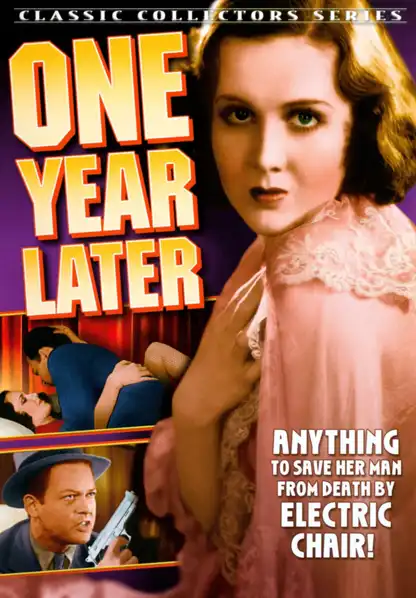
The film does a good job of building this inescapable feeling. The train car itself feels like a pressure cooker, just moving steadily towards this one grim destination. No matter what they say or do, the train keeps moving. You can almost hear the ticking clock. ⏳
What I found really stuck with me wasn't some grand twist, but the quiet desperation of it all. It’s not trying to preach. It’s just showing you a man's last journey, and the messy human connections tangled up in it. The ending doesn't offer easy comfort, which I appreciated. It just... is.
Definitely one for those who appreciate the raw, unpolished grit of early cinema. It’s a good reminder that powerful stories don't always need big budgets or flashy effects. Just some good actors, a tight setting, and a heavy premise.
IMDb —
1920
Community
Log in to comment.