DbcultAccessing Vault...
6/10
Senior Film Conservator
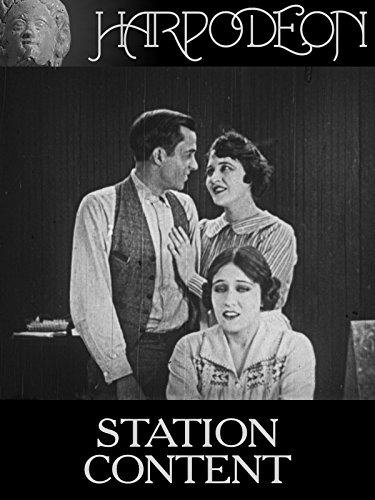
A definitive 6/10 rating for a film that redefined the boundaries of cult cinema. Station Content remains a cornerstone of transgressive art.
In the burgeoning landscape of 1918 cinema, where the language of film was still shedding its theatrical chrysalis, Station Content emerges as a fascinating artifact of social anxiety and technical ambition. Directed by Paul Powell and written by the prolific Catherine Carr, the film serves as a vehicle for a young Gloria Swanson, whose screen presence even at this early stage possessed a mercurial intensity that would later define an era. The narrative, centered on Kitty Manning, a songstress whose domestic contentment is derailed by the allure of power, functions as a morality play set against the soot-stained backdrop of the American railroad industry.
The film opens with a tableau of domesticity that feels intentionally claustrophobic. Kitty’s husband, played with a stoic, if somewhat wooden, sincerity by Lee Hill, represents the stagnant safety of the working class. When Kitty catches the eye of his employer—a railroad president portrayed by Arthur Millett—the film shifts its visual language from the cramped interiors of the Manning home to the expansive, opulent offices of industrial might. This transition mirrors the thematic concerns found in The Legacy of Happiness, where the pursuit of material wealth often comes at the cost of spiritual or emotional integrity.
To watch Swanson in this period is to witness the birth of a cinematic icon. Unlike the more exaggerated pantomime seen in Aladdin and the Wonderful Lamp, Swanson employs a more nuanced approach to her character's internal conflict. Her Kitty Manning is not a villainess, but a woman suffocated by the narrow expectations of her station. When she abandons her husband, the film avoids the didacticism common in contemporary social dramas like The Majesty of the Law. Instead, it leans into the psychological complexity of her choice, framing her transgression as a desperate bid for agency in a world that offers her very little.
The chemistry—or lack thereof—between the leads is instrumental in establishing the film's tension. Ward Caulfield and Nellie Allen provide solid support, but the film is undeniably Swanson’s. Her performance here contrasts sharply with the more archetype-driven roles found in The Siren's Song. Where other actresses might have leaned into the melodrama of the 'other woman,' Swanson maintains a degree of vulnerability that keeps the audience anchored to her perspective, even as she commits acts of social betrayal.
The railroad in Station Content is more than just a setting; it is a character in its own right, representing the relentless forward momentum of modernity and the inherent dangers of losing one's way. The train wreck, a staple of early cinema thrills, is used here as a catalyst for moral epiphany. This device is far more effective than the supernatural elements in The Black Crook or the serialized intrigue of Beatrice Fairfax. The physical danger of the locomotive serves as a literalization of the wreck Kitty has made of her personal life.
The cinematography during the climax is particularly noteworthy for 1918. The use of editing to build suspense as Kitty races to prevent the collision demonstrates an advanced understanding of filmic rhythm. It echoes the high-stakes tension seen in The Conqueror, though on a much more intimate, localized scale. The flickering light of the station lamps and the billowing smoke of the engines create a noir-esque atmosphere that predates the genre’s official inception by decades.
Writer Catherine Carr deserves immense credit for subverting the expected conclusion of a 'fallen woman' narrative. In many films of this era, such as Mary Lawson's Secret or Babbling Tongues, the female protagonist is often punished with death or permanent exile. Carr, however, allows Kitty the opportunity for active redemption. By saving the train, Kitty saves herself. It is a proactive reclamation of her soul, moving beyond the passive suffering found in The Bride of Hate.
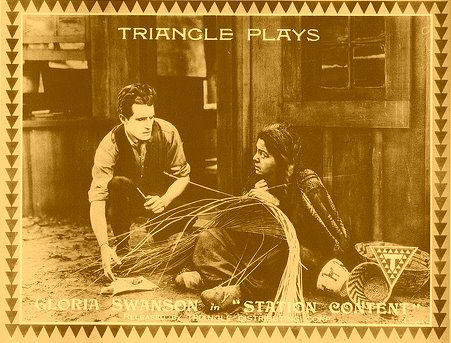
This script also touches upon the class dynamics that were so prevalent in the early 20th century. The railroad president is not merely a romantic rival but a symbol of the predatory nature of the ruling class. His interest in Kitty is transactional, a sharp contrast to the genuine, if boring, affection of her husband. This exploration of class and power dynamics is reminiscent of Two Men of Sandy Bar, where social standing dictates the weight of one's moral choices.
Visually, the film benefits from the high production standards of the Triangle Film Corporation. The sets are meticulously detailed, from the grimy textures of the station house to the polished mahogany of the executive offices. This attention to detail provides a sense of realism that is often missing from more fantastical fare like Pirate Haunts. The lighting, while primitive by today's standards, effectively uses shadow to highlight Kitty's isolation during her period of estrangement.
The pacing of the second act, where Kitty experiences the cold reality of her new life, is handled with a surprising amount of restraint. There are no grand speeches; instead, we see her disillusionment through small, quiet moments. This subtlety is a hallmark of the best silent dramas, allowing the audience to fill in the emotional gaps. It stands in contrast to the more overt melodrama of The Wall Between or the sweeping historical scope of Love's Pilgrimage to America.
While often overshadowed by Swanson's later collaborations with Cecil B. DeMille, Station Content remains a vital piece of her filmography. It showcases a performer who was already capable of carrying a complex narrative on her shoulders. The film's message—that one’s past does not necessarily dictate one’s future—was a powerful one for 1918 audiences, particularly women who were beginning to see new possibilities for themselves in a rapidly changing society.
The supporting cast, including Lee Hill and Arthur Millett, perform their roles with the requisite gravity, but they are ultimately satellites orbiting Swanson’s sun. Even the presence of May Walters and Fay McKenzie adds layers to the social fabric the film seeks to depict. The film’s focus on the 'man behind the man,' or in this case, the woman behind the catastrophe, aligns it thematically with Back of the Man, emphasizing that domestic stability is often the silent engine of industrial progress.
In the final analysis, Station Content is a masterclass in silent storytelling that utilizes its industrial setting to amplify its emotional stakes. It avoids the pitfalls of easy sentimentality, opting instead for a gritty, suspenseful climax that feels earned. For those interested in the evolution of Gloria Swanson or the development of the American melodrama, this film is an essential viewing experience. It captures a moment in time when cinema was discovering its power to not only entertain but to reflect the complex, often contradictory nature of the human heart. The iron tracks of the railroad may be fixed, but as Kitty Manning proves, the human spirit still possesses the power to switch lines and find a new direction.
"A film that breathes with the soot of the station and the fire of a woman's soul, Station Content is a forgotten gem of the silent era that demands modern rediscovery."
As the credits roll—or rather, as the final title card fades—one is left with a profound sense of the era's anxieties. The fear of technology, the shifting roles of women, and the eternal struggle between duty and desire are all present here, distilled into a taut, seventy-minute narrative. It is a testament to the enduring power of silent film that, over a century later, the tension of a woman racing against a locomotive still manages to quicken the pulse and stir the conscience.
IMDb —
1935
Community
Log in to comment.