DbcultAccessing Vault...
Cult Review
Senior Film Conservator
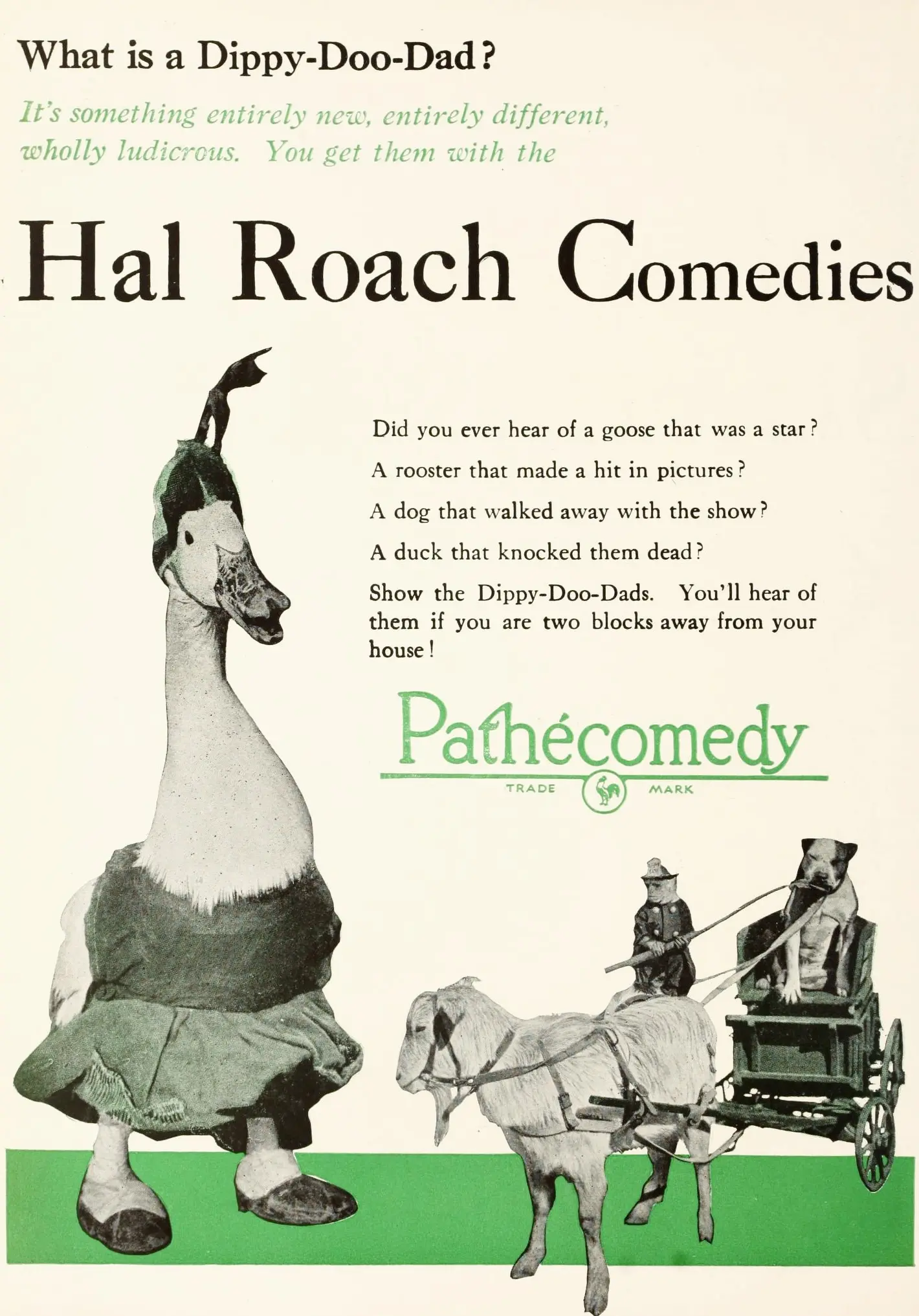
Our Little Nell, directed by an anonymous but undoubtedly skilled filmmaker, is a cinematic gem that expertly navigates the emotional terrain of romance, familial duty, and the complexities of human desire. The film's narrative unfolds with a blend of suspense and tenderness, making it a compelling watch for those who appreciate deeply layered storytelling.
At the core of the story is Nell, a young woman of considerable charm and wit, who finds herself drawn to a man of considerable sophistication and, let's admit, questionable morals. Len Powers, the young man in question, is a figure of allure and allure alone, his presence radiating an air of confidence and charm that is both magnetic and unsettling to Nell's more traditional and cautious father. The film opens with a masterful scene at a pool tournament, where Len competes and Nell watches, their eyes locked in a silent but palpable connection.
The plot thickens as Nell succumbs to her feelings and elopes with Len, a decision that her father, a man of stern integrity, warns her against. This father-daughter dynamic forms the heart of the conflict, a tension that is both personal and universal. The father, played with a blend of sternness and vulnerability, is a figure of both authority and love, his warnings tinged with a hint of desperation as he tries to protect his daughter from a fate that he fears will end in heartache and regret.
The climax of the film is a tense and emotionally charged moment, culminating in the father's dramatic arrival just in time to prevent the marriage from proceeding. This intervention sets off a chain of events that tests the boundaries of love, duty, and the lengths one is willing to go to for the people they care about. The film's final scenes are a poignant exploration of the aftermath, touching on themes of reconciliation and the enduring nature of familial bonds.
The setting of a pool tournament serves as a microcosm of the broader narrative, with the game of billiards symbolizing the complicated dance of human emotions and relationships. The game's structure, with its turns and twists, mirrors the film's own plot, revealing the intricate layers of the characters' motivations and the consequences of their actions.
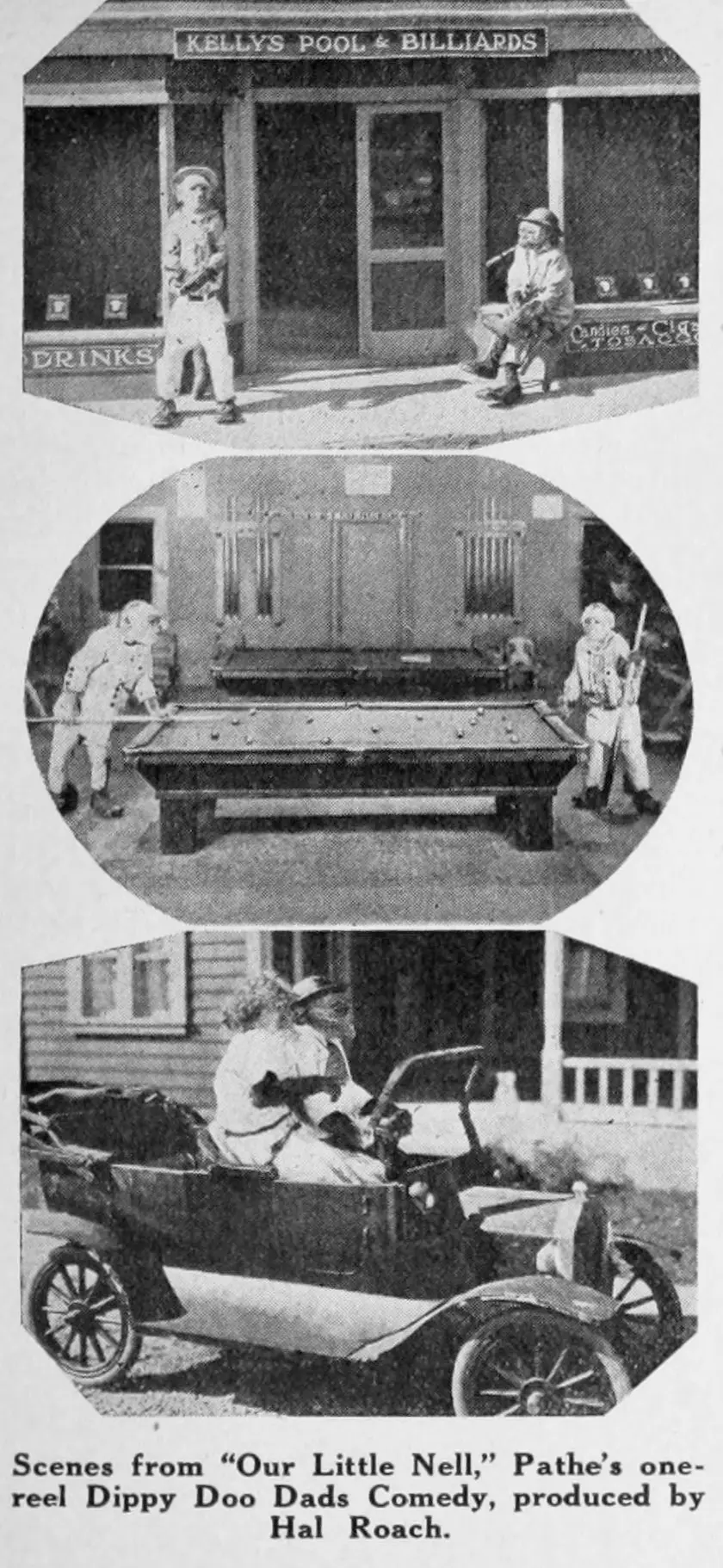
In terms of cinematography, the film excels, particularly in its use of visual metaphors. The pool table, with its rows of numbered spots and the balls moving in and out of focus, serves as a visual representation of the characters' shifting loyalties and desires. The use of shadows and light also plays a crucial role, with moments of darkness underscoring the film's more somber and reflective scenes, while bursts of light symbolize moments of clarity and hope.
The performances are uniformly strong, with Len Powers delivering a nuanced portrayal of a man who is both charming and flawed. His character's journey from a suitor to a potential antagonist is well-acted, making his motivations and actions believable and relatable. The chemistry between Powers and the young Nell is palpable, adding depth to their relationship and making their elopement a believable and moving decision.
Supporting roles, including Nell's father and other characters in the tournament, are also well-crafted, contributing to a rich and layered narrative. The film's dialogue is sharp and witty, with exchanges that are both humorous and poignant, adding layers of depth to the characters and their relationships.
'Our Little Nell' stands out among its contemporaries, such as 'Kennedy Square' and 'The Drivin' Fool,' not only for its engaging plot but also for its ability to evoke a range of emotions. It is a film that invites viewers to reflect on the nature of love, duty, and the choices we make in life. Its exploration of these themes is both subtle and profound, making it a film that can be enjoyed on multiple levels.
Technically, the film is a triumph, with a well-paced narrative that keeps the audience engaged throughout. The score, composed of both original and reworked classic melodies, adds to the film's emotional resonance, enhancing the film's overall impact. The editing, too, is precise, with scenes seamlessly transitioning from one moment to the next, creating a sense of continuity and flow.
In conclusion, 'Our Little Nell' is a film that deserves a place in the canon of classic cinema. Its blend of romance, drama, and family conflict, combined with its strong performances and polished production values, make it a must-see for film enthusiasts and anyone who appreciates a well-told story. It is a film that will resonate with audiences long after the credits roll, leaving them with much to think about and discuss.
IMDb —
1921
Community
Log in to comment.