DbcultAccessing Vault...
Cult Review
Senior Film Conservator
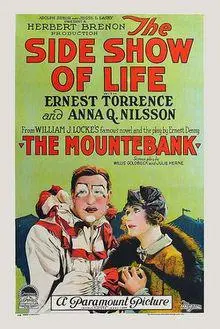
The Side Show of Life, a 1922 silent film, presents a fascinating study of a man grappling with his identity, oscillating between the frivolity of a circus performer and the gravitas of a military leader. Andrew Lackaday, portrayed by Ernest Torrence, is an English clown raised in France, whose life takes a dramatic turn when he ascends to the rank of brigadier general during wartime.
Upon his return to civilian life, Lackaday attempts to revive his career as a juggler, but is disheartened to discover that his erstwhile manual dexterity and artistic prowess have deserted him. This poignant exploration of identity and redemption navigates through Lackaday's forsaken romance with Elodie, his former vaudeville partner, and his subsequent union with the captivating Lady Auriol, played by Anna Q. Nilsson.
The film's narrative is layered with themes of love, loss, and self-discovery, as Lackaday struggles to reconcile his past and present selves. The director's use of mise-en-scène and cinematography masterfully captures the dichotomy between Lackaday's life in the military and his existence as a performer. The film's score, although silent, is complemented by the expressive acting of the cast, particularly Torrence, who brings a depth of emotion to his portrayal of Lackaday.
In comparison to other films of its era, such as Frisky Lions and Wicked Husbands and The Saleslady, The Side Show of Life stands out for its nuanced exploration of the human condition. The film's attention to detail, from the production design to the performances, is reminiscent of Das Rätsel von Bangalor and The Martyrdom of Philip Strong.
The Side Show of Life is a thought-provoking drama that warrants multiple viewings, as its complexities and themes continue to resonate with audiences. The film's exploration of identity, love, and redemption serves as a poignant reminder of the human experience, and its relevance endures to this day.
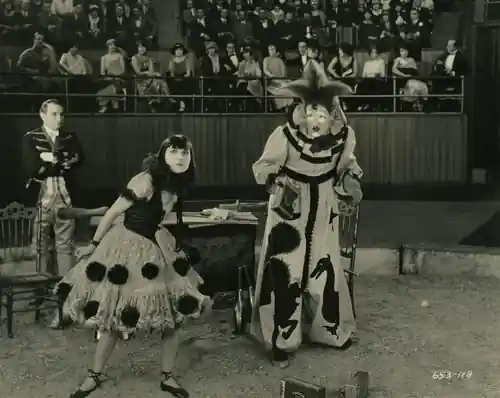
The performances of the cast, including Lawrence D'Orsay and Mrs. Pozzi, add depth and nuance to the narrative, while the direction is noteworthy for its innovative use of camera angles and composition. The film's themes are timeless, and its influence can be seen in later works, such as The Perfect Thirty-Six and L'aventurier.
In conclusion, The Side Show of Life is a masterpiece of silent cinema, offering a rich and rewarding viewing experience. Its exploration of the human condition, coupled with its technical achievements, solidifies its place as a landmark film in the history of cinema.
The film's cinematography, production design, and performances all contribute to its enduring legacy, making it a must-see for film enthusiasts and historians alike. With its themes of identity, love, and redemption, The Side Show of Life continues to captivate audiences, offering a poignant and thought-provoking exploration of the human experience.
Ultimately, The Side Show of Life is a film that defies categorization, existing as a singular work that blends elements of drama, comedy, and romance. Its influence can be seen in a range of films, from Desert Blossoms to Ubirajara, and its themes continue to resonate with audiences today.
The Side Show of Life is a true classic of silent cinema, offering a rich and rewarding viewing experience. Its exploration of the human condition, coupled with its technical achievements, solidifies its place as a landmark film in the history of cinema.
IMDb 5.4
1933
Community
Log in to comment.