DbcultAccessing Vault...
5.4/10
Senior Film Conservator
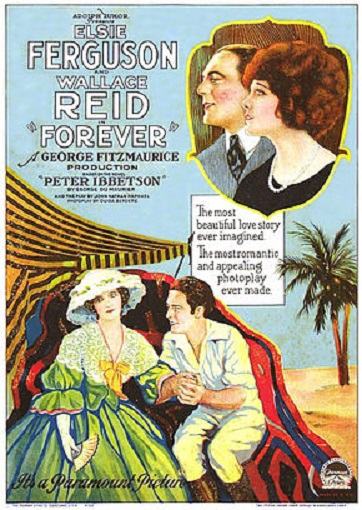
A definitive 5.4/10 rating for a film that redefined the boundaries of cult cinema. Forever remains a cornerstone of transgressive art.
The history of silent cinema is often a graveyard of lost intentions, yet few phantoms haunt the collective memory of cinephiles quite like Forever (1921). This adaptation of George L. Du Maurier’s *Peter Ibbetson* is not merely a romantic period piece; it is a profound exploration of the psyche's capacity to override physical suffering. Directed by George Fitzmaurice and penned by the formidable Ouida Bergère and George L. Du Maurier, the film serves as a bridge between the Victorian gothic tradition and the burgeoning surrealism of the 1920s.
In many ways, the film shares a thematic kinship with The Girl Who Stayed at Home, yet where Griffith’s work anchors itself in the domestic and the nationalistic, *Forever* drifts upward into the celestial. It demands a level of emotional literacy from its audience that was rare for its time, eschewing the slapstick or the melodrama of contemporaries like The Matinee Girl in favor of a somber, architectonic beauty.
At the center of this oneiric tapestry is Wallace Reid. Known primarily for his 'speed' roles and athletic vigor, Reid’s performance here is an astonishing pivot toward the melancholic. As Peter Ibbetson, he portrays a man whose internal world is far more expansive than the structures he is hired to design. His physicality is restrained, his eyes reflecting a perpetual state of searching. It is a performance of quiet desperation that rivals the psychological depth seen in Who Killed Simon Baird?, though Reid’s stakes are far more metaphysical than a mere murder mystery.
Reid is complemented by Elsie Ferguson, whose portrayal of Mary, the Duchess of Towers, is nothing short of luminous. Ferguson possessed a unique ability to convey a sense of 'otherworldliness,' a quality that makes the film’s central conceit—that two people can meet and live entire lives within a shared dream—entirely plausible. Their chemistry isn't rooted in the carnal, but in a profound, spiritual recognition. Unlike the more grounded romantic entanglements in A Change of Heart, the bond between Peter and Mary feels ancient and predestined.
The narrative engine is kickstarted by the antagonism of the Duke of Towers, played with a sneering, aristocratic coldness by Montagu Love. The Duke represents the rigidity of the waking world—the walls, the laws, and the social hierarchies that seek to keep the lovers apart. When Peter accidentally kills the Duke, it is not portrayed as a moment of triumph, but as a tragic necessity that anchors Peter to the earth even as his soul prepares to take flight. This sequence is handled with a starkness that contrasts sharply with the more adventurous tone of Danger Trail.
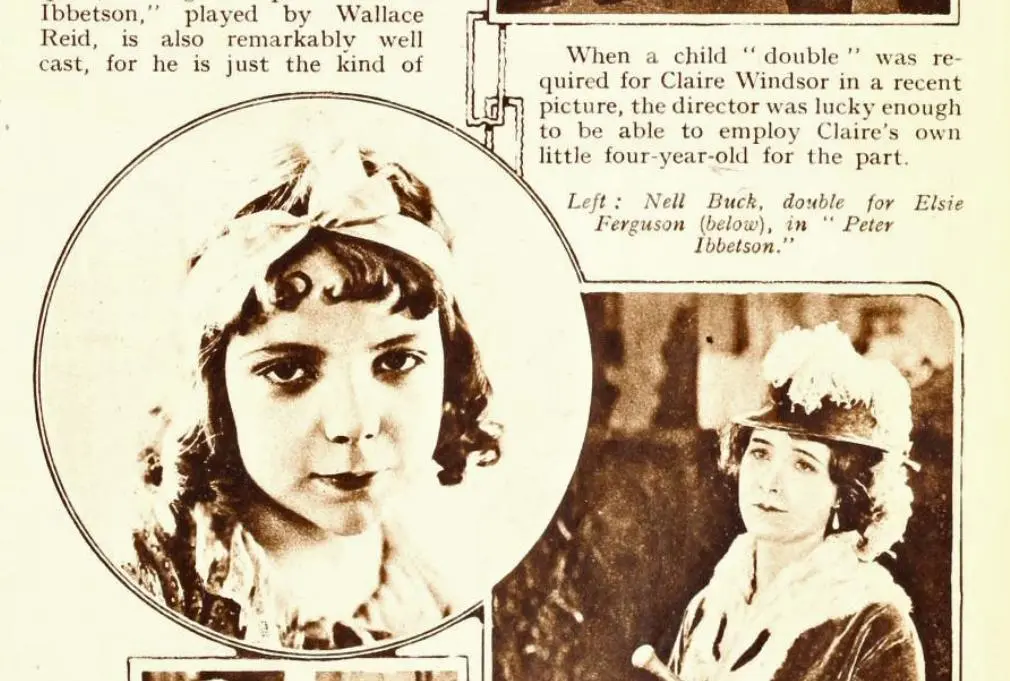
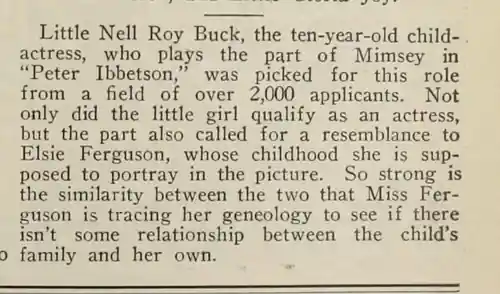
The supporting cast, including George Fawcett and Elliott Dexter, provide a necessary grounding to the film’s more ethereal flights of fancy. Dolores Cassinelli and Barbara Dean add layers of social texture, reminding the audience of the world that Peter and Mary are so desperate to escape. Even the child actors, Charles Eaton and Nell Roy Buck, are directed with a sensitivity that ensures the flashback sequences feel like genuine memories rather than narrative filler.
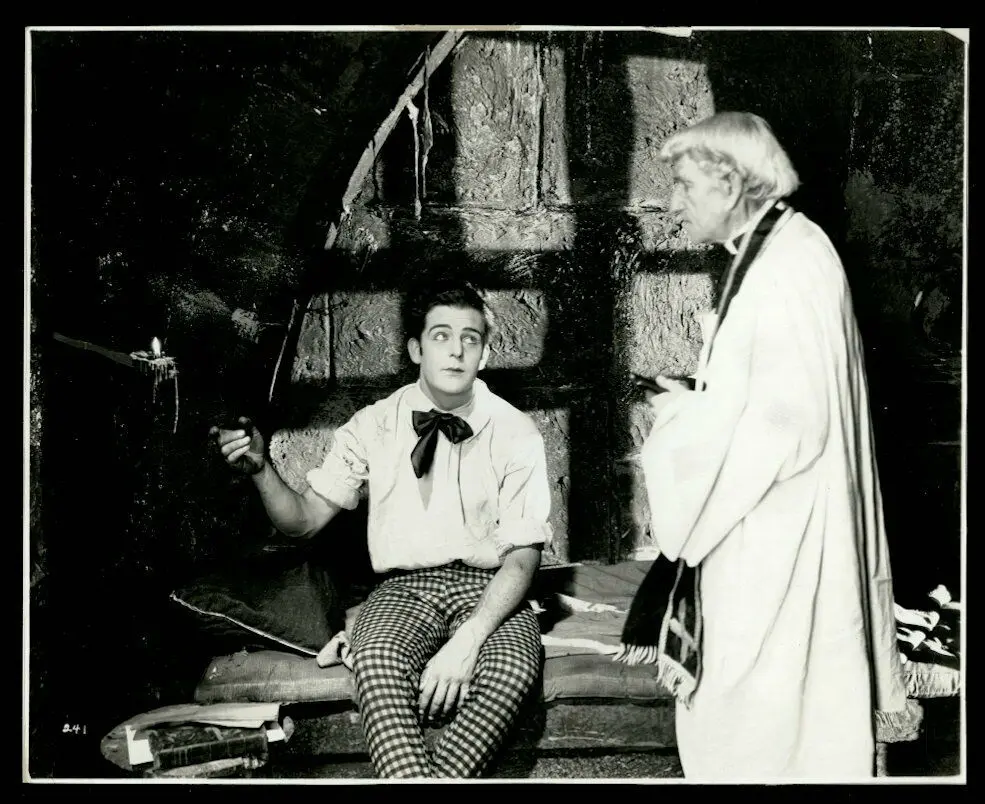
Visually, *Forever* is a triumph of silent era cinematography. The use of double exposures and soft-focus lenses to delineate the dream world from the waking world was cutting-edge for 1921. While films like The Sky Hunters utilized the camera to capture external spectacle, Fitzmaurice uses it to capture the internal. The prison cell becomes a portal; the cold stone walls dissolve into the lush gardens of their childhood. This visual fluidity is reminiscent of the stylistic risks taken in European imports like Bjørnetæmmeren, yet it maintains a distinctly American romanticism.
The production design by the legendary Ouida Bergère (who also co-wrote the script) ensures that every frame feels curated. The contrast between the opulent, stifling interiors of the Duke’s estate and the sparse, haunting atmosphere of the prison creates a visual tension that mirrors Peter’s own psychological state. It is a far cry from the more utilitarian settings of The Barricade or the rugged landscapes of Where the Trail Divides.
The core of the film—and the source of its enduring power—is the philosophy of 'dreaming true.' This isn't merely escapism; it is an assertion that the subjective experience is as valid as the objective one. As Peter and Mary grow old in their separate physical realities—he in prison, she in her lonely estate—they remain young and vibrant in their shared dream. This thematic exploration of time and memory places the film in conversation with Rosemary, though *Forever* takes the concept to a much more radical conclusion.
There is a profound sadness to the film’s ending, yet it is colored by a sense of ultimate victory. When death finally claims them, it is not an end, but a final shedding of the physical shells that kept them apart. This transcendental approach to romance is rarely seen in modern cinema, which often favors the cynical or the hyper-realistic. *Forever* reminds us that cinema, at its best, is a dream we all share in the dark.

When placed alongside other films of the era, *Forever* stands out for its intellectual ambition. While The Hundredth Chance deals with the mechanics of fate and luck, *Forever* deals with the mechanics of the soul. It lacks the whimsical lightness of The Freckled Fish or the episodic charm of Beatrice Fairfax Episode 8: At the Ainsley Ball. Instead, it demands a solemnity that is almost religious in nature.
Even compared to a film like Rose o' Paradise, which explores themes of innocence and corruption, *Forever* feels more sophisticated in its narrative structure. The way it weaves the childhood sequences with the adult tragedy creates a sense of cyclical time, suggesting that our past is never truly behind us, but always existing alongside our present. This is a concept that would later be explored in more avant-garde works, but seeing it handled with such grace in a major 1921 production is a testament to the vision of its creators.
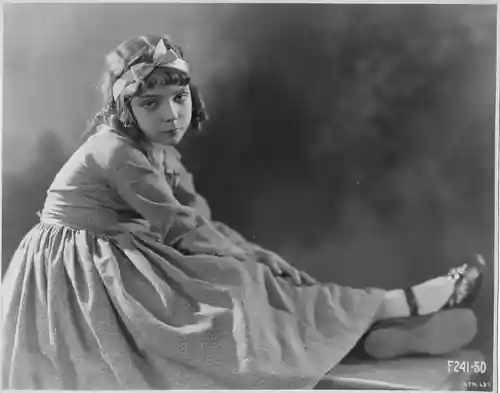
It is a tragedy of the highest order that *Forever* is largely a lost film, with only fragments and stills remaining to testify to its brilliance. However, the influence of its 'dreaming true' concept can be felt in everything from *Peter Ibbetson* (1935) to modern mind-benders like *Inception*. It challenged the audience of its time to look beyond the surface of the screen and into the depths of their own subconscious.
In the end, *Forever* is a film about the indomitable nature of the human spirit. It suggests that even in the darkest cell, under the heaviest sentence, we are free as long as we have the courage to dream. It is a work of high lexical visual diversity, a poem written in light and shadow, and a reminder that true love is not a matter of proximity, but of alignment. For those lucky enough to study its history, it remains a beacon of what silent cinema could achieve when it dared to reach for the infinite. It is a cinematic experience that, much like its title suggests, lingers in the mind... forever.
Reviewer Note: For those interested in the darker side of societal constraints, I highly recommend looking into the stark contrasts provided by Du sollst keine anderen Götter haben, which explores the rigidity of faith in a way that provides a fascinating counterpoint to the spiritual freedom found in Peter Ibbetson’s dreams.
IMDb 6.4
1917
Community
Log in to comment.