DbcultAccessing Vault...
7.5/10
Senior Film Conservator
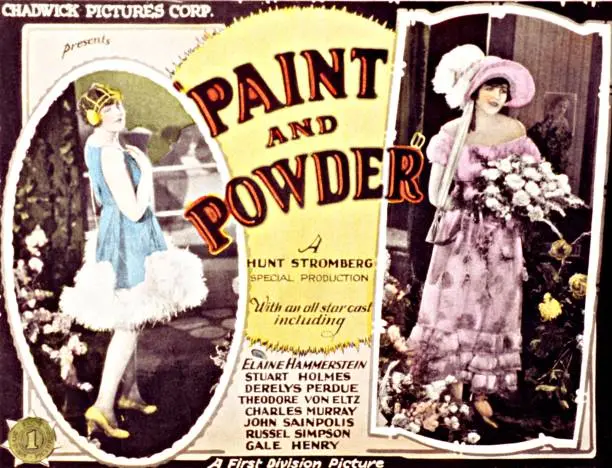
A definitive 7.5/10 rating for a film that redefined the boundaries of cult cinema. Paint and Powder remains a cornerstone of transgressive art.
The 1920 silent film 'Paint and Powder' is a whimsical and enchanting tale that captures the spirit of early 20th-century theater. The film follows the unlikely journey of a waiter at a cheap cabaret who falls for the lead dancer. Enchanted by her beauty and talent, he devises a series of cunning plans that culminate in an audacious scheme to put her on the Broadway stage. This delightful and romantic story is a testament to the magic of cinema in its early days, blending humor, drama, and the allure of the stage.
The film opens with a vivid portrayal of the seedy underbelly of a cabaret, where our protagonist, the waiter, toils away. His heart is set on the lead dancer, a woman of great beauty and grace. However, their budding romance is met with the harsh realities of their circumstances. The waiter, played by Ernest Belcher, is a charming and resourceful individual who sees an opportunity to elevate his beloved.
Driven by love and a desire to see his partner shine, the waiter hatches a plan. When a noted theatrical producer visits the cabaret, the waiter seizes the opportunity. He cleverly manipulates the producer, using his wit and charm to obtain the producer's wallet. With this, he embarks on a journey to transform the dancer into a Broadway star.
The transformation itself is a delightful sequence of events. The waiter dresses the young woman in elaborate costumes and helps her with her dance routines. Under his guidance, she begins to shine, captivating audiences with her grace and spirit. The film captures the essence of a dancer's journey, filled with moments of triumph and struggle.
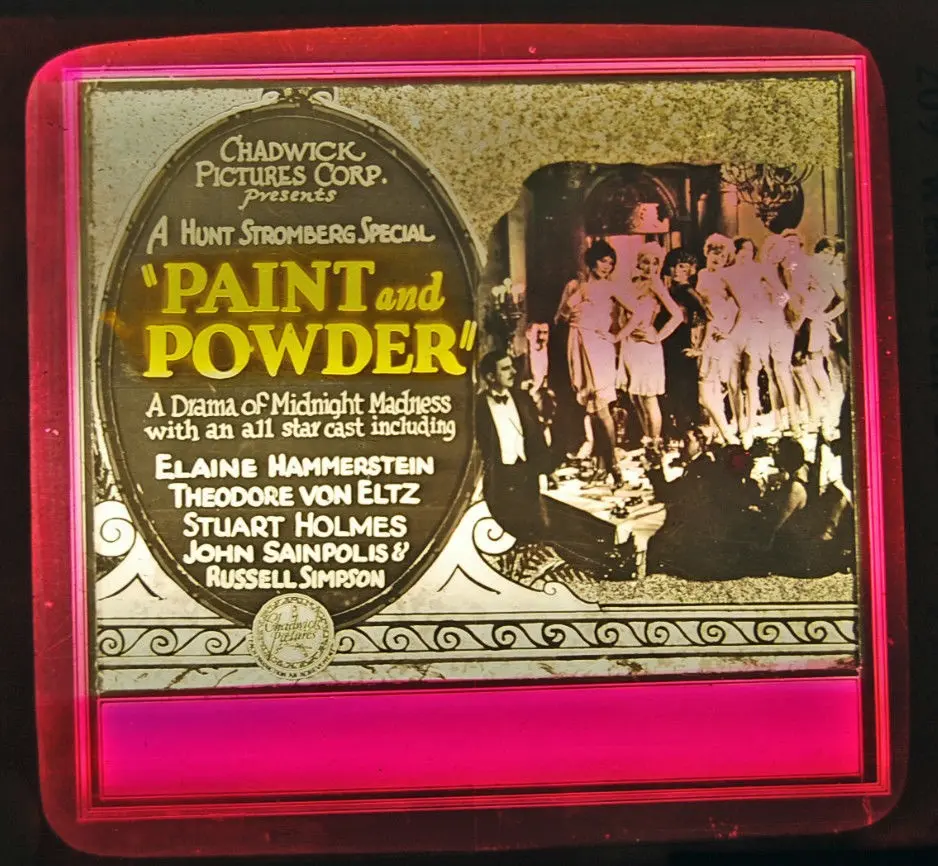
As the dancer's star rises, so does the tension in the film. The waiter's scheme is filled with suspense, as he navigates the cutthroat world of Broadway. The film effectively balances humor and drama, creating a narrative that is both light-hearted and engaging. The performances are a standout, with Ernest Belcher delivering a charismatic and believable portrayal of the waiter. His interactions with the cast, particularly the young dancer, are filled with charm and authenticity.
Under the direction of Langdon McCormick, 'Paint and Powder' exudes a sense of style and elegance. The film's visual aesthetics are a significant part of its appeal. The cinematography captures the grandeur of the stage and the intimate moments of the cabaret. The use of lighting and camera angles adds depth to the narrative, enhancing the emotional impact of key scenes. The film's pacing is well-maintained, ensuring that the audience remains engaged throughout.
In conclusion, 'Paint and Powder' is a delightful and engaging film that offers a glimpse into the world of early 20th-century theater. The story is a testament to the power of love and ambition, and the performances are a significant highlight. While the film is not without its flaws, it remains a charming and entertaining piece of cinema. Fans of silent films and those seeking a nostalgic journey will find much to enjoy in 'Paint and Powder.'
For those interested in the history of cinema, 'Paint and Powder' offers a fascinating look at the early days of American theater. The film's blend of romance, drama, and comedy creates a narrative that is both satisfying and entertaining. While it may not be the most critically acclaimed film of its era, it remains a delightful and engaging piece of early cinema. It is a film that deserves to be rediscovered and enjoyed by a new generation of film enthusiasts.
Overall, 'Paint and Powder' is a film that offers a unique and enchanting experience. It is a testament to the enduring power of love and the magic of the stage. While it may not be a groundbreaking cinematic masterpiece, it is a delightful and engaging watch that is well worth the time of any film lover.
IMDb —
1918
Community
Log in to comment.